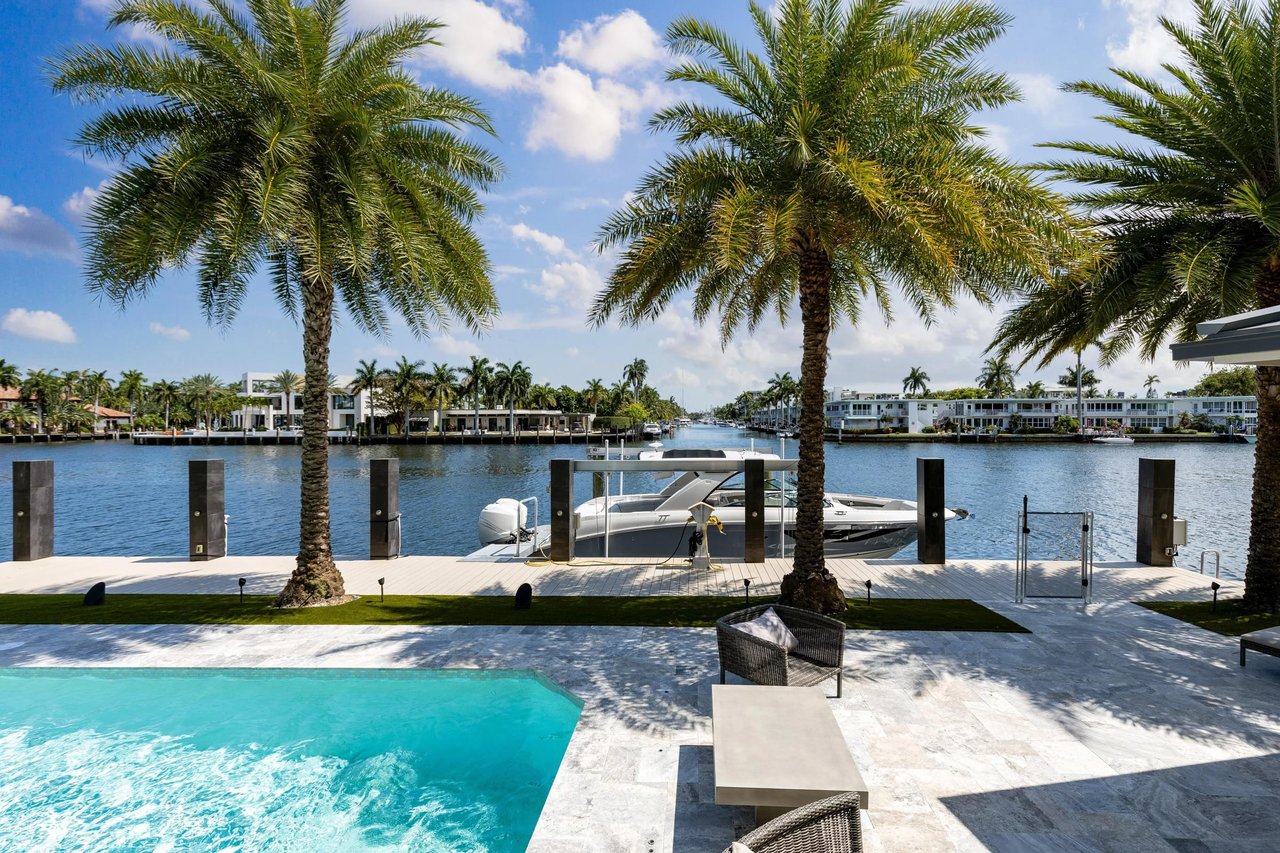
Thinking about buying in Coral Gables and torn between a condo and a house? You are not alone. The city offers both low‑maintenance condo living near shops and restaurants and classic single‑family neighborhoods with tree‑lined streets. In this guide, you will learn the key tradeoffs in cost, lifestyle, insurance, rules, and resale so you can choose with confidence. Let’s dive in.
Coral Gables at a glance
Coral Gables blends historic charm with city convenience. You will find walkable pockets around Miracle Mile and Ponce de Leon Boulevard, plus quiet residential streets and quick access to major corridors like US‑1 and LeJeune Road. The University of Miami is nearby, which shapes rental demand and the condo market. Local planning is relatively strict, which helps preserve neighborhood character.
If you want current sales and price trends, check regional reports from Florida Realtors and the Miami Association of Realtors. For parcel details and assessed values, use the Miami‑Dade County Property Appraiser. You can also find zoning and preservation information on the City of Coral Gables site.
Lifestyle: condo vs. house
When a condo fits
If you want convenience and low exterior maintenance, a condo can be a great match. Most buildings include shared amenities like a pool, gym, or secured entry. Many condo locations offer better walkability to restaurants, cafes, and daily errands. Floor plans often suit singles, couples, downsizers, and investors targeting student or professional renters.
Potential drawbacks include less privacy and limited outdoor space. You will also follow association rules for pets, renovations, and leasing. Noise from neighbors can vary by building, construction type, and unit location.
When a house fits
If you value space and control, a house offers a yard, garage, and the freedom to tailor the property. You can manage landscaping and outdoor areas the way you want (within local code). Detached homes often work well for households that want storage or room for hobbies.
Tradeoffs include higher maintenance time and budget. You are responsible for roof, exterior, yard care, and storm prep. Utility and insurance costs can be higher than for a similarly sized condo unit.
Costs and budgeting
Purchase prices and fees
Single‑family homes in Coral Gables typically trade at higher median prices than condos. That said, the right block, building, or view can change the equation. Review current comparables using MLS data and recent reports from Florida Realtors.
Condos have monthly association dues that cover common areas and portions of building insurance. Dues vary by building age, amenities, and reserves. Always include HOA dues in your total monthly housing budget.
Property taxes and homestead
Both condos and houses can qualify for Florida’s homestead exemption if you use the home as your primary residence. Verify your parcel details, assessed value, and exemption status with the Miami‑Dade County Property Appraiser. Condominium units are assessed individually, and single‑family homes are assessed per parcel.
Insurance basics
- Houses: You will need homeowners insurance for the structure, contents, and liability. Wind coverage and mitigation features matter in South Florida. In many locations, flood insurance is required by lenders or strongly recommended.
- Condos: The association usually carries a master policy for common elements and sometimes the building structure, while you carry an HO‑6 policy for your unit interior and personal property. Check the master policy’s deductible and what is covered “walls‑in.”
Flood risk varies by property elevation and FEMA flood zone. Confirm a property’s designation on the FEMA Flood Map Service Center and ask lenders about flood insurance requirements. For wind insurance questions or last‑resort coverage in Florida, learn more from Citizens Property Insurance Corporation.
Special assessments and reserves
Condos may issue special assessments for big repairs like roof replacement, structural work, or elevator upgrades. Review budgets, reserve studies, and recent meeting minutes before you buy. A building with strong reserves and a history of proactive maintenance can reduce the risk of surprise costs.
Risk and resilience in South Florida
Hurricanes and wind
South Florida’s hurricane risk makes impact windows, reinforced doors, and roof strength important. For condos, review the association’s master policy, wind deductible, and how deductibles may be allocated to unit owners after a claim. For houses, evaluate your home’s mitigation features and your policy’s hurricane deductible.
Flooding and elevation
Coral Gables includes areas with varying elevation and drainage. Lenders usually require flood insurance if a property lies in a designated flood zone. Ask for an Elevation Certificate and check the FEMA map for the exact zone using the FEMA Flood Map Service Center. Premiums can depend on elevation, building type, and prior claims.
Control, rules, and renovations
Condos: know the bylaws
Condo ownership includes association rules on pets, leasing, flooring, balcony use, and renovations. Exterior and structural changes typically need board approval and city permits. Some communities limit investor ratios or require minimum lease terms. Read the declaration, bylaws, and rules in full.
Houses: city code and historic review
Owning a house brings more control, but Coral Gables has active planning and historic preservation standards. Some properties fall under historic district rules that require exterior change review. Always verify zoning, setbacks, and lot coverage with the City of Coral Gables planning resources before you plan additions or major exterior work.
Financing differences you should expect
Condos often face extra lender scrutiny. Some loans require the project to meet eligibility standards and have acceptable reserves, owner‑occupancy ratios, and no material litigation. If you rely on FHA or VA financing, confirm the building’s status and project approvals early through HUD’s resources or your lender.
Underwriters include HOA dues and any special assessments in your debt‑to‑income ratio. Smaller buildings, high investor concentration, or recent building repairs can make approvals more complex. A house usually avoids project review, but standard credit, income, appraisal, and property condition requirements still apply.
Resale and investment outlook
Condos in Coral Gables often appeal to downsizers, young professionals, and investors drawn to proximity to the University of Miami and walkable corridors. Marketability can depend on building condition, rental rules, dues, and project financing eligibility. Houses tend to attract a broader pool of buyers seeking outdoor space and privacy and can reward well‑located lots over time.
If rental income is part of your plan, review association rules and city ordinances. Coral Gables maintains stricter short‑term rental regulations than some nearby areas. Check current code and neighborhood rules on the City of Coral Gables website before you rely on short‑term rental income.
Due diligence checklist
For a condo purchase
- Read: declaration, bylaws, current budget, last 2 to 3 years of financials, and the reserve study.
- Review: board meeting minutes for the last 12 to 24 months to spot upcoming projects or litigation.
- Verify: master policy coverage, wind and flood deductibles, and how deductibles may be shared.
- Confirm: rental policy, pet policy, parking and storage rights, and any investor caps.
- Ask: Are there special assessments planned or recently passed? What is the delinquency rate?
- Financing: Check FHA, VA, or conventional project eligibility early via your lender and HUD.
For a house purchase
- Inspect: roof age, structure, electrical, plumbing, HVAC, and drainage.
- Safety: look for impact windows, reinforced garage doors, and storm preparedness features.
- Flood: confirm zone at the FEMA Flood Map Service Center and request an Elevation Certificate if needed.
- Zoning: verify setbacks, lot coverage, and any historic review with the City of Coral Gables.
- Budget: plan for landscaping, exterior maintenance, and potential higher insurance costs.
Legal and tax references
- Florida condo statutes and legal resources are available through the Florida Legislature.
- For homestead exemption guidance and parcel details, visit the Miami‑Dade County Property Appraiser.
- For buyer and financing insights, see the National Association of Realtors.
How to choose what fits you
Ask yourself a few practical questions to get to a clear answer:
- Do you want a walkable lifestyle near Miracle Mile or Ponce de Leon Boulevard, or do you prefer a quiet street with a yard?
- How much maintenance do you want to handle yourself each month?
- What are your insurance and HOA comfort levels? Would a master policy and dues give you peace of mind, or do you prefer full control with a house policy?
- Do you plan to rent the property in the future? If yes, what rules would support your plan?
- Are you financing with FHA or VA and need a project‑approved condo, or is a conventional route more flexible?
If you prioritize convenience, amenities, and lock‑and‑leave living, a condo near key corridors might be ideal. If you want space, privacy, and long‑term flexibility, a single‑family home could be the better path. When in doubt, tour both options in the same budget to compare actual monthly costs and lifestyle fit side by side.
Your next step in Coral Gables
You deserve a clear, low‑stress process from first tour to closing. Our team helps you weigh dues versus maintenance, analyze insurance scenarios, and verify association health or zoning limits before you commit. We also connect you with local inspectors, lenders who understand condo approvals, and insurance pros who know wind and flood requirements.
Ready to find your best fit in Coral Gables? Reach out to Noel Barrientos for a focused game plan and on‑the‑ground tours that match your lifestyle and budget.
FAQs
What are the biggest cost differences for condos vs. houses in Coral Gables?
- Condos bundle some costs into monthly dues and a master policy, while houses carry separate maintenance and insurance; always compare dues plus HO‑6 to projected house upkeep and homeowners insurance.
How do I check flood risk for a specific Coral Gables property?
- Look up the address on the FEMA Flood Map Service Center and ask for an Elevation Certificate to estimate premiums and confirm lender requirements.
Are condos harder to finance than houses in Coral Gables?
- Often yes, because condos may need project approval and healthy reserves, but an experienced lender and early review using HUD guidance can streamline the process.
Can I rent my Coral Gables condo short term on Airbnb?
- Many associations restrict short‑term rentals and the city maintains strict rules, so verify current ordinances on the City of Coral Gables website and read the condo’s rental policy.
How does Florida’s homestead exemption work for condos and houses?
- Both property types can qualify if owner‑occupied as your primary residence; confirm eligibility and file with the Miami‑Dade County Property Appraiser.
What should I review in a condo association before buying?
- Read the declaration, bylaws, budget, financials, reserve study, insurance certificates, and recent minutes, and confirm any special assessments or litigation per Florida statutes via the Florida Legislature.