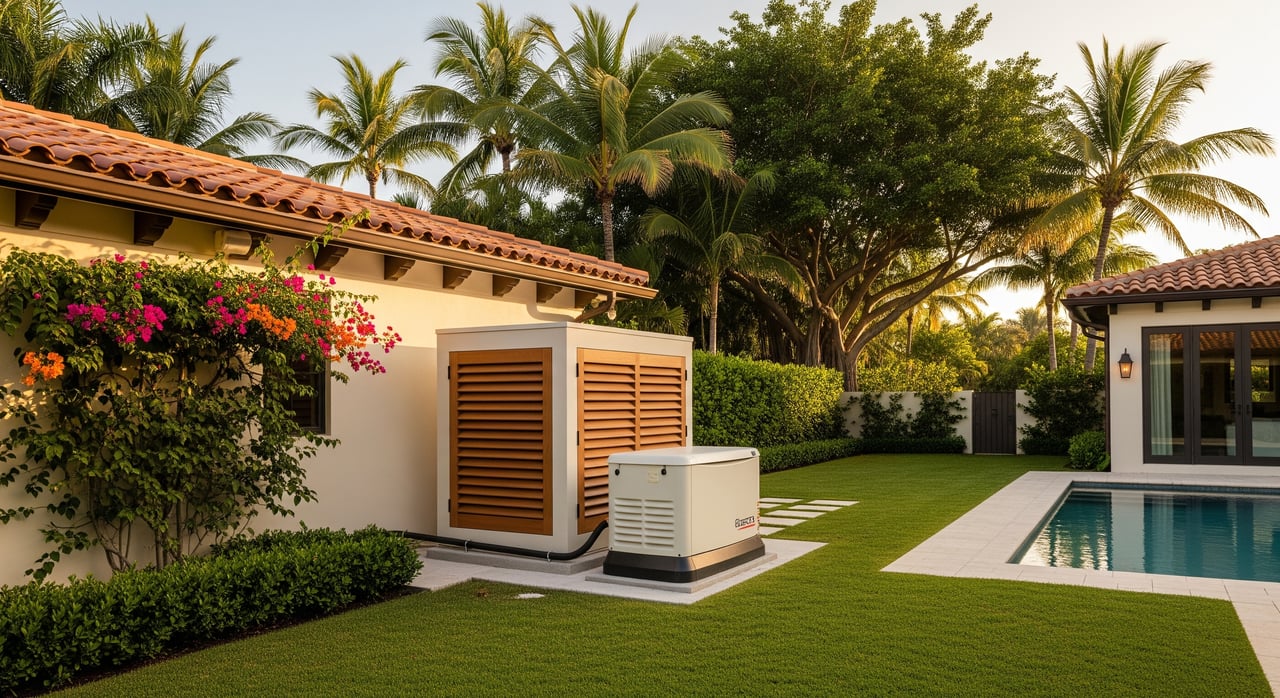
Hurricanes and summer storms can knock out power in Pinecrest when you least expect it. If you are thinking about a portable generator or a whole‑home system, you want safe setup, clean air inside your home, and no surprises with permits. In this guide, you will learn how to place and run a portable unit, how to store fuel, how to avoid carbon monoxide risks, and when permits and inspections are needed for a permanent generator. Let’s dive in.
Why backup power matters in Pinecrest
Power outages are part of life in Miami‑Dade, especially during hurricane season. A generator can keep essentials like refrigeration, lighting, internet equipment, and some cooling running. To protect your family and your property value, you need to use generators safely and follow local codes.
In Pinecrest, rules come from multiple layers. The Florida Building Code applies statewide, and the Village of Pinecrest and Miami‑Dade County enforce permits and inspections. National standards like the National Electrical Code guide electrical connections. You will want to check with the Village and the County on specific submittals, inspections, and any local amendments.
Portable generator safety basics
Portable generators are helpful during short outages, but they carry risks if placed or operated incorrectly. Focus on clean air, dry setups, and safe electrical connections.
Safe placement around your home
Always run portable generators outdoors in a well‑ventilated area. Do not use them in a home, garage, carport, attic, basement, or on a balcony. Place the unit on a dry, level surface at least 20 feet away from doors, windows, vents, or any opening. Point the exhaust so fumes move away from your home and any neighboring structures.
Keep the unit out of puddles and away from standing water. If rain is expected, use a canopy designed for generators to keep water off the unit without blocking airflow. Never enclose the generator. Allow space around the generator so it can cool and vent properly.
Electrical safety and backfeed prevention
Use heavy‑gauge, outdoor‑rated extension cords sized for the load. Inspect cords for damage before each use. Run cords directly to appliances and avoid routing them through doors or windows where they can be pinched.
Never plug a generator into a home outlet. This creates dangerous backfeeding that can injure utility workers and damage your equipment. If you want to power circuits in your home, have a licensed electrician install a transfer switch or approved interlock device. Follow your generator manufacturer’s grounding instructions and use GFCI protection in damp areas.
Noise and neighbor considerations
Portable generators can be loud. Check municipal noise rules, especially for overnight use during extended outages. Place the unit as far from sleeping areas as practical while keeping it a safe distance from openings and combustible materials.
Carbon monoxide safety
Carbon monoxide is an odorless, colorless gas that can build up quickly around homes during outages. Generator exhaust is a common source of CO poisoning after storms.
Install and test CO alarms
Install carbon monoxide alarms on every level of your home and outside sleeping areas. Choose hardwired alarms with battery backup or battery‑powered units. Test alarms monthly and replace batteries and devices according to manufacturer instructions. This is one of the most important steps you can take before storm season.
What to do if an alarm sounds
If a CO alarm goes off, get everyone outside right away and call emergency services. Seek medical care for symptoms such as headache, dizziness, nausea, or confusion. Do not re‑enter the home until it is safe and ventilated. Re‑evaluate where and how you are running your generator before using it again.
Fuel types and safe storage
You can power generators with gasoline, diesel, or propane. Each fuel behaves differently and has its own storage rules and risks.
Gasoline, diesel, propane at a glance
- Gasoline is highly volatile and has a shorter shelf life. It can form flammable vapors easily. Use stabilizer if you need to store it longer.
- Diesel is less volatile and typically stores longer, but it can develop microbial contamination if stored improperly.
- Propane is stored in sealed tanks and does not degrade the way gasoline does. LP tanks and piping need licensed installation and usually require permits.
Storage do’s for Pinecrest homes
Store fuel only in approved, labeled containers. Keep fuel in a cool, dry, well‑ventilated area outside of living spaces and away from ignition sources. A detached shed or outdoor storage cabinet is preferred. Avoid storing fuel in an attached garage where vapors can enter the home.
Keep the amount of stored fuel to a minimum and rotate supplies when hurricane season starts. Follow manufacturer guidance on shelf life and stabilizers. For propane, verify tank placement and anchoring requirements before installation.
Refueling and spill response
Turn off the generator and allow it to cool before refueling. Refuel outdoors and away from flames or pilot lights. Wipe up small spills promptly and dispose of rags safely. For significant spills, follow state and county environmental rules and reporting procedures.
Check local limits and fire code
Pinecrest and Miami‑Dade County may limit how much gasoline or diesel you can store at home and where it must be stored. Because limits can change, confirm the current rules with the Village of Pinecrest Building Department and Miami‑Dade County Fire Rescue or the County Fire Marshal before storm season.
Whole‑home standby generators and permits
A permanent standby generator can power larger loads and switch on automatically. Because it ties into your home’s electrical and sometimes gas systems, it typically requires permits and inspections.
When permits are required in Pinecrest
You will usually need permits if you hard‑wire a generator to your panel, install a transfer switch or automatic transfer switch, run new wiring, connect to natural gas or propane, or set a fuel tank. If you only use a portable unit with extension cords, permits may not be required, but it is wise to confirm with local authorities.
Typical permit types and contractors
- Electrical permit for the generator connection, transfer switch, and panel work. A licensed electrician typically pulls this permit.
- Mechanical, gas, or plumbing permit for natural gas or LP piping and for tank installation. A licensed mechanical or plumbing contractor typically handles this.
- Building or site permit for pads, platforms, anchoring, and to verify setbacks and enclosures. Some installations also require a fire department review for fuel storage.
Inspections you can expect
Inspectors will check that your transfer switch is properly rated and labeled and that wiring matches the generator’s output with correct overcurrent protection. They will confirm isolation from the utility to prevent backfeeding. They will also verify exhaust clearances, placement, fuel line sizing and materials, tank anchoring and setbacks, and that manufacturer instructions were followed. Noise and neighbor impacts may also be reviewed.
Step‑by‑step permit workflow
- Decide what you want to power and size the system. Do a load calculation with a licensed electrician.
- Choose a fuel source. Consider natural gas availability or propane delivery during extended outages.
- Contact the Village of Pinecrest Building Department and Miami‑Dade County permitting office to confirm permit types and submittal requirements. Ask Miami‑Dade Fire Rescue about LP tank rules and any fire reviews.
- Have your licensed contractors pull permits before starting work.
- Schedule required inspections and keep work accessible until approved. Keep manuals and documentation on site.
- After final approval, test the system and review maintenance schedules.
Quick checklists
Portable generator checklist
- Place outdoors at least 20 feet from openings with exhaust pointed away.
- Never run in a garage or any enclosed or partially enclosed space.
- Use outdoor‑rated cords sized for the load and inspect for damage.
- Install CO alarms on every level and outside sleeping areas.
- Turn off and cool the unit before refueling; store fuel in approved containers outdoors.
- Do not connect to home wiring without a transfer switch or interlock.
Whole‑home generator checklist
- Complete a load calculation with a licensed electrician.
- Select natural gas or propane based on availability and refueling plans.
- Hire licensed electrical and gas contractors.
- Confirm and pull electrical, gas/plumbing, and building permits.
- Verify setback, clearance, anchoring, and noise requirements.
- Install a transfer switch or ATS to prevent backfeed and label circuits.
- Test CO alarms and plan exhaust routing away from openings.
Common mistakes to avoid
- Running a generator in a garage, carport, or near open windows. This creates extreme CO risk.
- Backfeeding by plugging a generator into a home outlet. This is dangerous and illegal in many places.
- Skipping permits for permanent installs. This can lead to failed inspections, safety hazards, and issues during a sale.
- Storing gasoline in unapproved containers inside the home. Use proper cans and keep them outside living areas.
- Overloading cords or using damaged cables. Match cord ratings to your loads and the generator output.
Plan your next steps
Before the next storm, decide whether a portable unit or a whole‑home system fits your needs. Confirm local permit requirements with the Village of Pinecrest and Miami‑Dade County, install CO alarms, and set up safe fuel storage. If you are buying or selling a home, consider how generator readiness and code‑compliant installations can support comfort, safety, and long‑term value in Pinecrest.
If you want to talk through property features that work well with backup power and what today’s buyers expect, reach out to The MIA Home Group. Let’s make a plan that fits your goals.
FAQs
Do Pinecrest homeowners need permits for whole‑home generators?
- Yes, permanent installations and related electrical or gas work usually require permits. Confirm details with the Village of Pinecrest and Miami‑Dade County before starting.
How far should I place a portable generator from my house?
- Place it outdoors on a level surface at least 20 feet from doors, windows, and vents. Aim the exhaust away from your home and neighbors.
Can I run a generator in a garage with the door open?
- No. Never run a generator in a garage or any enclosed or partially enclosed space due to carbon monoxide risks.
Where should I store gasoline or diesel at home in Pinecrest?
- Store minimal amounts in approved, labeled containers outside living areas in a cool, well‑ventilated space, such as a detached shed. Check local fire code limits.
Do I need carbon monoxide alarms if I own a generator?
- Yes. Install CO alarms on every level and outside sleeping areas, test monthly, and replace according to manufacturer guidance.
What inspections occur for a standby generator in Miami‑Dade?
- Inspectors review transfer switch installation and labeling, wiring and overcurrent protection, isolation from the utility, fuel piping and tanks, anchoring and setbacks, clearances, and compliance with manufacturer instructions.