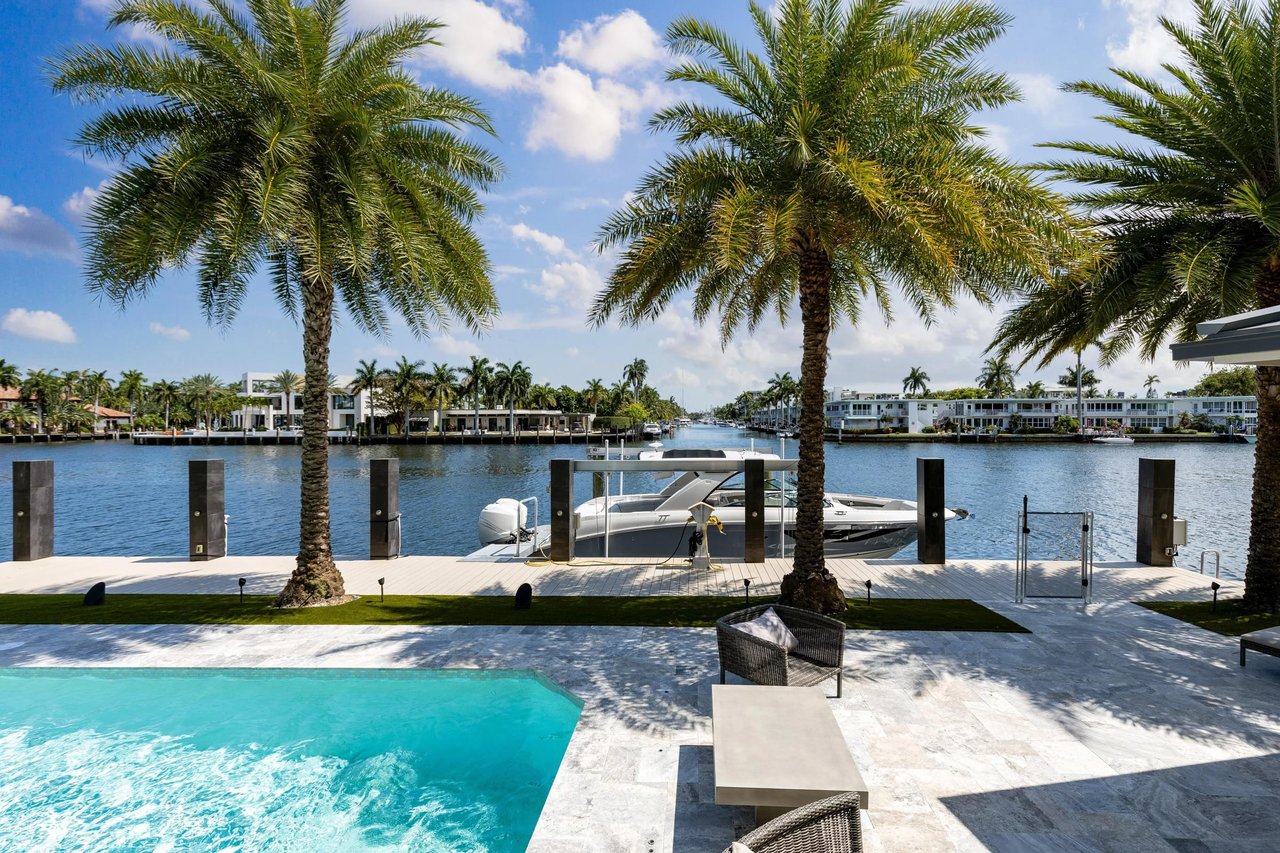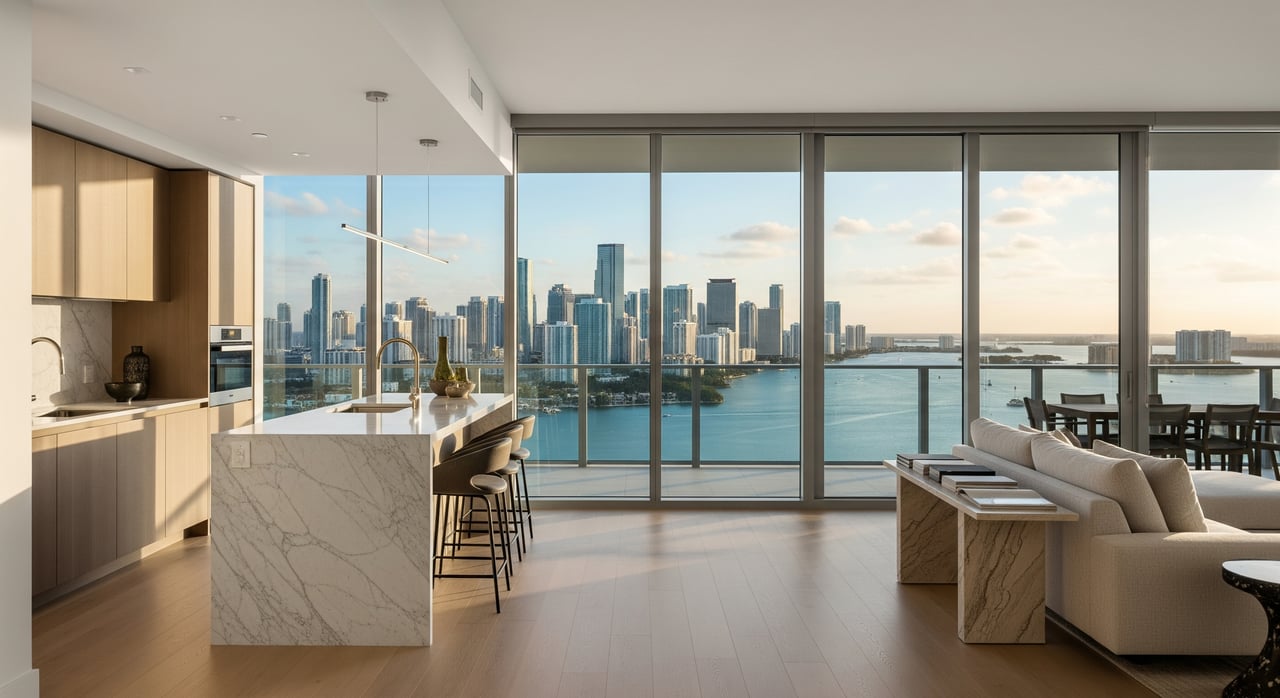
Thinking about reserving a pre-construction condo in Brickell? Between glossy renderings, amenity lists, and staged deposit schedules, it can be hard to separate signal from noise. You want a great home or investment in Miami’s financial hub, without surprises at closing. This guide shows you how to evaluate Brickell pre-construction projects with confidence, from developer due diligence to flood risk and rental rules. Let’s dive in.
Why Brickell pre-construction
Brickell is a dense, mixed-use neighborhood known for condo towers, walkable retail, Brickell City Centre, and quick transit via Metrorail and Metromover. The area attracts end-users and investors thanks to proximity to employment centers and steady rental demand from professionals and corporate leases. That mix shapes projects that are amenity rich and often priced with both homeowners and investor-buyers in mind.
As you compare towers, track both demand and supply. New announcements and active sites add inventory that can affect pricing and future rental vacancy. You can monitor the local pipeline by checking the Miami-Dade County Building and Permitting Department for permits and approvals.
Start with the developer and team
Your first filter is the developer’s track record and financial capacity. Look for completed projects that delivered the promised finishes and amenities, plus signs of strong banking or equity partners. Ask directly about any prior litigation, construction delays, or association disputes.
Also confirm the general contractor, architect, construction manager, and proposed property manager. A reputable team reduces execution risk and improves the odds your building delivers on time and to spec. For license history and complaints on contractors, search the Florida Department of Business and Professional Regulation.
What to verify
- Completed projects in South Florida and whether delivery matched the original specs.
- Construction lender details, escrow agent, and how buyer deposits are held and protected.
- Team roster: architect, GC, construction manager, and management company.
- Permit history and status through the Miami-Dade permitting portal; ask about the path to certificate of occupancy.
Read the condo documents
Before you commit, request the draft public offering statement, condominium declaration, and proposed budget. These documents tell you how the building will operate, what rules apply, and your monthly costs.
- Purchase contract: delivery dates, remedies for delay, deposit schedule, refund mechanics, change-order rules, upgrade pricing, dispute resolution.
- Condo declaration and bylaws: unit allocations, amenity rights, parking and storage, leasing limits, pet rules, and any phasing language.
- Budget and reserves: projected monthly assessments and reserve funding. Very low early dues can signal future special assessments.
- Plans and specs: net versus gross square footage, ceiling heights, appliance packages, and finish details. Confirm that marketing materials match the written specs.
If you want background on how Florida condos are governed, review the Florida Condominium Act (Chapter 718) and speak with a Florida real estate attorney for specific guidance.
Deposits and financing
Pre-construction deposits are typically paid in stages, starting with a reservation and followed by milestone deposits. Ask where deposits are held, who controls the escrow, and exactly when funds are refundable. Be cautious with large, nonrefundable sums or clauses that give the developer broad discretion to keep deposits if you cancel.
Financing a not-yet-complete condo is different from a resale. Many lenders require project approvals and a minimum presale percentage. Ask lenders whether the project will be eligible for conventional end-loans, whether they expect additional underwriting conditions, and how rate locks work over a long build. For consumer-friendly guidance on buying new construction, review the Consumer Financial Protection Bureau’s resources.
Model your carrying costs and taxes
Estimate your total monthly cost before signing. Review projected HOA dues and what they cover, including common-area maintenance, reserves, security, and any utilities. Ask how reserves will be funded and whether the initial budget is conservative.
For property taxes, new construction can have lower assessed values at first, followed by adjustments at or after closing. Check assessment mechanics and past comparables through the Miami-Dade Property Appraiser. If you plan to make the condo your primary residence, ask your advisor about homestead exemption eligibility and timing.
Low reserves or optimistic budgets can lead to special assessments after turnover. Request the reserve study if available, and press the sales team on budget assumptions for insurance, staffing, and utilities.
Climate, permits, and insurance
Brickell sits in a low-elevation coastal zone, so flood risk and building elevation matter. Identify the property’s FEMA flood zone designation and base flood elevation using the FEMA Flood Map Service Center. Then ask the developer for the first-occupied floor elevation, garage design, and how mechanical systems are protected. For longer-term context, explore sea-level scenarios in the NOAA Sea Level Rise Viewer and regional projections from the Southeast Florida Regional Climate Change Compact.
High-rise towers must meet the Florida Building Code, which includes stringent wind and impact-glazing requirements. Request the window and door specifications and the design wind speed. Insurance costs in Florida have risen, so understand the building’s master policy, deductibles, and what you are expected to insure separately. For permitting status and timing to certificate of occupancy, verify through the Miami-Dade County Building and Permitting Department.
Governance, rentals, and resale
Read the bylaws to understand voting rights, board powers, how assessments are set, and the timeline for owner control after developer turnover. If the project will be built in phases, confirm how amenities and parking are shared and whether later phases can change your costs.
If you are an investor or plan to rent at times, short-term rental rules are critical. Some buildings prohibit short-term rentals or cap the number of leases per year. Also review city-level rules and registration requirements through the City of Miami’s short-term rental guidance and make sure the building’s declaration aligns with your plan.
Resale value depends on quality, location within Brickell, view corridors, parking, amenities, and ongoing HOA fees. Unit orientation and floor height often influence demand. New supply nearby can pressure resale prices for earlier towers, so note what is coming to market during and after your build timeline.
Brickell buyer checklist
Use this quick list to keep your evaluation on track.
Before you sign
- Confirm developer identity, completed projects, and any litigation history.
- Request draft condo declaration, bylaws, budget, and reserve study.
- Get the deposit schedule and refund conditions in writing, including the escrow agent.
- Obtain floor plans, square footage method, parking and storage assignments.
- Ask for a list of lenders that expect to finance the project and any presale thresholds.
- Verify projected HOA fees and what is included.
- Check the site’s flood zone, base flood elevation, and planned elevation of living areas.
- Review construction schedule, definition of substantial completion, and remedies for delay.
- Ask about warranties and how to submit warranty claims after closing.
As you approach closing
- Hire a Florida real estate attorney experienced with new condos.
- Engage a lender early to secure the final loan approval.
- Order a title commitment and review exceptions.
- Confirm permit status and any outstanding code issues through the county.
- Review the recorded condo declaration, estoppel letter, and final budget after turnover.
- Schedule a pre-closing walk-through and document the punch list process.
Watch for red flags
- Vague, one-sided contracts with limited buyer remedies on delays or design changes.
- Deposits that are not clearly protected in escrow, or nonrefundable terms with narrow outs.
- Developers with few completed projects or a history of non-completion or poor workmanship.
- Budgets with very low monthly assessments or minimal reserves.
- No clear plan for parking, storage, or amenity allocation, especially in phased projects.
- Buildings in high flood-risk zones with ground-level mechanicals and no flood mitigation.
- Mandatory arbitration or restrictive clauses that limit your legal options.
Timeline and what to expect
A typical path is reservation, contract, staged deposits during construction, certificate of occupancy, and closing. Timelines vary by tower scale, foundation type, supply chains, weather, and inspections. Review the contract’s definition of substantial completion, delay allowances, and any liquidated damages or cancellation rights.
As construction progresses, stay in touch with the sales team and your lender. Ask for milestone updates, revised closing estimates, and how final finishes and punch lists will be handled. A steady cadence of updates helps you plan your move-in or leasing start date.
Work with a local advocate
Pre-construction can be a great way to secure a new, well-located home or an investment in Miami’s urban core. It also requires careful document review, realistic budgeting, and local knowledge of flood, insurance, and rental rules. If you want a second set of eyes on a Brickell tower, pricing, and documents, connect with a local team that knows the buildings, the lenders, and the timeline.
Have questions or want curated options? Reach out to Noel Barrientos for bilingual, high-touch guidance on Brickell pre-construction and a clear plan from reservation to closing.
FAQs
What is a typical deposit schedule for Brickell pre-construction condos?
- Many projects use staged deposits that begin at reservation and continue at construction milestones; always get the schedule and refund conditions in writing and confirm who holds escrow.
Will lenders finance a pre-construction condo in Brickell?
- Yes, but financing depends on project approval, presale thresholds, and condo underwriting; speak with lenders early to confirm end-loan availability and timing.
How do flood and sea-level risks affect a Brickell purchase?
- Flood zone and building elevation affect insurance costs and resilience; verify the site’s FEMA flood zone, ask about first-occupied floor elevation, and review mitigation details.
Are short-term rentals allowed in Brickell condos?
- Rules vary by building and city; check the condo declaration for leasing limits and confirm current City of Miami registration and enforcement requirements before assuming rental income.
What protections exist if a developer stalls or becomes insolvent?
- Protections come from your contract, escrow structure, and Florida condo law; have a Florida real estate attorney review deposit language, remedies, and any cancellation rights before signing.
How long from contract to closing for a pre-construction condo?
- Timelines vary by tower scale and permitting; common delays include foundation work, inspections, materials, and weather, so review contract delay clauses and ask for regular progress updates.