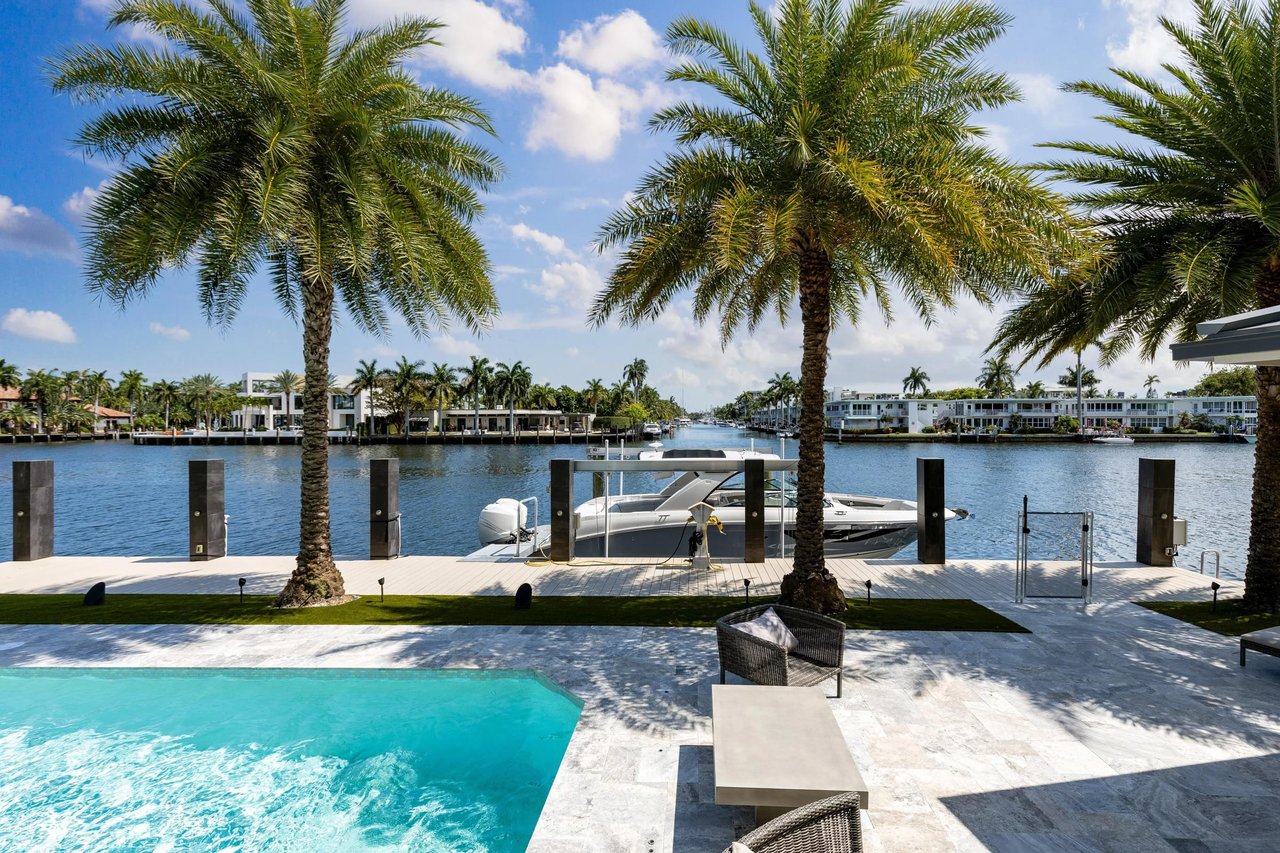
What is your home really worth in today’s Miami market? If you are thinking about a spring listing, you need more than an online estimate. You need a clear, data-backed price plan that reflects your home’s condition, your building or block, and current buyer activity across Miami‑Dade. In this guide, you’ll learn how a custom valuation is built, which Miami‑specific factors can move your price up or down, what to expect from a quick walkthrough, and how to get ready for a smooth launch. Let’s dive in.
Why a custom valuation matters this spring
Spring often brings stronger buyer activity across the Miami–Miami Beach–Kendall metro. Inventory and days on market can shift quickly by neighborhood and property type, especially between single‑family homes and condos. A tailored valuation helps you set a list price that matches current demand while leaving room for negotiation.
Miami pricing can be more volatile than other metros. Investor activity, international demand, and high-end waterfront inventory can move comps in short windows. A custom valuation focuses on the most relevant sales from the last 30–90 days and weighs active and pending listings that will compete with you right now.
If you are targeting a spring debut, you’ll want a valuation that also accounts for prep time. Repairs, staging, HOA or condo documents, and insurance quotes can take several weeks. A good plan looks ahead, so your pricing strategy is ready when buyer traffic peaks.
How your custom valuation is built
Core market data
- Recent closed sales that mirror your home’s type, size, and location
- Active and pending listings that show your immediate competition
- Days on market trends and price reductions in your micro‑area
- Seasonality and timing to hit the highest visibility window
Property‑specific factors
- Interior condition, updates, and systems: roof, A/C, electrical, plumbing
- Layout and functionality: bedroom/bath count, storage, flow
- Lot size and outdoor space; for condos, floor level, view, and parking
- Waterfront status, dock permits, seawall condition, and navigation access
- HOA or condo details: reserves, upcoming projects, rental rules, and assessments
Pricing strategy and timeline
Your price plan should outline a suggested list price, a recommended range, and an expected days‑on‑market window. It will also show how list price compares to nearby active listings and recent closings. If your goal is a faster sale, your agent may suggest a tighter price closer to recent comps. If you can allow more time, you might test the top of the range and watch showing feedback.
CMA vs. appraisal
A Comparative Market Analysis (CMA) is a market‑based opinion used to set a listing strategy. It blends the best comps, current competition, and local adjustments. A licensed appraisal follows strict standards and is typically used for lender underwriting. Your walkthrough valuation and CMA are not a formal appraisal unless you request one.
Miami‑specific value drivers and risks
Climate and water considerations
- Flood zones and elevation: FEMA designations and finished‑floor elevation affect insurance, financing, and buyer comfort. Higher-risk zones can raise costs and narrow the buyer pool.
- Sea level and tidal flooding: Buyers and insurers are paying more attention to long‑term exposure. Transparent disclosures and mitigation steps help your marketability.
- Storm readiness: Roof age, impact windows and doors, shutters, and generators can justify a higher price and reduce buyer objections.
Insurance and financing constraints
- Wind and flood insurance: Availability and cost vary by location and building. Clear estimates help buyers compare your home against others.
- Condo lending and investor rules: Owner‑occupancy ratios, reserves, litigation, and building health can limit the buyer pool and influence pricing.
- Special assessments: Large or pending assessments reduce net value for many buyers and must be factored into your price strategy.
Condo‑specific pricing factors
- Building financials and reserves, planned capital projects, and maintenance history
- Rental policies and any recent changes that affect owner demand
- Floor level, view corridor, balcony size, and hurricane impact protection
- Parking, storage, and on‑site amenities compared with similar buildings nearby
Single‑family and waterfront factors
- Lot orientation, canal or bay access, bridge clearance, and dock permits
- Seawall or bulkhead condition and recent repairs
- Outdoor living areas, pool condition, and landscaping quality
- Proximity to parks, marinas, dining, and key employment hubs like Brickell and Downtown
Micro‑location and daily life
- Walkability and access to transit options such as Metrorail and Metromover
- Commute times to employment centers and major arteries
- Neutral location factors such as proximity to schools, parks, and retail
- Noise or nuisance items like flight paths, nightlife clusters, or highway proximity
Condition and permitting
- Roof, A/C capacity, electrical panel and wiring, and plumbing material
- Moisture, ventilation, or mold repairs common in humid climates
- Stucco, metalwork corrosion, and salt‑air exposure near the coast
- Verified permits for major updates; unpermitted work can reduce price and delay closing
What to expect from a walkthrough
A quick walkthrough, typically 20–60 minutes, lets your agent match market data to your home’s real condition and features.
During the visit
- Exterior review: curb appeal, roof condition, driveway, landscaping, pool, dock, seawall
- Interior review: layout, finish quality, bedroom/bath count, systems, and visible issues
- Notes and photos (with your approval) to support comps and future marketing
- Quick measurements to confirm square footage if needed
- Conversation about your timeline, upgrades, permits, and any rental history
What to prepare
- Recent utility bills and your property tax bill
- A list of upgrades with dates and permit copies
- HOA or condo documents, including budget, reserves, and meeting summaries
- Any recent appraisal, survey, inspection, or engineering reports
- Rental or occupancy history if the property has been leased
What you receive after
- A written CMA with a comp grid and clear adjustments
- A recommended list price, a price range, and a timing strategy
- A short pre‑list checklist for repairs, touch‑ups, and light staging
- An estimated net sheet that outlines likely closing costs and prorations
- A suggested launch window that aligns with local seasonality
Timeline to list this spring
- 6–8 weeks out: Schedule your walkthrough and valuation. Pull condo or HOA documents and gather permits and upgrade lists.
- 4–6 weeks out: Tackle quick repairs, light paint, and exterior clean‑up. Order photos once ready.
- 2–3 weeks out: Finalize list price and disclosures. Confirm insurance quotes and association docs for buyers.
- 1 week out: Launch marketing, syndicate to the MLS and portals, and prepare showing instructions.
- Live week: Start showings, monitor feedback, and adjust pricing or terms if needed based on activity.
Data sources and reality checks
A strong valuation starts with MLS data for closed, pending, and active listings. County tax records help confirm parcel details, lot size, and recorded sales. For flood risk, FEMA maps and elevation data are essential, and an elevation certificate is useful for higher‑risk parcels. For condos, association budgets, reserves, and meeting minutes help reveal assessments and upcoming projects.
Every data source has limits. MLS may not capture private or certain new‑construction closings. County records can lag recorded deeds. Automated online estimates often miss the mark for unique, waterfront, or heavily renovated homes. Your valuation should cross‑check multiple sources and focus on the most recent, relevant comps in your micro‑market.
Take the next step
If you want a clear price for a spring launch, start with a fast, custom valuation and walkthrough. You will get a data‑backed CMA, a suggested list price and range, a net sheet, and a simple prep plan. We work across Miami‑Dade and can provide bilingual support in English and Spanish. To schedule your valuation or ask a quick question, connect with Noel Barrientos.
FAQs
How accurate is a Miami agent’s valuation?
- It is a market‑based opinion grounded in recent comps and local expertise. Accuracy improves with more comparable sales and fewer unique features. It is not a lender appraisal.
What is the best time to start for a spring listing in Miami‑Dade?
- Begin your valuation and prep 4–8 weeks before your target launch to allow time for repairs, staging, photos, and HOA or condo documents.
Will flood risk hurt my home’s resale value in Miami?
- It can narrow the buyer pool and raise insurance costs. Clear disclosures, mitigation features, and the right price adjustments help maintain competitiveness.
How much do renovations add to my Miami sale price?
- Kitchens, bathrooms, and hurricane‑ready upgrades often perform well, but returns depend on your micro‑market and finish quality. Your CMA will show the premium in recent comps.
Do I need a formal appraisal before I list in Miami?
- For listing strategy, a broker CMA is common. A licensed appraisal is useful if you need an independent opinion for financing or if there are few comparable sales.