Pricing your home in Palmetto Bay is both an art and a science. Price too high and your listing sits while buyers scroll past. Price too low and you risk leaving money on the table. If you want a smooth sale and strong net proceeds, you need a plan tailored to this village’s unique mix of inland and waterfront homes.
In this guide, you’ll learn the local factors that move value in Palmetto Bay, how to build a rock‑solid pricing foundation, which strategies work best in today’s market, and the exact checklist to get listing‑ready. Let’s dive in.
What drives value here
Waterfront vs. inland
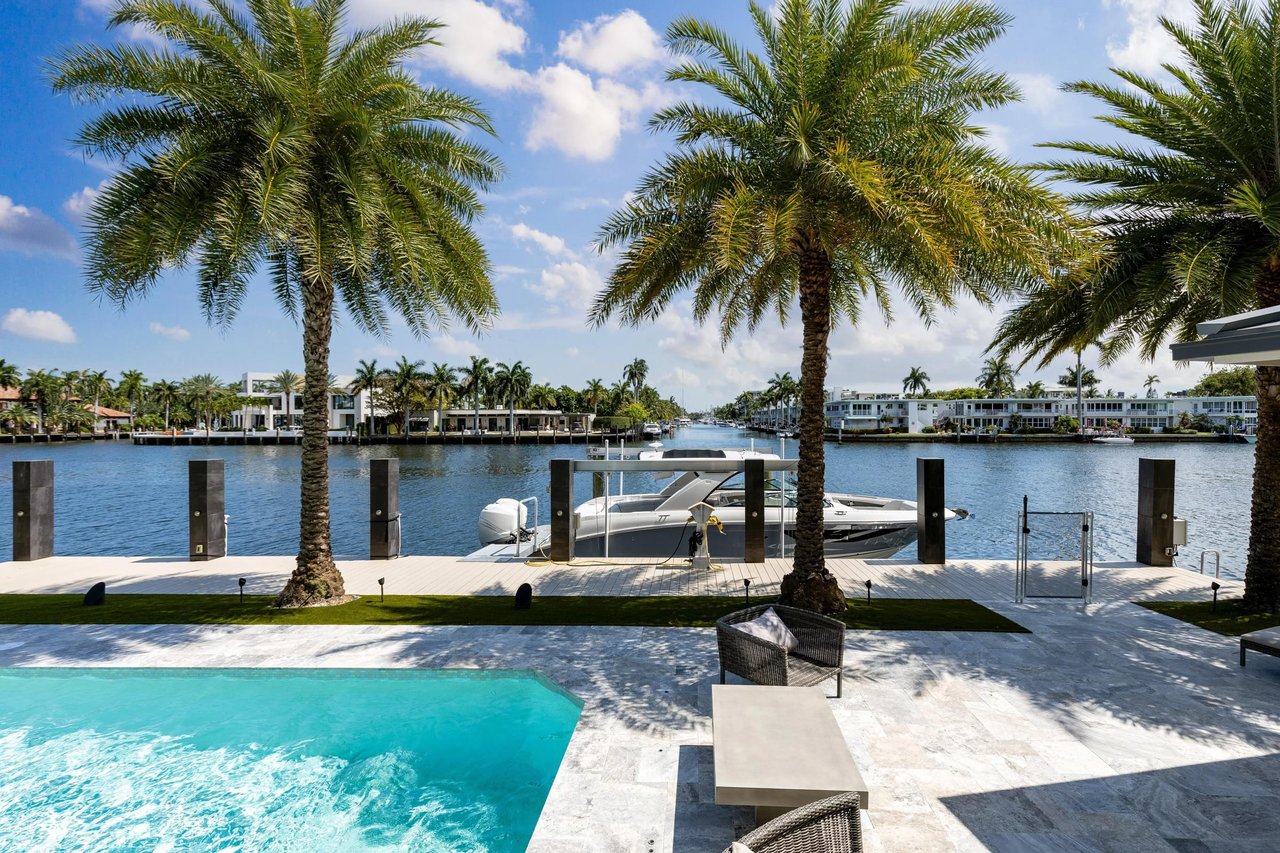
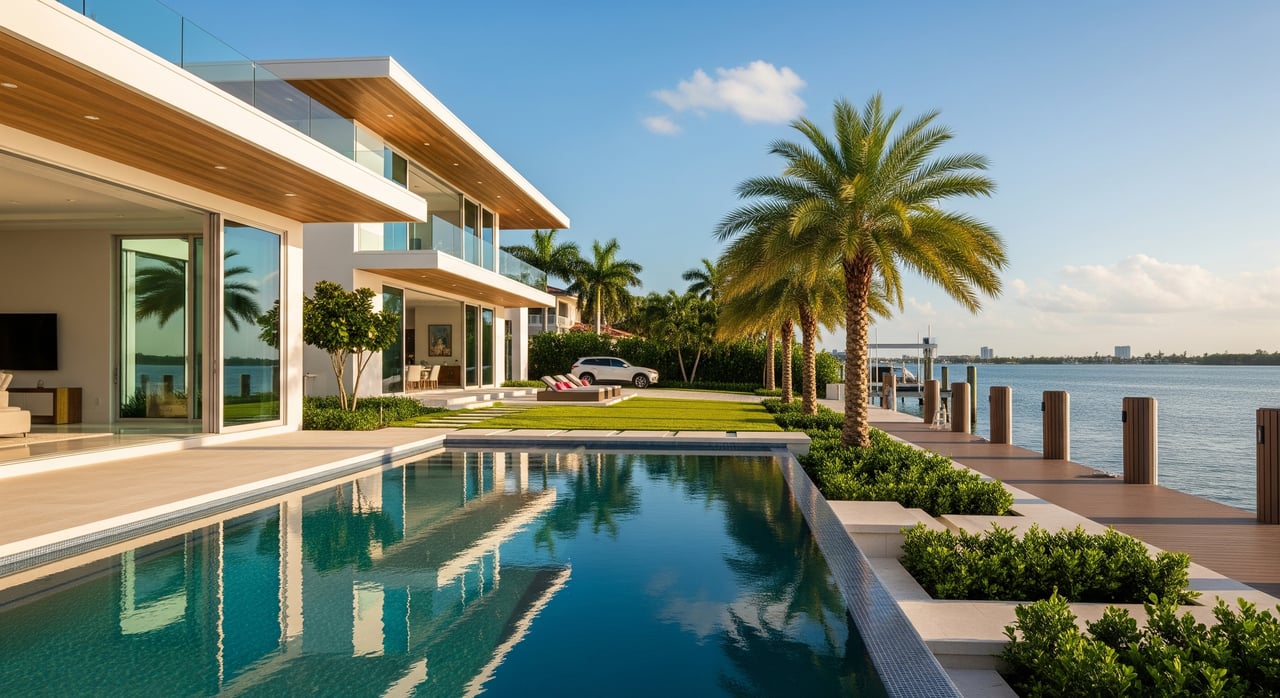
Palmetto Bay spans inland neighborhoods and properties along Biscayne Bay and its canals. Waterfront and canal homes require their own comparable sales set because details like canal width, direct bay access, bridge or tidal limits, and dock condition can change value significantly. Mixing waterfront and non-waterfront comps almost always distorts your price.
Lot size and layout
Larger lots and privacy are major draws for family buyers. Functional layouts, usable square footage, and features like a pool or covered outdoor space can widen your buyer pool. Storage, garage capacity, and flexible rooms also influence perceived value.
Flood zone, elevation, and resilience
Buyers look closely at FEMA flood zones and elevation. Homes in higher-risk zones may face higher flood insurance costs and smaller buyer pools. Hurricane-ready features like newer roofs, impact windows or shutters, elevated systems, and generator capability can support stronger pricing.
Location and daily life
Proximity to parks and community services is a plus for many buyers. Access to US‑1 and SR‑874 for commuting to Coral Gables, downtown Miami, or the airport also matters. Keep language factual when referencing schools and note proximity instead of quality claims.
Ongoing costs and rules
Property taxes and eligibility for Florida’s homestead exemption affect carrying costs for owner-occupants. Insurance, especially flood and windstorm, can be substantial in coastal South Florida. If your neighborhood has a homeowners association or deed restrictions, those policies can influence buyer preferences and pricing.
Build your pricing foundation
Use the right comps
Start with 3 to 6 recent closed sales from the past 3 to 6 months. Segment your comps by property type and location: waterfront, near-water, and inland. Add pending sales and current active listings for context, but rely on closed sales when estimating value.
Make clear adjustments
After you select the best comps, adjust for meaningful differences:
- Home size, bed/bath count, and functional layout
- Lot size and any waterfront access or dock features
- Renovations and mechanical updates, including kitchen and baths
- Year built and any permitted additions
- Pool presence and condition
- Garage, parking, and storage options
- Energy systems and hurricane protections
Use price per square foot carefully
Price per square foot can help as a cross-check, but only within similar product types. It is far more reliable to compare a 3-bedroom inland ranch to similar inland ranches than to compare it to a waterfront 4-bedroom home.
Track inventory and absorption
Months of inventory helps gauge leverage. Lower inventory can support firmer pricing. Higher inventory suggests buyers have options and pricing should stay close to market value or include strategic incentives.
Watch days on market
Rising days on market often signal softening demand. Shorter days on market point to stronger buyer activity. Use this trend to set your initial price and plan when you will review and adjust.
Plan for appraisal realities
If your buyer uses a mortgage, the lender will order an appraisal based on comparable sales. Listing far above recent comps can create appraisal gaps that force renegotiation or, in some cases, cause the deal to fail. Pricing near demonstrated market value can reduce that risk.
Choose a pricing strategy
Market value pricing
List near the fair market value indicated by your comps and condition. This approach attracts qualified buyers early, supports clean appraisals, and can still deliver a strong final price if demand is steady.
Slight underpricing
Pricing a bit below market can increase showings and generate multiple offers when inventory is tight and demand is strong. Have a clear plan for how you will evaluate competing offers beyond price.
Premium pricing
Listing above market to test the ceiling can work when time is not a constraint and you are prepared for longer days on market and possible price reductions. If you choose this route, set a review date to adjust based on real-time feedback.
Price banding
Buyers commonly search in round-number bands. Positioning your list price to sit within the right band increases visibility. Avoid small increases that push your home into a higher search bracket with fewer active buyers.
Avoid the overpricing trap
Overpricing often leads to fewer showings, longer days on market, and a stale listing that needs multiple reductions. Buyers may assume something is wrong with the property. Even if you secure an offer, it may not appraise, which means renegotiations or cancellations.
Seller checklist for Palmetto Bay
Use this practical list to prepare your price and your launch.
- Gather data and documents
- Closed sales, pending and active listings from the past 6 to 12 months segmented by waterfront vs. inland
- Lot dimensions, square footage, year built, and permits for any additions
- Upgrade receipts for roof, HVAC, windows, kitchen, and baths
- Flood zone information and any elevation certificate
- HOA or deed restriction documents if applicable
- Assess condition
- Do a pre-listing walk-through or inspection to identify material repairs and a punch list
- Get pricing opinions
- Obtain a broker price opinion or multiple CMAs from experienced Palmetto Bay agents
- Build your seller net sheet
- Estimate proceeds under different price points including commissions, taxes, title and closing fees, mortgage payoff, and possible concessions
- Decide your strategy and contingency plan
- Select your pricing approach and set a rule for when to review price and what triggers a reduction
- Marketing readiness
- Stage key rooms and outdoor areas and invest in professional photography
- Prepare accurate measurements and clear disclosures
- Prepare buyer-facing materials
- Permits, maintenance records, roof and HVAC ages, flood and elevation info, and neighborhood amenities
Flood and insurance basics
Flood zone and elevation impact both buyer confidence and affordability. Here is how to address them when pricing.
- Identify your flood zone and, if available, your elevation certificate. Buyers and insurers will ask for this.
- Contact insurance providers for current flood and windstorm premium estimates based on your property profile. These costs affect a buyer’s monthly budget and can influence offer strength.
- Highlight resilience features like impact windows, newer roof, and drainage improvements in your listing remarks. Buyers value tangible risk reduction.
Timing and launch plan
Seasonality in South Florida often favors late fall through spring, though interest rates and local inventory matter more than the calendar. What you can control is your readiness and the quality of your launch.
- Choose a list date that gives you time for staging, photography, and complete disclosures.
- Go live when you can accept showings promptly at peak viewing times.
- Set a clear review window. For example, if you do not receive strong interest within the first 14 to 21 days, be prepared to adjust price or improve presentation.
Evaluate offers beyond price
When multiple offers arrive, compare the whole package.
- Financing: cash vs. loan, down payment strength, and lender reputation
- Appraisal contingency: flexibility if the appraisal comes in low
- Inspection terms: repair caps or credits and time frames
- Closing timeline: alignment with your move and potential leaseback needs
- Escrow deposit: size and default terms
How we help you price right
You deserve clear data and a strategy matched to your goals. A local advisor with Palmetto Bay experience will segment waterfront and inland comps correctly, account for flood and insurance considerations, and position your home within the right price band to maximize exposure.
With a digital-first approach, bilingual communication, and concierge marketing, The MIA Home Group delivers the blend of hands-on service and wide online reach you need. From pre-list inspections and staging to negotiation and appraisal management, you get a plan that protects your time and your bottom line.
Ready to price your Palmetto Bay home right and move with confidence? Connect with Noel Barrientos for a tailored pricing consultation.
FAQs
How long does it take to sell a Palmetto Bay single-family home?
- Timelines vary with inventory and demand; watching recent days-on-market for similar nearby homes offers the best clue to your expected timeline.
How do flood zones affect Palmetto Bay pricing?
- Higher-risk zones can raise insurance costs and narrow the buyer pool, so listings in those areas often need sharper pricing or enhanced resilience features to compete.
Should I price by price per square foot in Palmetto Bay?
- Use price per square foot only as a cross-check within very similar home types because the mix of waterfront and inland properties can make simple averages misleading.
Which upgrades matter most to Palmetto Bay buyers?
- Buyers often value newer roofs, impact windows or shutters, updated HVAC, modern kitchens and baths, and well-maintained pools and outdoor areas.
Is it better to make repairs or offer credits before listing?
- If a repair materially improves first impressions or solves a likely inspection issue, completing it before listing can support stronger pricing and smoother negotiations.
When should I reduce my list price if activity is slow?
- If showings and inquiries are weak in the first 14 to 21 days and feedback points to price, consider a defined reduction rather than multiple small cuts.