Welcome to
39,904 people live in Brickell, where the median age is 39 and the average individual income is $101,989. Data provided by the U.S. Census Bureau.
Total Population
Median Age
Population Density
Average individual Income
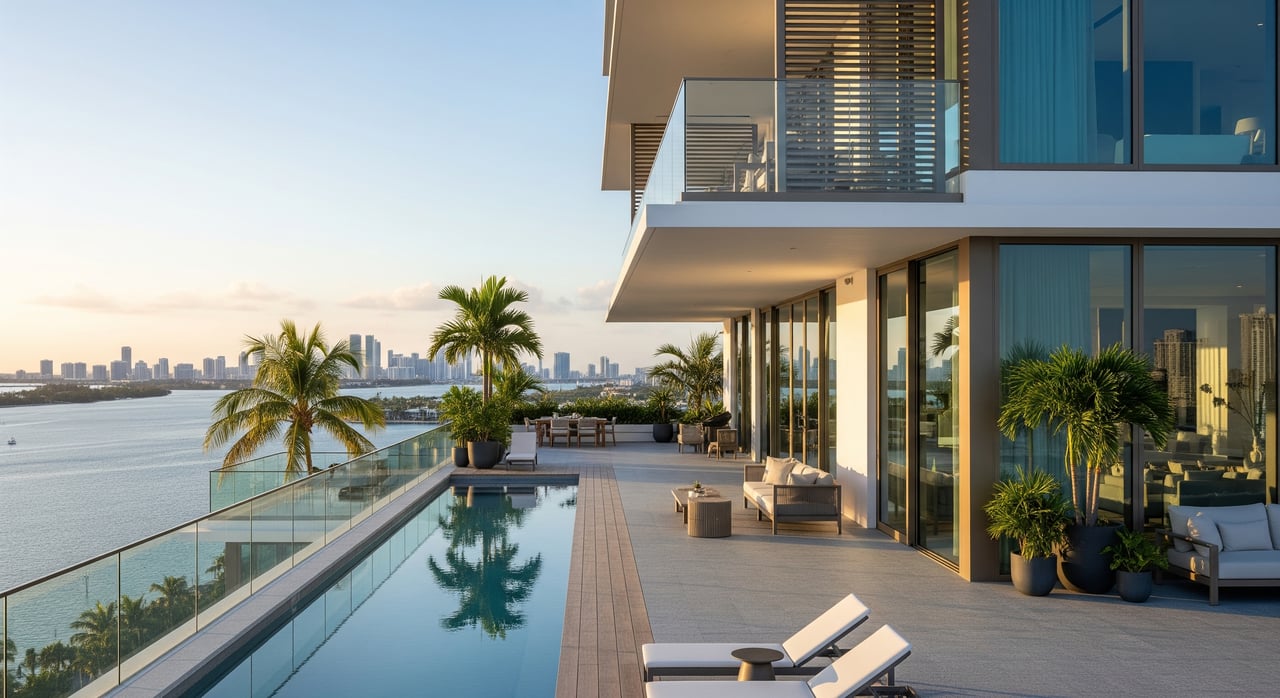
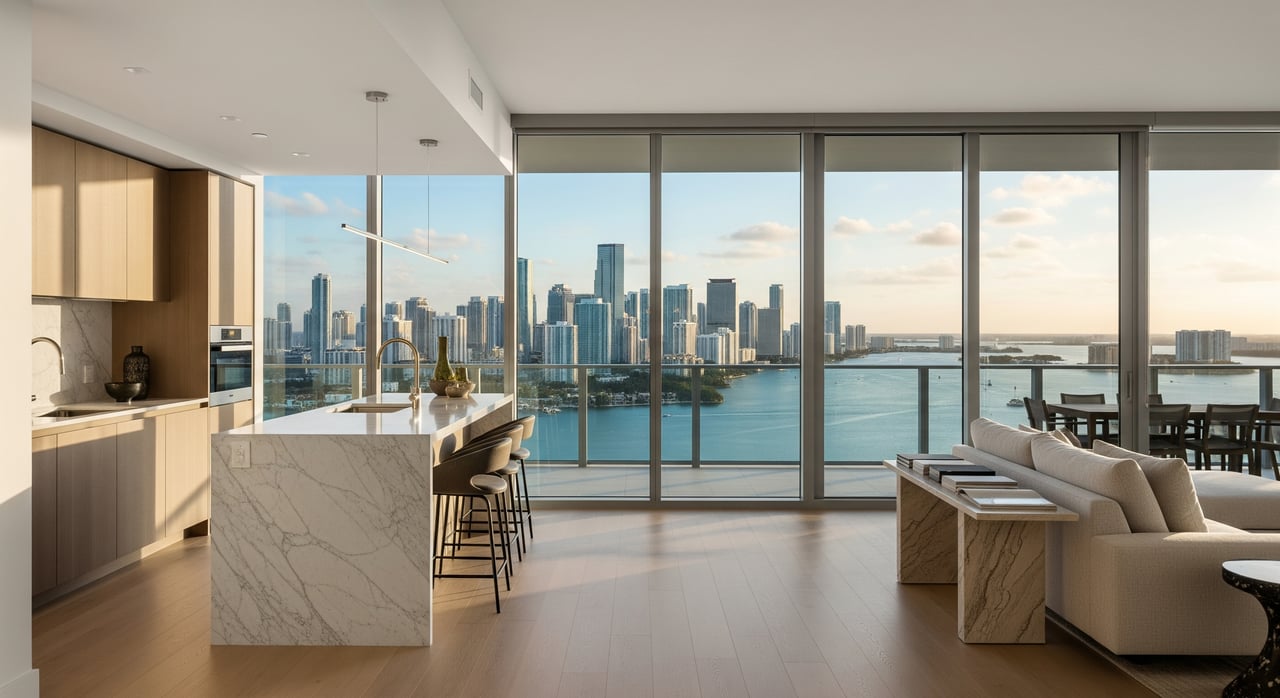
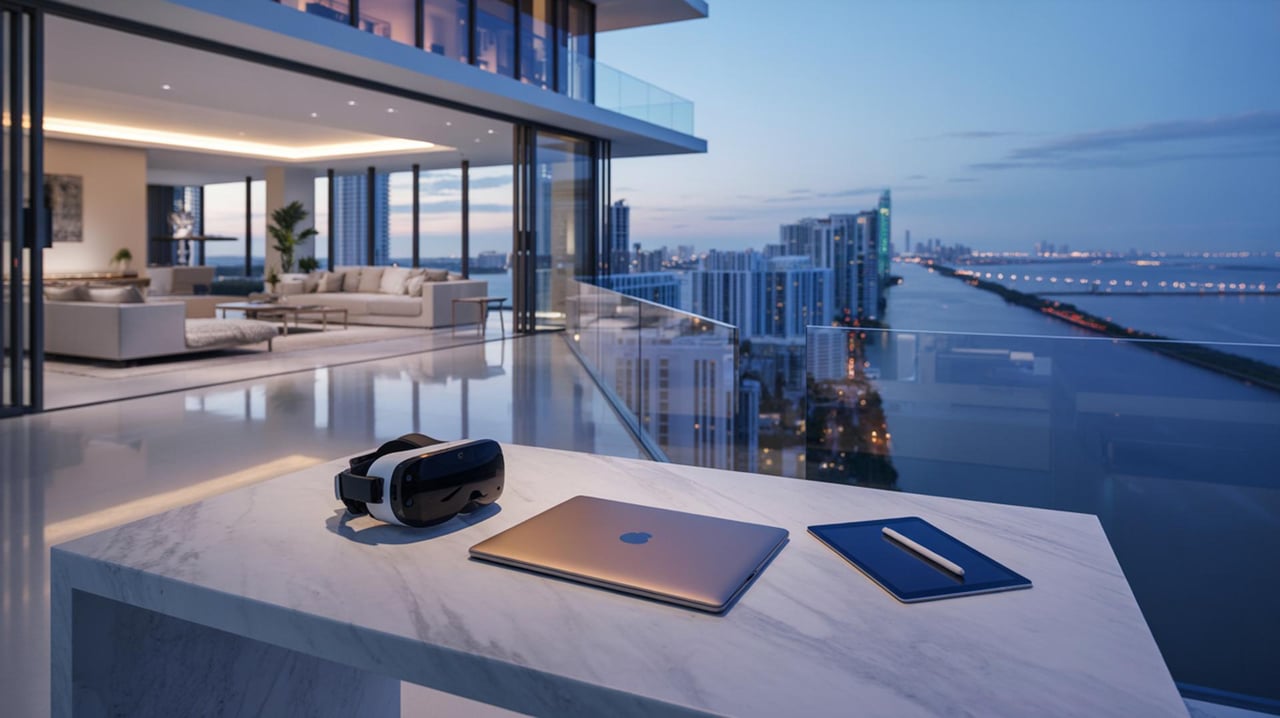
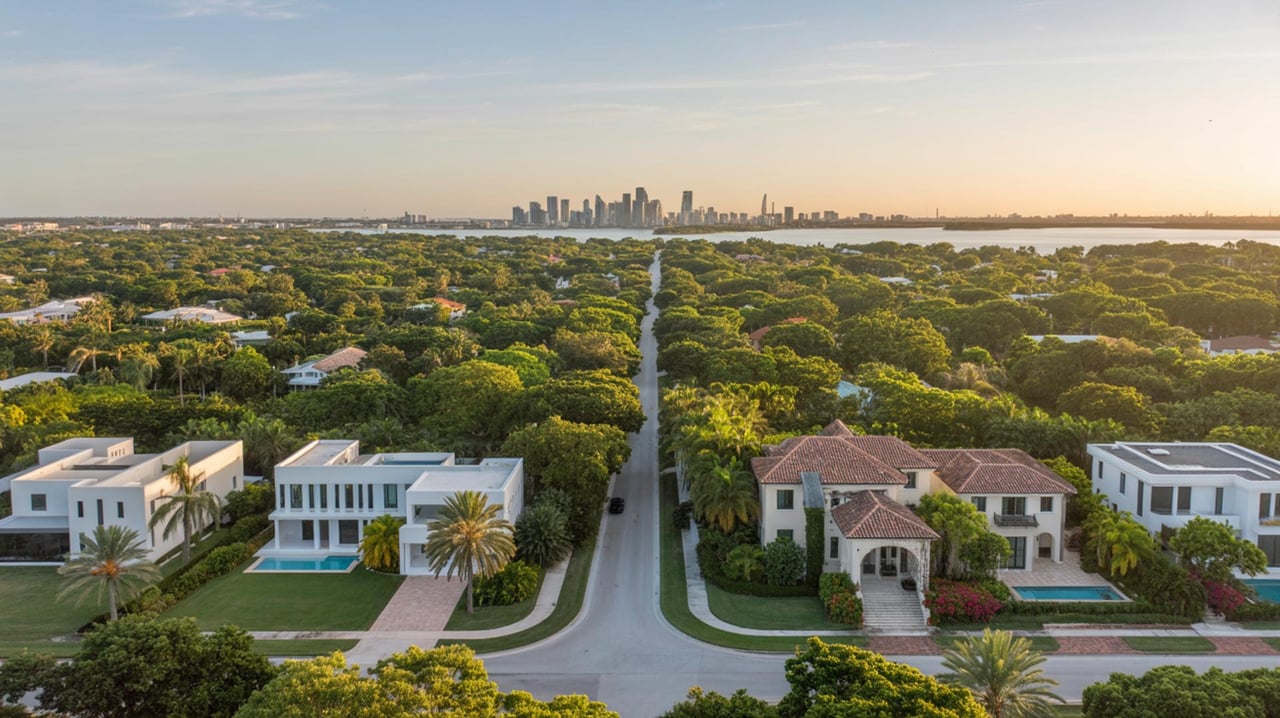
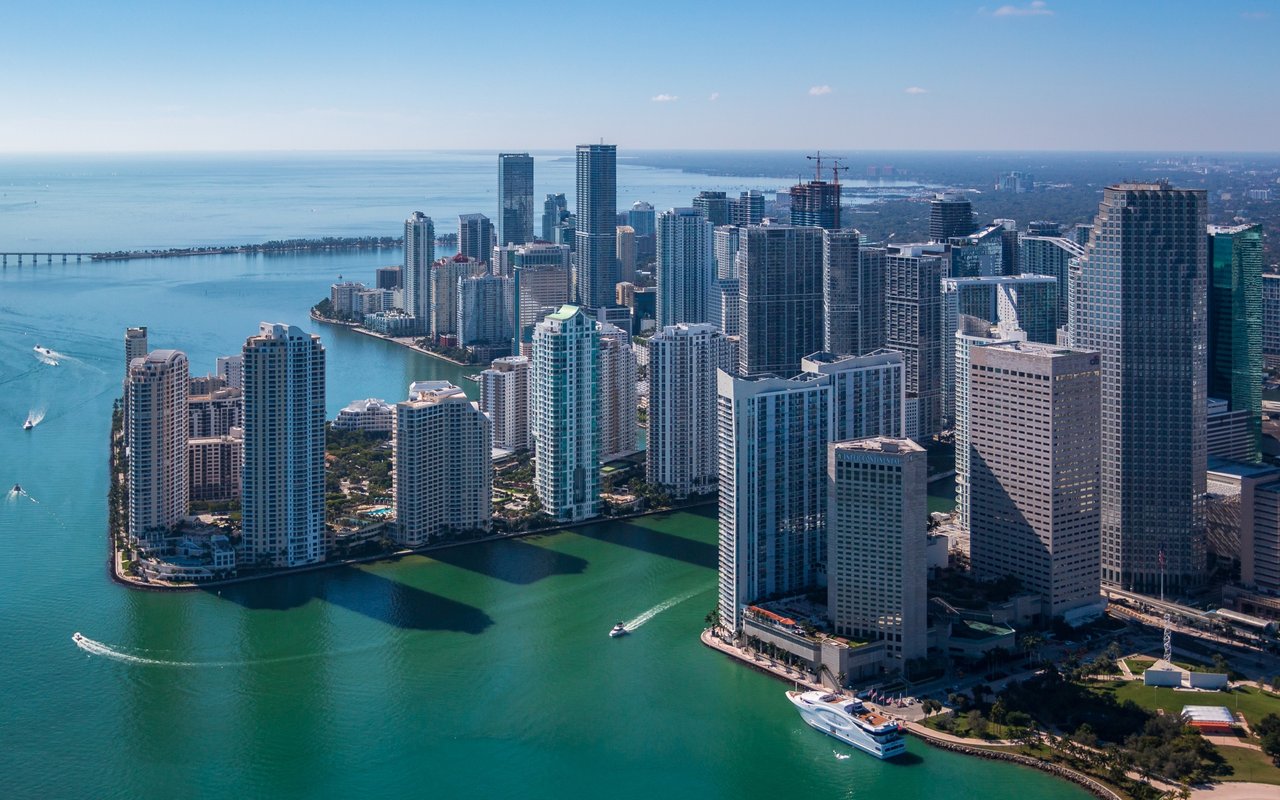
Brickell is Miami's financial core, and in 2026, it functions as something closer to a vertical city-within-a-city than a traditional neighborhood. Stretching along the western shore of Biscayne Bay just south of Downtown, it is defined by glass supertall towers, walkable streets, a legitimate transit network, and a resident base drawn from hedge funds, tech firms, and international capital markets. People sometimes compare it to a tropical Manhattan, and while that shorthand is imprecise, it captures the essential character: dense, ambitious, high-earning, and perpetually under construction.
What makes Brickell distinct from Miami's other high-profile corridors is its dual identity. During the day, it runs on finance and law. After hours, it runs on some of the most serious dining and nightlife in South Florida. The result is a neighborhood that attracts driven professionals who want to walk to work, walk to dinner, and never think about a car — alongside international investors who want a globally recognized address for their North American capital.
Brickell is not for everyone. There are no single-family neighborhoods to speak of, no quiet cul-de-sacs, and no beaches within the zip code. What it offers is urban density done exceptionally well, with a growing infrastructure of parks, schools, and transit that has made it viable for families as well as singles. If you are drawn to high-rise living, walkable urbanism, and a neighborhood that takes itself seriously as a global address, Brickell warrants a close look.
As of early 2026, Brickell has moved out of the frenetic seller's market of 2021 and 2022 and into a more measured, inventory-rich environment that favors buyers with patience and discipline. The fundamentals of the neighborhood remain strong, but the pace of the market has slowed considerably.
Properties are sitting on the market for an average of 113 to 124 days before going under contract, and the vast majority of sales — approximately 91% — are closing below list price, typically in the range of 5 to 7% under asking. Multiple-offer situations are rare outside of the most coveted new builds. Inventory currently sits at roughly 17 months of supply, which places Brickell firmly in buyer's market territory by conventional measures.
On pricing, the market breaks down roughly as follows. Standard one- and two-bedroom condos in legacy towers trade in the $550,000 to $950,000 range. Luxury and branded residences run from $1.25 million to $5 million or more. Ultra-luxury penthouses in trophy towers like the St. Regis or Cipriani can exceed $15 million, and pre-construction pricing at the top of the market continues to push higher as those buildings near completion.
For buyers, this is a window. For sellers in older buildings, it requires a realistic recalibration.
The dominant trend shaping Brickell's market right now is a structural divide between two distinct eras of construction — and the gap between them is widening.
On one side are the legacy towers built between roughly 1990 and 2010. These buildings are contending with rising HOA fees, mandatory reserve funding under Florida's updated SB 154 condo safety laws, and insurance premiums that have climbed sharply in recent years. Buyers are approaching them cautiously, and prices in this segment have softened, with year-over-year declines estimated at 4 to 6% in early 2026.
On the other side are the new-wave branded residences — towers carrying the design language of Dolce & Gabbana, Bentley, Cipriani, and the St. Regis — which command a 20 to 30% premium over resale and are experiencing a different market dynamic entirely. Buyers who secured pre-construction pricing in projects like Baccarat Residences or the St. Regis are already sitting on meaningful paper gains as those towers approach delivery.
A second major trend is the completion of The Underline, a 10-mile linear park running beneath the Metrorail. The final phases are reaching completion in 2026, and properties within easy walking distance of an Underline access point have seen measurable value lifts as walkability and transit-adjacent living have become primary selling criteria for the tech and finance professionals driving demand.
The broader appreciation story has normalized. After years of double-digit gains, the market has corrected back toward sustainable levels. Long-term fundamentals — Brickell's status as the anchor of South Florida's financial industry, sustained international demand, and limited land supply — remain intact.
New construction in Brickell in 2026 is almost entirely concentrated in the ultra-luxury branded residence category. Developers are not building commodity product. They are building ecosystems of service, and the price point reflects it.
Who's building: Related Group remains the most prolific developer in the market, with Baccarat Residences currently under construction and targeting a 2028 delivery. OKO Group recently completed Una Residences, which has set a new benchmark for the South Brickell waterfront. Fortune International and JDS Development are active with high-concept projects including Mercedes-Benz Places and The Residences at 1428 Brickell, the latter notable for its solar-powered infrastructure and technology integration, both targeting 2027 to 2028 completions. The hospitality-blended model — buildings that operate with the service standards of a five-star hotel — is represented by Cipriani Residences and the Mandarin Oriental on Brickell Key.
What to expect on price: New construction starts at approximately $1,100 to $1,500 per square foot, with ultra-luxury towers pushing $2,500 and above. Buyers can expect to pay a 20 to 30% premium over comparable resale inventory. Several towers are delivering in 2026 — Lofty and Viceroy among them — while the most anticipated projects are still 18 to 24 months from completion.
The practical consideration: Buying pre-construction in this market requires careful underwriting. The premium is real, but so is the wait. Buyers who entered early on the best projects have been rewarded. Those entering now at second- or third-tier pricing should model their expectations accordingly.
Brickell remains Miami's strongest rental market, and the underlying reason is straightforward: it is where the jobs are. The concentration of financial services, law firms, and technology companies operating in what has been dubbed "Wall Street South" creates sustained, year-round demand from high-earning renters who want to live close to work.
Rental yield: Gross rental yields in Brickell currently run between 5% and 7%. The spread depends significantly on building age, unit condition, and whether the building permits short-term rentals.
The short-term rental play: Buildings with liberal rental policies — Lofty Brickell and Domus are prominent examples — allow owners to capture premium nightly rates from business travelers, often outperforming what a traditional 12-month lease would generate. This is a legitimate strategy, but it comes with trade-offs: transient traffic, higher management demands, and buildings that feel more like hotels than residential communities.
Appreciation: The appreciation story has bifurcated. Legacy towers built between 1990 and 2010 are experiencing stagnant or slightly declining values as HOA assessments and insurance costs erode returns. Meaningful appreciation is concentrated in pre-construction positioning in top-tier projects. Investors who got in early on Baccarat or the St. Regis at first-tier pricing are sitting on significant paper gains.
Fix and flip: High carrying costs — insurance, taxes, and HOA — compress margins quickly. The investors finding success in this strategy are targeting distressed units in premium locations like Brickell Key, executing high-end cosmetic renovations, and positioning the finished product for buyers who want the address and the floor plan of a legacy tower without the price point of a new build.
One practical note on unit selection: as the neighborhood has densified, parking has become a genuine differentiator. Units with two assigned self-park spaces — as opposed to valet-only or unassigned parking — command a meaningful premium in both resale and rental markets.
Buying in Brickell in 2026 is less a competition and more an exercise in due diligence. With inventory elevated and most properties sitting for four months or more, buyers have time to be thorough — and thoroughness matters more here than in almost any other Miami market.
What the process looks like: The single most important step in a Brickell purchase is a deep financial audit of the condo association. Florida's SB 154 legislation — which mandates Structural Integrity Reserve Studies and Milestone Inspections for buildings over a certain age — is now fully in effect. A building with an underfunded reserve is a liability that may not show up in the purchase price but will absolutely show up in your HOA fees or as a five-figure special assessment shortly after closing. The Condo Document Review contingency has become the most critical clause in any Brickell contract.
Property types: Glass-tower condos represent roughly 95% of the market. Within that category, the key distinctions are between legacy inventory (older floor plans, often larger square footage, higher carrying costs), branded residences (newer, premium amenities, higher purchase price), and the more secluded towers on Brickell Key, which offer a quieter, island-like setting and floor plans that newer buildings rarely match on square footage.
Competitiveness: Moderate overall. Standard units sit. The exception is well-priced inventory in post-2020 buildings with strong reserve funding and low carrying costs — those units still move with some urgency.
Negotiating leverage: Use carrying costs as your leverage point, not just list price. In buildings where monthly HOA and insurance are genuinely elevated, a buyer can often negotiate 8 to 10% below asking precisely because the carrying cost story limits the buyer pool. Sellers in older towers are motivated.
The rent-versus-buy calculation in Brickell in 2026 is more nuanced than in most Miami neighborhoods, and the answer depends heavily on your time horizon and your tolerance for variable ownership costs.
The case for renting: For anyone planning to be in Miami for fewer than five years, renting is the mathematically stronger position. Median rents for a standard one- to two-bedroom run between $3,200 and $4,500 per month. When you add 2026 insurance premiums and HOA dues to a mortgage payment on a comparable unit, monthly ownership costs frequently exceed rental costs. Renters are also entirely insulated from the special assessments currently hitting legacy towers — costs that can run $30,000 to $50,000 or more per unit. Brickell's price-to-rent ratio in many pockets exceeds 20, which by conventional measures signals that the market is expensive to own relative to local rents.
The case for buying: For high earners relocating from New York or California, Florida's absence of a state income tax makes the forced savings component of a mortgage payment considerably more attractive, even with elevated carrying costs. More practically, if you want to live in a modern, amenity-rich tower with biometric entry, EV charging, and AI-managed building systems, buying is often the only realistic path — these units rarely appear in the rental market. And for buyers with a 10-year horizon in a top-tier building with fully funded reserves, Brickell's long-term fundamentals justify ownership as a wealth-preservation strategy.
The dividing line is five years. Under that threshold, rent. Beyond it, and with the right building, buying makes a compelling case.
Moving to Brickell from another city? Here is what to orient yourself around before you sign a lease or a contract.
Choose your micro-neighborhood first. The North Core, centered around Brickell City Centre and Mary Brickell Village, is the most active pocket — closest to nightlife, restaurants, the Metromover, and the financial district. South Brickell, running toward Coconut Grove, is quieter and more spacious, with older towers that trade floor plan size for modern amenities. Brickell Key sits offshore on a man-made island connected by a single bridge. It offers a 1.1-mile waterfront jogging path, a genuinely secluded feel, and a small community of residents who value privacy over convenience.
Transit is the neighborhood's competitive advantage. The Metromover is free and runs every 90 seconds during peak hours, connecting Brickell to Downtown, Whole Foods, Publix, and the Brightline terminal at MiamiCentral, where you can board high-speed rail to Fort Lauderdale, West Palm Beach, and Orlando. The Metrorail provides direct service to Miami International Airport. The Underline, completing its final phases in 2026, gives residents a safe, shaded path by foot or bike all the way to Coconut Grove and Coral Gables.
Brickell is bayfront, not beachfront. Key Biscayne and South Beach are 15 to 20 minutes by car. This is an important lifestyle calibration if a beach walkout is part of your vision.
Schools are stronger than the neighborhood's historical reputation suggests. Southside Preparatory Academy, a K-8 public magnet with a Museum Magnet program, is the neighborhood anchor. KLA Academy serves pre-K through Grade 5 in a Reggio Emilia-inspired environment. iPrep Academy, a nationally recognized 9 to 12 magnet school just north in Downtown, is a viable path for older students, though admission is competitive.
Essential utilities: Florida Power & Light handles electric service. Most Brickell towers are wired for fiber internet through Hotwire or AT&T. Water is managed by the City of Miami and is typically included in your HOA if you are a condo owner.
Brickell's resident population is approximately 45,000 in 2026, with a median age of 37. The community is genuinely diverse in its composition, unified primarily by professional ambition and a preference for urban, walkable living.
The neighborhood's largest cohort is the global professional — hedge fund analysts, attorneys, tech entrepreneurs, and finance executives who relocated from New York, Chicago, São Paulo, or Bogotá. For this group, Brickell is a practical choice: short commute, legitimate social infrastructure, and a tax environment that compares favorably to the cities they left.
A growing second segment is what might be called the urban family. The completion of The Underline's family-oriented amenities, the expansion of elite preschool options, and the availability of larger three-bedroom units in South Brickell and Brickell Key have made the neighborhood increasingly viable for couples with children who want city living without relocating to the suburbs.
International part-time residents — primarily from Brazil, Colombia, Mexico, and Venezuela — make up a significant portion of ownership. Many units sit vacant for extended periods or are managed as high-end short-term rentals, which contributes to the neighborhood's investment profile and its condo-hotel culture.
There is also a contingent of what you might call active urbanist retirees — high-net-worth individuals who traded a large house in a quiet suburb for a walkable urban environment where every amenity is within a five-minute walk. They are not the neighborhood's loudest voice, but they are consistent buyers in the larger-unit segment.
Brickell's skyline is effectively a visual record of Miami's economic cycles, with each boom leaving its architectural signature on the waterfront.
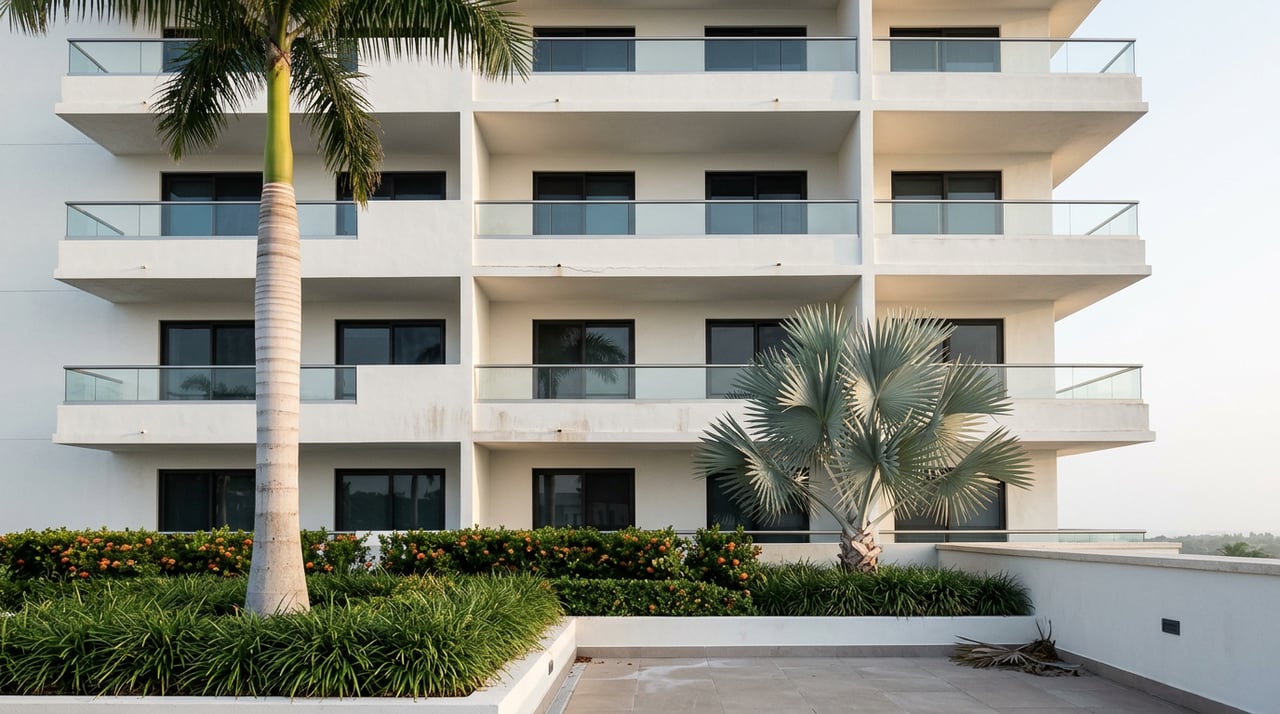
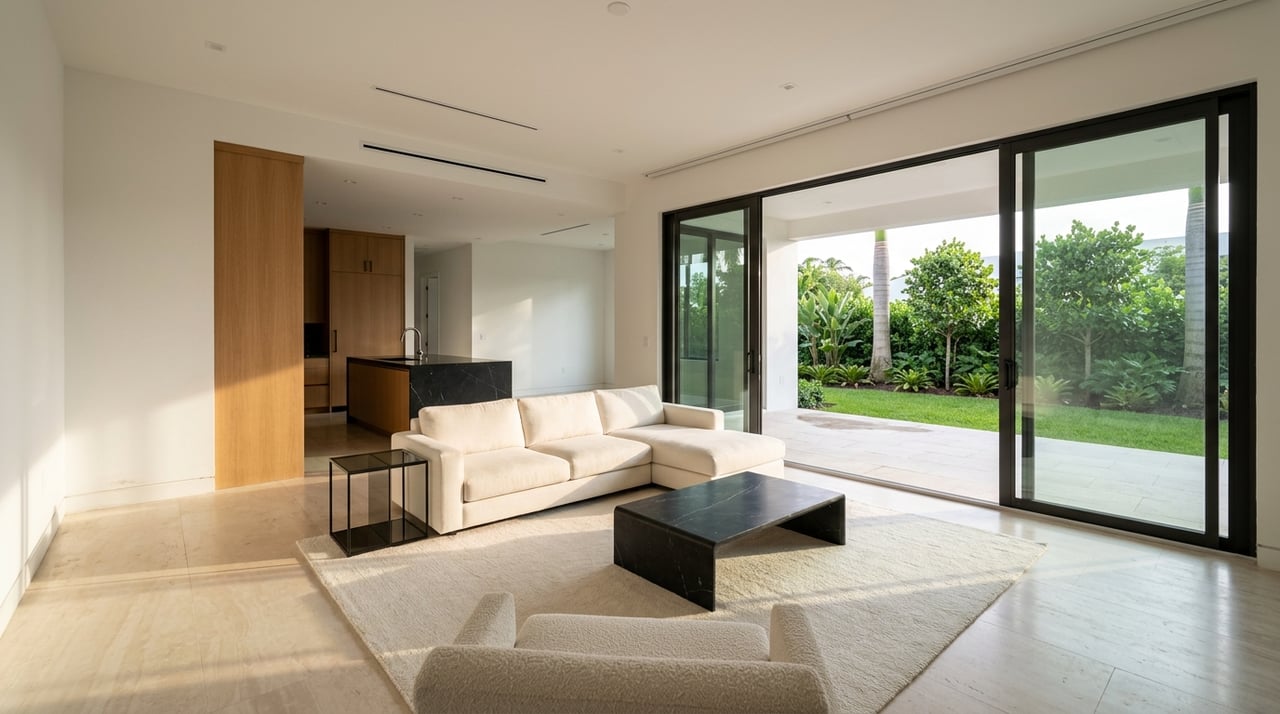
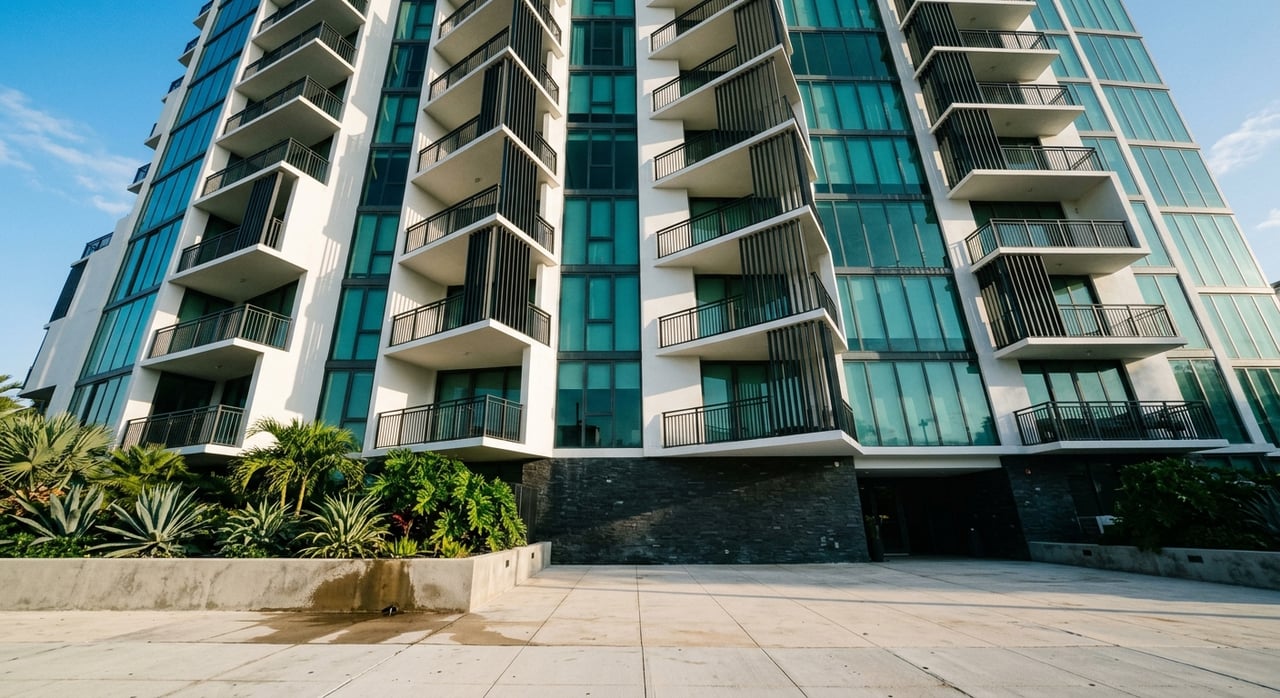
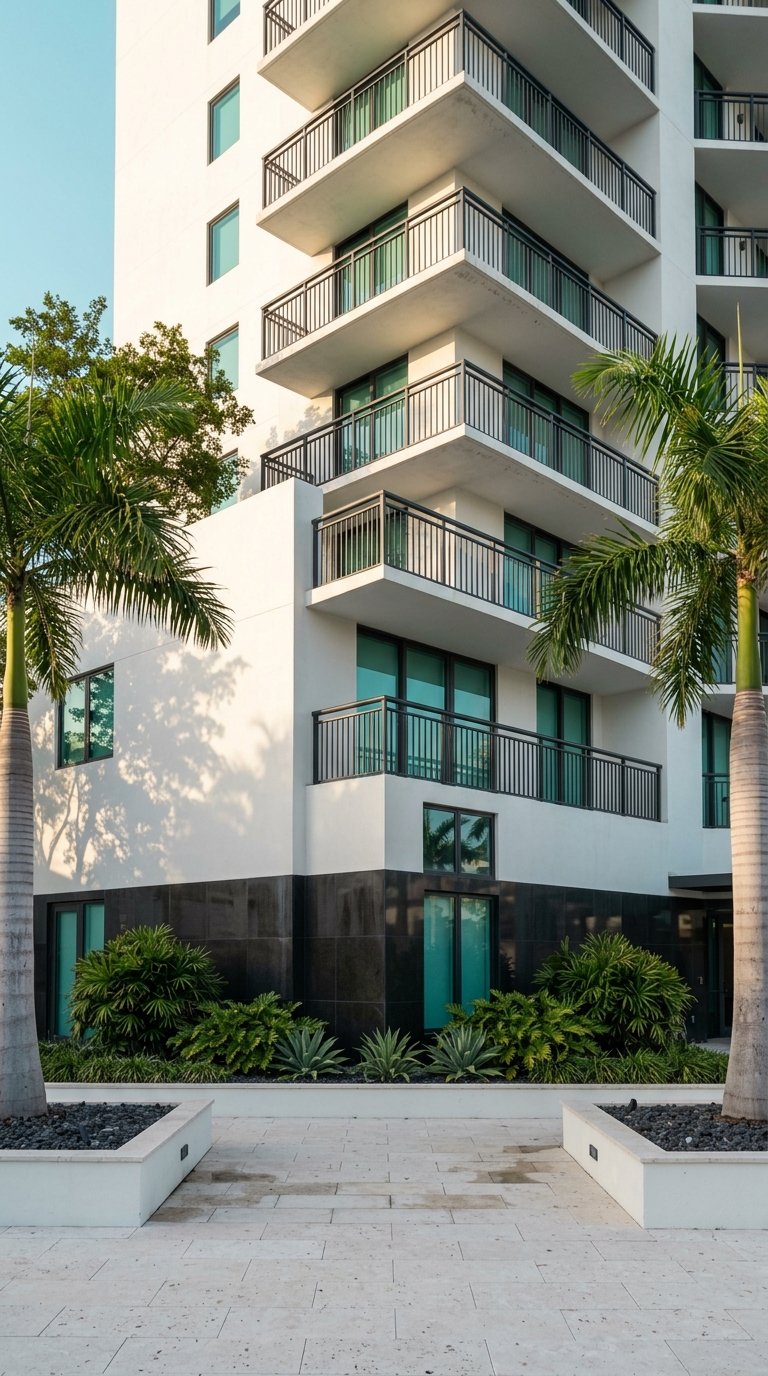
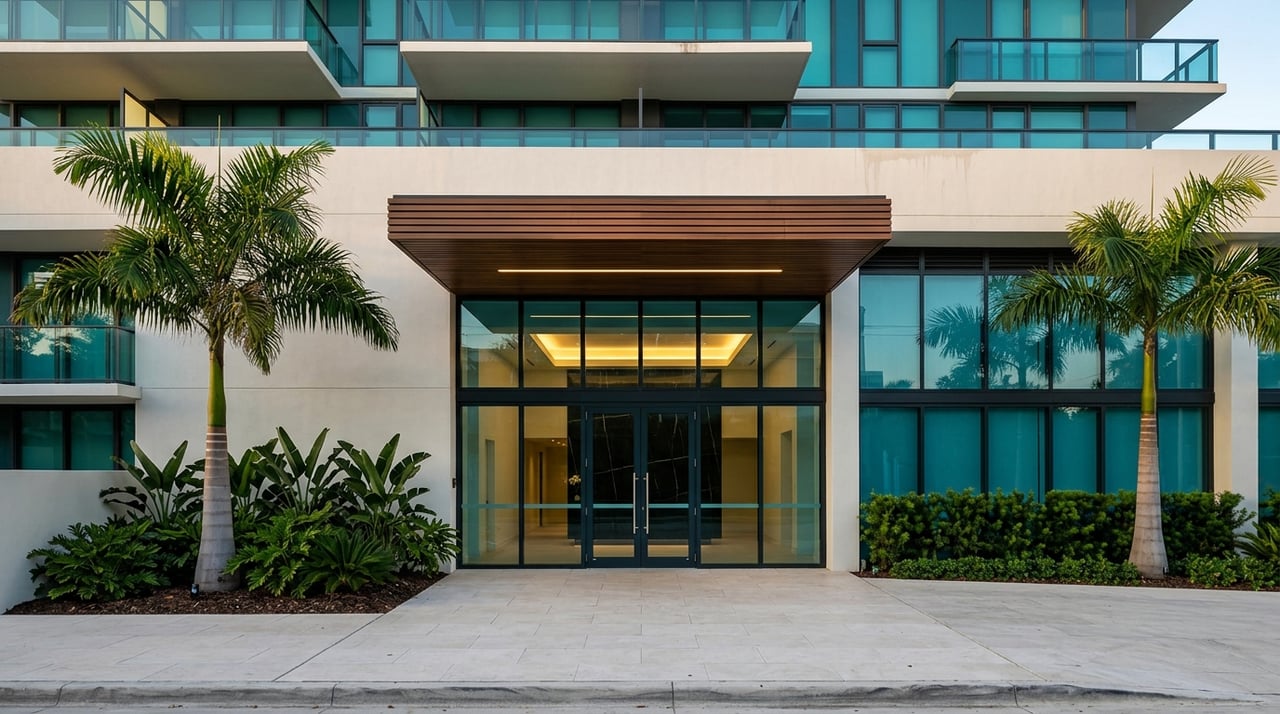
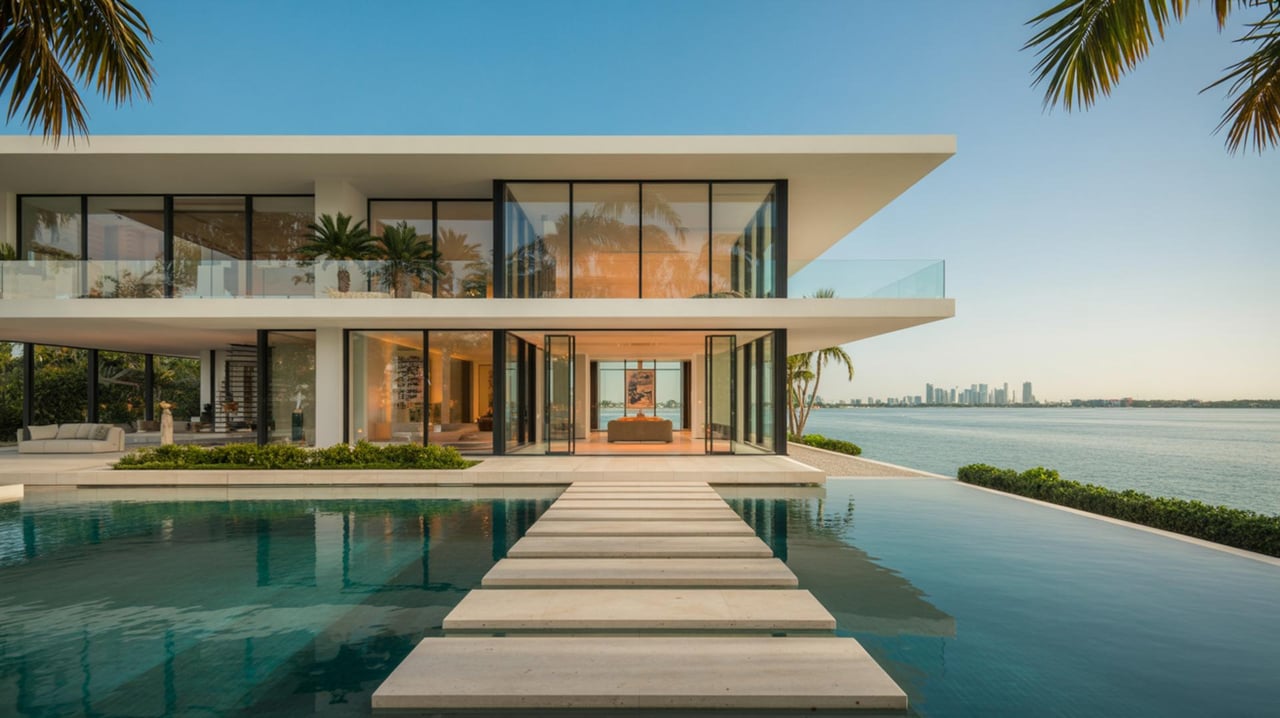
The glass supertalls — most built between 2015 and the present — define the current skyline. Characterized by floor-to-ceiling impact glass, wrap-around balconies, and minimalist modernist silhouettes, these buildings prioritize amenities and views over traditional residential warmth. Panorama Tower and Brickell Flatiron are the defining examples of this era.
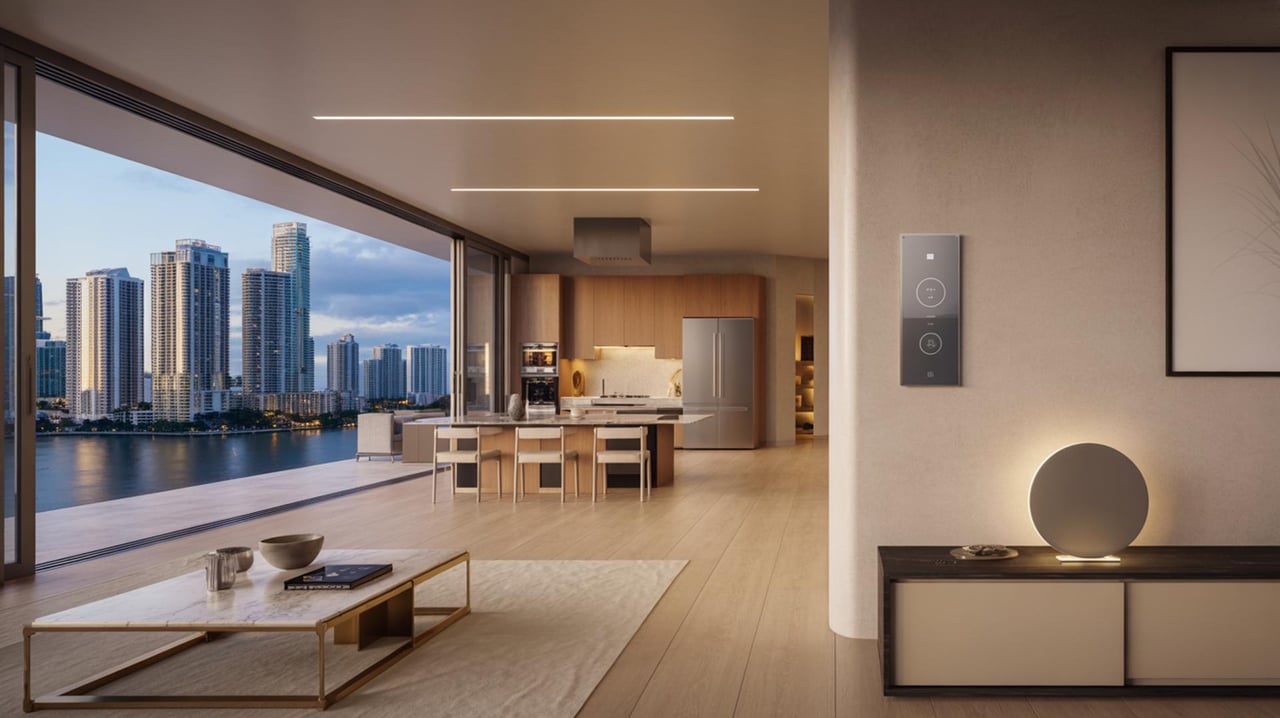
The branded residence category represents the 2020s evolution of that typology. These buildings incorporate the design language of luxury fashion and automotive houses into their architecture. Mercedes-Benz Places brings automotive-inspired curves and precision materiality to its facades. Cipriani Residences leans into opulent classical-modern fusion. The interiors of these buildings are a different category of finish entirely — exotic stone, custom Italian cabinetry, smart home systems built into the structure itself.
Legacy towers from the 1980s and 1990s, concentrated in South Brickell and on Brickell Key, offer something the new builds cannot: space. Units in buildings like The Palace or Atlantis — with its iconic architectural hole — are often 30 to 40% larger than new construction, post-modern in aesthetic with bold colors and geometric forms, and carry an "old Miami" character that a certain buyer finds genuinely preferable to the austere minimalism of the glass supertalls.
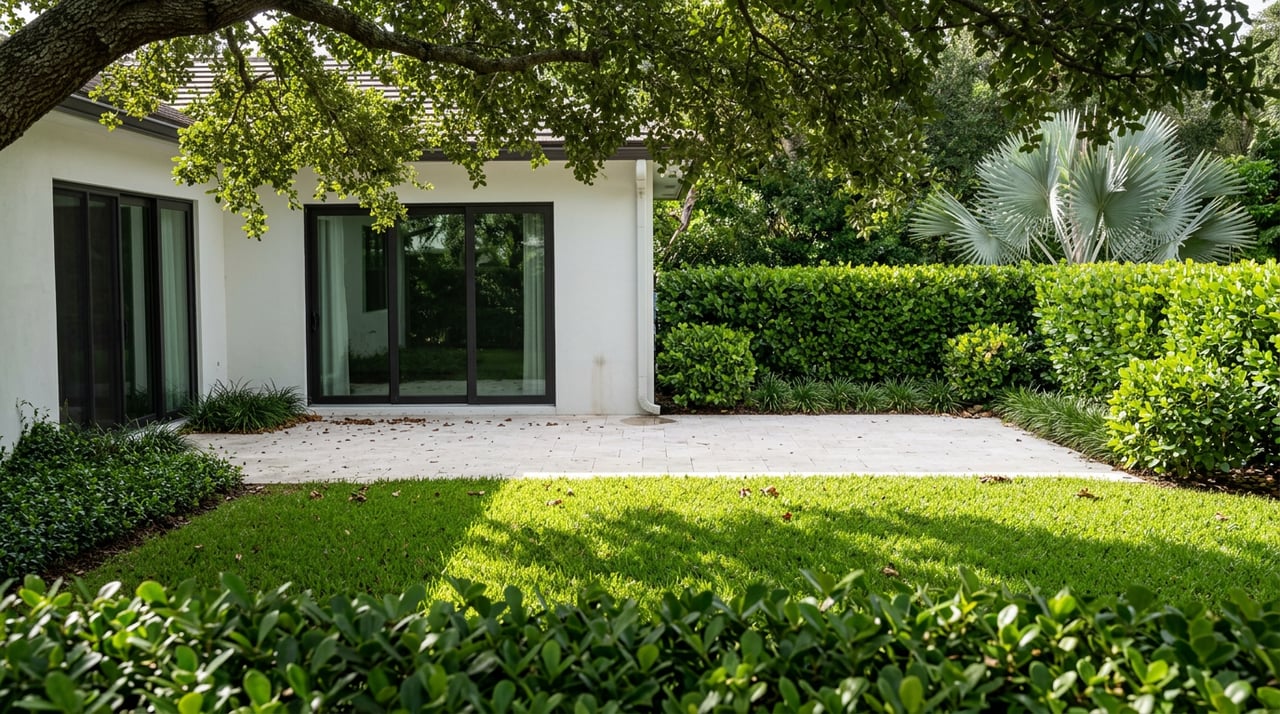
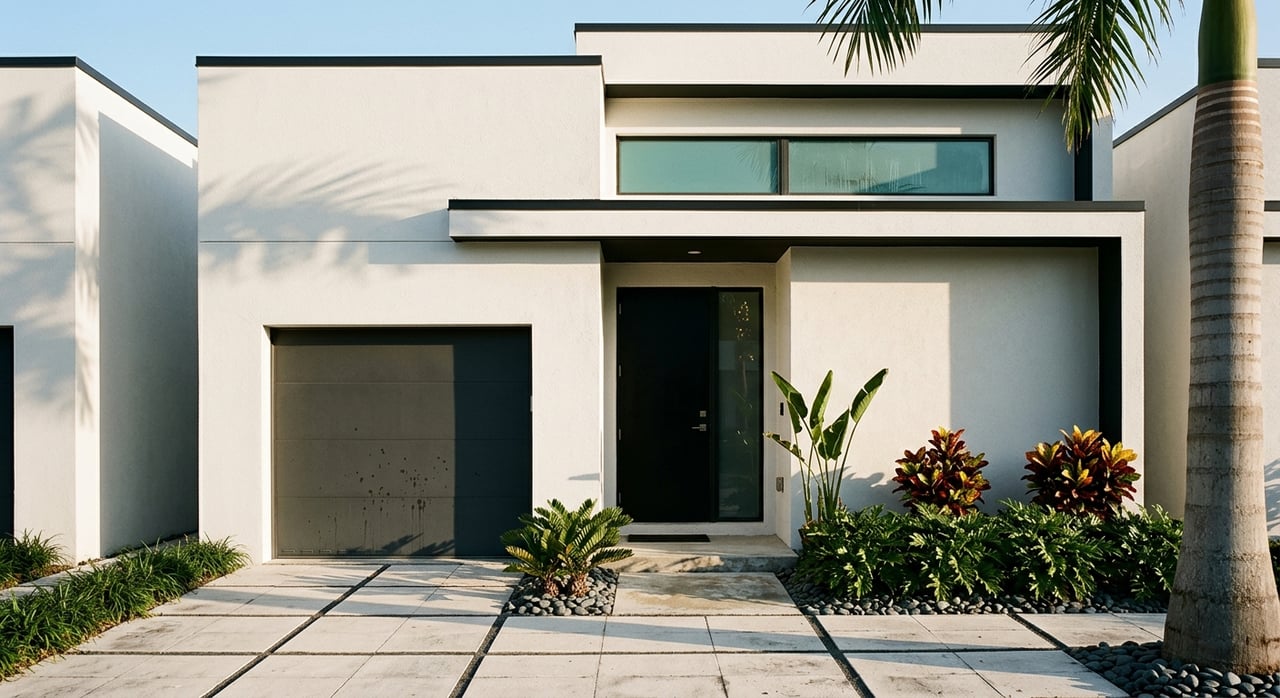
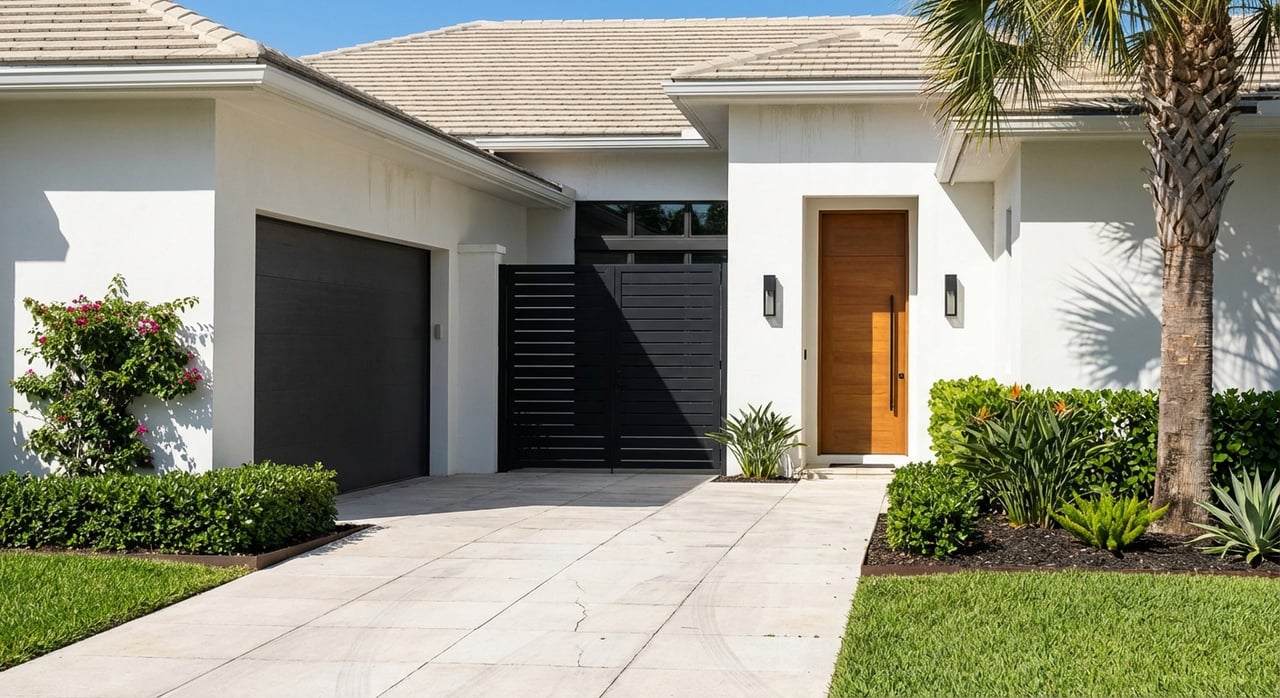
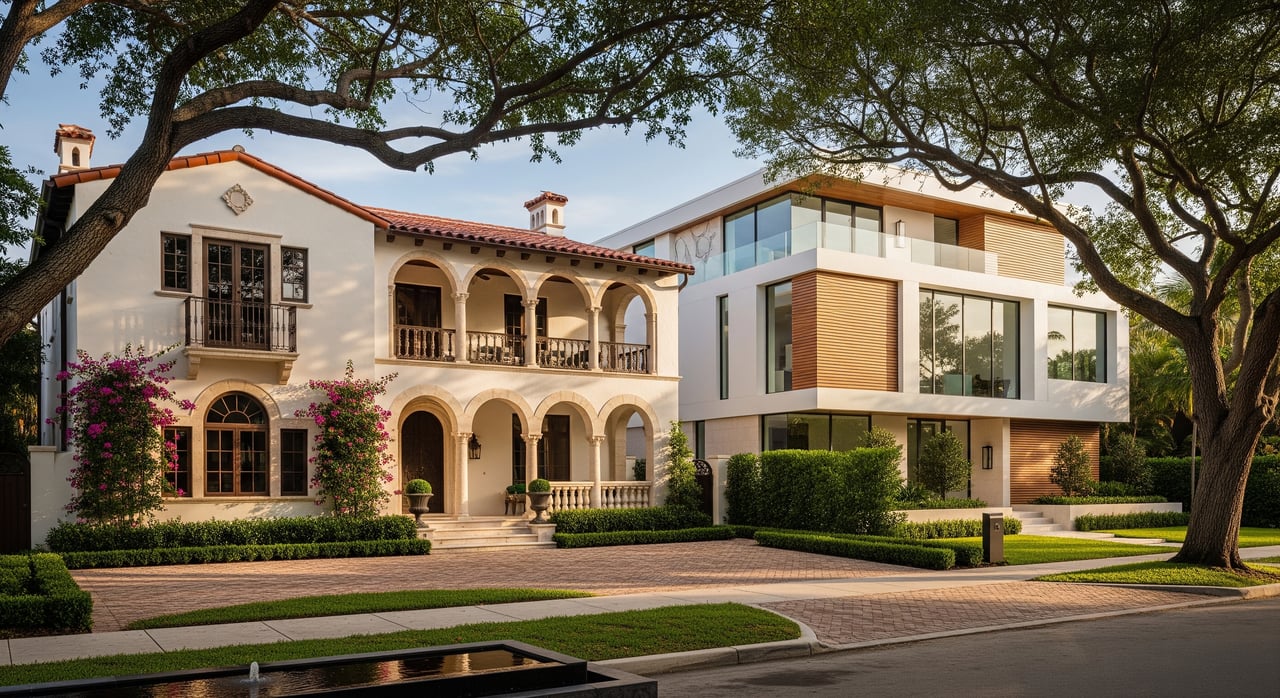
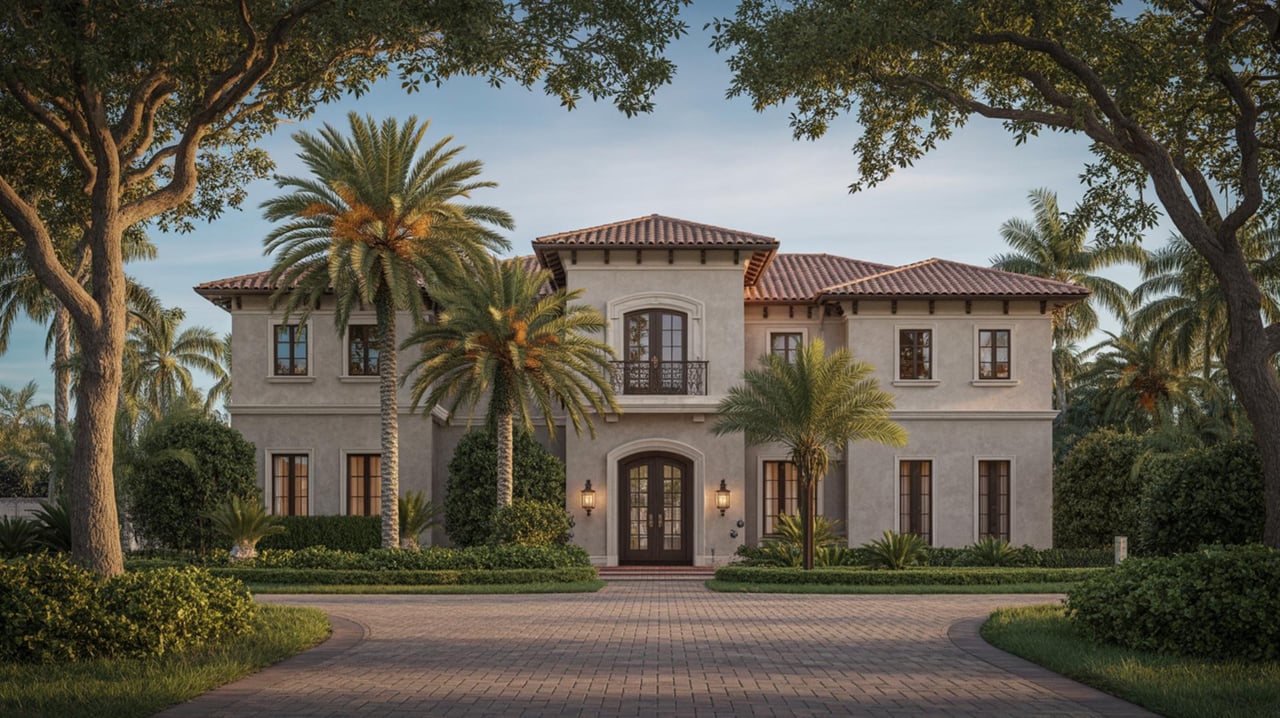
Single-family homes are essentially absent from Brickell. A small number of townhome clusters exist near the water and at the neighborhood's edges, featuring stucco walls, barrel-tile roofs, and private courtyards — rarities that carry a premium precisely because they are so incongruous with the surrounding skyline.
Brickell is the most walkable neighborhood in Miami by a significant margin, consistently rated 98 out of 100 on Walk Score. The streetscape is active around the clock, anchored by Brickell City Centre to the north and Mary Brickell Village in the middle of the district.
For residents who work in Brickell's financial core, the commute is often a five- to ten-minute walk. The Metromover — free, automated, and running every 90 seconds during peak hours — connects the neighborhood to Downtown, the Adrienne Arscht Center, and MiamiCentral Station. At MiamiCentral, the Brightline provides high-speed rail access to Fort Lauderdale, West Palm Beach, and Orlando, making Brickell functionally connected to South Florida's broader corridor without requiring a car.
The Metrorail extends the network to Miami International Airport directly and south toward the University of Miami. The Underline, reaching full activation in 2026, gives residents a dedicated walking and cycling path running 10 miles from beneath the Brickell Metrorail station all the way to South Miami — a genuine infrastructure asset for cyclists and pedestrians that has meaningfully increased the value of properties near its access points.
For those who do own a car, the "Brickell Crawl" — the slow slog to I-95 during rush hour — is a real and persistent inconvenience. Getting onto the interstate can take 20 minutes despite being just a few blocks away. Most longtime residents treat car ownership as optional and plan their lives accordingly.
Brickell's school options have improved substantially over the past decade, and the neighborhood is no longer the default choice only for childless professionals.
Many Brickell families in the upper grades also look to the private schools just south in Coconut Grove — Carrollton School of the Sacred Heart and Ransom Everglades are the most prominent — both of which are within a 10 to 15-minute drive.
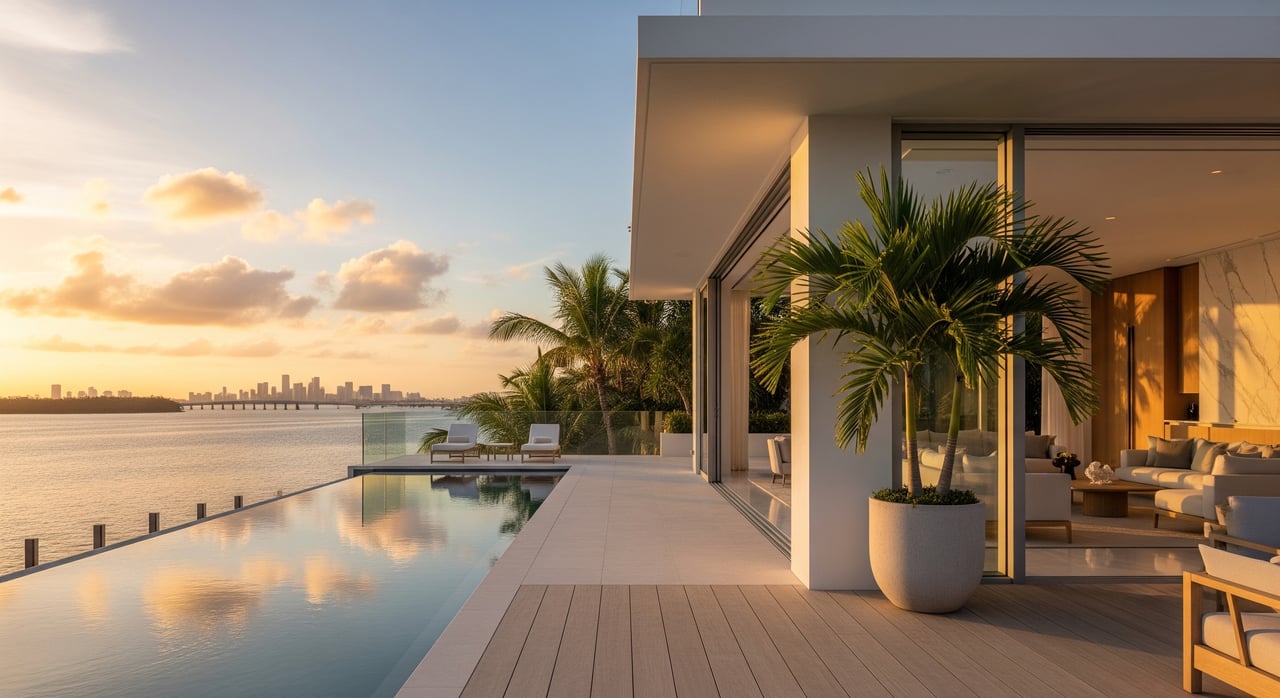
Brickell's relationship with green space has changed materially in 2026. For years, the neighborhood's primary outdoor amenity was the bay itself — visible from every tower but not always accessible at street level. That has shifted.
The Underline is the headline development. The full activation of this 10-mile linear park running beneath the Metrorail represents the most significant public infrastructure investment the neighborhood has seen in a generation. What was underutilized rail right-of-way is now a lush, shaded corridor for running, cycling, and community programming, with curated public art installations throughout. For buyers, proximity to an Underline portal has become a legitimate value driver.
Brickell Backyard, the neighborhood's primary gathering green, features outdoor fitness equipment, a yoga stage, and a dog run that stays busy through the evening. Simpson Park offers eight acres of native Florida hardwood hammock — quiet, shaded, and genuinely removed from the glass-and-steel environment surrounding it. And the 1.1-mile waterfront loop around Brickell Key remains the gold standard for a morning jog with unobstructed bay views.
The dining scene in 2026 has matured beyond Brickell's earlier reputation as a place of flashy lounges and expense-account steakhouses. There is genuine culinary ambition here now.
The "power lunch" circuit is anchored by LPM Restaurant & Bar and Cipriani, where the clientele and the conversation are indistinguishable from the boardrooms a few floors above them. For dinner, the neighborhood specializes in what locals call vibe-dining — Sexy Fish and Komodo remain iconic and perpetually booked — but the more interesting development of the past two years is the emergence of intimate, resident-focused dining in the form of high-end omakase counters and boutique Mediterranean concepts like Ava MediterrAegean.
Brickell City Centre has evolved into a multi-level culinary destination with serious options across price points. Sugar, the rooftop bar at the EAST hotel, still commands the best casual view in the neighborhood.
Nightlife in Brickell skews toward refined lounges, hotel rooftops, and high-fidelity listening bars rather than the mega-clubs that define nearby Downtown. The dress code, universally enforced, is best described as "Miami Chic." Residents who want the E11EVEN experience go to Downtown. Most Brickell nights end considerably earlier and considerably more quietly.
Navigating Brickell's market in 2026 requires more than market awareness — it requires someone who understands which buildings are financially sound, which pre-construction opportunities are worth the premium, and how to structure a transaction that protects you through closing and beyond.
Noel Barrientos brings 14-plus years of sales and client service experience to every transaction, with a track record that spans ultra-luxury Brickell high-rises — including a leased penthouse at 1000 Brickell Plaza at $60,000 per month — to single-family homes across Miami-Dade and Broward. His clients describe him as exceptionally responsive, honest about what they need to hear, and relentlessly committed to their outcome. Whether you are buying your first Brickell condo, relocating from out of state, or evaluating the neighborhood as an investment, Noel provides the kind of ground-level knowledge that turns a complicated market into a clear decision.
Reach out directly to start the conversation.
Noel Barrientos The Miami Home Group (786) 757-2838 [email protected] themiamihomegroup.com
There's plenty to do around Brickell, including shopping, dining, nightlife, parks, and more. Data provided by Walk Score and Yelp.
Explore popular things to do in the area, including Lightspeed, Neighborhood Spirits, and Ride or Thai.
| Name | Category | Distance | Reviews |
Ratings by
Yelp
|
|---|---|---|---|---|
| Dining | 0.11 miles | 0 reviews | 0/5 stars | |
| Dining | 0.11 miles | 0 reviews | 0/5 stars | |
| Dining | 0.14 miles | 1 review | 5/5 stars | |
| Shopping | 0.25 miles | 0 reviews | 0/5 stars | |
| Shopping | 0.28 miles | 0 reviews | 0/5 stars | |
| Active | 0.18 miles | 0 reviews | 0/5 stars | |
| Active | 0.6 miles | 0 reviews | 0/5 stars | |
| Active | 0.6 miles | 0 reviews | 0/5 stars | |
| Active | 0.6 miles | 0 reviews | 0/5 stars | |
| Beauty | 0.14 miles | 0 reviews | 0/5 stars | |
| Beauty | 0.15 miles | 0 reviews | 0/5 stars | |
| Beauty | 0.17 miles | 0 reviews | 0/5 stars | |
| Beauty | 0.17 miles | 0 reviews | 0/5 stars | |
| Beauty | 0.23 miles | 0 reviews | 0/5 stars | |
| Beauty | 0.31 miles | 0 reviews | 0/5 stars | |
| Beauty | 0.31 miles | 0 reviews | 0/5 stars | |
| Beauty | 0.38 miles | 0 reviews | 0/5 stars | |
| Beauty | 0.47 miles | 0 reviews | 0/5 stars | |
| Beauty | 0.48 miles | 1 review | 5/5 stars | |
| Beauty | 0.51 miles | 0 reviews | 0/5 stars | |
| Beauty | 0.6 miles | 0 reviews | 0/5 stars | |
|
|
||||
|
|
||||
|
|
||||
|
|
||||
|
|
||||
|
|
Brickell has 22,433 households, with an average household size of 2. Data provided by the U.S. Census Bureau. Here’s what the people living in Brickell do for work — and how long it takes them to get there. Data provided by the U.S. Census Bureau. 39,904 people call Brickell home. The population density is 60,304 and the largest age group is Data provided by the U.S. Census Bureau.
Total Population
Population Density Population Density This is the number of people per square mile in a neighborhood.
Median Age
Men vs Women
Population by Age Group
0-9 Years
10-17 Years
18-24 Years
25-64 Years
65-74 Years
75+ Years
Education Level
Total Households
Average Household Size
Average individual Income
Households with Children
With Children:
Without Children:
Blue vs White Collar Workers
Blue Collar:
White Collar:
Miami FL
Miami FL