Welcome to
24,247 people live in Village Of Palmetto Bay, where the median age is 41.6 and the average individual income is $70,583. Data provided by the U.S. Census Bureau.
Total Population
Median Age
Population Density
Average individual Income
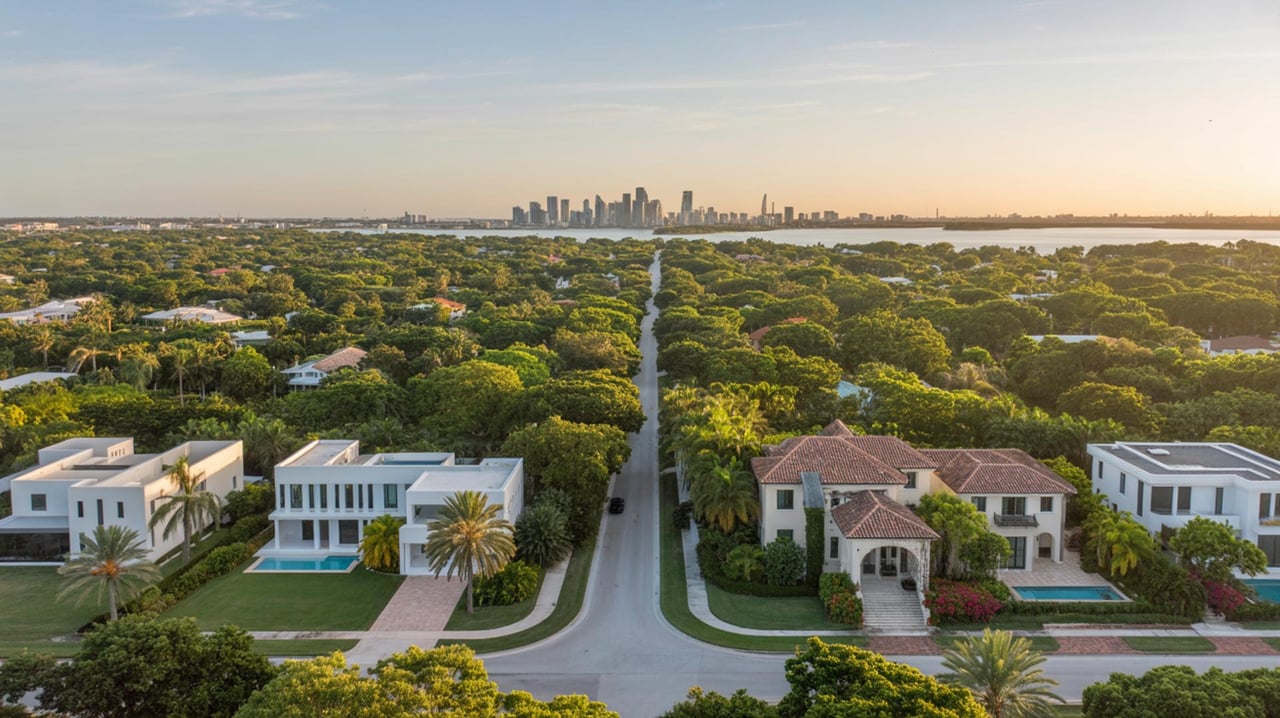
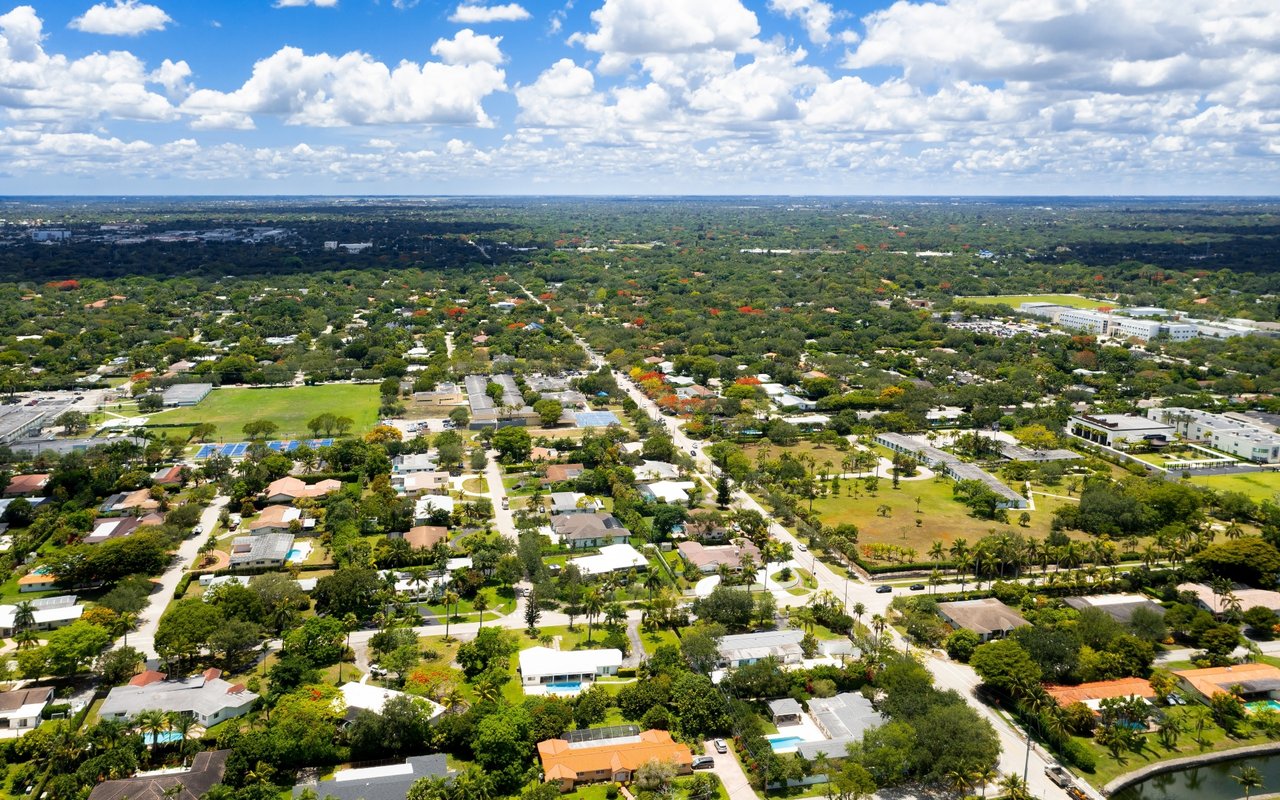
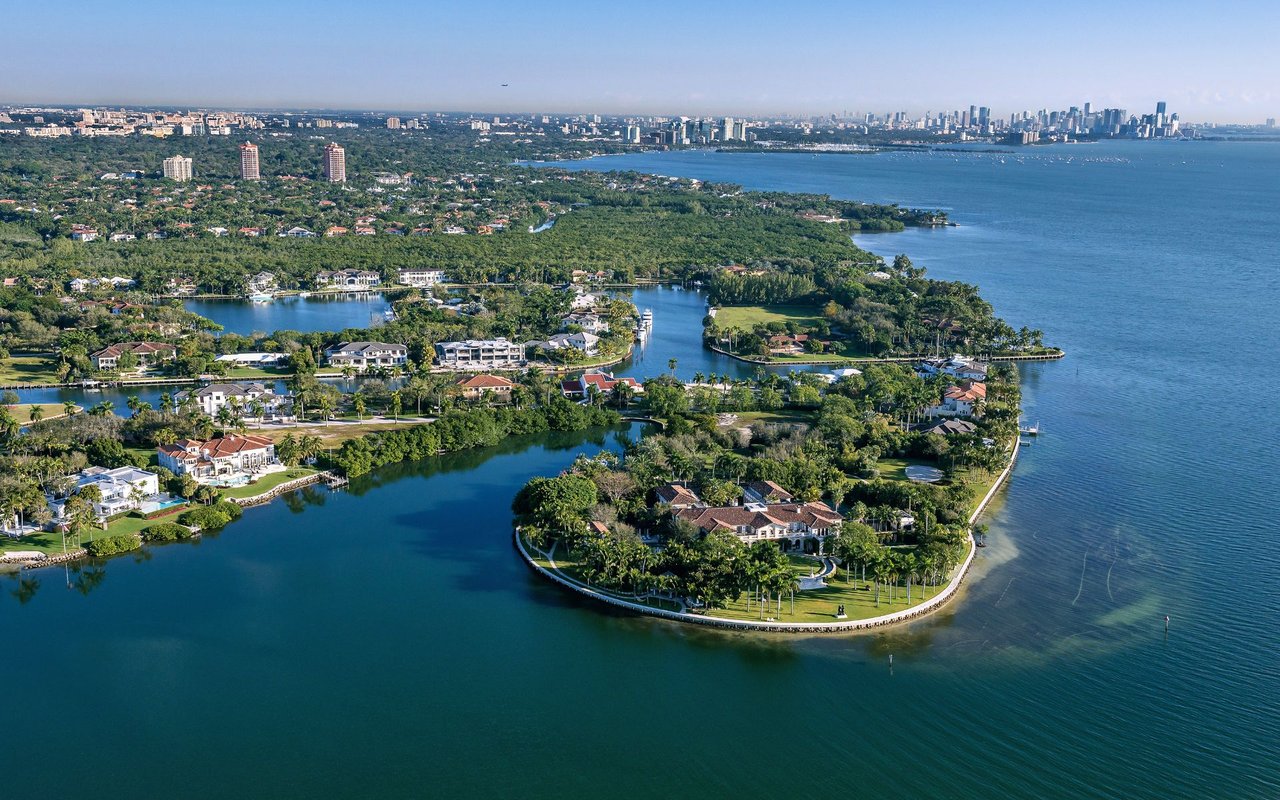
Tucked between the tree-canopied streets of Pinecrest to the north and the shoreline of Biscayne Bay to the east, the Village of Palmetto Bay has earned its affectionate nickname: the "Village of Parks." This 8.8-square-mile municipality in southern Miami-Dade County offers something increasingly rare in South Florida — a genuine sense of small-town living wrapped inside one of the country's most dynamic metropolitan regions. Ancient oak canopies shade quiet residential streets, backyards spill into Biscayne Bay, and daily life orbits around excellent schools, beautifully preserved parks, and a tight-knit community identity.
For buyers seeking substantial homes on generous lots, elite educational access, and a lifestyle rooted in nature and family — without sacrificing proximity to downtown Miami — Palmetto Bay consistently earns a spot at the top of the shortlist. This guide walks through what makes the village distinct, from its historical roots and architectural DNA to its neighborhoods, schools, and everyday rhythms.
The story of Palmetto Bay begins thousands of years before its modern incorporation, on land originally inhabited by the Tequesta people. In the early 1900s, the area emerged as an agricultural community, with settlers cultivating extensive groves of citrus, mangos, and avocados across its rich soil. That agricultural DNA still lingers in the mature fruit trees scattered across older properties.
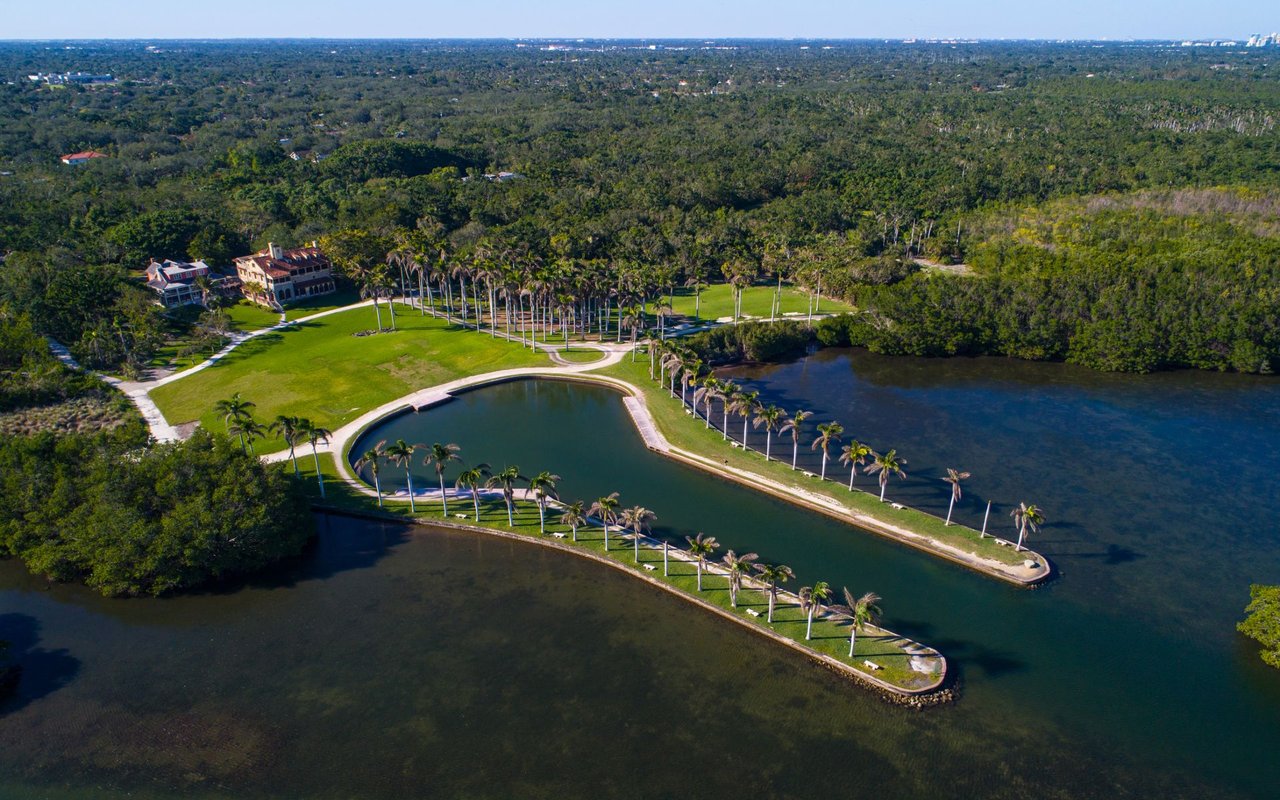
The most significant early chapter came in 1916, when industrialist Charles Deering purchased hundreds of acres of pristine waterfront land here. Today, the Deering Estate operates as a historic site, cultural center, and environmental preserve, protecting ancient burial mounds, native hammocks, and fossil sites that speak to the area's deep past.
The village's modern identity, however, was forged by Hurricane Andrew. When the Category 5 storm tore through South Florida in 1992, this community was among the hardest hit. As residents rebuilt, a growing consensus formed around the need for local control over zoning, tax dollars, and public safety. That movement culminated on September 10, 2002, when voters formally incorporated the Village of Palmetto Bay, making it the 33rd municipality in Miami-Dade County. Every decision since — the strict tree-preservation codes, the emphasis on parks, the deliberate limits on commercial density — traces back to that founding vision.
Palmetto Bay sits in southern Miami-Dade County, spanning roughly 8.8 square miles with borders defined by four clear markers: SW 136th Street to the north (bordering Pinecrest), SW 184th Street to the south (bordering Cutler Bay), South Dixie Highway (US-1) to the west, and the coast of Biscayne Bay to the east.
Geographically, the village rests on the Miami Oolite limestone ridge, giving it slightly higher elevation than the Everglades to the west while maintaining the low, flat topography typical of South Florida. Its defining natural feature is the extensive waterfront along the eastern edge, flanked by dense mangrove forests and coastal wetlands that serve as vital ecological buffers against storm surge. A network of drainage canals, including the C-100 system, weaves through the interior and empties into the bay.
What most visitors notice first, though, is the tree canopy. Strict local zoning has preserved an unusually heavy concentration of native palms, live oaks, and tropical flora, giving Palmetto Bay a lush, sheltered feel that contrasts sharply with the more manicured or urban districts elsewhere in Miami.
Palmetto Bay is one of Miami-Dade's premier suburban markets, running parallel in prestige to Pinecrest and Coral Gables while offering a distinct value proposition. The market is defined by high-value single-family homes on generous lots, and its foundation rests on three unshakable pillars: elite schools, exceptionally low crime rates, and a municipal commitment to green space.
The median sale price in Palmetto Bay consistently hovers around $1.1 to $1.18 million, with waterfront estates along Biscayne Bay and private multi-acre parcels regularly commanding $3 million to $6 million or more. What sets this market apart from more volatile pockets of South Florida is its discipline. Roughly 90% of properties close below their initial asking prices, typically settling around 5% under list — indicating a balanced environment where buyers retain realistic negotiating room without the market softening in any meaningful way.
Unlike speculative neighborhoods that swing dramatically with each market cycle, Palmetto Bay's values are anchored by fundamentals that don't fluctuate: families want the schools, the parks, and the safety, and that demand remains consistent year after year.
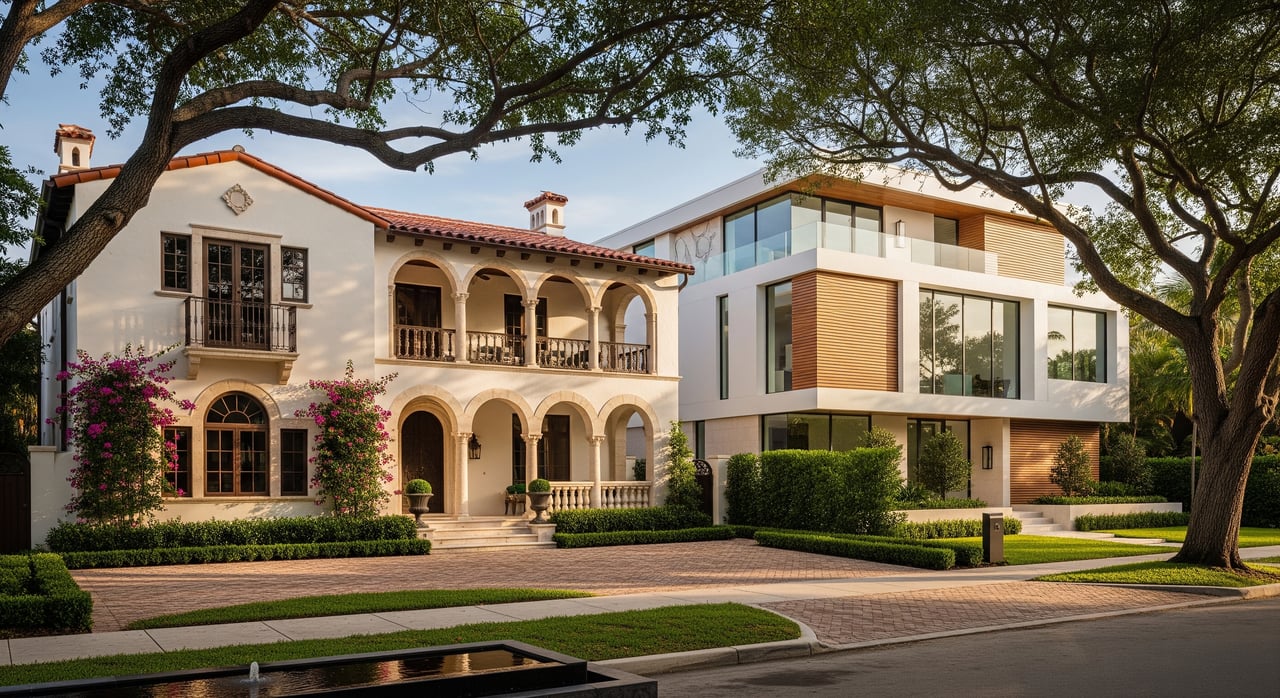
Palmetto Bay's architectural landscape reflects its layered history — mid-century agricultural roots, post-Andrew rebuilds, and a recent wave of luxury custom construction all coexist on the same streets. The result is one of the most visually interesting residential markets in Miami-Dade.
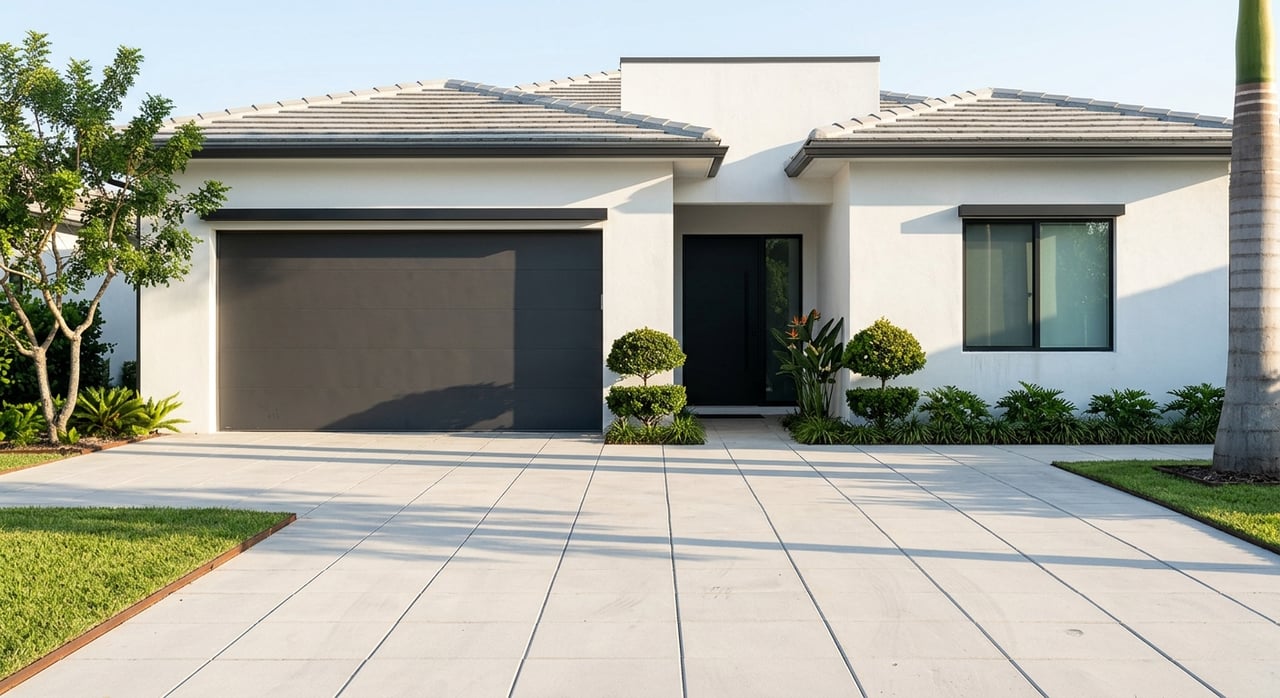
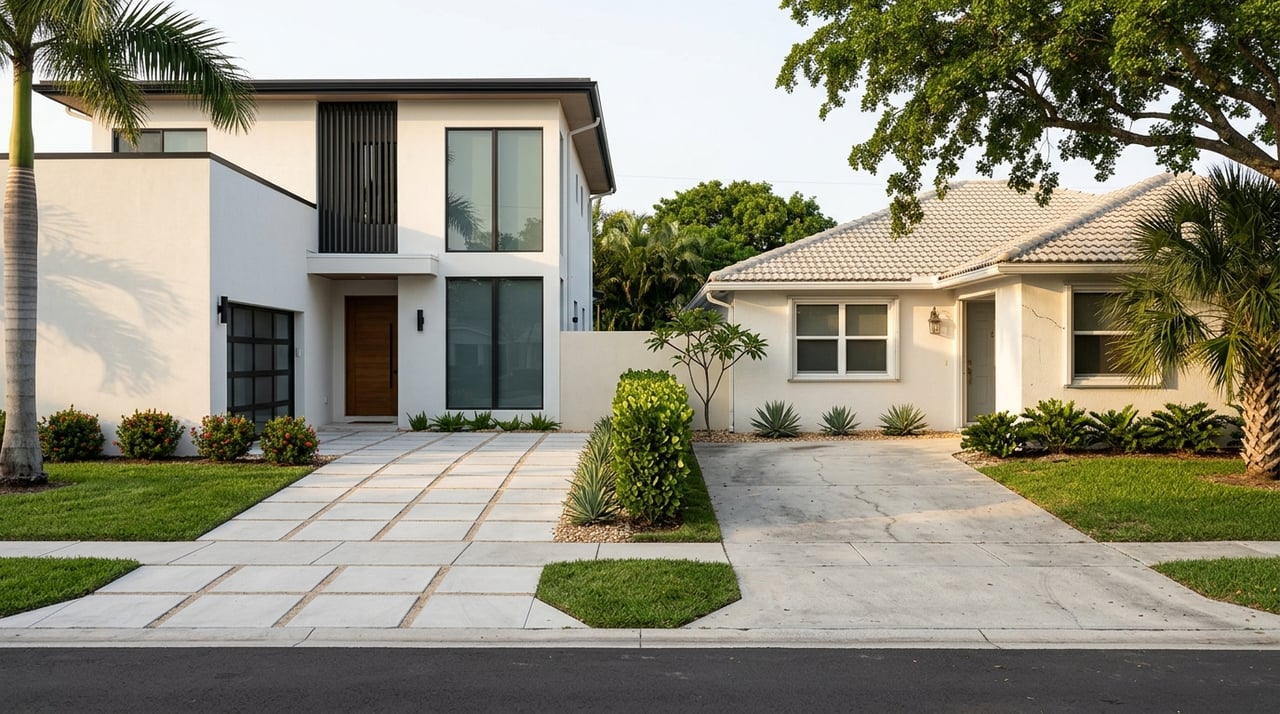
The historical backbone of the village consists of Mid-Century Florida Ranch homes built from the 1950s through the 1970s, particularly in neighborhoods like Mangowood. These sprawling single-story properties feature low-pitched rooflines, expansive floor plans, and screened patios that blur the line between indoor and outdoor living — the classic South Florida lifestyle in its most authentic form.
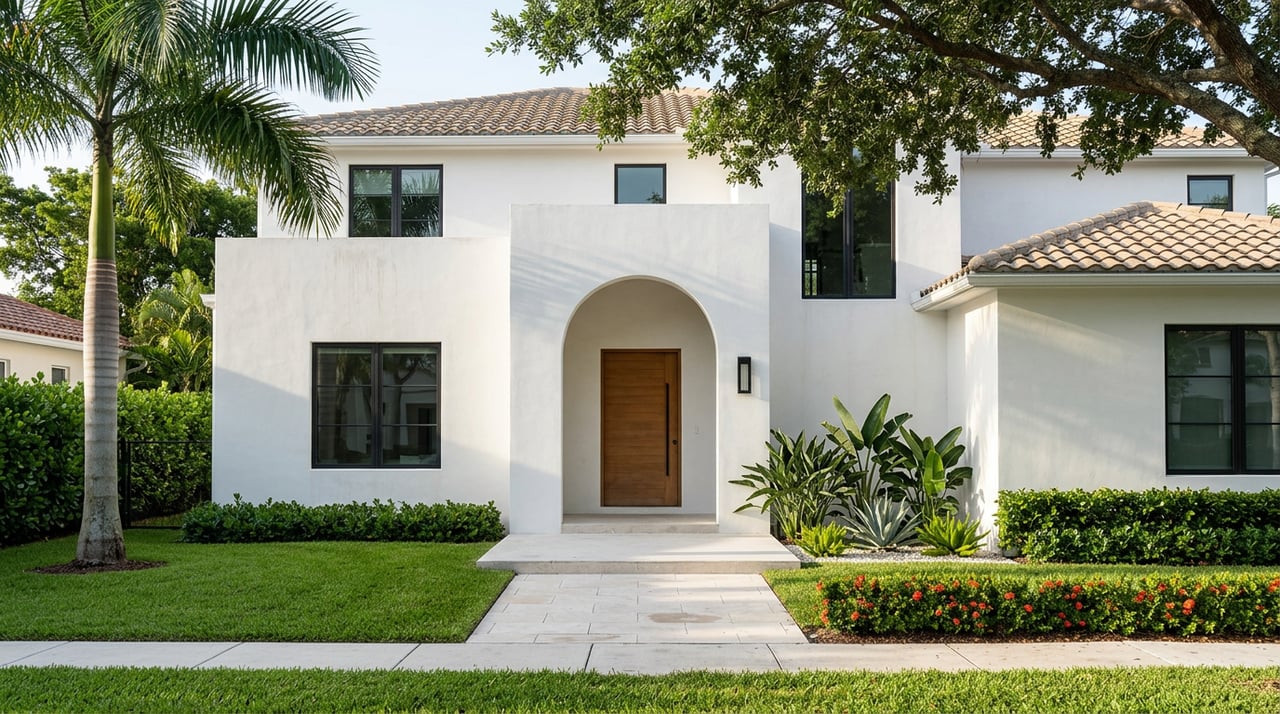
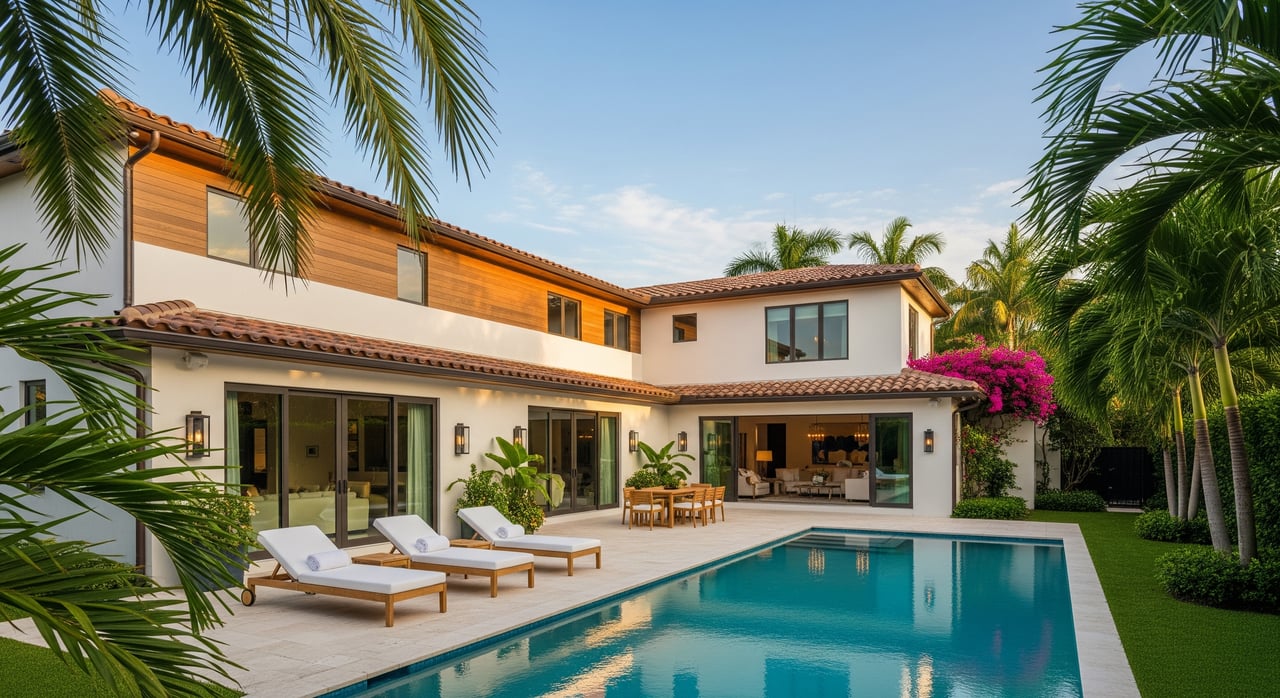
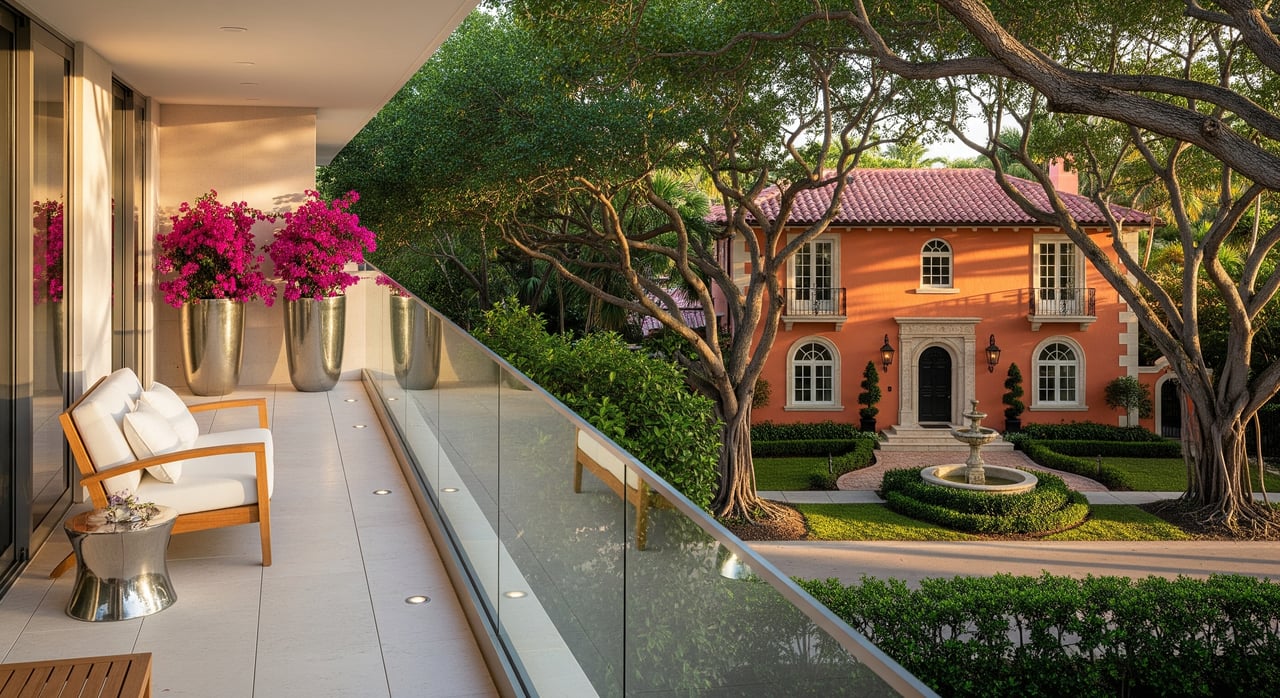
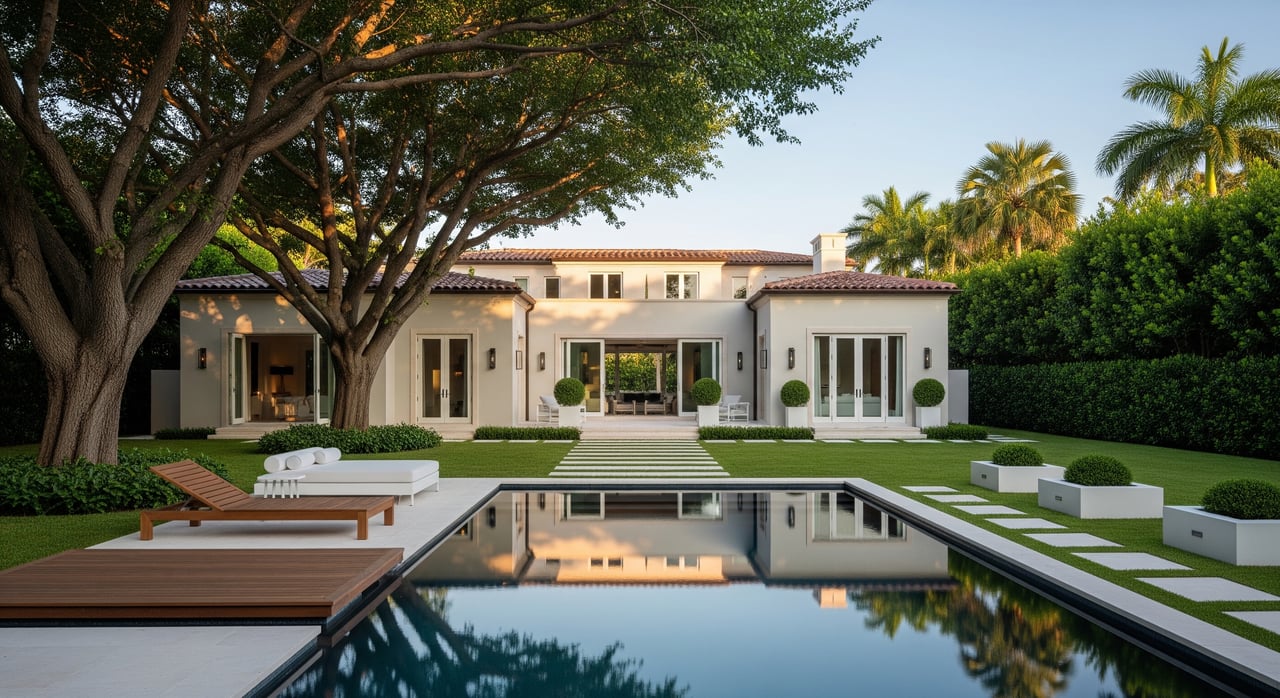
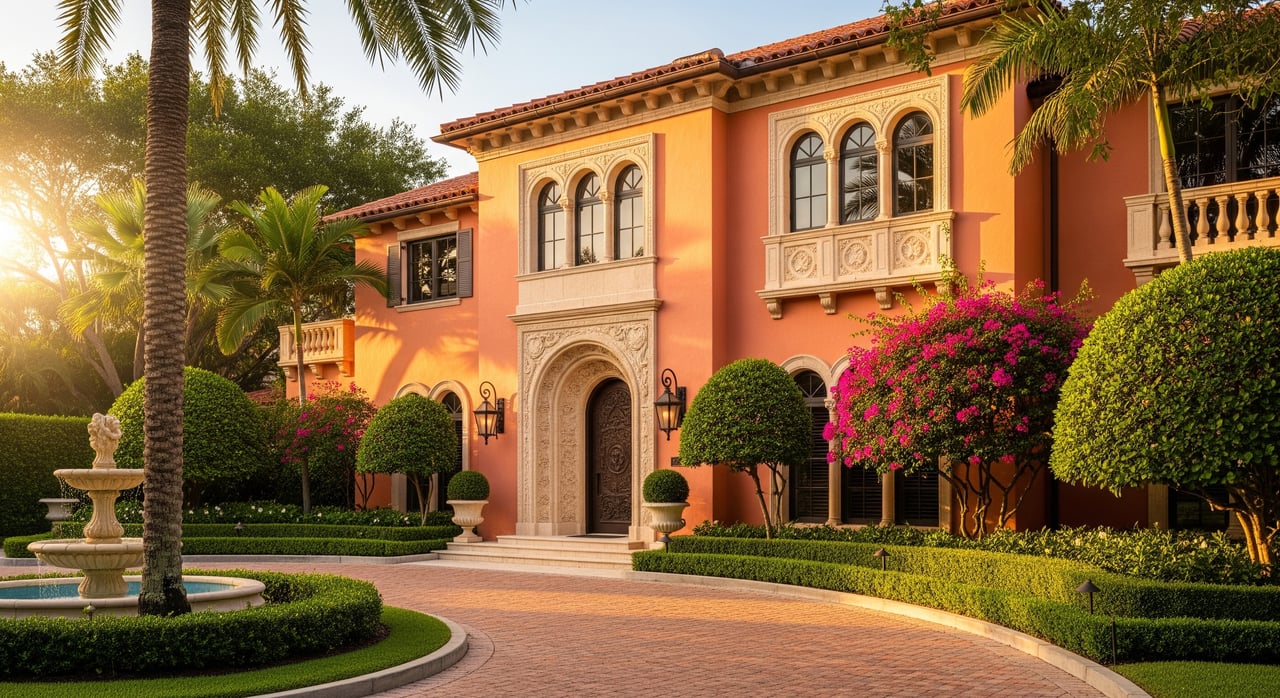
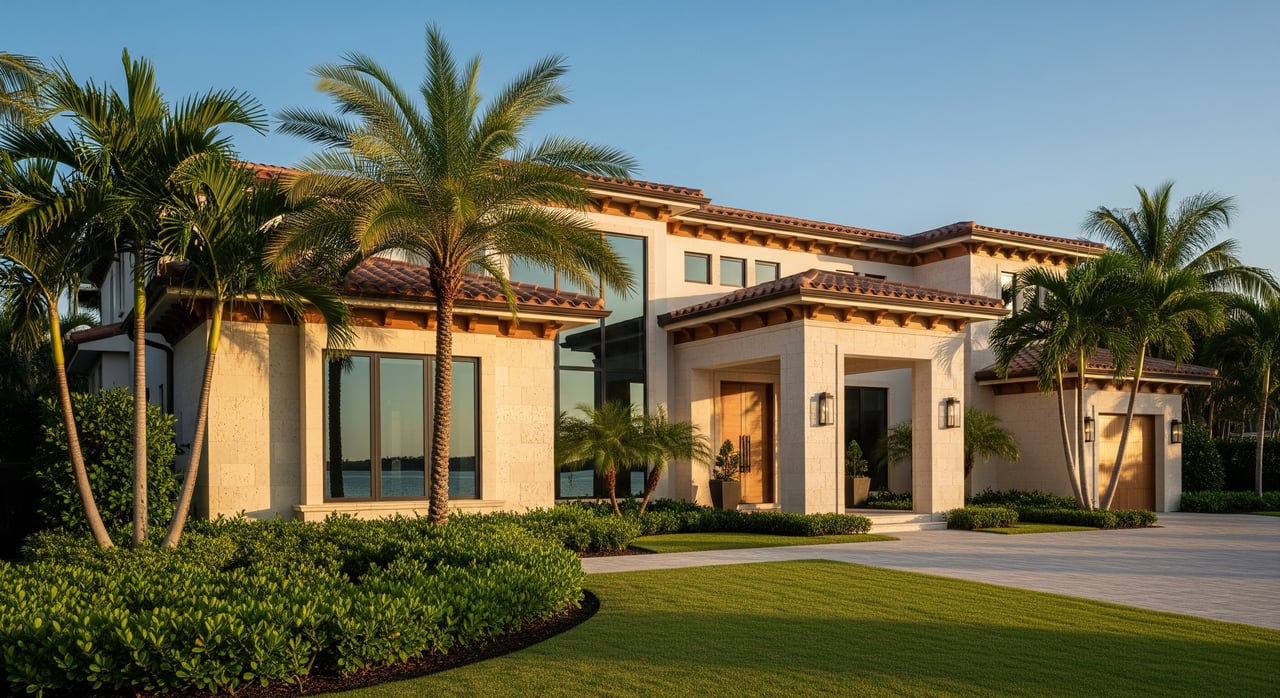
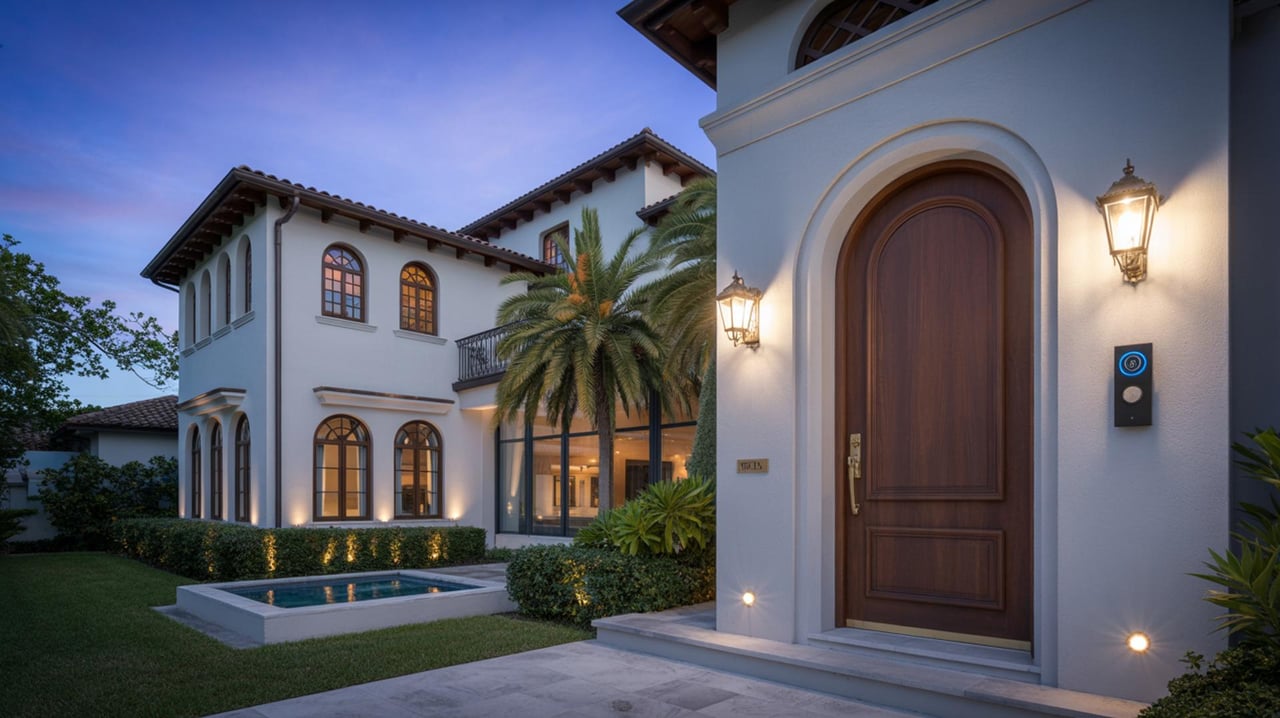
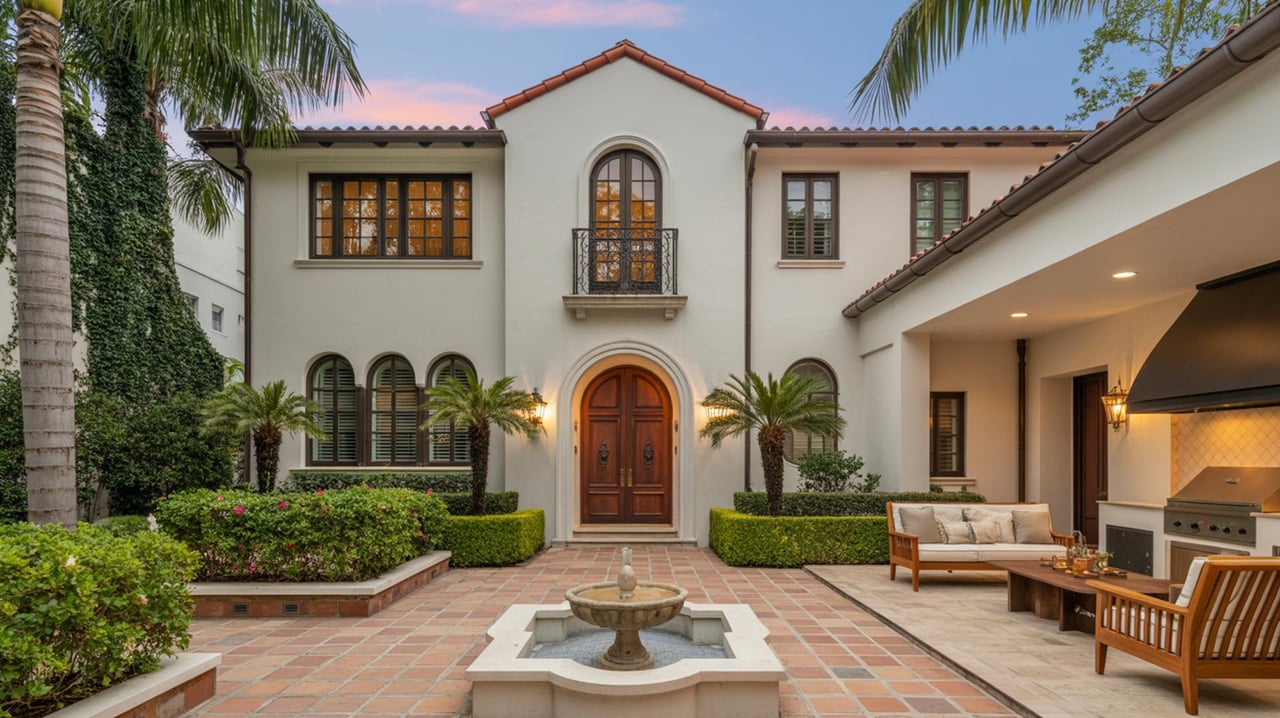
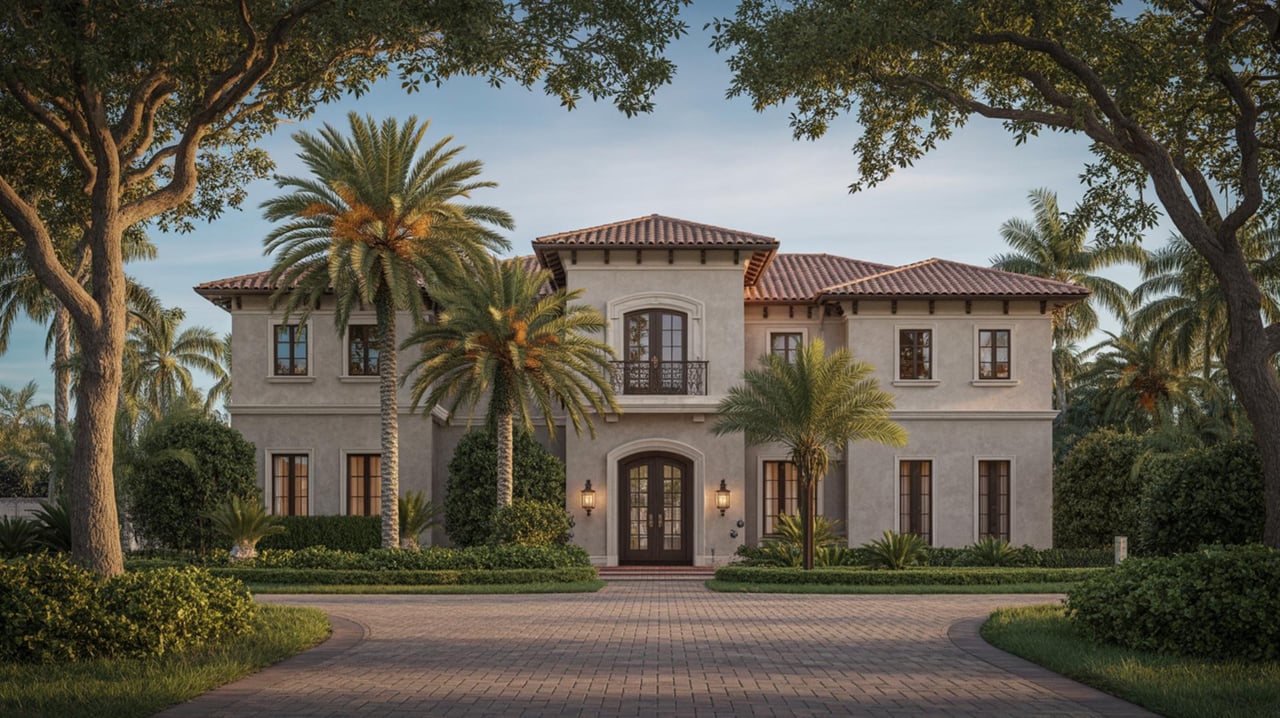
Mediterranean Revival is the second dominant style, particularly prevalent in gated pockets and custom-built estates. Stucco walls, red clay barrel-tile roofs, arched doorways, wrought-iron accents, and private courtyards give these homes a timeless elegance rooted in South Florida's architectural heritage.
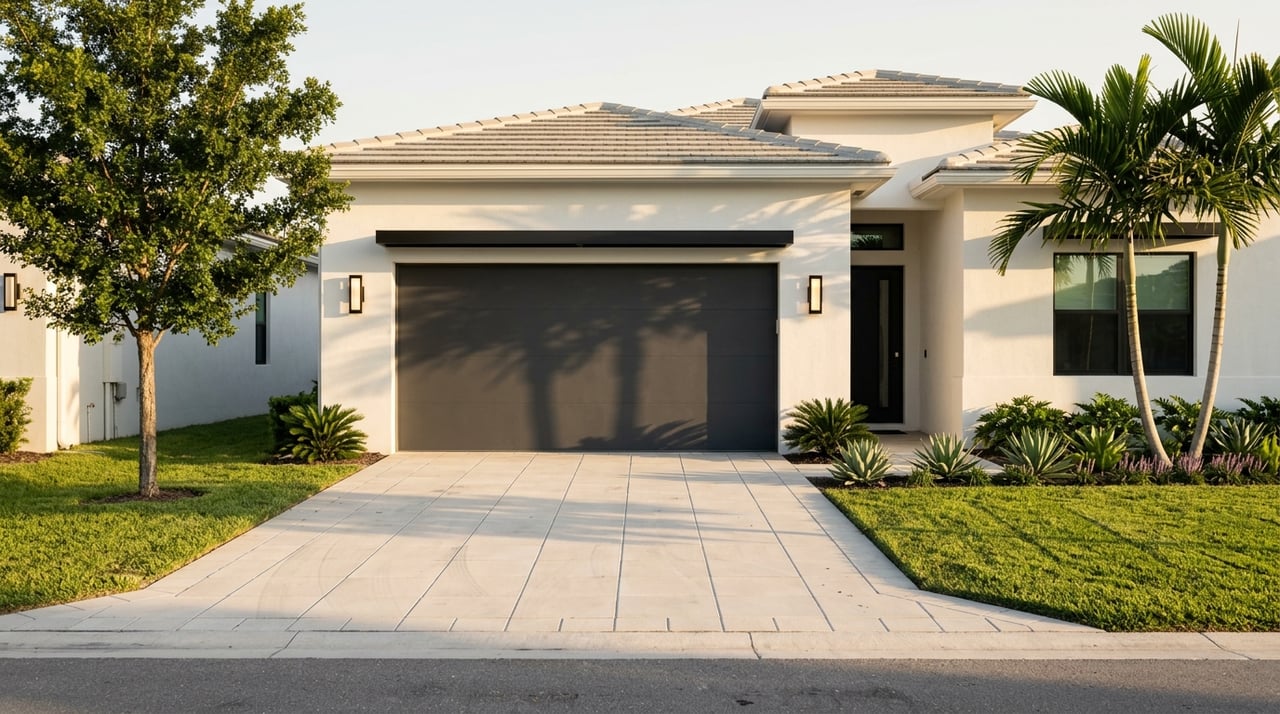
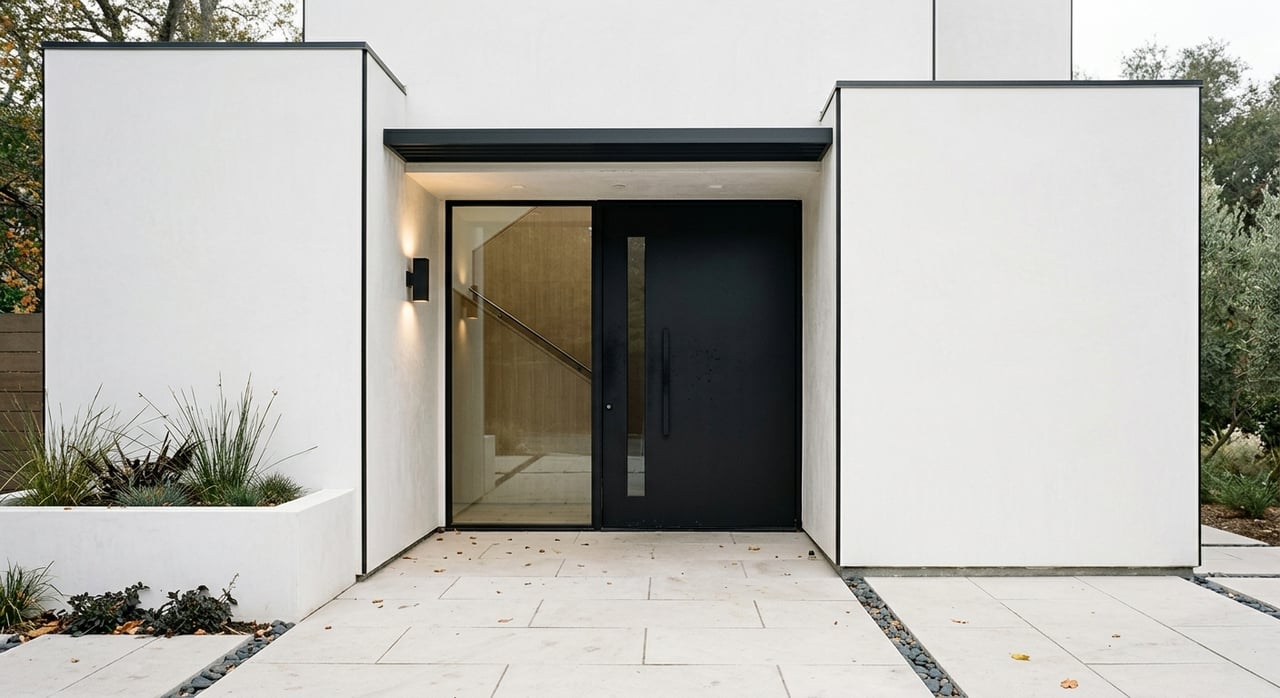
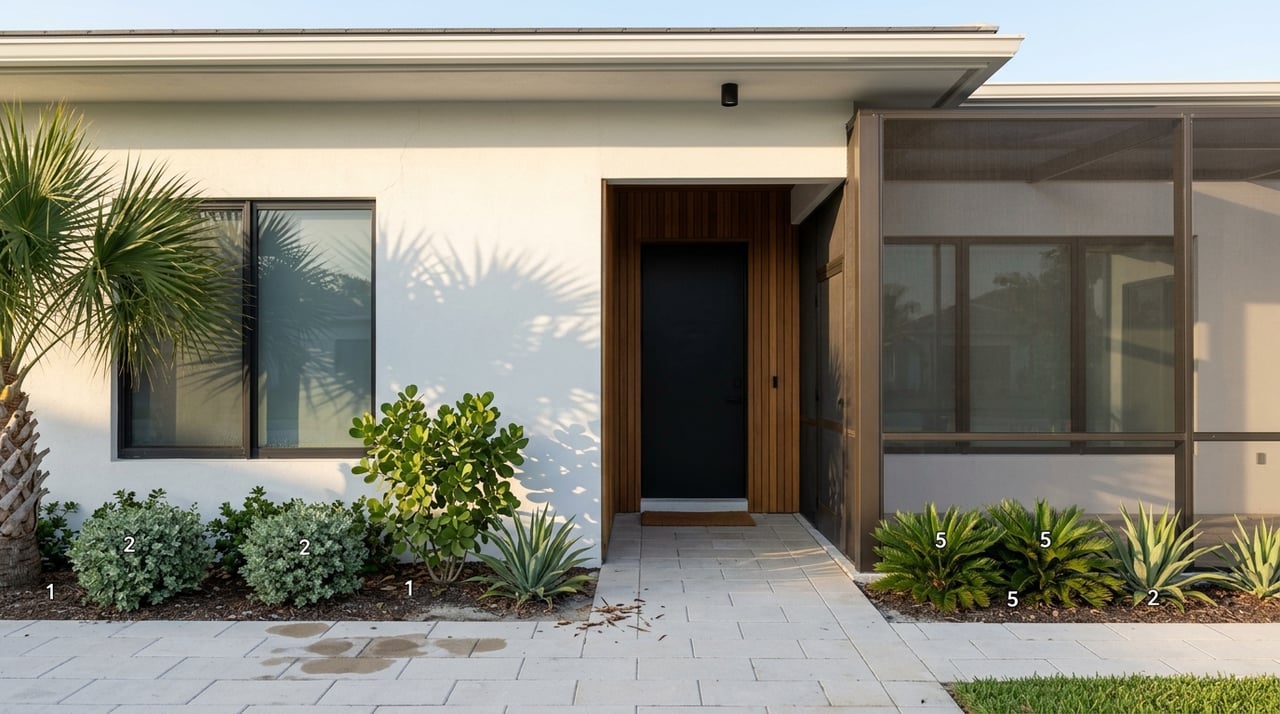
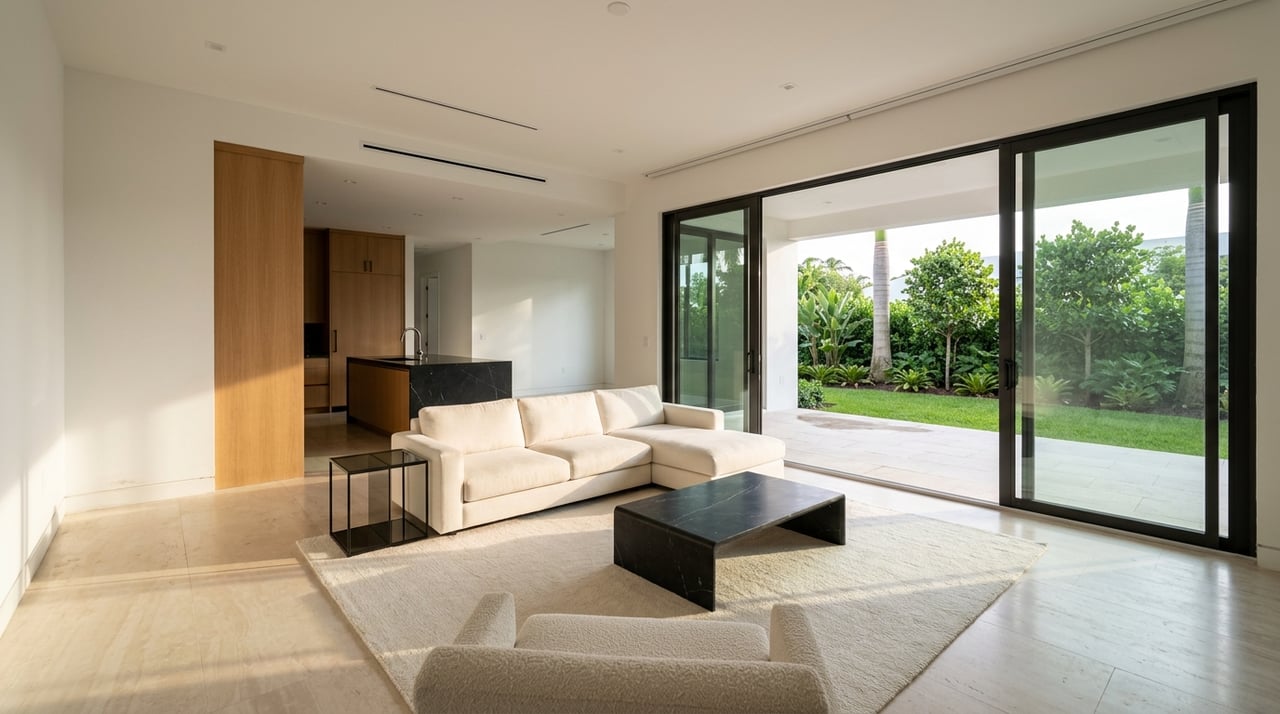
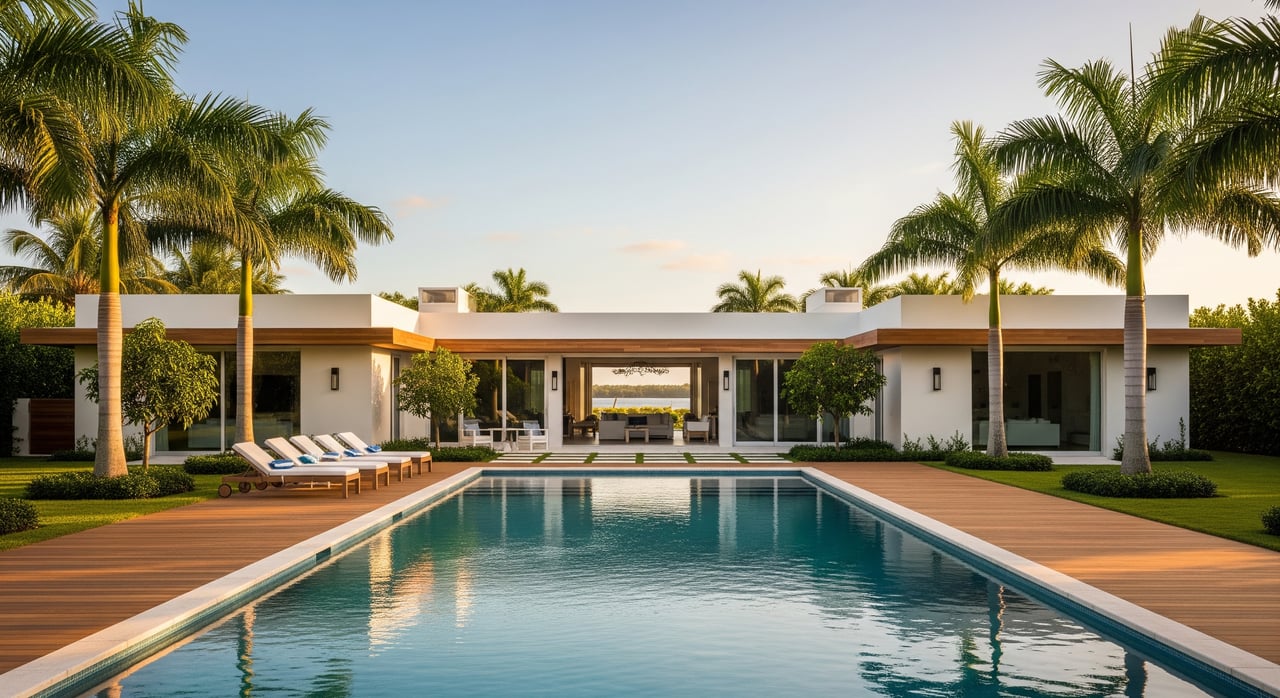
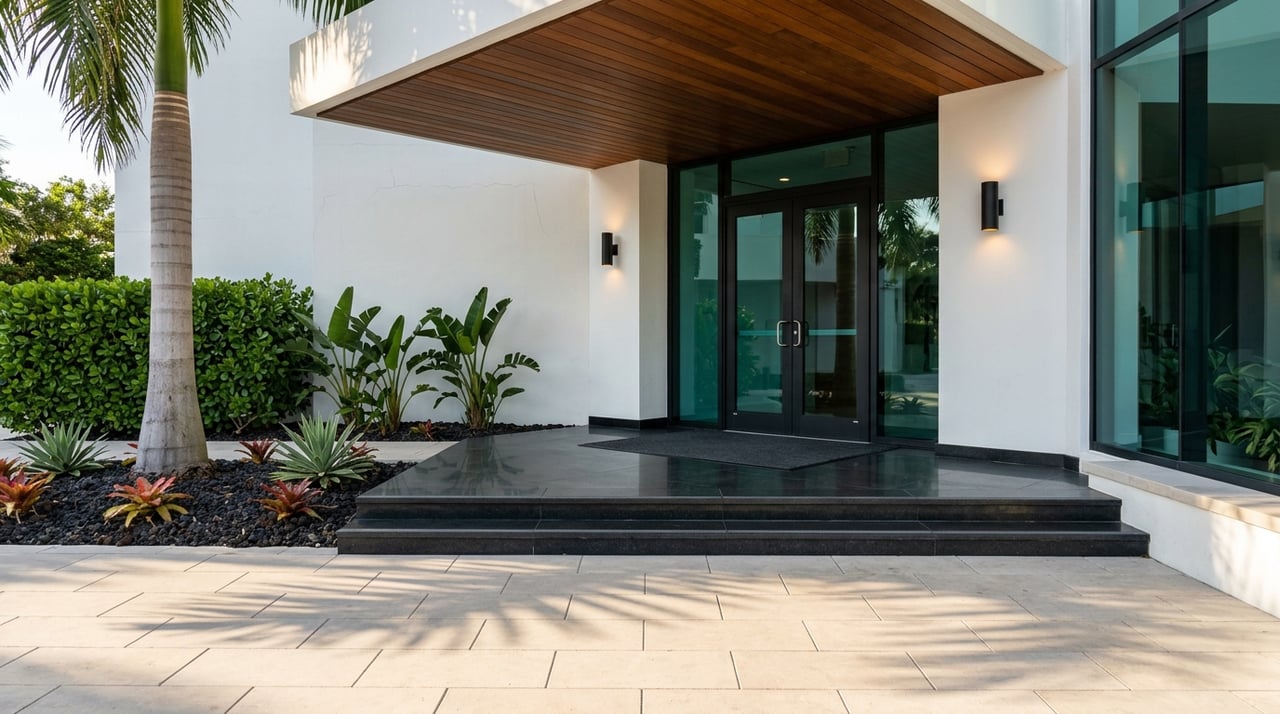
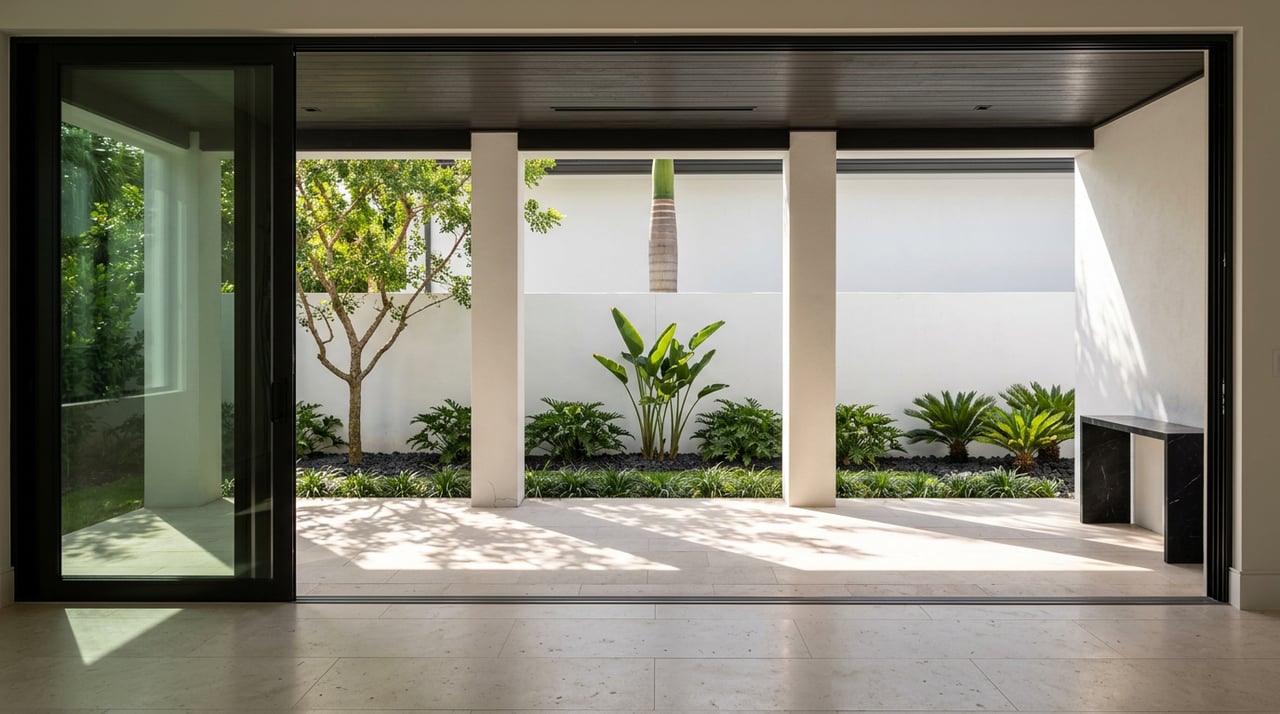
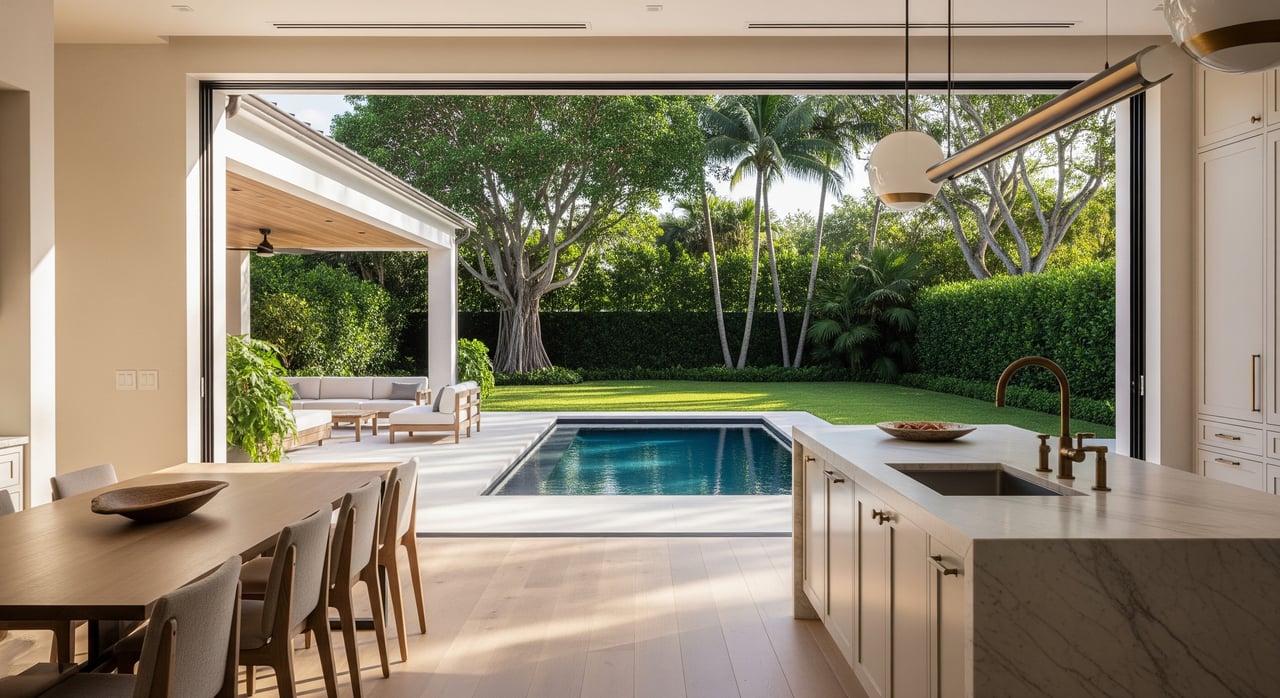
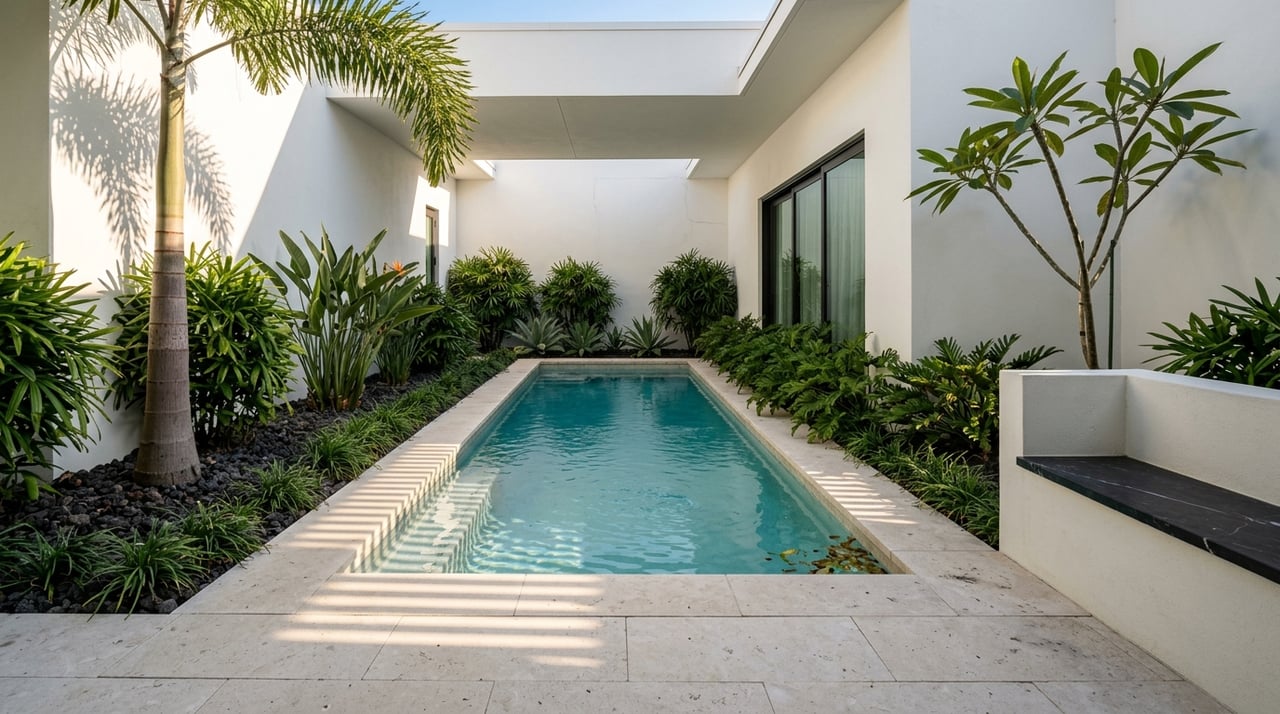
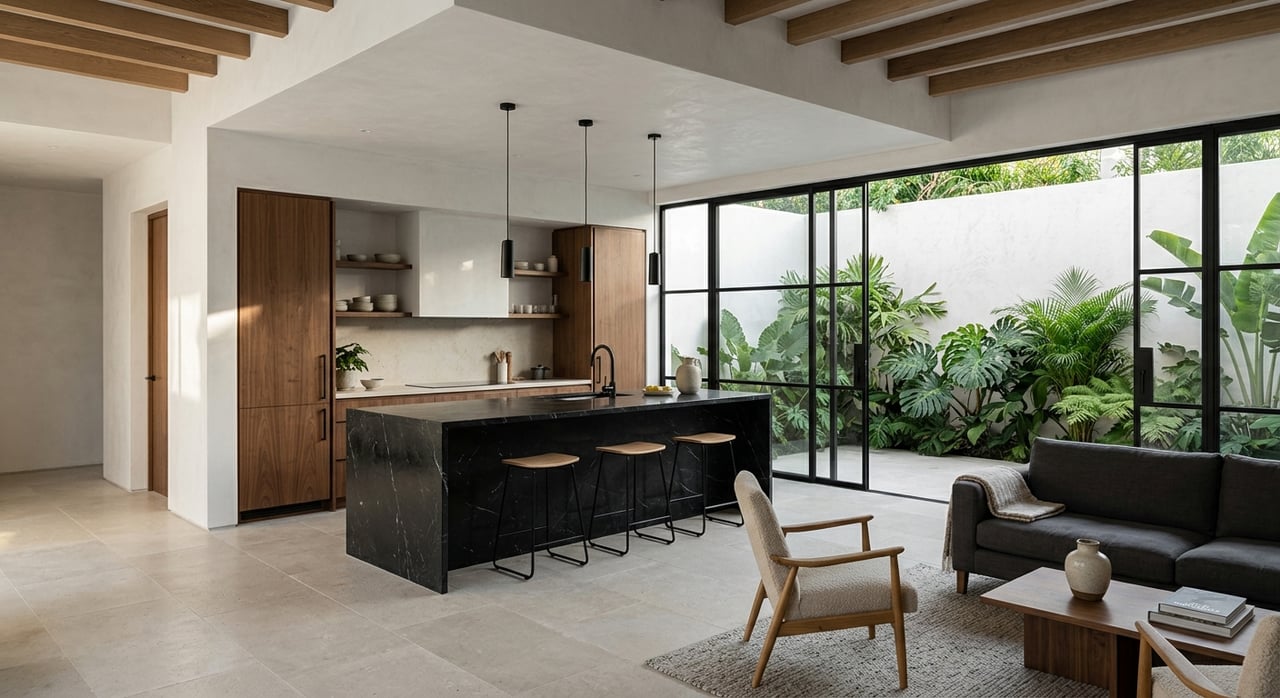
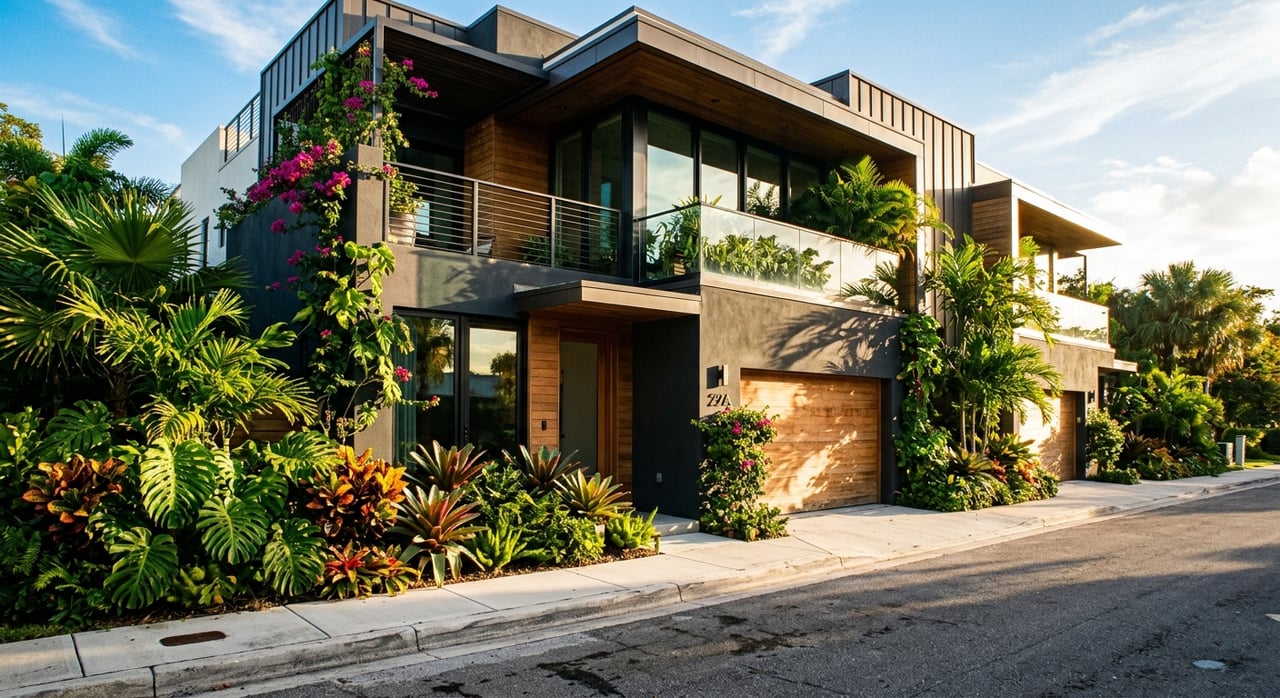
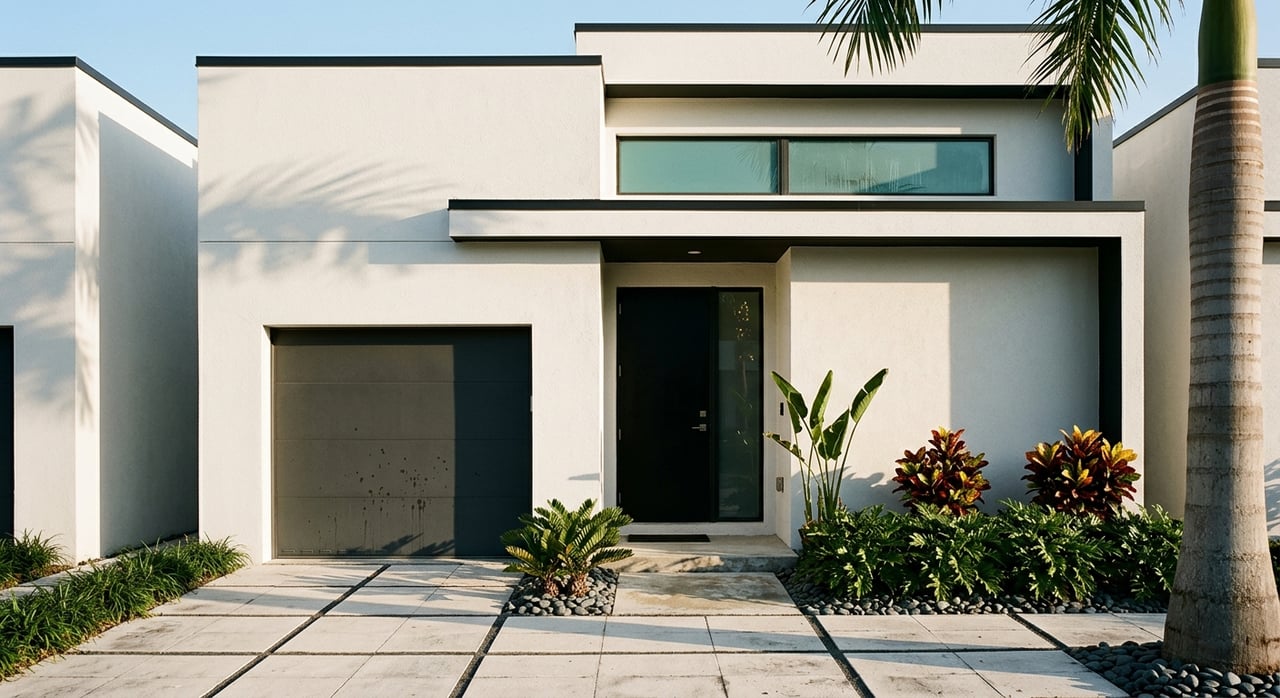
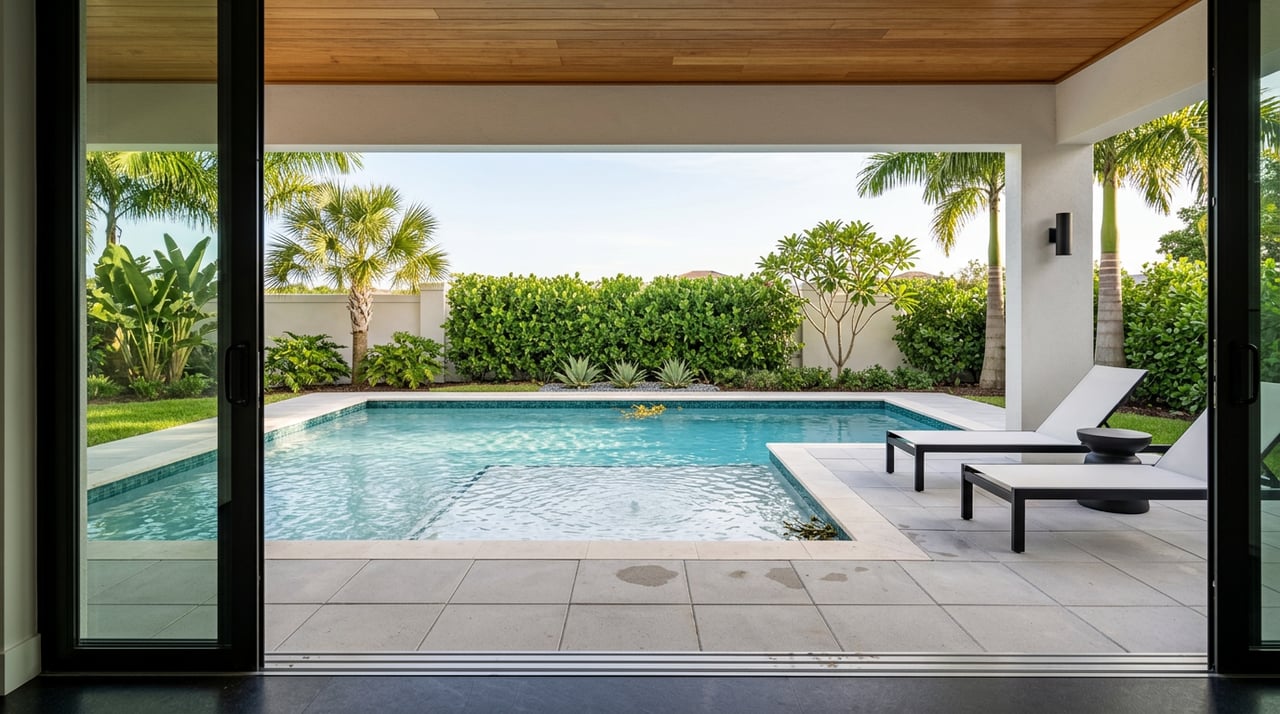
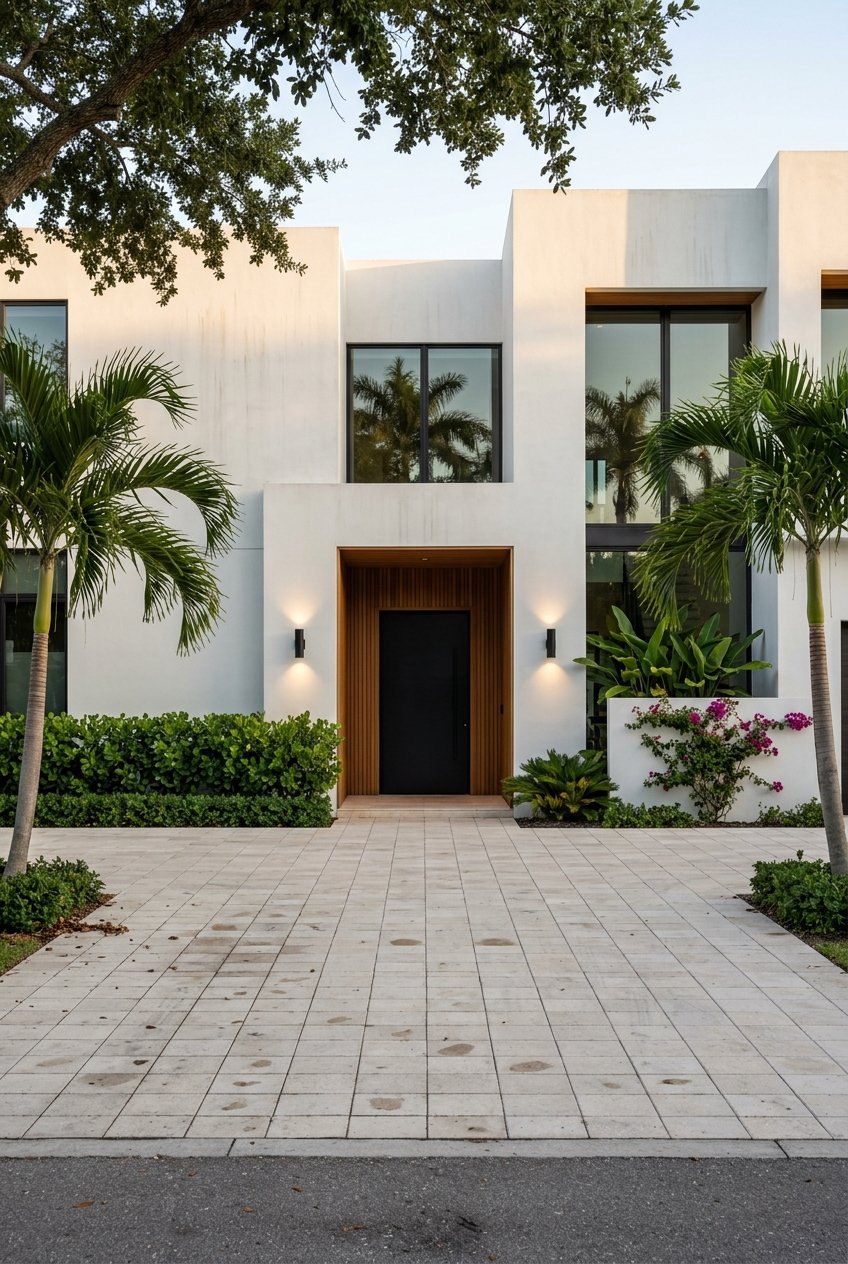
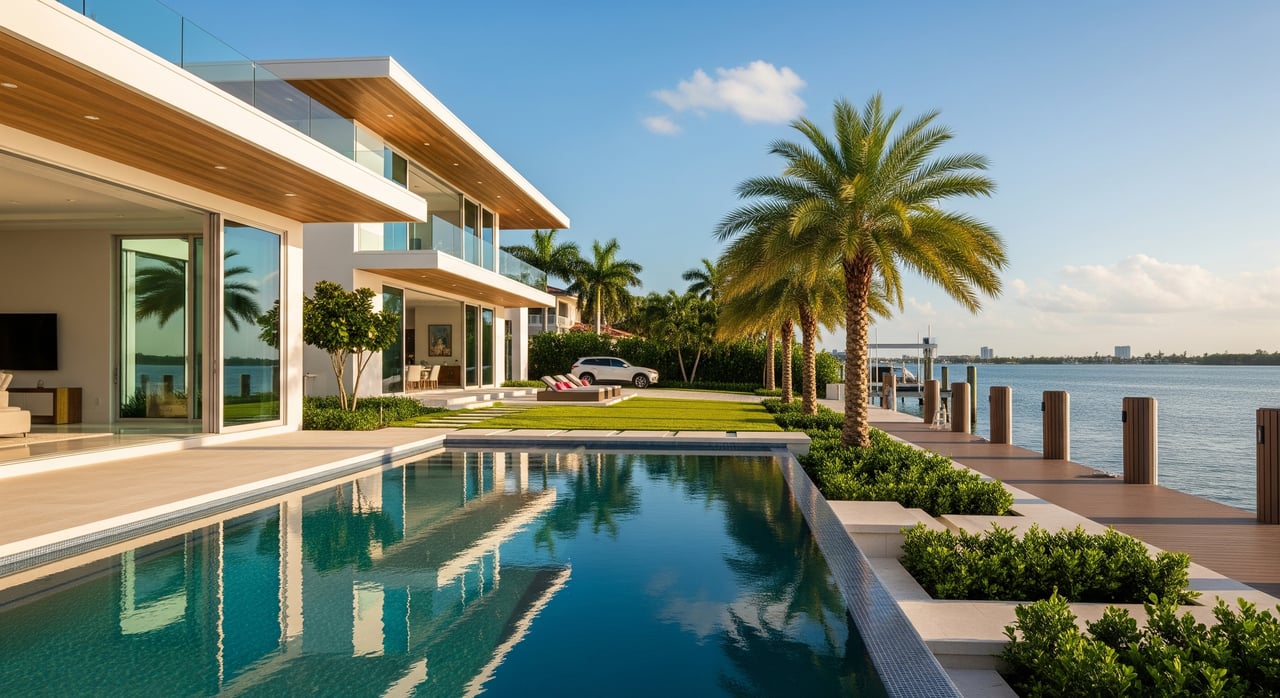
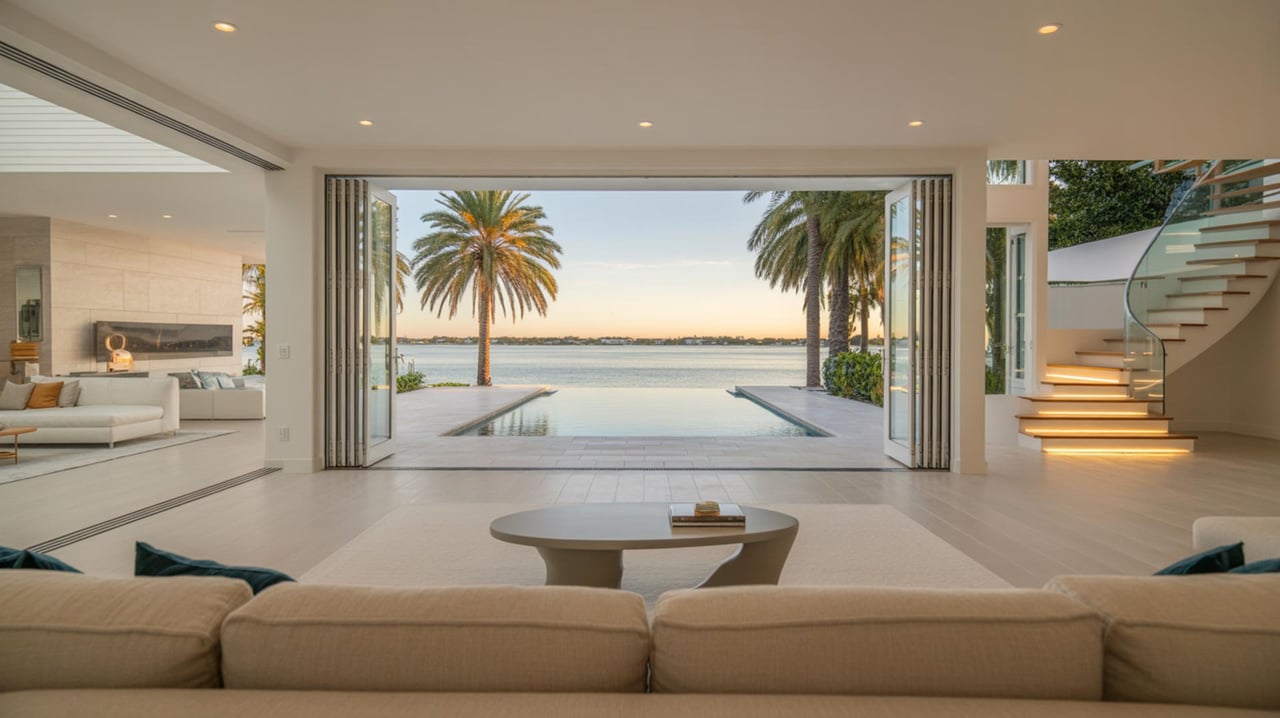
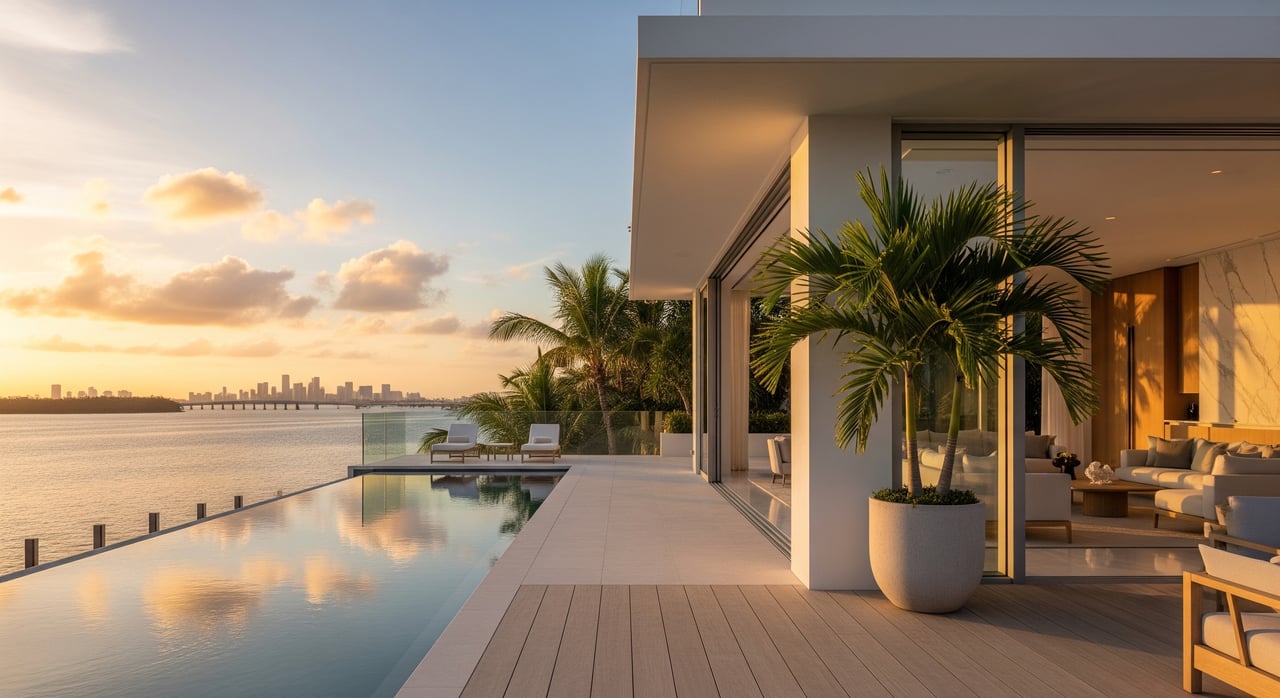
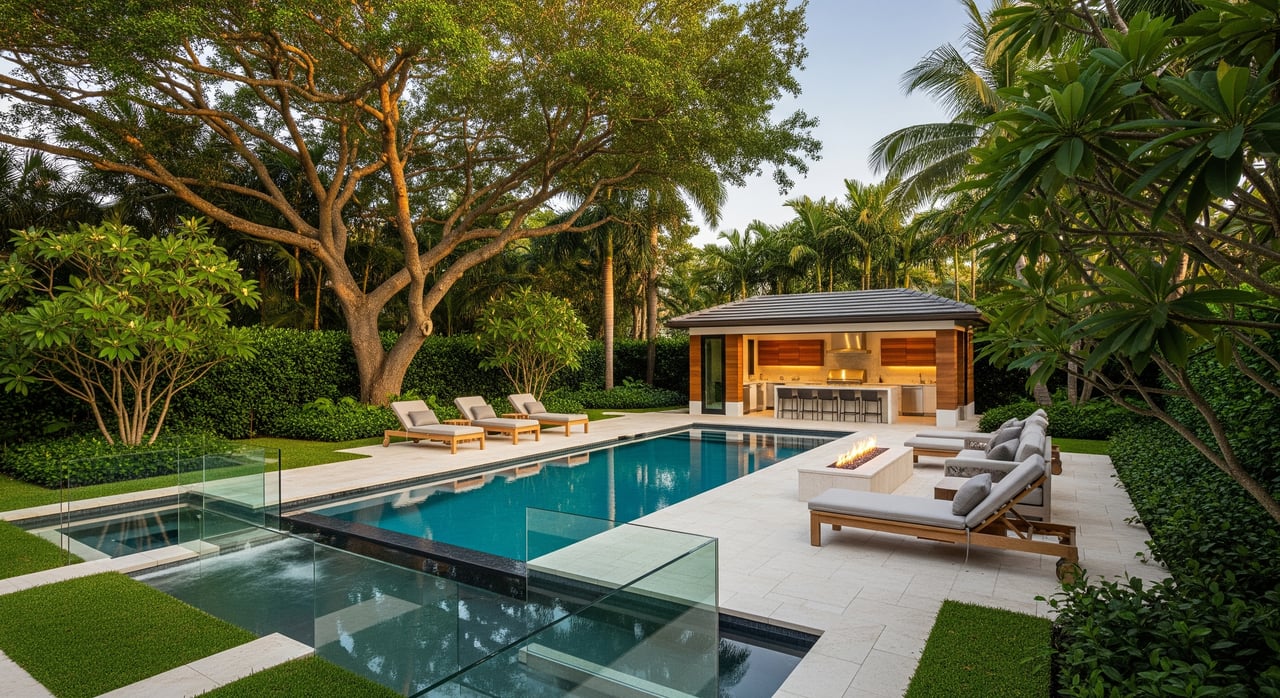
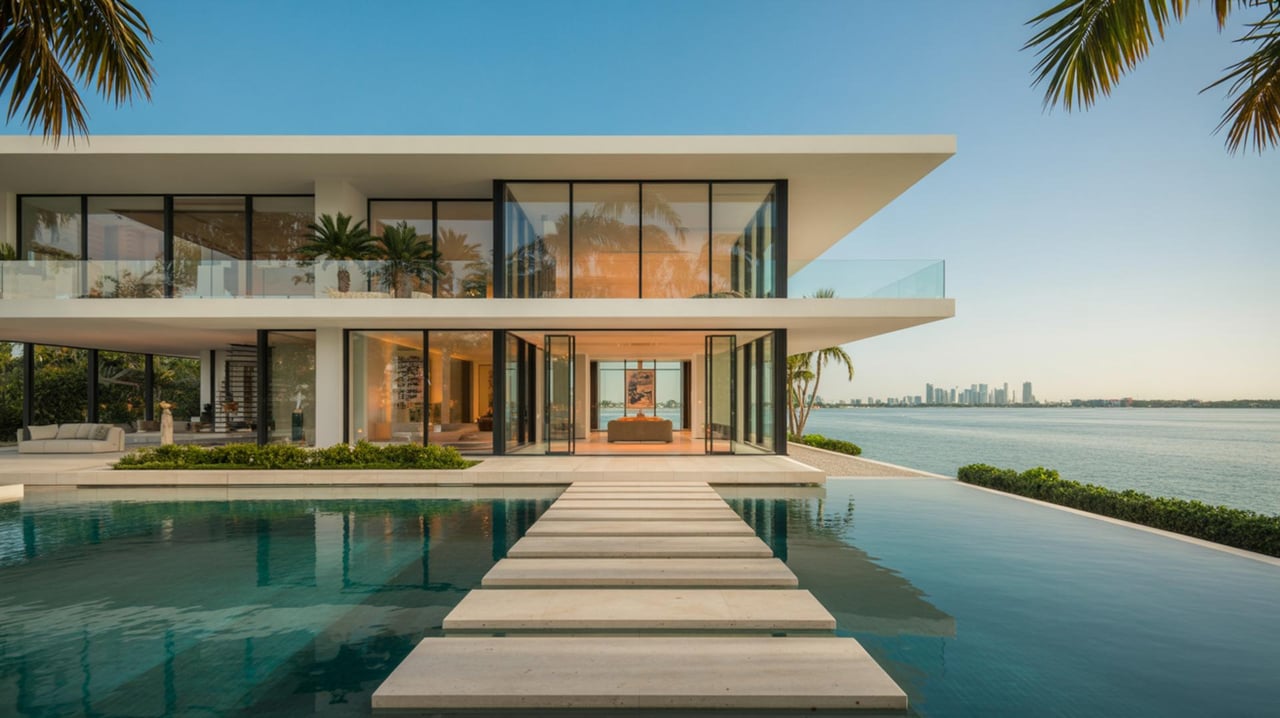
The past decade has brought a surge of modern and contemporary custom builds, as older ranch homes on 15,000-plus square foot lots are replaced by massive luxury estates. These properties feature sharp geometric lines, flat roofs, floor-to-ceiling glass, floating staircases, and monochromatic exteriors — usually paired with smart-home integration, resort-style infinity pools, and hurricane-rated construction.
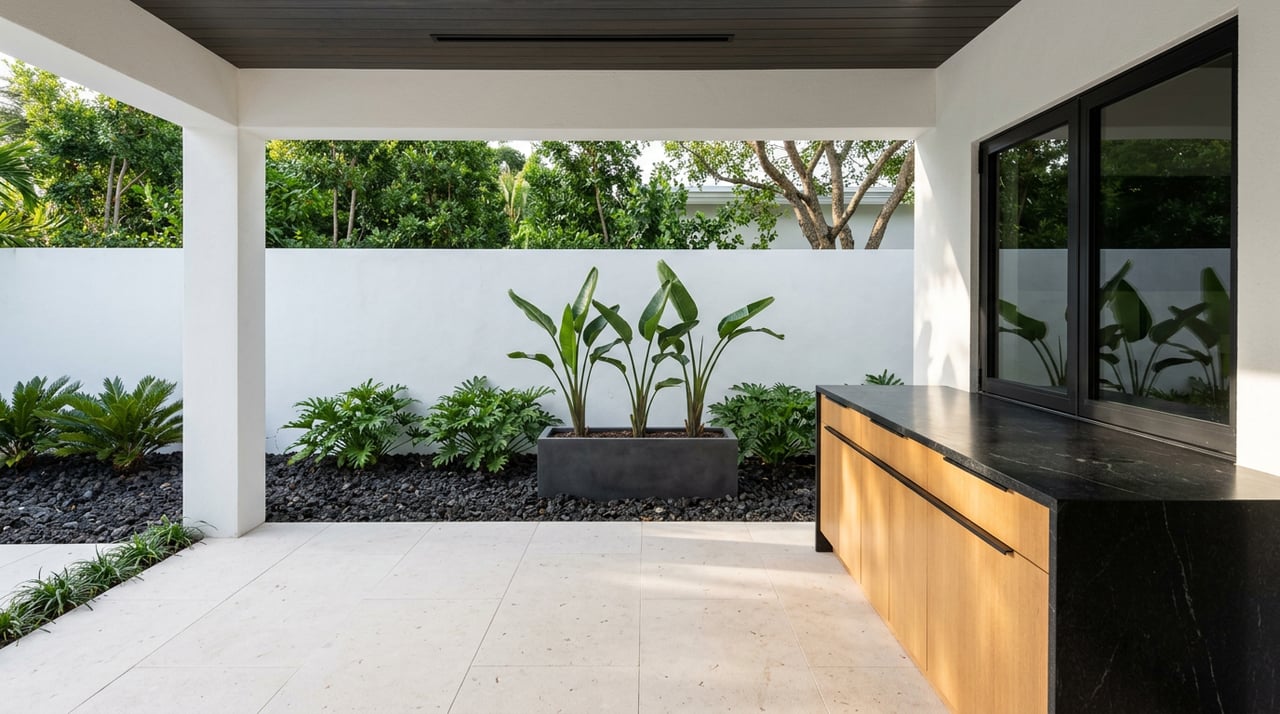
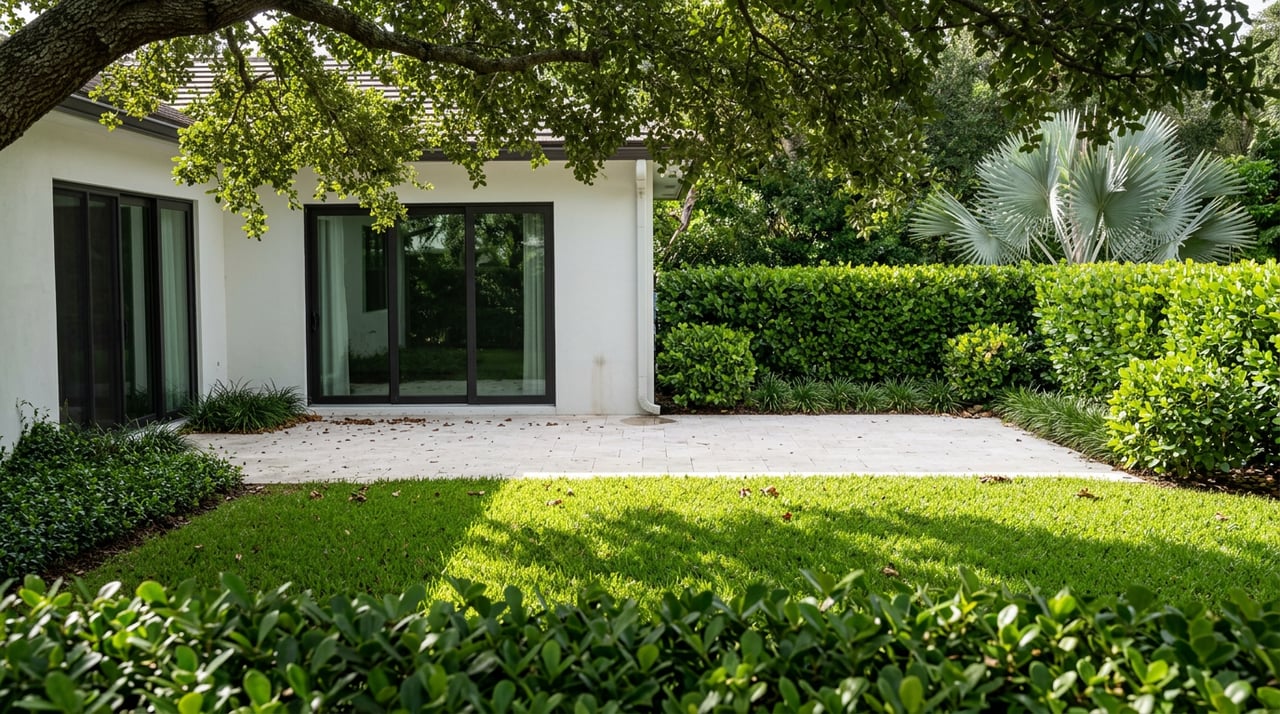
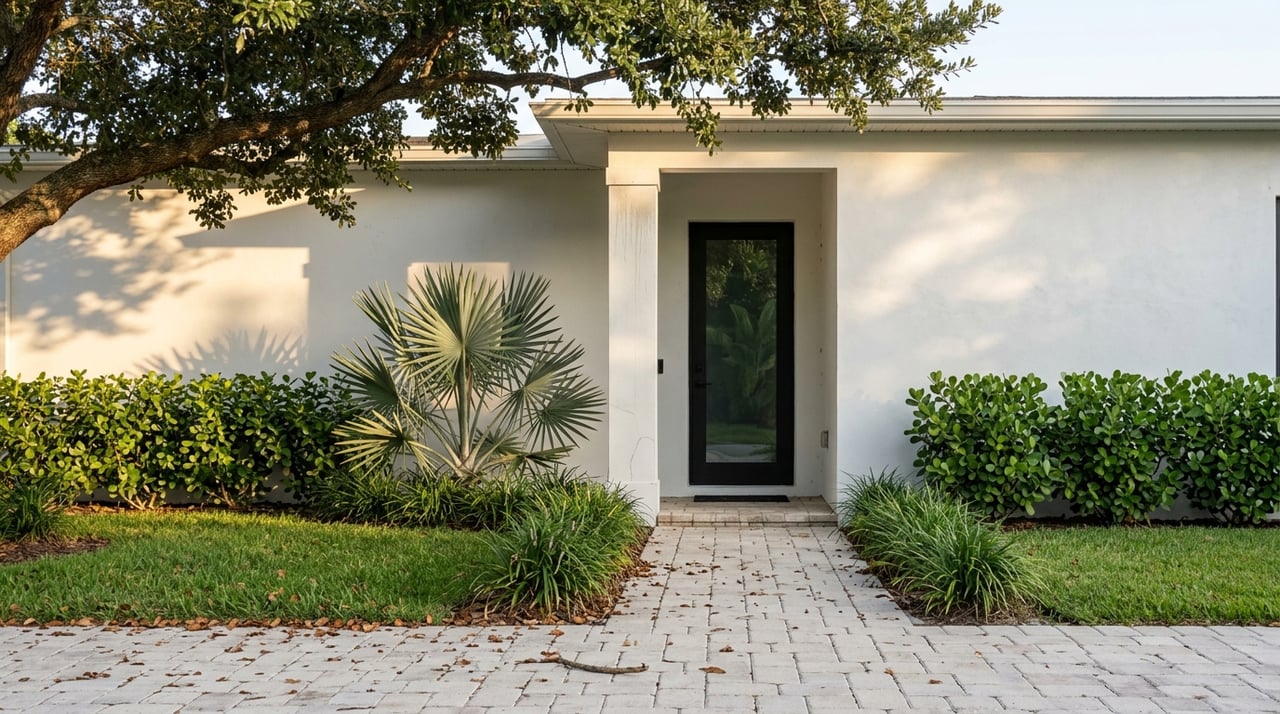
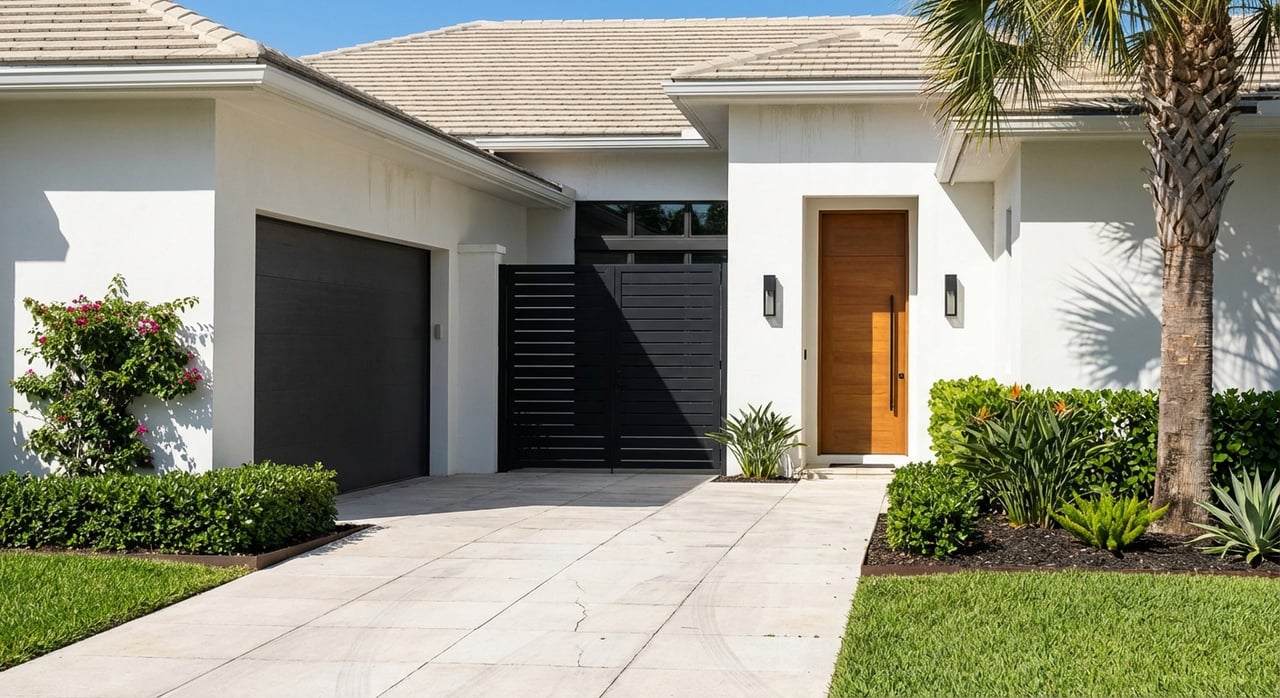
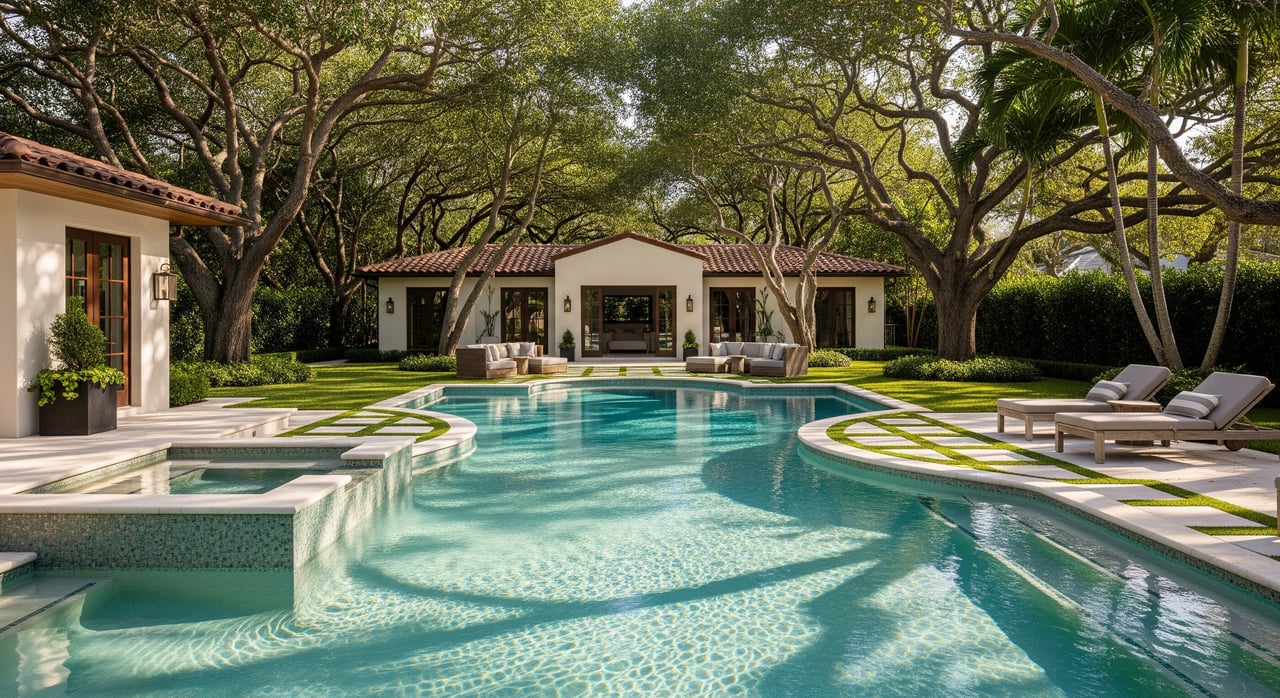
What unifies every era, though, is the landscaping. Village codes mandate strict tree preservation and deep building setbacks, so homes across all styles share the same lush, canopied character — massive front lawns, heavy oak coverage, and explosions of tropical foliage that create genuine privacy on every street.
Palmetto Bay doesn't segregate itself into rigid commercial and residential districts. Instead, it functions as a sprawling residential enclave with informal neighborhoods whose character shifts subtly depending on proximity to the coast, the canals, or US-1.
The Old Cutler Road Corridor on the east side is the village's most prestigious sub-district. Old Cutler Road itself is a historically protected scenic highway famous for its ancient ficus and live oak canopy, and the neighborhoods east of it extend directly to Biscayne Bay. This is the domain of custom waterfront estates, multi-acre private parcels, and historic landmarks like the Deering Estate and Thalatta Estate Park.
Mangowood is arguably the most beloved sub-neighborhood in Palmetto Bay — roughly 250 homes built primarily in the 1950s and 1960s, tucked near Coral Reef Park. It's celebrated for its Mid-Century Florida Ranch architecture and, more importantly, its deep community fabric. Independent holiday parades, block parties, and a vocal neighborhood association make it one of the most tightly knit pockets in South Miami-Dade.
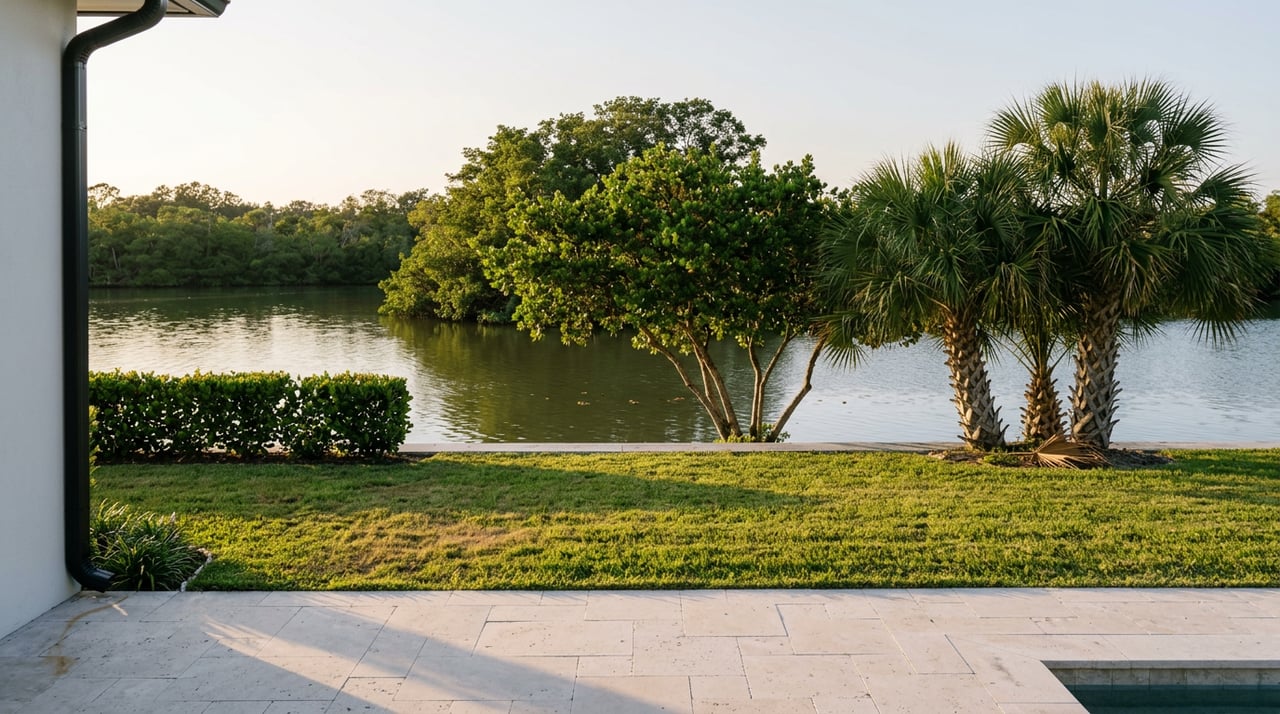
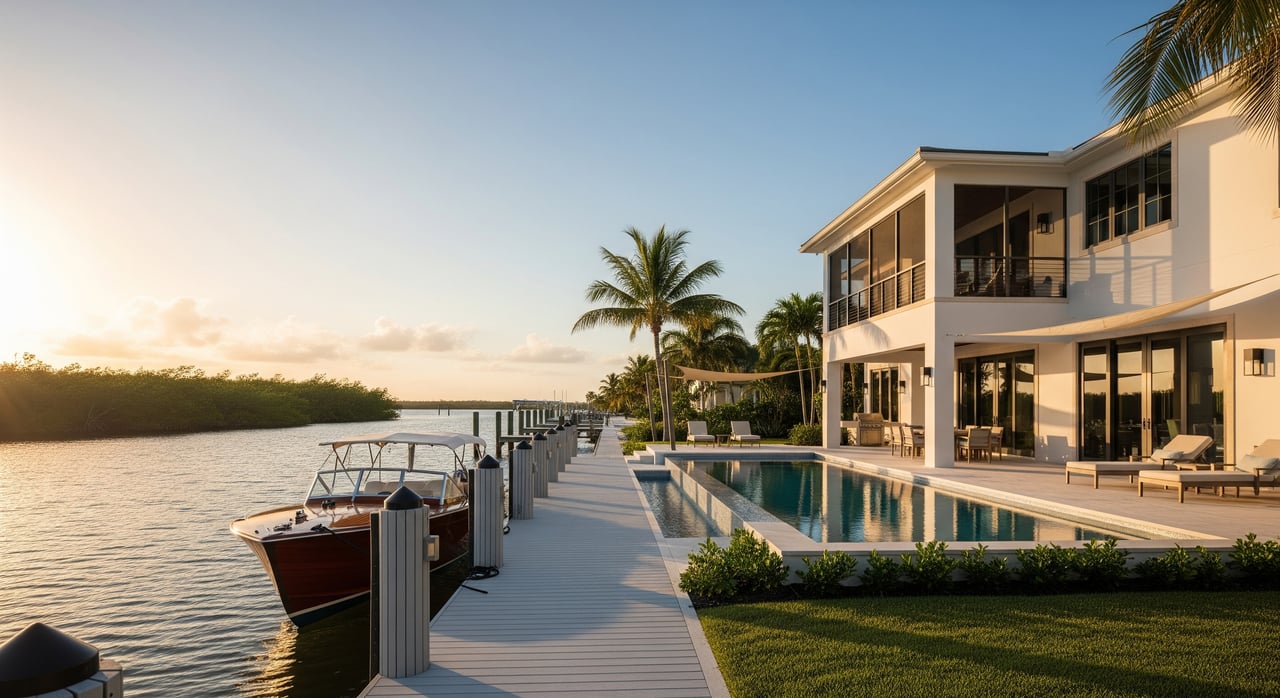
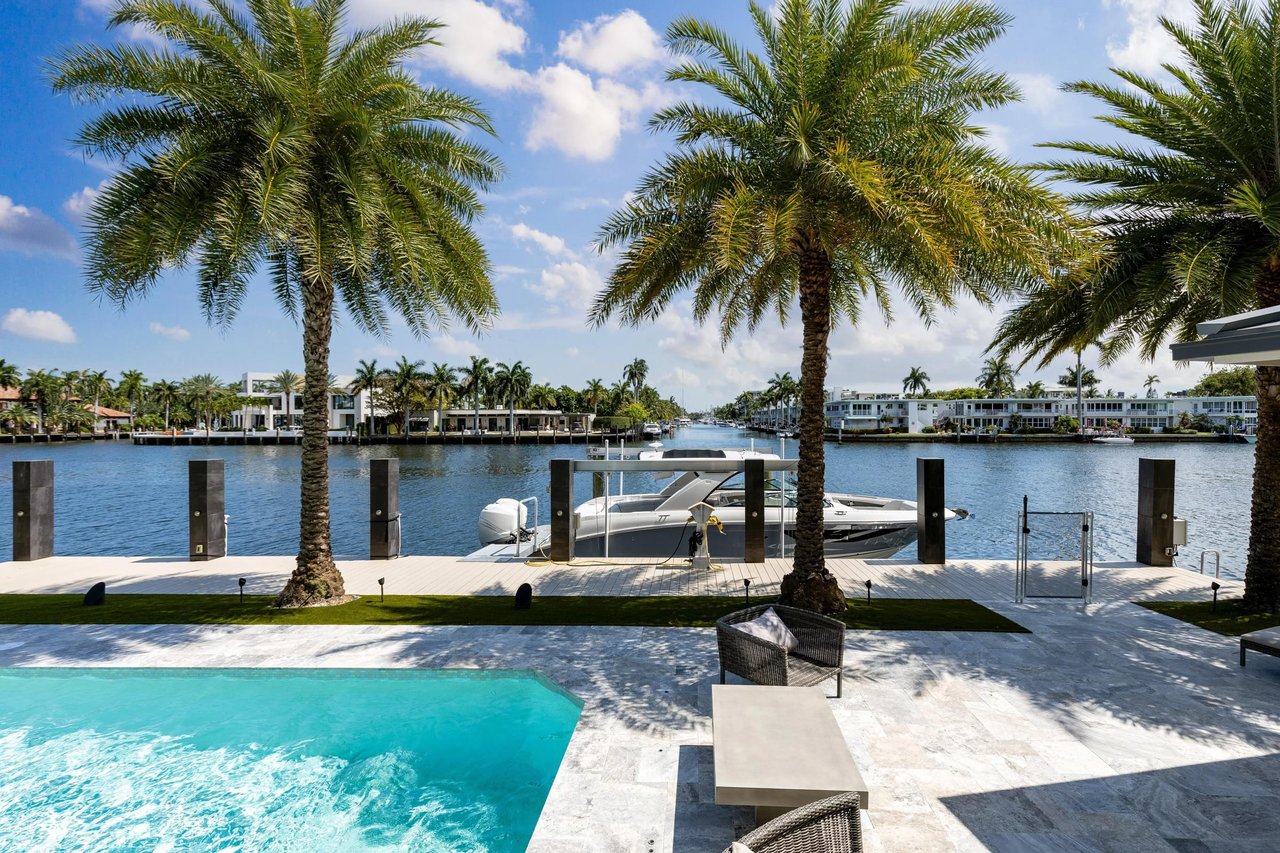
Royal Harbor and the canal communities are built around the C-100 canal system, offering large multi-story homes with private docks, pool decks, and premium water views. Not every canal provides direct ocean access, but the waterfront lifestyle is a defining draw.
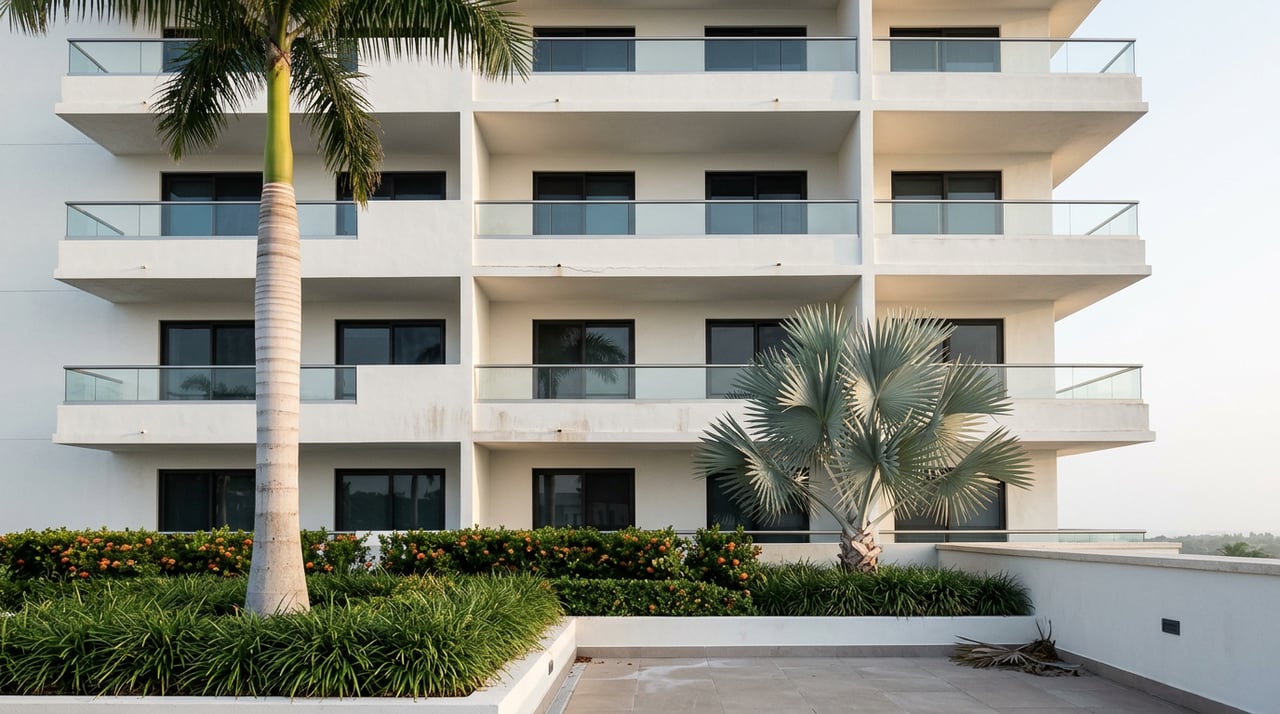
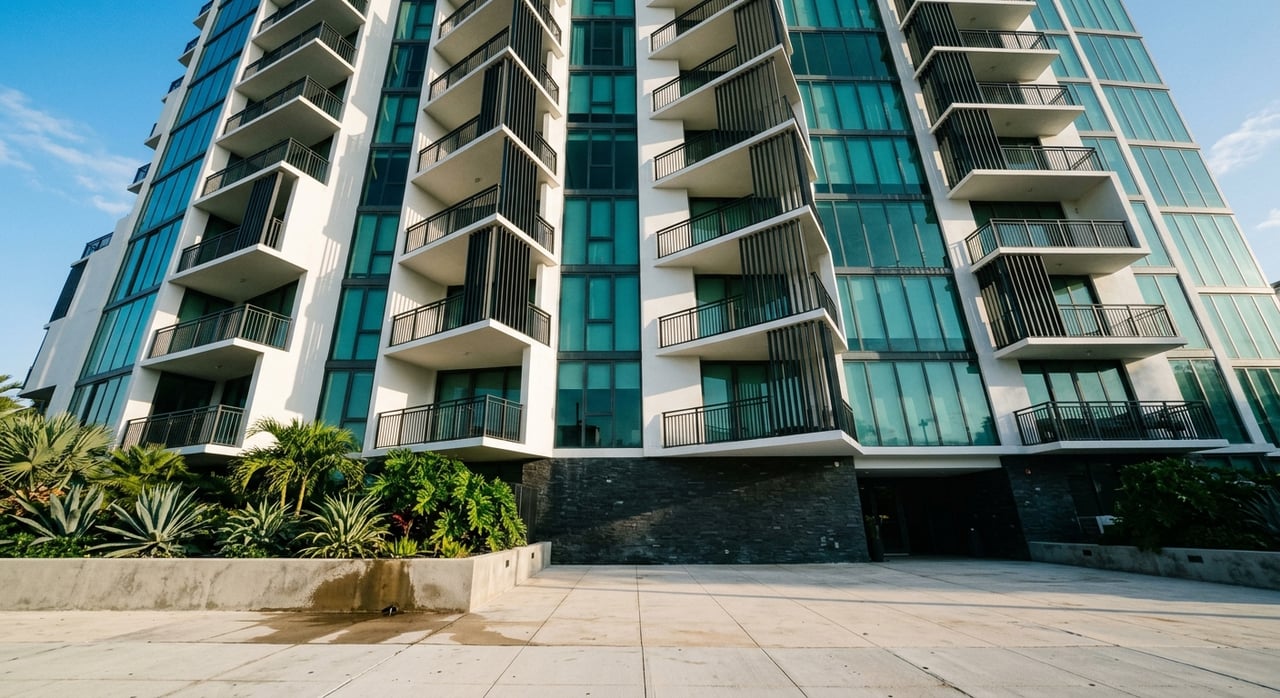
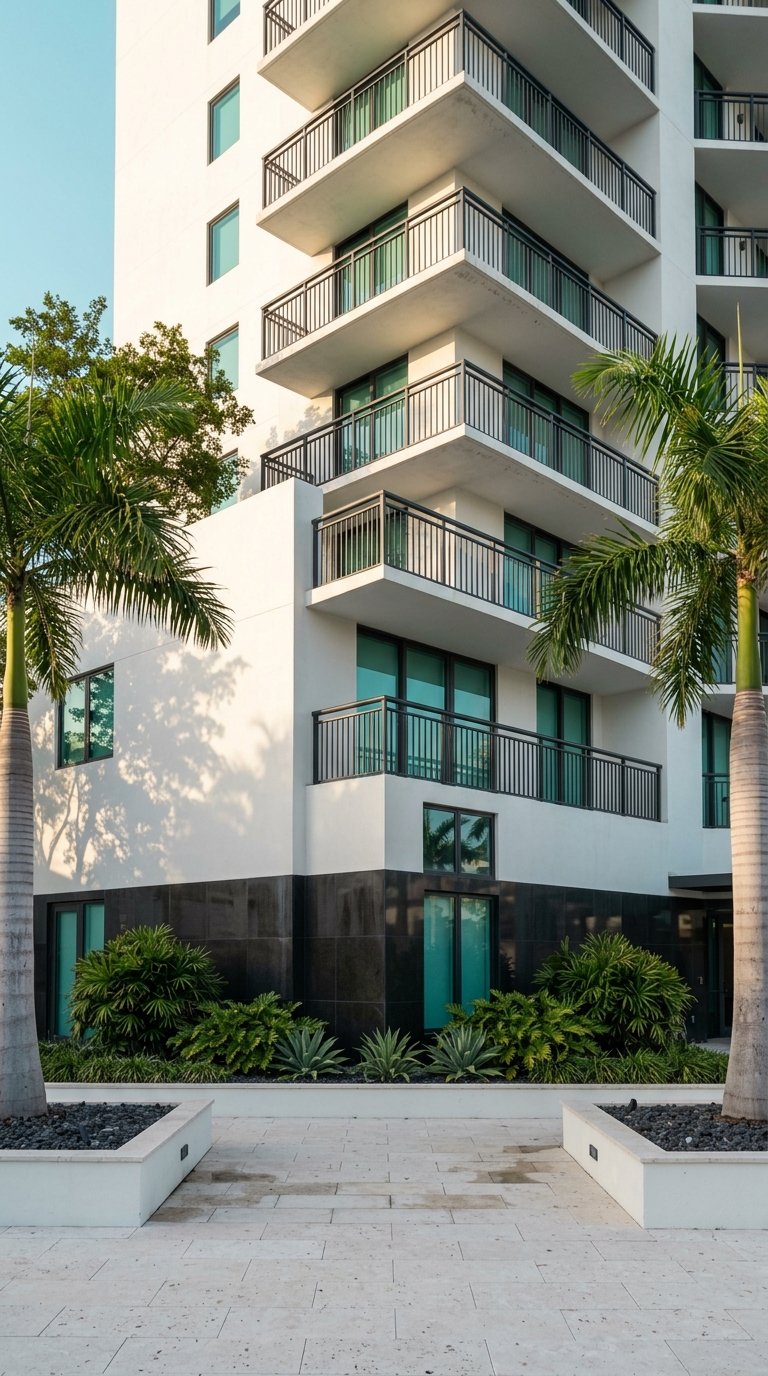
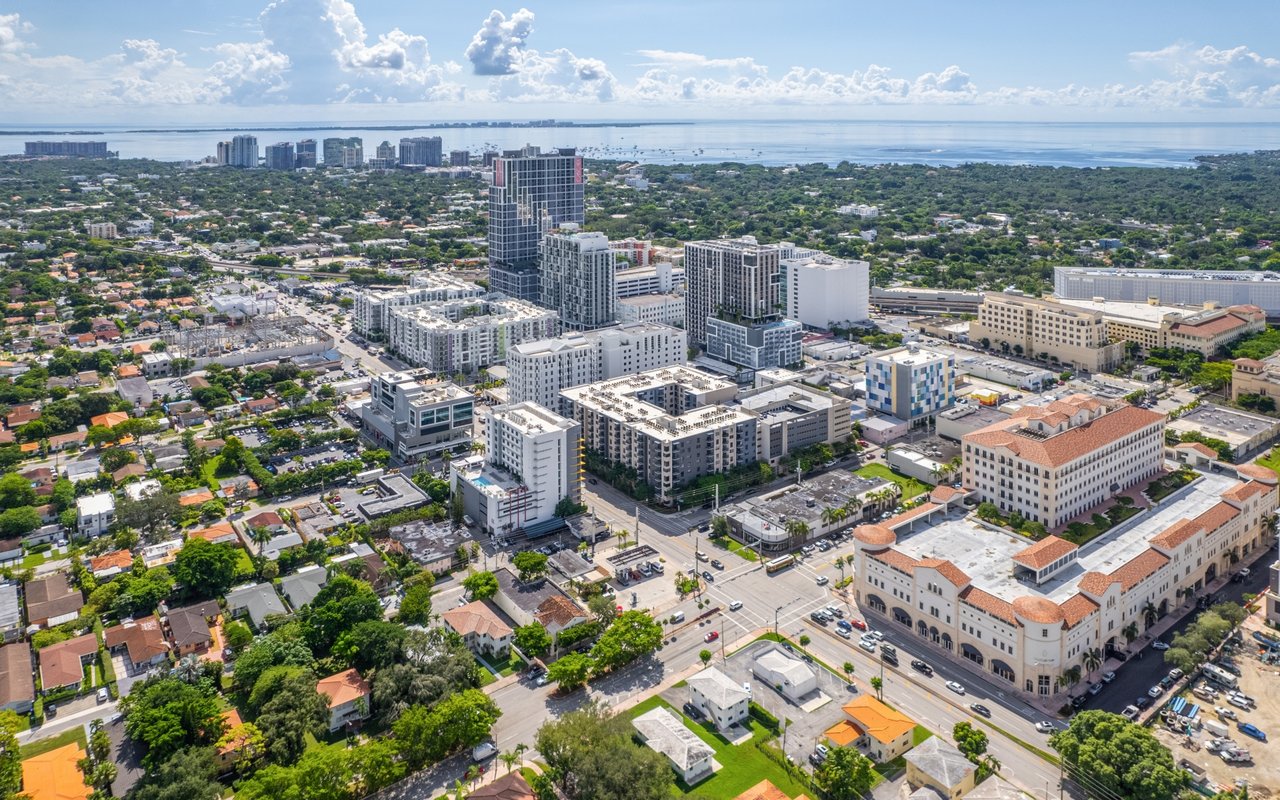
Finally, the Downtown Urban Village in the southwestern corner near US-1 offers something entirely different — a designated mixed-use zone with low-rise condos, luxury townhomes, and modern apartments designed to be walkable, bikeable, and close to bistros, offices, and shopping. It's the village's answer to buyers who want the Palmetto Bay address without a large single-family footprint.
If there's one factor that drives Palmetto Bay's real estate market more than any other, it's the schools. The village sits at the intersection of a powerhouse public school ecosystem and some of the most prestigious private campuses in South Florida.
On the public side, Coral Reef Elementary is one of the most sought-after elementary schools in Miami-Dade, known for its rigorous curriculum and deeply engaged parent community. Dr. Henry E. Perrine Academy of the Arts offers a K-5 magnet program that pairs strong academics with a serious focus on visual arts, dance, theater, and music. Southwood Middle School is nationally renowned for its Center for the Arts magnet program, drawing talented students from across the county for elite tracks in musical theater, photography, and broadcasting. And Miami Palmetto Senior High School — technically just north of the village border but serving the community — is a legendary public institution with a long list of notable alumni and elite AP, Capstone, and dual-enrollment programs.
On the private side, Palmer Trinity School is a premier co-educational Episcopal day school spanning 55 acres, serving grades 6-12 with a strong global education focus and top-tier college prep curriculum. Westminster Christian School, established in 1961, covers a massive PK-12 campus and anchors the school choice of many local families with its academics, athletics, and fine arts programs. Palmetto Bay Academy offers a smaller, individualized alternative with an emphasis on whole-student wellness.
For buyers, this ecosystem functions as an insurance policy on property values — the demand it generates is remarkably durable.
The "Village of Parks" nickname isn't marketing. Palmetto Bay maintains one of the most extensive municipal park systems per capita in Miami-Dade, and its outdoor infrastructure is woven directly into daily life.
Coral Reef Park is the crown jewel — over 50 acres featuring a pineland preserve, canal-side walking trails, tennis and racquetball courts, baseball fields, and open-air gazebos. It functions as the village's central gathering place. Palmetto Bay Park covers 25 acres with a six-field softball complex, a shaded playground, a boundless park designed for children of all abilities, and a popular skate park. Ludovici Park hosts the Edward & Arlene Feller Amphitheater and serves as the cultural heart of the village, home to community concerts, outdoor movie nights, and seasonal festivals.
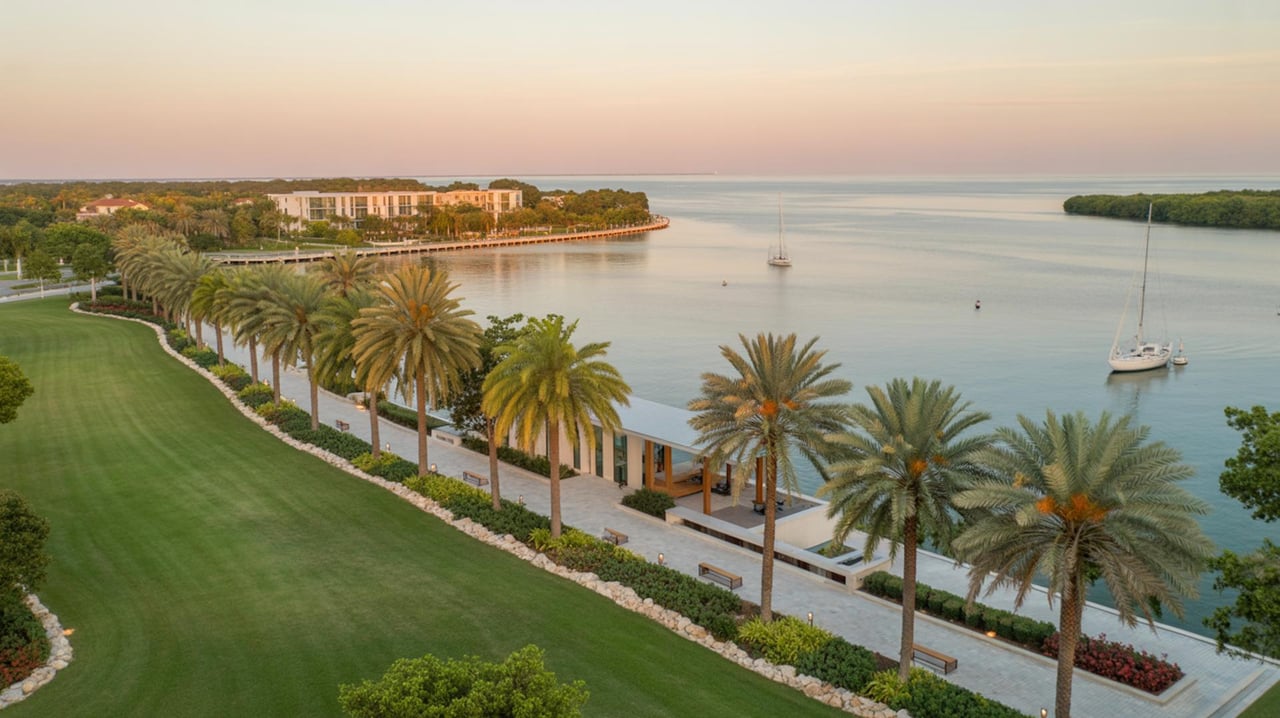
The waterfront experience is equally distinctive. Thalatta Estate Park preserves a stunning 1926 Mediterranean Revival estate with unobstructed views of Biscayne Bay across a sprawling manicured lawn — a favorite for weddings, bird-watching, and sunset walks. The Deering Estate, technically a Miami-Dade County park on the village's edge, spans 444 acres of environmental and archaeological preserve where residents can kayak into Biscayne Bay, take guided night hikes through native hardwood hammocks, or tour restored pioneer homes.
For families weighing where to raise children in South Florida, this concentration of accessible, high-quality outdoor space is one of Palmetto Bay's strongest arguments.
Palmetto Bay's food scene mirrors its personality — unhurried, community-oriented, and refreshingly free of pretense. There are no crowded nightlife strips or influencer hotspots here. Instead, the culinary landscape is built around family-owned bistros, strip-mall hidden gems, and authentic international kitchens clustered along US-1 and Franjo Road.
Local institutions like Walter's Coffee Shop have served as morning gathering points for generations of residents, offering classic American breakfast and the kind of conversation that only comes from decades of familiar faces. Bay 13 Brewery and Kitchen and other nearby craft outposts offer relaxed, family-friendly settings for artisanal small plates and locally brewed beer. Fresh seafood is easy to find thanks to the village's coastal position, with casual spots serving mahi-mahi sandwiches, stone crab claws in season, and tropical ceviches.
The international scene benefits from Miami-Dade's cultural diversity in a big way. Cuban ventanitas dispense strong espresso and croquetas alongside sit-down Peruvian, Colombian, and Venezuelan spots. Highly rated sushi bars, Thai kitchens, and intimate Italian trattorias round out a scene where multi-generational loyalty runs deep and reservations are more about tradition than trend.
Palmetto Bay is overwhelmingly residential by design, but everyday shopping and services are never more than a few minutes away. The South Dixie Highway (US-1) corridor along the western edge is the village's commercial spine, home to well-traveled Publix and Fresh Market locations, big-box anchors like Target and Home Depot, and a full range of daily services.
Just across US-1 sits The Falls Shopping Center, one of South Florida's premier open-air malls. Designed around cascading waterfalls and tropical lagoons, it offers national retail brands, dynamic dining, and a movie theater — all within a five-minute drive of most Palmetto Bay homes.
Closer to the village interior, commercial activity thins out into low-density strip plazas along Franjo Road and SW 168th Street, where boutique fitness studios, family-owned hardware stores, medical clinics, dental offices, and dry cleaners handle the small-town infrastructure without disrupting the residential tree canopy.
Civic life in Palmetto Bay is unusually active, and much of that stems from the village's founding rationale: residents wanted local control, and they've stayed engaged in exercising it.
Community programming centers around the parks. The Palmetto Bay Farmer's Market at Coral Reef Park is a Sunday tradition during the cooler months, drawing neighbors for local produce, artisanal baked goods, and handmade crafts. The Ludovici Park amphitheater hosts marquee events throughout the year — Camping in the Park & Movie Night, Earth Day festivals, and live holiday concerts. Free wellness programming, including Yoga by the Bay at Thalatta Estate and community pilates classes, is offered in partnership with Baptist Health, and environmental clean-up initiatives at the Pine Rocklands see exceptionally strong volunteer turnout.
The village operates under a Council-Manager form of government. A five-member Village Council — a Mayor, Vice Mayor, and three Seat Councilors representing residential districts — handles legislation, zoning, and policy. The Village Manager, appointed by the Council, runs day-to-day operations. Rather than maintaining a standalone police force, Palmetto Bay contracts directly with the Miami-Dade Police Department for a dedicated local policing unit, which delivers small-town responsiveness backed by county-level resources.
Palmetto Bay is a suburban village, and driving remains the primary mode of transportation, but the transit picture has improved substantially in recent years.
By car, the village is bordered directly by South Dixie Highway (US-1), the main artery connecting South Dade to Miami's urban core. Commutes to Downtown Miami or Brickell — roughly 15 miles north — typically run 35 to 60-plus minutes during peak hours, either along US-1 or by cutting west to the Palmetto Expressway (SR 826) or Don Shula Expressway (SR 874). For a slower, more scenic drive, Old Cutler Road winds north through a canopied tunnel of oaks and ficus toward Pinecrest and Coral Gables.
The South Dade TransitWay — an all-electric Bus Rapid Transit corridor called the Metro Express — runs parallel to US-1 along a dedicated 20-mile route, with rail-like gate arms at intersections giving buses priority over car traffic. It connects directly to the Dadeland South Metrorail Station, effectively cutting the downtown commute significantly and bypassing highway gridlock entirely.
The village also funds two free local transit options that quietly make daily life easier. The I-Bus is a morning and afternoon commuter shuttle that picks residents up at park-and-ride points and drops them at the Dadeland South Metrorail Station. Freebee is an on-demand smartphone-hailed electric vehicle service that provides free door-to-door rides anywhere within village limits — a genuinely useful perk for errands, park visits, and short trips.
Three arguments consistently surface when buyers explain why they chose Palmetto Bay over neighboring Pinecrest, Coral Gables, or the Miami waterfront condo market.
The first is value per square foot. Palmetto Bay is unquestionably a luxury market, but its million-dollar budgets stretch further than they do in Pinecrest or Coral Gables. Buyers here regularly secure deep-set lots — often a half-acre or more — with mature oak canopies, private pools, and room for expansion, while comparable Pinecrest budgets often deliver tighter lot lines and smaller footprints.
The second is the "Village of Parks" lifestyle. Palmetto Bay feels engineered for families and outdoor living in a way that most Miami communities don't. Bike paths, protected preserves, waterfront access, and top-tier public parks anchor daily routines. There's a tangible small-town safety here that's genuinely rare 30 minutes from a global metropolis.
The third is the school ecosystem. Living in Palmetto Bay grants geographic access to some of the highest-performing public magnet schools in Miami-Dade — Coral Reef Elementary, Southwood Middle, and by extension Miami Palmetto Senior High — while placing families minutes away from Palmer Trinity, Westminster Christian, and other elite private campuses. For many buyers, the decision to move here is a long-term educational investment as much as a real estate one, and it's an investment that historically protects property values through every market cycle.
Palmetto Bay is a market that rewards local knowledge. The differences between Old Cutler Road estates, Mangowood ranch homes, canal-front properties in Royal Harbor, and the Downtown Urban Village are meaningful — and they're the kind of nuances that don't translate well through generic listing searches or out-of-market agents.
Noel Barrientos of The Miami Home Group brings over 14 years of sales and client service experience to buyers and sellers navigating South Miami-Dade's luxury and family markets. Whether you're weighing a purchase along Biscayne Bay, selling a Mid-Century ranch in one of the village's historic pockets, or exploring townhomes in the Downtown Urban Village, Noel offers the kind of hands-on, professional, and personally invested guidance that Palmetto Bay's market demands.
To start a conversation about buying, selling, or renting in the Village of Palmetto Bay, reach out directly:
The Miami Home Group is ready to help you make your next move your best one yet.
There's plenty to do around Village Of Palmetto Bay, including shopping, dining, nightlife, parks, and more. Data provided by Walk Score and Yelp.
Explore popular things to do in the area, including Carbbian Gold Delivery, Caribbean Gold, and Itsumo Foods.
| Name | Category | Distance | Reviews |
Ratings by
Yelp
|
|---|---|---|---|---|
| Dining | 0.93 miles | 0 reviews | 0/5 stars | |
| Dining | 0.93 miles | 0 reviews | 0/5 stars | |
| Dining | 1.22 miles | 1 review | 4/5 stars | |
| Dining | 1.29 miles | 0 reviews | 0/5 stars | |
| Dining | 1.35 miles | 0 reviews | 0/5 stars | |
| Dining | 1.35 miles | 0 reviews | 0/5 stars | |
| Active | 0.9 miles | 0 reviews | 0/5 stars | |
| Active | 1.48 miles | 0 reviews | 0/5 stars | |
| Beauty | 1.23 miles | 0 reviews | 0/5 stars | |
| Beauty | 1.28 miles | 0 reviews | 0/5 stars | |
| Beauty | 1.3 miles | 0 reviews | 0/5 stars | |
| Beauty | 1.3 miles | 0 reviews | 0/5 stars | |
| Beauty | 1.31 miles | 0 reviews | 0/5 stars | |
| Beauty | 1.35 miles | 0 reviews | 0/5 stars | |
| Beauty | 1.35 miles | 0 reviews | 0/5 stars | |
| Beauty | 1.35 miles | 0 reviews | 0/5 stars | |
| Beauty | 1.57 miles | 0 reviews | 0/5 stars | |
| Beauty | 1.58 miles | 2 reviews | 5/5 stars | |
| Beauty | 1.6 miles | 0 reviews | 0/5 stars | |
|
|
||||
|
|
||||
|
|
||||
|
|
||||
|
|
||||
|
|
Village Of Palmetto Bay has 8,138 households, with an average household size of 2.97. Data provided by the U.S. Census Bureau. Here’s what the people living in Village Of Palmetto Bay do for work — and how long it takes them to get there. Data provided by the U.S. Census Bureau. 24,247 people call Village Of Palmetto Bay home. The population density is 2,927 and the largest age group is Data provided by the U.S. Census Bureau.
Total Population
Population Density Population Density This is the number of people per square mile in a neighborhood.
Median Age
Men vs Women
Population by Age Group
0-9 Years
10-17 Years
18-24 Years
25-64 Years
65-74 Years
75+ Years
Education Level
Total Households
Average Household Size
Average individual Income
Households with Children
With Children:
Without Children:
Blue vs White Collar Workers
Blue Collar:
White Collar:
Miami FL
Miami FL