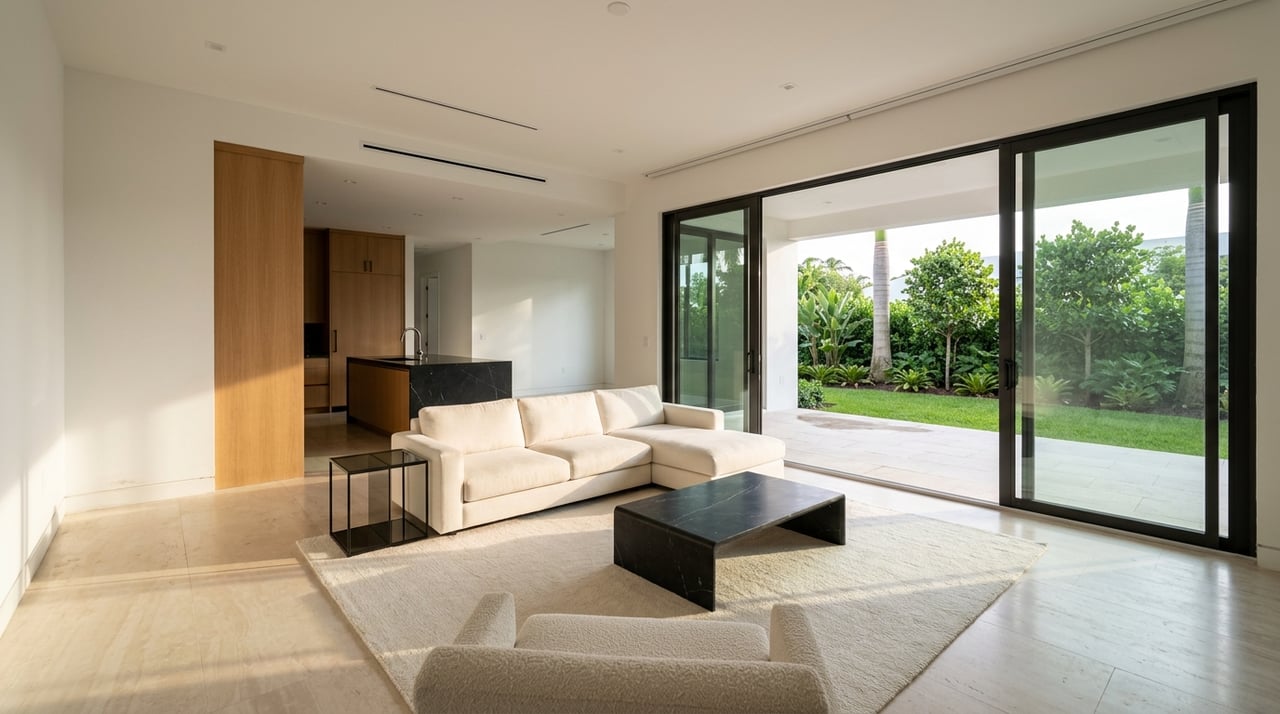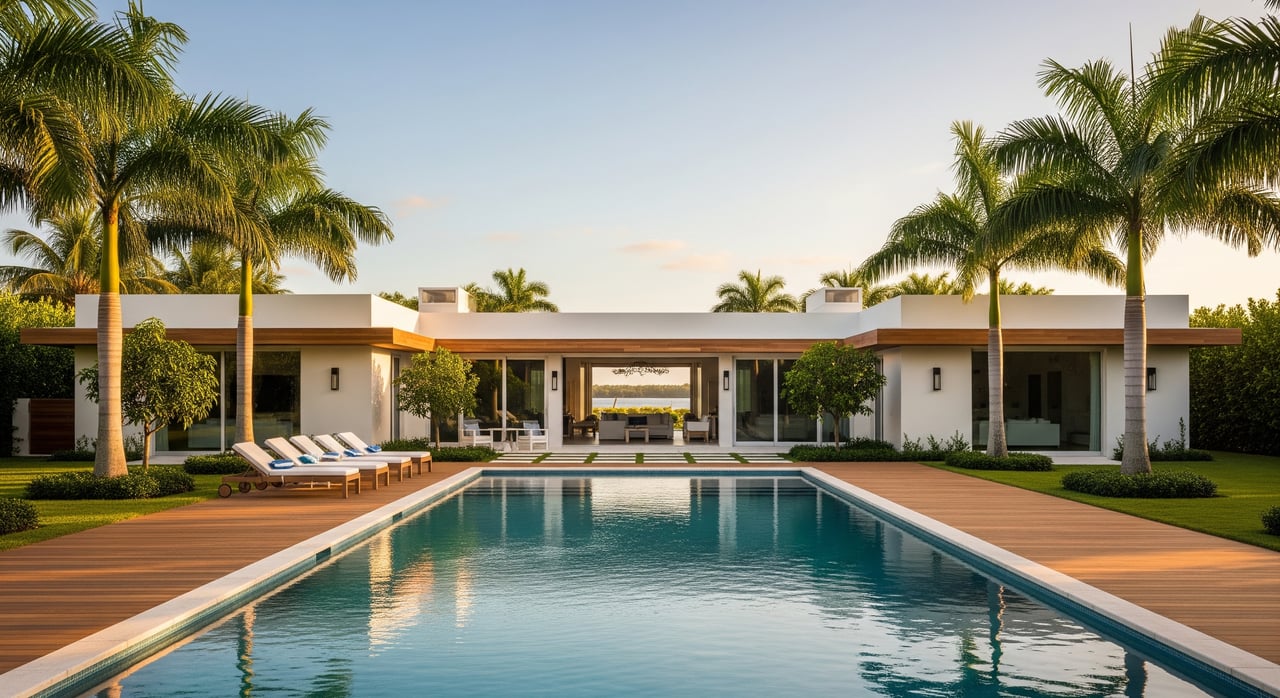
Welcome to
15,100 people live in West End, where the median age is 41 and the average individual income is $29,692. Data provided by the U.S. Census Bureau.
Total Population
Median Age
Population Density
Average individual Income
Tucked along the western edge of Miami-Dade County, where the suburban grid finally gives way to the sawgrass horizon of the Everglades, the West End is one of South Florida's most quietly powerful residential engines. This is not the Miami of neon-lit rooftop bars or Art Deco waterfronts. This is the Miami that raises children, hosts Sunday family lunches that stretch into the evening, and turns cul-de-sacs into extended block parties. Sprawling, deeply Hispanic, and shaped by decades of master-planned growth, the West End offers a version of South Florida living defined by space, stability, and neighborhood roots rather than skyline views.
For buyers weighing the trade-off between urban proximity and suburban breathing room, the West End presents one of the county's most compelling value propositions. It is a place where the same family often stays for two or three generations, where the schools carry real academic weight, and where the pace of life moves to a rhythm set by school pickup lines, weekend soccer tournaments, and long evenings on the back patio.
The West End is a landlocked, unincorporated slice of western Miami-Dade County, sitting squarely within Commission District 11 and often folded into the broader "West Kendall" identity used in county planning documents. Its geographic footprint is defined by four clear arteries: Tamiami Trail (SW 8th Street) forms the northern edge, SW 152nd Street closes off the south, Florida's Turnpike carves the eastern boundary, and Krome Avenue (SW 177th Avenue) marks the western frontier where suburban Miami ends and the Everglades begin.
Because the West End is unincorporated, it doesn't answer to a single city hall. Instead, it functions as a mosaic of large Census-Designated Places and master-planned communities, each with its own personality but sharing a common suburban DNA. The Hammocks, Kendale Lakes, Kendall West, Country Walk, Tamiami, and The Crossings all fall within these boundaries, and residents typically identify with their specific community first and the "West End" designation second. The core ZIP codes you'll see repeatedly in local listings are 33186, 33193, and 33185.
The West End's story is fundamentally different from that of Miami's historic coastal neighborhoods. While Coconut Grove and Coral Gables were being shaped by early 20th-century pioneers, the land that now makes up the West End was still Everglades backcountry — a stretch of sawgrass, pine rocklands, and wetlands inhabited by the Tequesta and later the Mikasuki and Seminole peoples. The construction of the Tamiami Trail in the 1920s cut the first major path through this wilderness, connecting Miami to Tampa and laying the earliest groundwork for what would come.
The real transformation began after World War II. The G.I. Bill, the mainstreaming of residential air conditioning in the 1950s, and a wave of state-led flood-control and canal projects made the western Everglades basin buildable for the first time. Miami-Dade's Urban Development Boundary pushed steadily westward, and by the 1970s and 1980s, master-planned developers had arrived in force. Communities like The Hammocks and Kendale Lakes were carved out of former farmland during this era, complete with artificial lakes, unified architectural guidelines, and the townhome-and-single-family blueprint that still defines the area today.
Layered onto that suburban boom was a profound demographic shift. As Cuban and other Hispanic immigrants established themselves in Miami through the 1970s, 80s, and 90s, many made a second move — from the inner-city neighborhoods of Little Havana and Hialeah out to the newer, quieter western suburbs. The West End became one of the primary destinations of that migration, and it remains one of the most culturally Hispanic areas in the county.
Then came Hurricane Andrew. In August 1992, the Category 5 storm made landfall in southern Miami-Dade and tore directly through communities like Country Walk, leveling entire subdivisions. The rebuild that followed was transformative. Florida adopted some of the strictest building codes in the nation, and every home built or substantially renovated in the West End from the mid-1990s onward reflects those hardened standards. Today, the neighborhood is a fully mature suburban ecosystem anchored by Miami Executive Airport, West Kendall Baptist Hospital, and the nearby main campus of Florida International University.
The West End real estate market operates on a fundamentally different logic than the fast-moving coastal corridors closer to the water. Because the neighborhood is landlocked — pressed against the Everglades to the west and hemmed in by the Turnpike to the east — there is almost no raw land left to develop. That scarcity, combined with the area's deep family roots, produces a market that is stable, balanced, and relatively insulated from the speculative swings that define places like Brickell or Wynwood.
Pricing varies significantly depending on the property type, which reflects the West End's mix of dense multi-family districts and sprawling single-family subdivisions. Condos and townhomes typically list in the $345,000 to $380,000 range, making the West End one of the more accessible entry points anywhere in Miami-Dade County. Detached single-family homes in communities like Country Walk and Kendall West command a substantial premium, with a median sale price around $735,000 — a figure that reflects the value buyers place on square footage, private yards, and quiet residential streets.
The pace of the market is best described as "warm" rather than frantic. Homes generally spend between 40 and 60 days on the market before going under contract, and sale prices tend to land close to — or just slightly under — the original asking price. For buyers, this means there's usually room to negotiate thoughtfully rather than being pushed into blind bidding wars. For sellers, it means that properly priced, well-maintained homes move at a healthy, predictable clip.
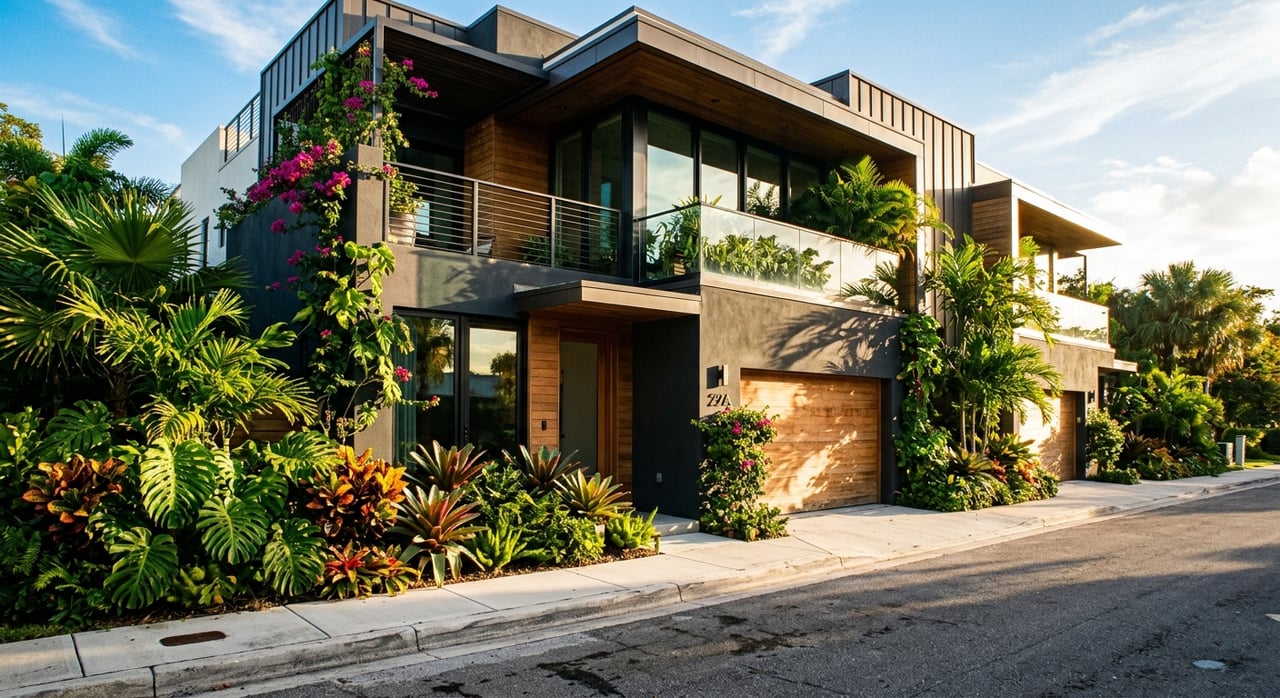
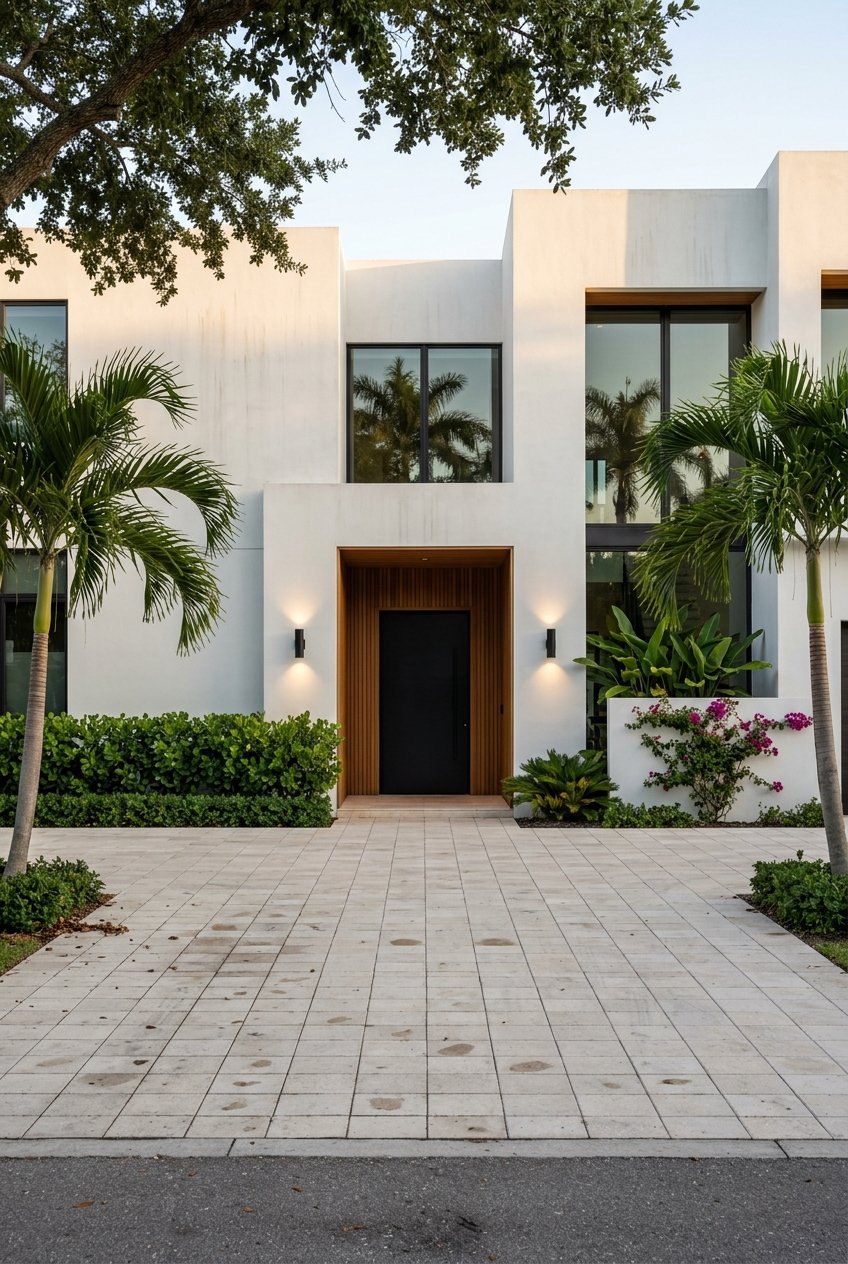
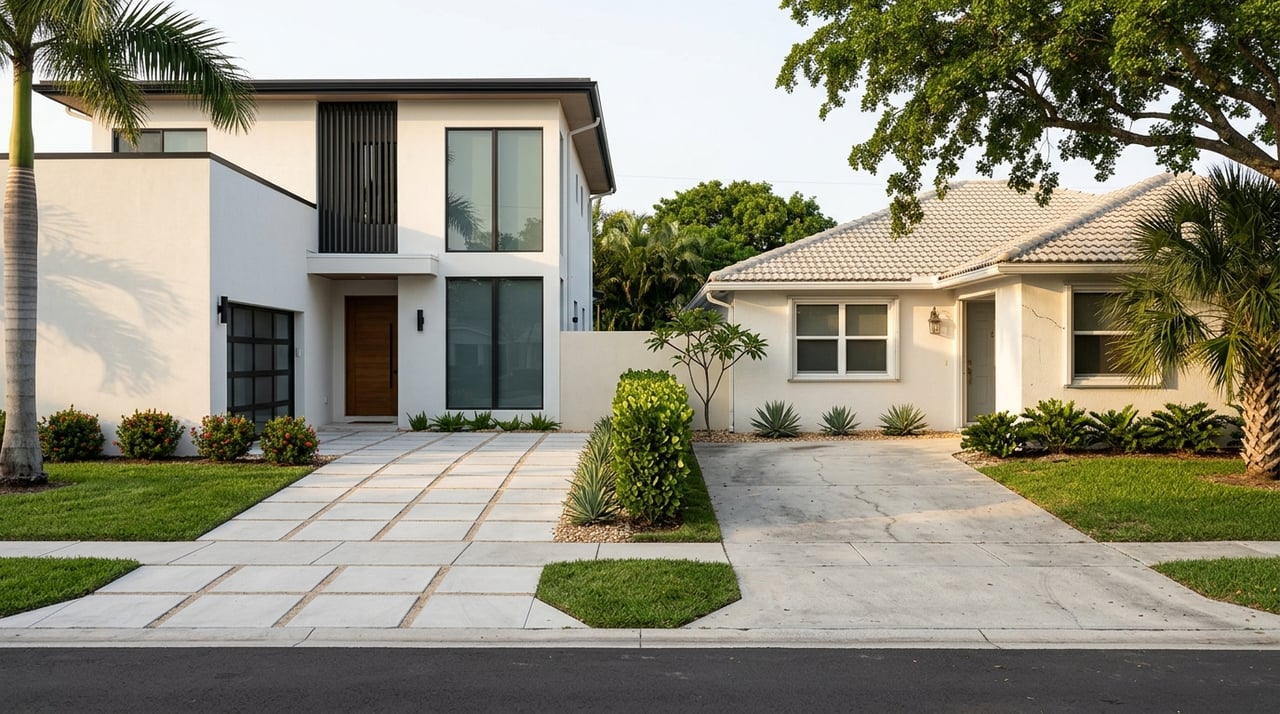
If Miami Beach is defined by Art Deco and Coral Gables by its 1920s Mediterranean masterworks, the West End is defined by the master-planned aesthetic of the 1970s through the late 1990s. This is a neighborhood built during a specific era of Florida development, and its architectural DNA reflects that heritage with remarkable consistency.
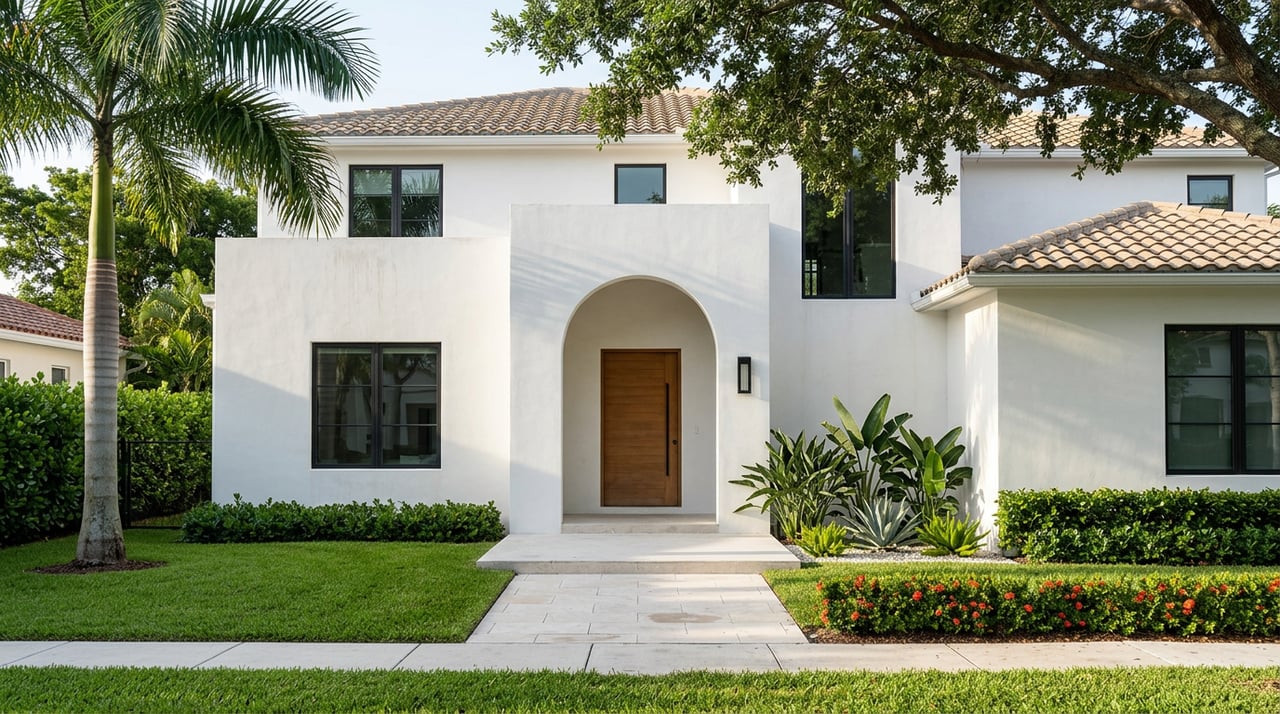
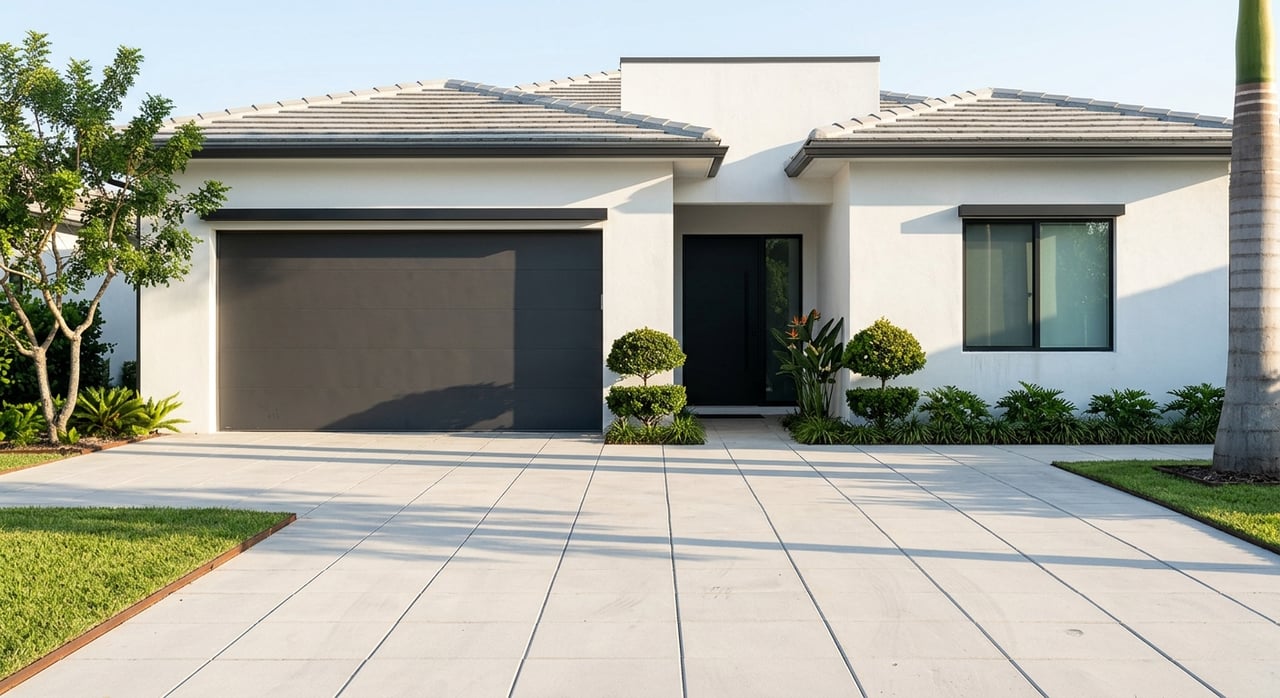
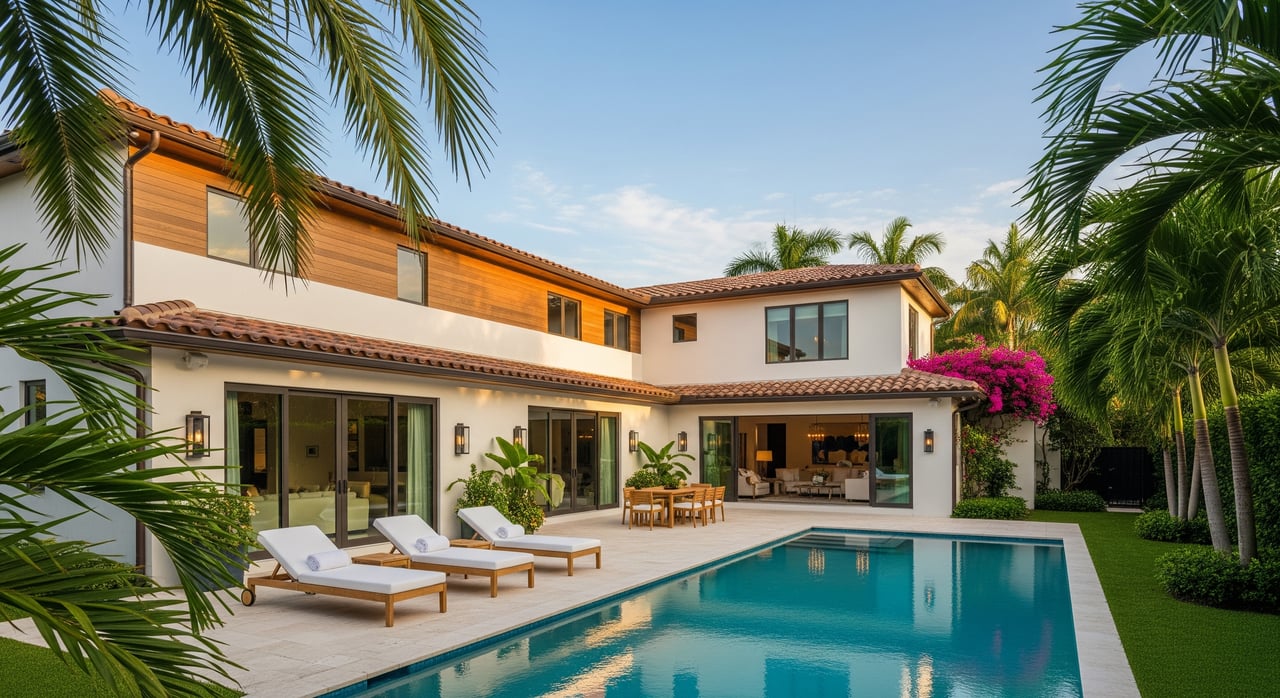
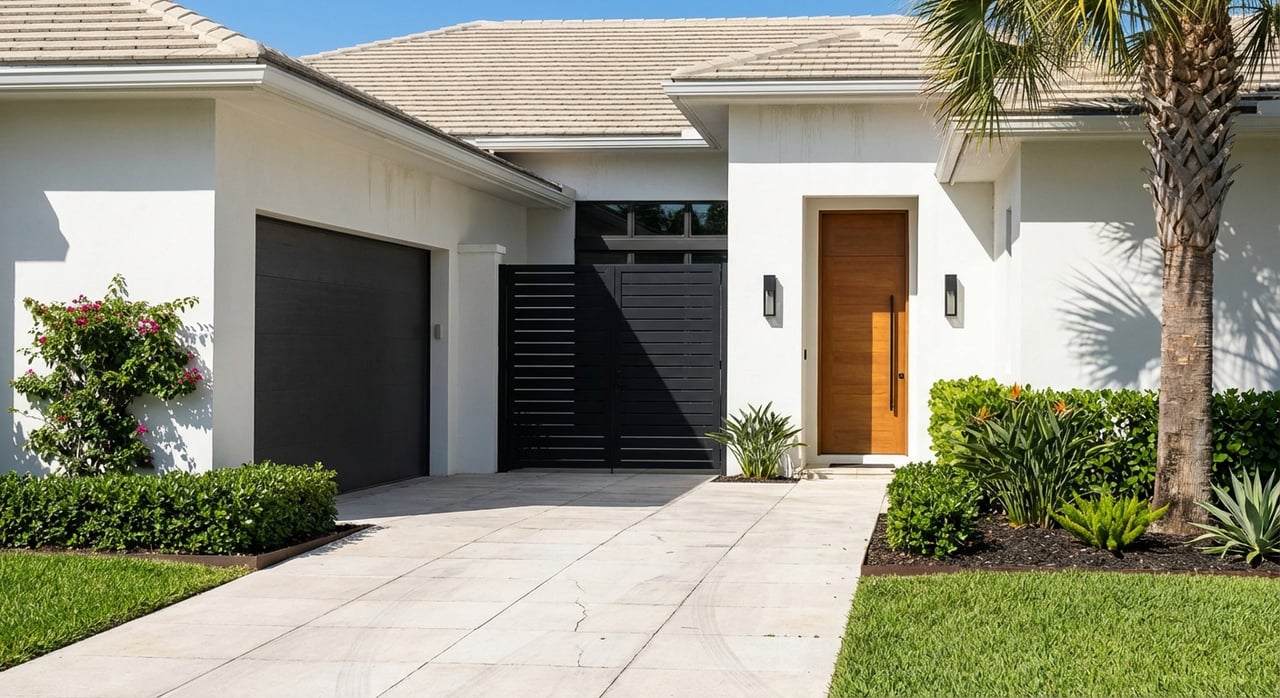
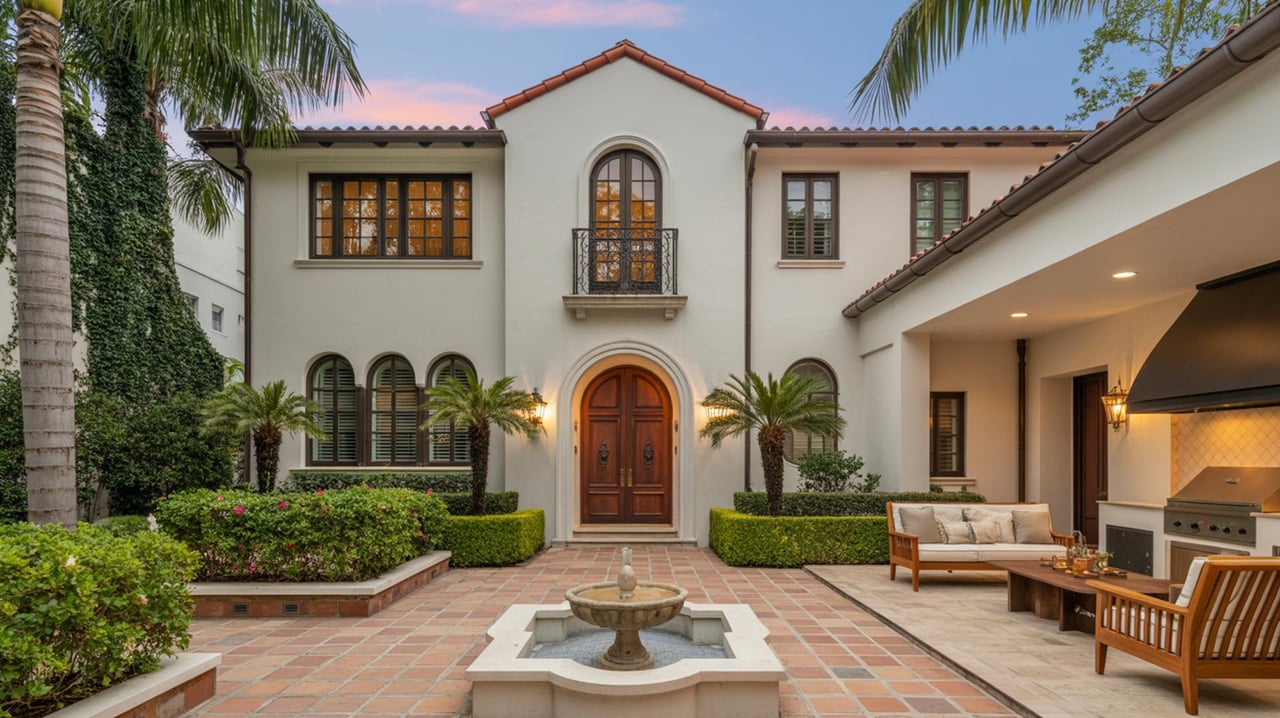
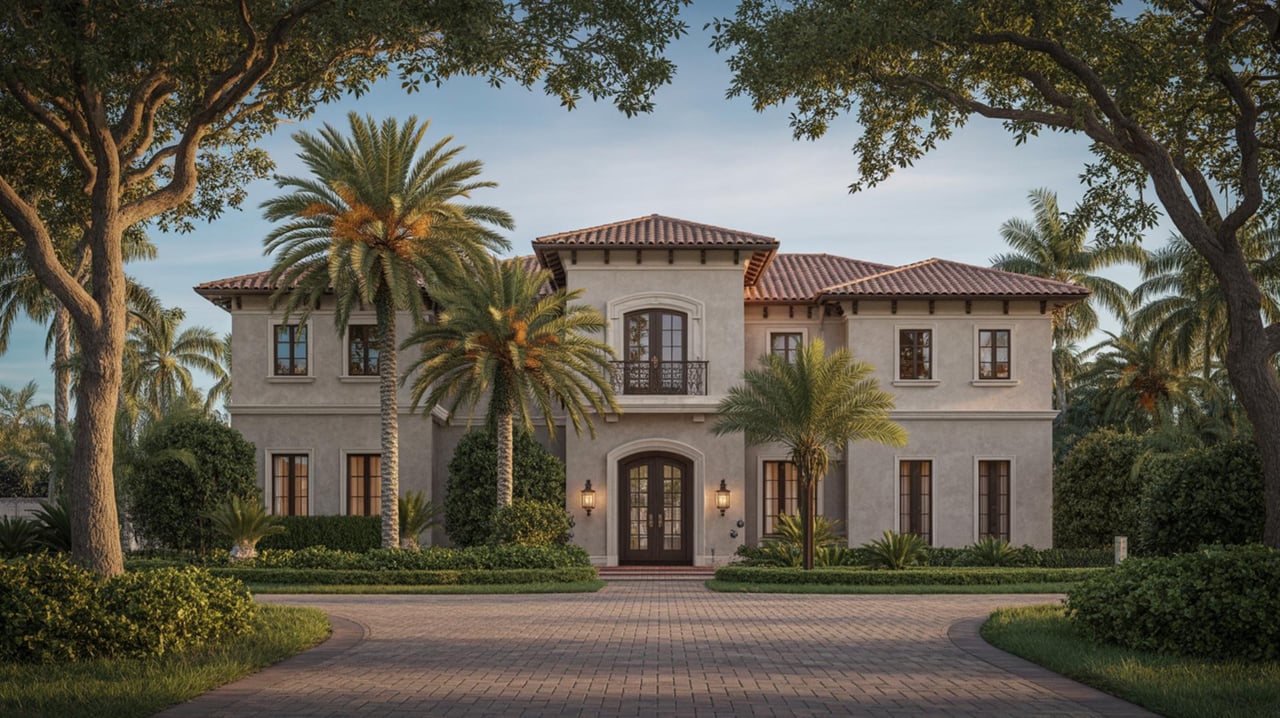
The dominant style across the West End is Mediterranean Revival adapted for South Florida's climate. Homes are built primarily from concrete block covered in smooth stucco, typically painted in warm earth tones — beige, terracotta, soft ocher, and cream. Roofs are heavily dominated by barrel-style Spanish S-tiles in clay or composite, chosen as much for their storm resistance as for their aesthetic warmth. Arched entryways, covered porches, and arched garage openings appear again and again, giving entire subdivisions a unified, almost cinematic quality when viewed from the street.
In the massive planned communities like The Hammocks, developers leaned into a lighter, more distinctly Florida vernacular expression — cleaner lines, pastel color palettes, and design details that echo the artificial lakes and walking paths threaded throughout the community. In Kendale Lakes and Kendall West, you'll find more variation in scale and finish, with homes ranging from modest three-bedroom starters to substantial estate-style properties on larger lots.
The other defining architectural fact of the West End is Hurricane Andrew. Every home built or substantially renovated after 1992 was constructed to some of the toughest wind-load and impact standards in the country. That translates to high-impact windows or permanently installed accordion shutters, reinforced garage doors, monolithic poured-concrete tie-beams, and hurricane straps throughout the roof structure. For buyers, this hardened construction is a genuine, quantifiable asset — one that shows up in insurance premiums and long-term resilience.
Life in the West End moves at a suburban rhythm shaped almost entirely by family, culture, and the outdoors. This is a neighborhood where community happens organically — at the bakery counter, along the lake paths, on the sidelines of a Saturday morning soccer match — rather than in curated public gathering places.
The cultural core of the West End is emphatically Hispanic. Cuban-American families form the demographic backbone, layered with substantial Colombian, Venezuelan, and Nicaraguan communities. Spanish is the ambient language of daily life, from the ventanita where you grab your morning cortadito to the casual conversations happening in every strip-mall parking lot. That cultural fabric shapes everything from the food scene to the pace of social gatherings to the multi-generational nature of many households.
The other defining thread of West End life is the outdoors. Master-planned communities like The Hammocks are laced with artificial lakes, paved bike paths, and walking trails that fill up every evening with residents walking dogs, pushing strollers, and catching up with neighbors. Youth sports are a genuine cultural institution here — Kendall Soccer Park and the local community leagues absorb enormous numbers of families every weekend. It's a neighborhood where children still ride bikes to their friends' houses, and where the community pool at your HOA is a legitimate social hub through the summer.
Education is one of the primary reasons families choose the West End, and the neighborhood is served by an unusually strong roster of Miami-Dade County Public Schools (MDCPS) options, supplemented by some of the region's top charter and magnet programs.
At the elementary level, Oliver Hoover Elementary and Norma Butler Bossard Elementary consistently rank among the strongest in the district, both known for rigorous academics, active parent communities, and gifted-track programs. Moving into middle school, W.R. Thomas Middle School anchors the area with its Cambridge International Magnet Program — a globally recognized, genuinely rigorous curriculum that families actively cross zoning lines to access. Lamar Louise Curry Middle School is another standout, particularly for its music program and consistent standardized-test performance.
At the high school level, the two definitive public institutions are Felix Varela Senior High and John A. Ferguson Senior High. Varela sits in the heart of the West End and is well known for its choice academies in veterinary science, global studies, and its competitive athletics. Ferguson, on the northern edge of the area, is prized for its extensive Magnet Academies covering information technology, international business, design, and medical sciences — programs that regularly send students to top universities.
Families seeking alternatives to zoned public schools have real options here. Archimedean Academy, one of the nation's top-ranked math-and-science charter networks, has a major presence in the area, as do multiple campuses of the Doral Academy charter network. And for high schoolers looking to accelerate, the main campus of Florida International University and Miami Dade College's West Campus both sit just past the eastern boundary, offering exceptional dual-enrollment access.
Outdoor space is not an afterthought in the West End — it's central to how the neighborhood was designed and how residents actually live. The park system is genuinely deep, ranging from active-recreation hubs to quiet community green spaces.
West Kendall District Park is the flagship, spanning 164 acres and serving as the region's premier outdoor destination. It's especially well-loved for its large, dedicated dog park with separate zones for small and large dogs, alongside sprawling picnic areas, walking paths, and open fields. Kendale Lakes Park sits at the more active end of the spectrum, offering basketball, tennis, pickleball, handball, and racquetball courts, along with a full recreation center that runs youth sports academies and after-school programs. West Kendale Lakes Park provides a quieter, dog-friendly community-park experience with playgrounds and shaded walking paths, and Kendall Indian Hammocks Park — just beyond the immediate boundary — is a favorite for its nature-based playgrounds and more wooded, scenic character.
Beyond the formal park system, the master-planned communities themselves function as extended recreational infrastructure. The lake networks and interior walking paths inside The Hammocks and Kendale Lakes see heavy daily use, and most residents live within a short walk of green space of some kind.
The West End's dining scene doesn't follow the "main street" model. There is no single walkable restaurant row here. Instead, the neighborhood's culinary life is distributed across dozens of strip malls and shopping plazas along the major east-west arteries — and once you learn to read those plazas, the depth of the food scene becomes clear.
Latin American cuisine is the dominant thread. Authentic Cuban bakeries, Colombian bandeja paisa spots, Venezuelan arepa counters, and Nicaraguan fritangas are woven throughout the area, particularly along SW 137th Avenue, SW 152nd Avenue, and the length of Kendall Drive. Places like La Cañita have brought elevated Cuban and Caribbean cooking to the Kendall corridor, and the neighborhood is dense with panaderías where the cafecito line moves fast and the pastelitos come out warm all day long.
The rhythm of dining here is casual and family-oriented rather than reservation-driven. Weekend breakfasts at a favorite Cuban restaurant, mid-week takeout from a family-owned Colombian spot, and long Sunday lunches at a churrasqueria are more the norm than white-tablecloth fine dining. For that, most residents drive east — to South Miami, Coral Gables, or Brickell — knowing that the West End's strength lies in the depth and authenticity of its everyday food culture rather than in high-end destinations.
Suburban convenience is one of the West End's genuine strengths. Nearly every major intersection anchors a shopping plaza, and the density of grocery, retail, and daily-service options means that most residents rarely need to leave the neighborhood for routine errands.
Grocery shopping is served by multiple Publix locations and an equally strong presence from Sedano's Supermarkets, the Hispanic-focused chain that has become a cultural anchor for the community with its tropical produce, specialty cuts, and Latin pantry staples. Costco Wholesale and Target sit along the eastern and northern edges of the area and function as the default weekend big-box destinations for family shopping. And scattered throughout the neighborhood are the beloved Farm Stores — the drive-thru mini-groceries locally known as La Vaquita, where you can grab fresh Cuban bread, hot empanadas, milk, and coffee without unbuckling your seatbelt. They are a small but genuine piece of the West End's character.
For broader retail, the Hammocks Town Center and Kendale Lakes Plaza serve as the neighborhood's commercial spines, packing together clothing retailers, fitness centers, dental and medical offices, branch banks, and beauty salons. Upscale mall shopping is a short drive east to Dadeland, but for the vast majority of daily needs, the West End is entirely self-sufficient.
Transportation is the honest trade-off of West End living. This is a car-dependent neighborhood, and the daily commute is a defining fact of life for residents who work east of the Turnpike.
The primary east-west arteries are Kendall Drive (SW 88th Street), Sunset Drive (SW 72nd Street), and Bird Road (SW 40th Street), with Kendall Drive functioning as the main commercial and commuting spine. Florida's Turnpike runs along the eastern boundary and is the critical connector for anyone heading north toward Doral or south toward Homestead and the Keys. Under ideal conditions, driving from the West End to Brickell, Downtown Miami, or Miami International Airport takes 30 to 45 minutes — but during peak morning and evening traffic, that same drive can easily stretch to 60 to 90 minutes.
Public transit is more robust here than many residents realize. The West Kendall Transit Terminal, located at SW 162nd Avenue and Kendall Drive, serves as the neighborhood's central bus hub. From there, Express and MAX bus routes — including the Route 288 Kendall Cruiser and Route 204 Killian MAX — run limited-stop service directly to the Dadeland North and Dadeland South Metrorail stations. Once on the Metrorail, commuters can reach Coral Gables, Downtown, and Miami International Airport without touching a highway, which for many West End residents has become the preferred way to handle the daily commute.
The West End's entertainment scene reflects its family-oriented character, but its position on the western edge of the county also opens up access to some of South Florida's most distinctive attractions.
Within the neighborhood itself, Arcade Odyssey has become a genuine local institution — a retro arcade stocked with vintage cabinets, Japanese imports, and pinball machines, paired with a surprisingly serious craft beer and sake selection for adults. Kendall Ice Arena, one of the few ice skating rinks in all of South Florida, hosts public skating, youth hockey leagues, and figure skating programs, offering a literal escape from the Miami heat. The Palms at Town & Country, sitting just on the edge of the neighborhood, brings together a movie theater, restaurants, bars, and retail around a walkable lake — the closest thing the West End has to a traditional entertainment district.
A short drive expands the options dramatically. Zoo Miami, just south of the neighborhood, is the largest and oldest zoological garden in Florida and the only sub-tropical zoo in the continental United States, spanning 750 acres of cageless, open-air habitats. Because Krome Avenue forms the western boundary of the West End, residents are literally minutes away from the Everglades — airboat rides, alligator farms, and the hiking and biking trails of Shark Valley are all easy weekend day trips. And to the southeast, The Falls Shopping Center offers one of the most beautifully designed open-air shopping experiences anywhere in the country, built around lush tropical gardens and a network of man-made waterfalls.
The West End is not a neighborhood that tries to be everything to everyone, and that clarity of identity is part of its appeal. It is, above all else, a neighborhood built for families. The depth of the school system — public, magnet, and charter — is a genuine draw, and the physical layout of the neighborhood, with its quiet cul-de-sacs, community pools, and sports parks, is designed around raising children.
It's also uniquely suited to multi-generational households, which are a defining feature of the area's Latin American cultural fabric. The housing stock accommodates that reality with larger single-family footprints and townhomes that balance space and affordability in a way that's increasingly rare closer to the coast.
For buyers focused on value, the West End offers substantially more square footage per dollar than Brickell, Coconut Grove, or Coral Gables — combined with post-Andrew construction standards that translate to real long-term resilience. And for professionals working at West Kendall Baptist Hospital, Miami Executive Airport, Florida International University, or the surrounding Innovation District, the neighborhood offers the rare combination of a quiet residential setting and a genuinely short commute.
Where the West End is a less natural fit: buyers whose lifestyle is anchored in walkability, nightlife, or waterfront living. This is not the neighborhood for someone who wants to walk to dinner or catch a rooftop DJ on a Friday night. It is the neighborhood for someone who wants to come home to a quiet street, a real backyard, and a community that still feels like a community.
Finding the right home in the West End is less about scanning listings and more about understanding the subtle differences between communities — the character shift between The Hammocks and Kendale Lakes, the school zoning line that changes on a single block, the difference between a home built to pre-Andrew standards and one hardened afterward. That local knowledge is where a strong agent earns their value.
Noel Barrientos of The Miami Home Group brings over 14 years of sales and customer service experience to South Florida real estate, with a deep familiarity across Miami-Dade's residential and luxury markets. Whether you're buying your first home, selling a longtime family property, or exploring rental options in the West End, Noel offers the kind of attentive, responsive representation that turns a stressful process into a genuinely good experience — a reputation his clients confirm again and again.
To start a conversation about the West End or any of the surrounding Miami-Dade neighborhoods, reach Noel directly at (786) 757-2838 or [email protected]. Florida Real Estate License #3521348.
There's plenty to do around West End, including shopping, dining, nightlife, parks, and more. Data provided by Walk Score and Yelp.
Explore popular things to do in the area, including Truffellas, Sweet-Lite Bakery, and Mobil.
| Name | Category | Distance | Reviews |
Ratings by
Yelp
|
|---|---|---|---|---|
| Dining | 0.21 miles | 0 reviews | 0/5 stars | |
| Dining | 0.45 miles | 0 reviews | 0/5 stars | |
| Dining | 0.47 miles | 1 review | 1/5 stars | |
| Shopping | 0.44 miles | 0 reviews | 0/5 stars | |
| Beauty | 0.22 miles | 0 reviews | 0/5 stars | |
| Beauty | 0.41 miles | 2 reviews | 1/5 stars | |
| Beauty | 0.42 miles | 2 reviews | 3/5 stars | |
| Beauty | 0.5 miles | 0 reviews | 0/5 stars | |
| Beauty | 0.52 miles | 2 reviews | 3/5 stars | |
|
|
||||
|
|
||||
|
|
||||
|
|
||||
|
|
||||
|
|
West End has 5,752 households, with an average household size of 3. Data provided by the U.S. Census Bureau. Here’s what the people living in West End do for work — and how long it takes them to get there. Data provided by the U.S. Census Bureau. 15,100 people call West End home. The population density is 27,903 and the largest age group is Data provided by the U.S. Census Bureau.
Total Population
Population Density Population Density This is the number of people per square mile in a neighborhood.
Median Age
Men vs Women
Population by Age Group
0-9 Years
10-17 Years
18-24 Years
25-64 Years
65-74 Years
75+ Years
Education Level
Total Households
Average Household Size
Average individual Income
Households with Children
With Children:
Without Children:
Blue vs White Collar Workers
Blue Collar:
White Collar:
Miami FL
Miami FL