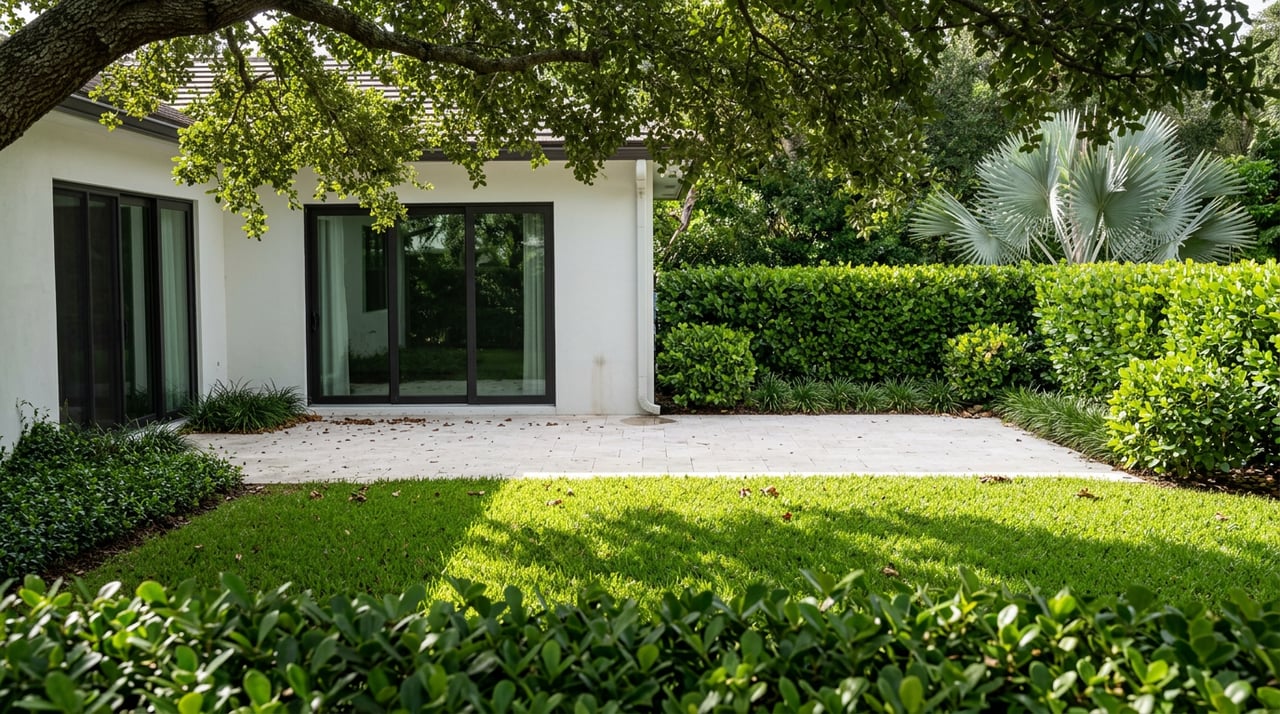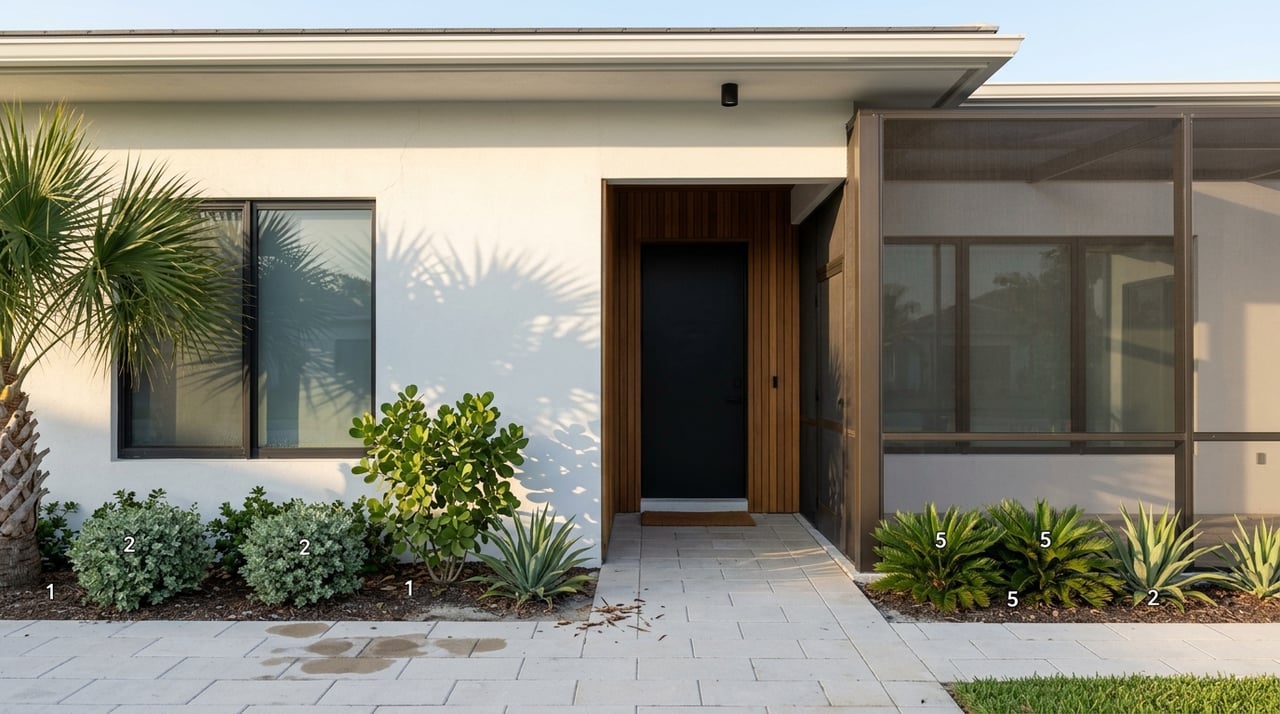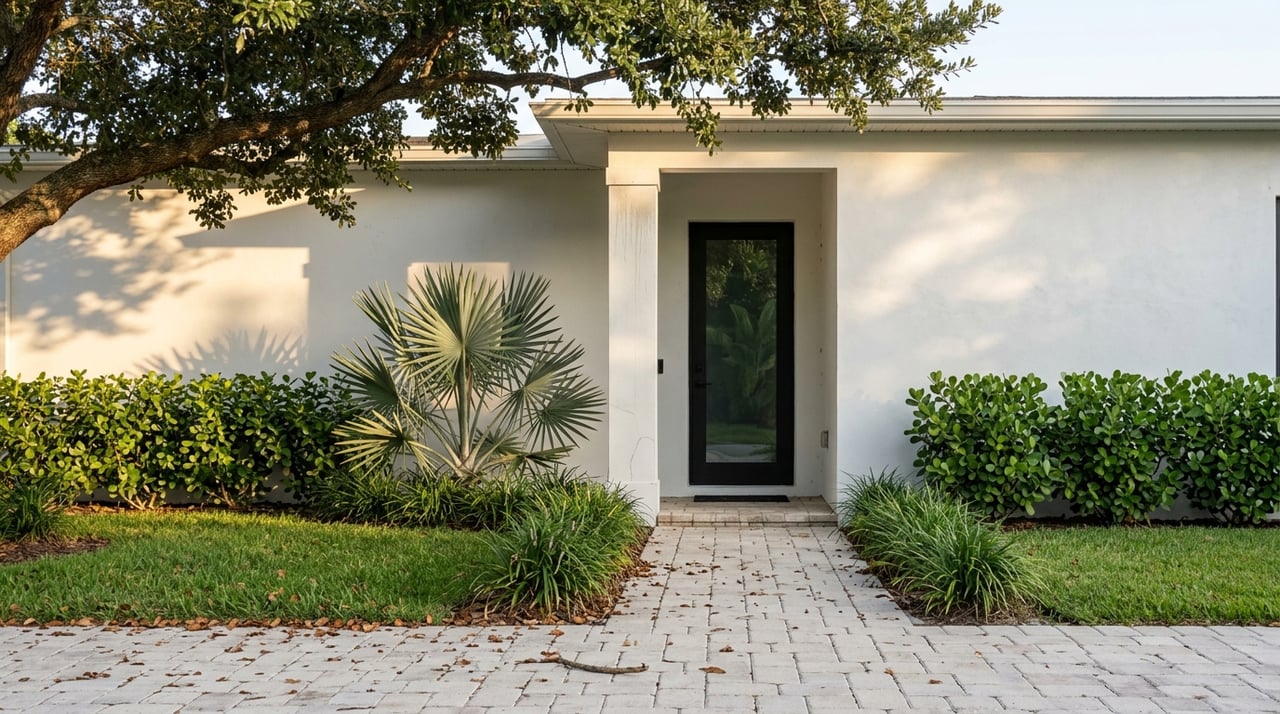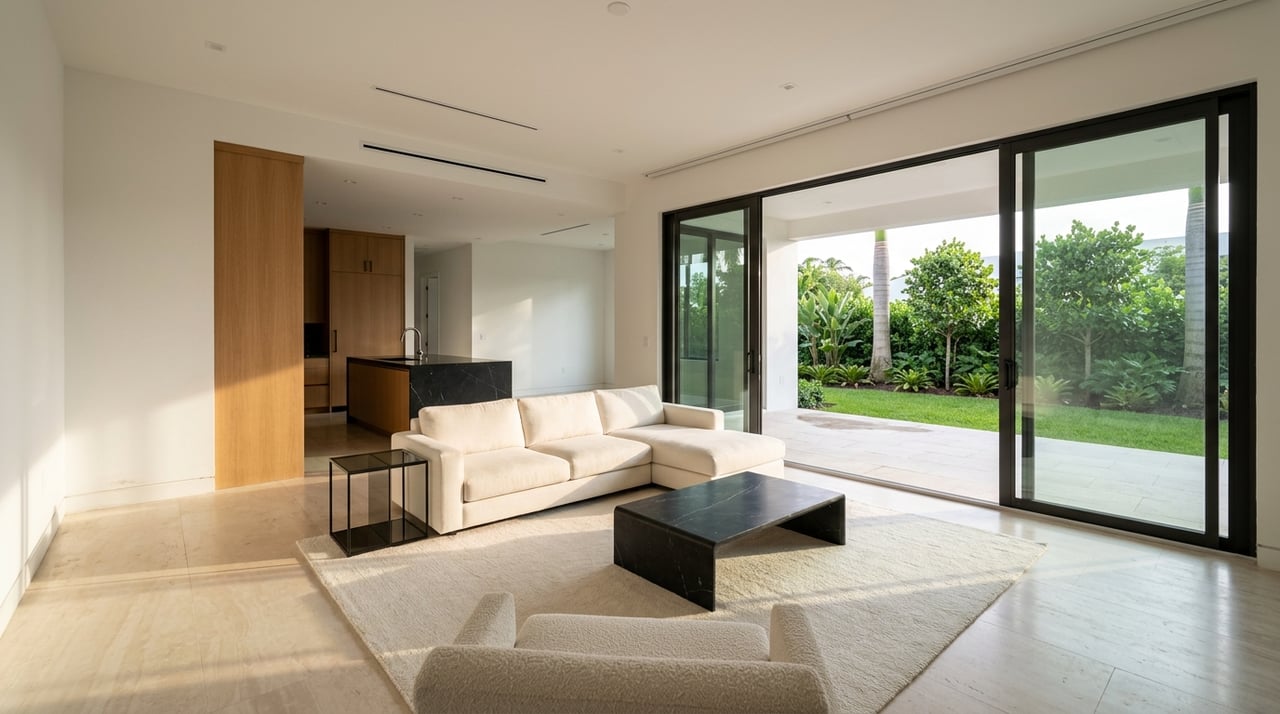
Welcome to
18,138 people live in Pinecrest, where the median age is 41.9 and the average individual income is $103,702. Data provided by the U.S. Census Bureau.
Total Population
Median Age
Population Density
Average individual Income
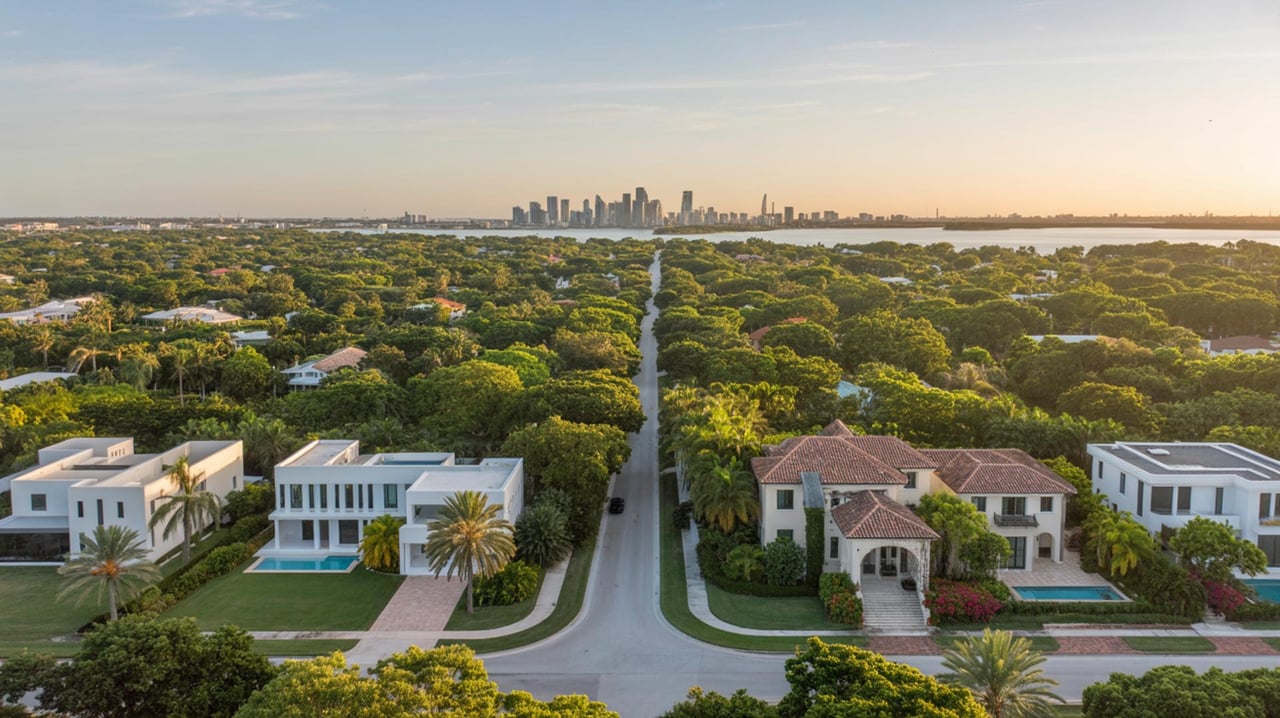
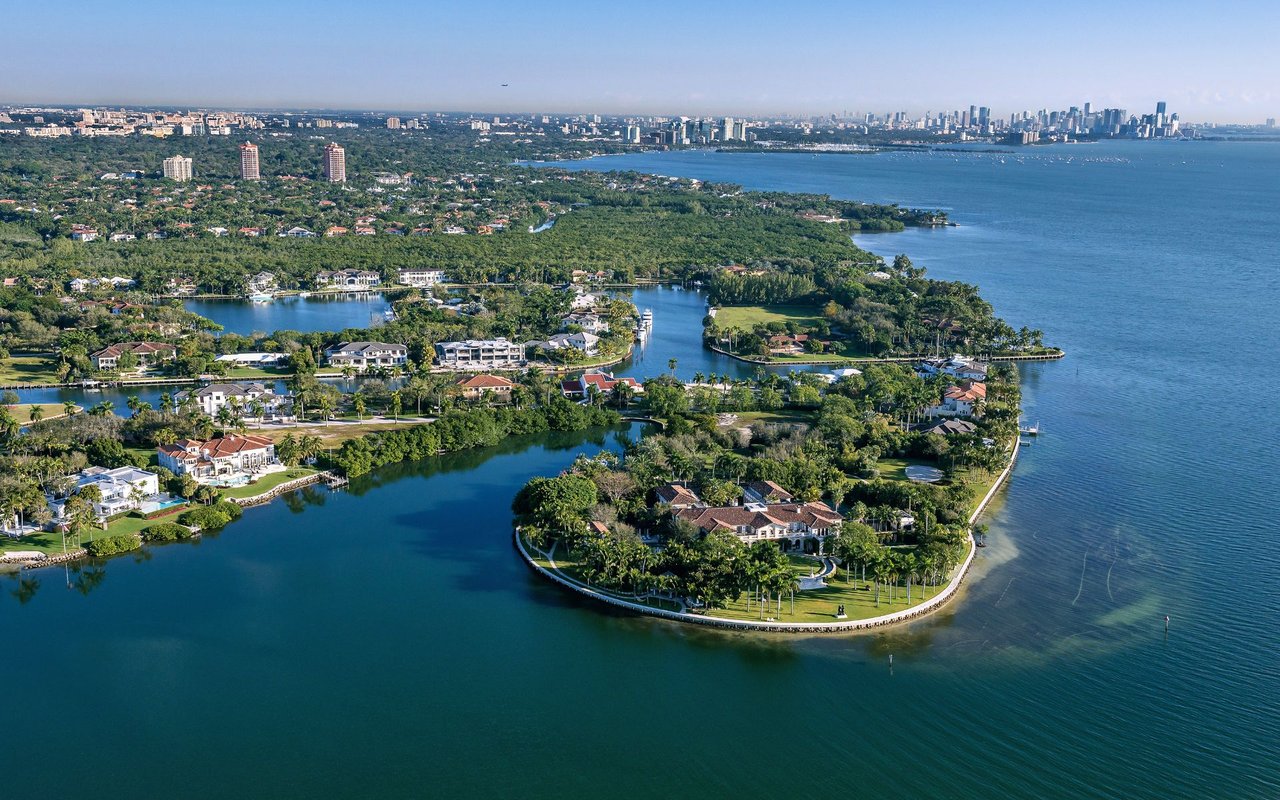
Pinecrest is one of Miami-Dade County's most distinguished residential villages, a 7.5-square-mile enclave tucked between Kendall Drive (SW 88th Street) to the north, SW 136th Street to the south, U.S. Route 1 to the west, and Red Road to the east. Officially incorporated in 1996, the village was carved out to preserve something increasingly rare in South Florida: low-density living on expansive lots beneath a protected tropical tree canopy.
What sets Pinecrest apart isn't a single defining feature — it's the combination. Acre-sized properties, A-rated public schools, proximity to elite private academies, manicured municipal parks, and a quiet suburban rhythm sit just 20 minutes south of Coral Gables and 30 to 50 minutes from Downtown Miami. It's a village where the loudest sound on a Saturday morning is usually a lawnmower or a tennis match at Coral Pine Park, and where residents routinely cite the school district as the primary reason they bought in. For families relocating to Miami who want space, safety, and substance over high-rise glamour, Pinecrest consistently ranks at the top of the list.
The Pinecrest market today is best described as healthy and rebalanced. The frenzied bidding wars of the post-pandemic years have eased, and what's emerged is a more measured environment — one where buyers have room to think and sellers still hold meaningful equity.
Homes are currently spending roughly 68 to 101 days on market, a noticeable shift from the lightning-fast turnarounds of recent memory. Competition is moderate rather than cutthroat: multiple offers happen, but they're no longer the default. Sale-to-list ratios are hovering between 93% and 95%, meaning well-prepared buyers are successfully negotiating 5% to 7% off original asking prices on most transactions.
Pricing in Pinecrest carries one of the widest spreads in South Miami-Dade. The median sold price is sitting between $2.2 million and $2.76 million, while active listings carry a much higher median asking price — often between $3.5 million and $3.9 million — inflated by a wave of ultra-luxury new construction and estate properties. On a per-square-foot basis, homes are trading at roughly $816 to $881. The gap between asking and selling tells you everything you need to know about current negotiation leverage: there's real room to make a deal here.
The Pinecrest market has moved decisively past the hyper-inflation of 2021 and 2022 and entered a phase defined by sustainable growth, luxury modernization, and increasingly clear submarket distinctions.
Inventory has climbed back to roughly 5.5 months of supply. Because a six-month supply represents a neutral market, Pinecrest is sitting in the rare sweet spot between buyer's and seller's territory — neither side has overwhelming leverage. That balance is reshaping how deals get done. Sellers who price aggressively still move quickly; those who anchor to 2022 comps watch their listings sit.
The most important trend right now is the widening gap between new construction and everything else. Recent luxury closed sales — homes built in 2024 or later — are commanding closing prices that often clear $9.8 million, with averages near $1,379 per square foot. That's nearly double the village median, and it reflects a clear buyer preference for turnkey modern estates on Pinecrest's signature one-acre lots. Meanwhile, older properties needing renovation are seeing softer pricing and longer market times.
Geography matters too. Northeast Pinecrest continues to lead on price per square foot, driven by proximity to elite private schools like Gulliver Preparatory and Palmer Trinity, plus the largest estate lots. Southwest Pinecrest functions as the entry point for many family buyers — smaller footprints, more attainable price points, and quicker transactions.
Looking ahead, the outlook is modest, sustainable appreciation in the range of 2% to 4% annually. A market correction is unlikely given the fundamentals: household incomes averaging close to $199,000, substantial homeowner equity, and an A-rated school district that insulates demand. Pinecrest isn't a speculative market — it's a primary-residence market with deep roots, and that's exactly why it holds value through cycles.
Buying in Pinecrest is a different exercise than buying in Brickell or Miami Beach. The pace is slower, the inventory is more deliberate, and the contract dynamics reflect a luxury, family-oriented market rather than an investor-driven one.
With inventory near balance, buyers aren't generally walking into blind bidding wars — unless a perfectly priced mid-century renovation hits the market in a top school zone, in which case competition can spike fast. Outside of those moments, expect meaningful negotiation room. Properties that have crossed the 60-day mark are particularly fertile ground for offers below asking without insulting the seller, a dynamic that simply didn't exist three years ago.
Florida transactions are typically written on the "As-Is" Residential Contract for Sale and Purchase, but Pinecrest buyers lean heavily on contingencies to protect against the unique risks of luxury estate properties. Inspection periods of 10 to 15 days are standard — and necessary, because in Pinecrest you're not just inspecting appliances. You're auditing multi-zone HVAC systems, custom pools, expansive roofs, and on many properties, private septic and well infrastructure. Financing and appraisal contingencies remain common even among well-capitalized buyers, primarily because lenders scrutinize custom luxury builds heavily and appraisal disputes can derail multi-million-dollar transactions.
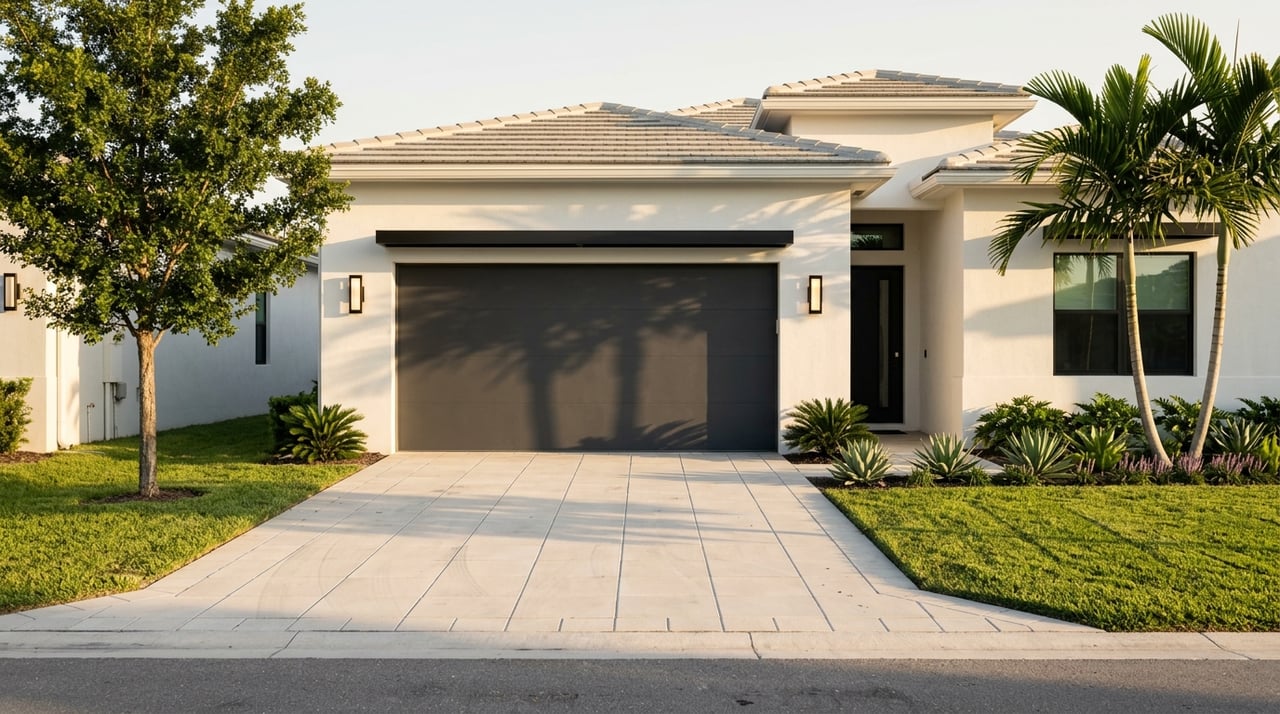
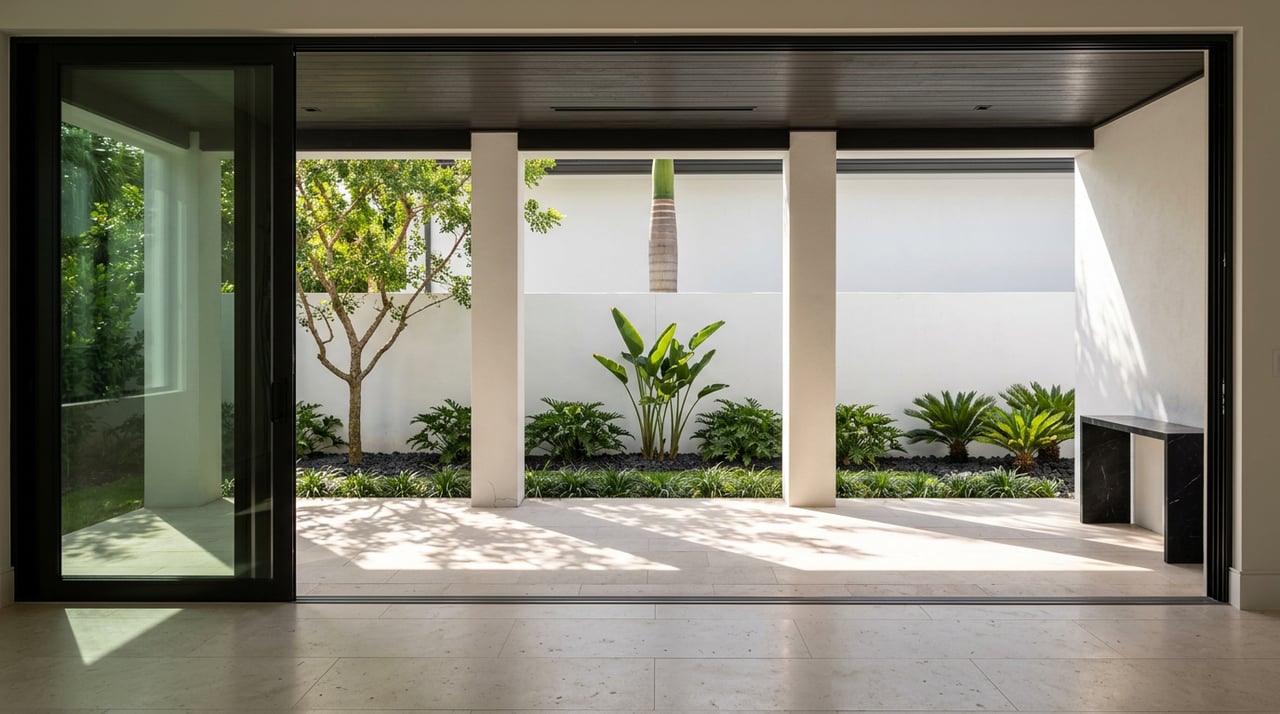
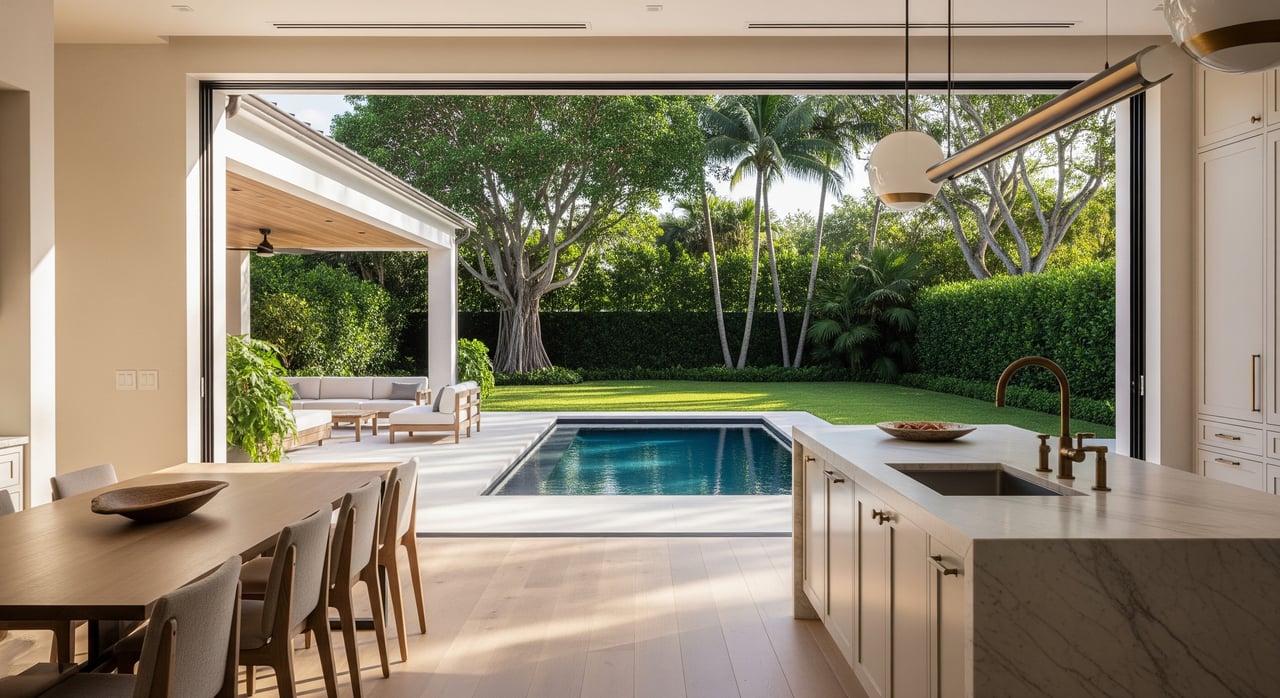
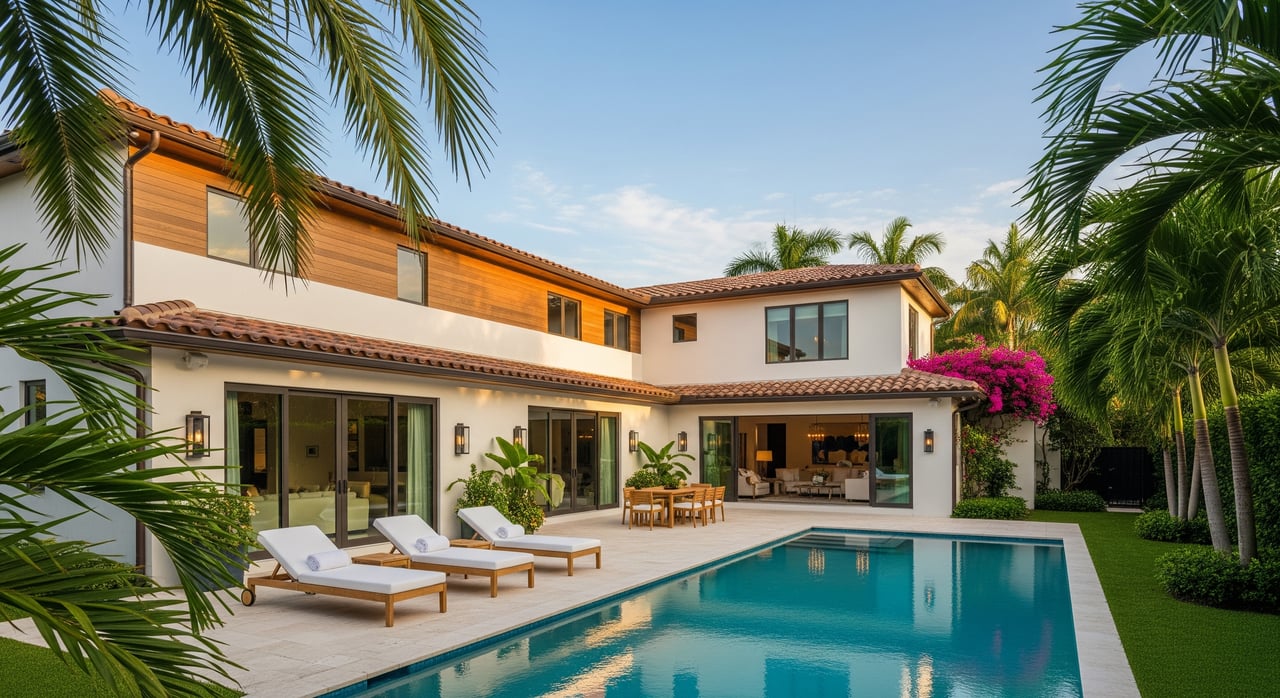
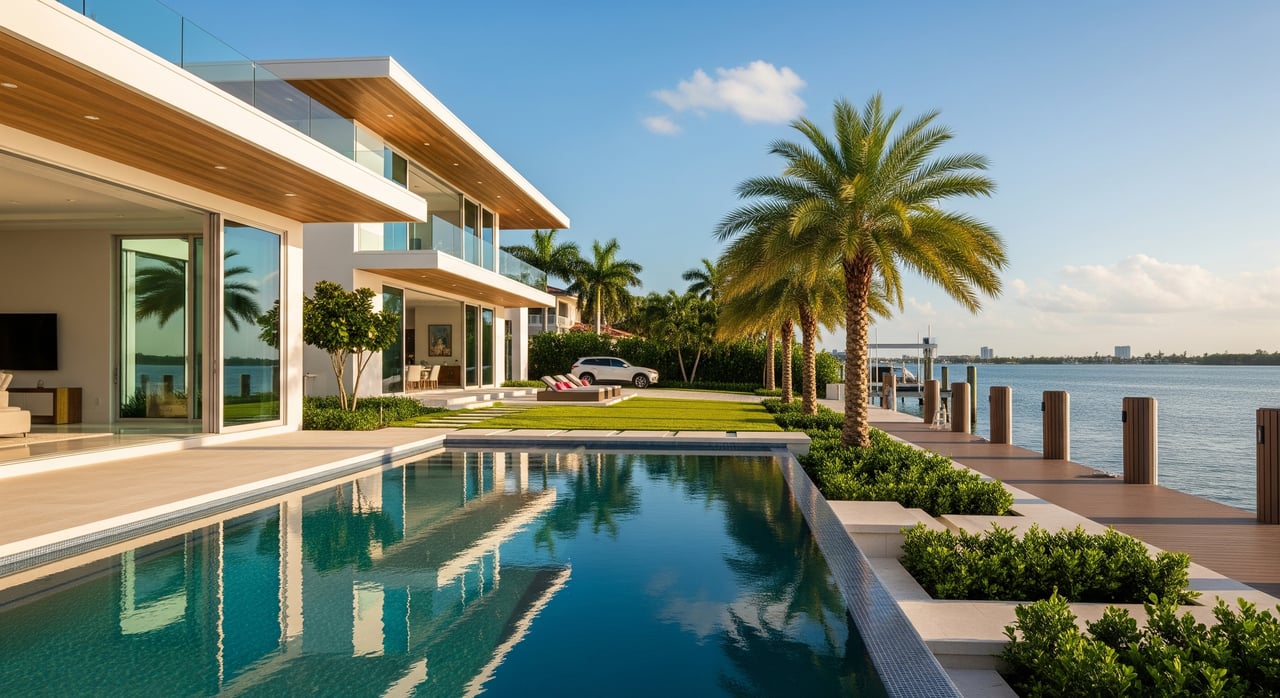
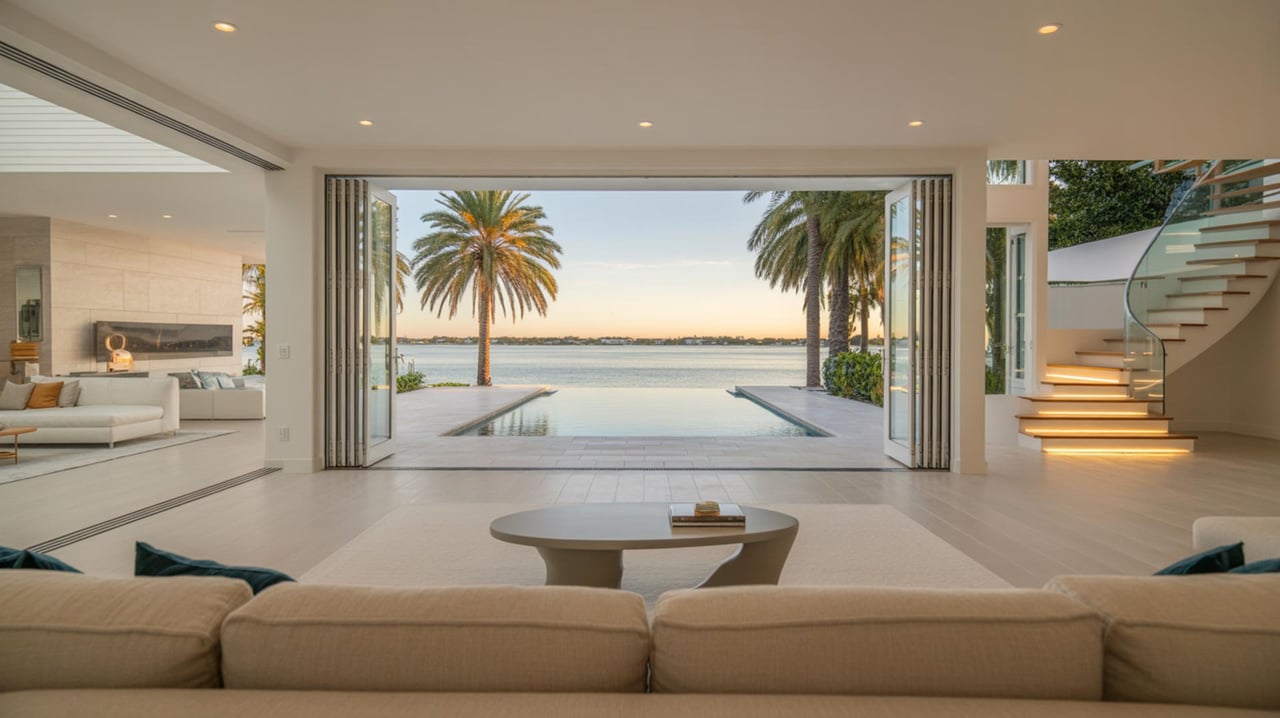
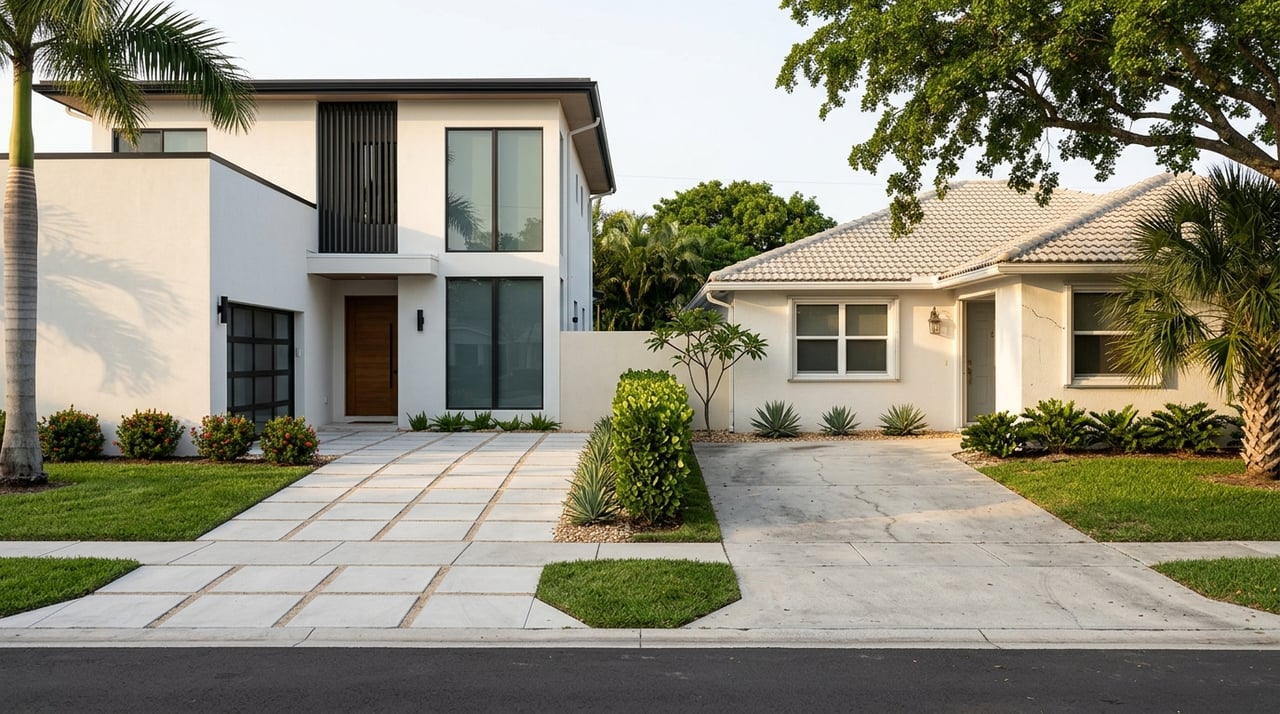
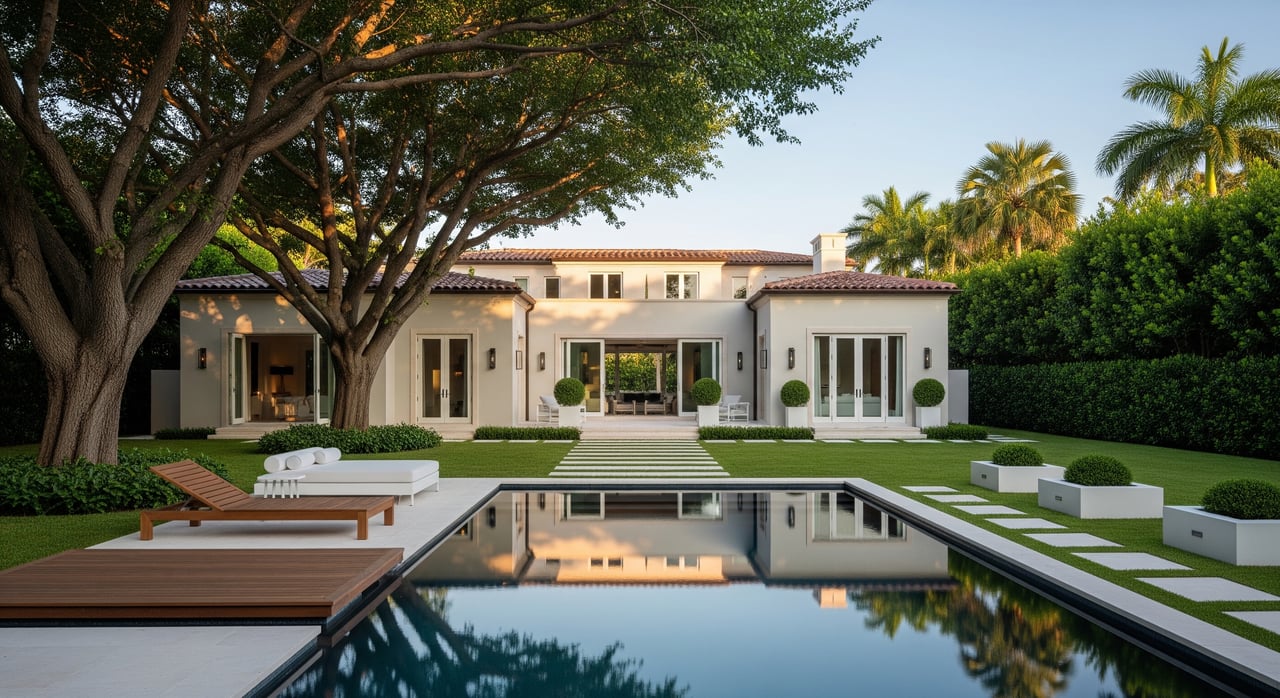
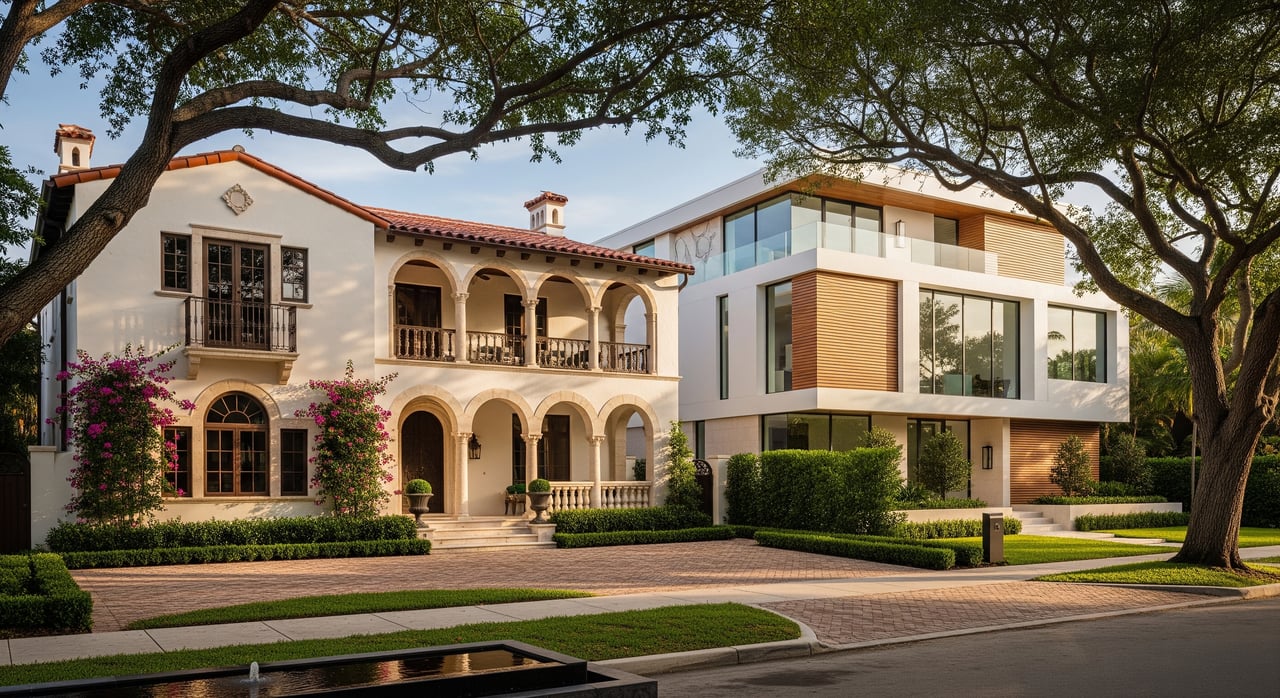
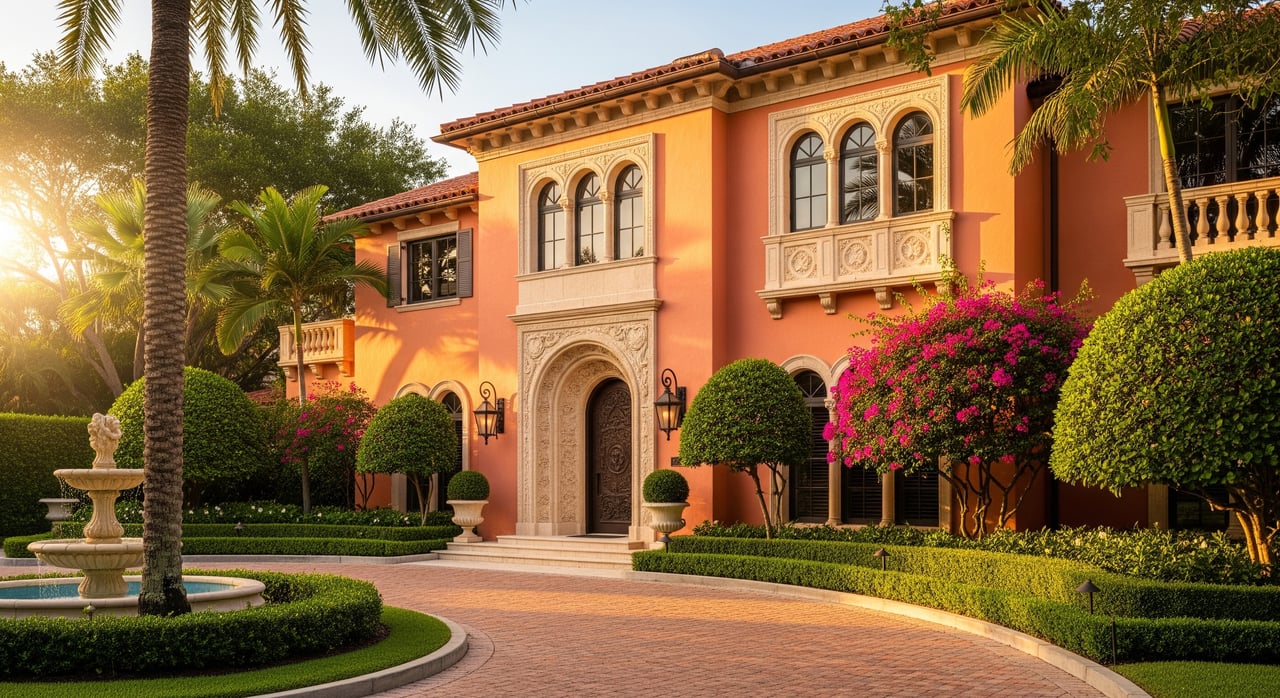
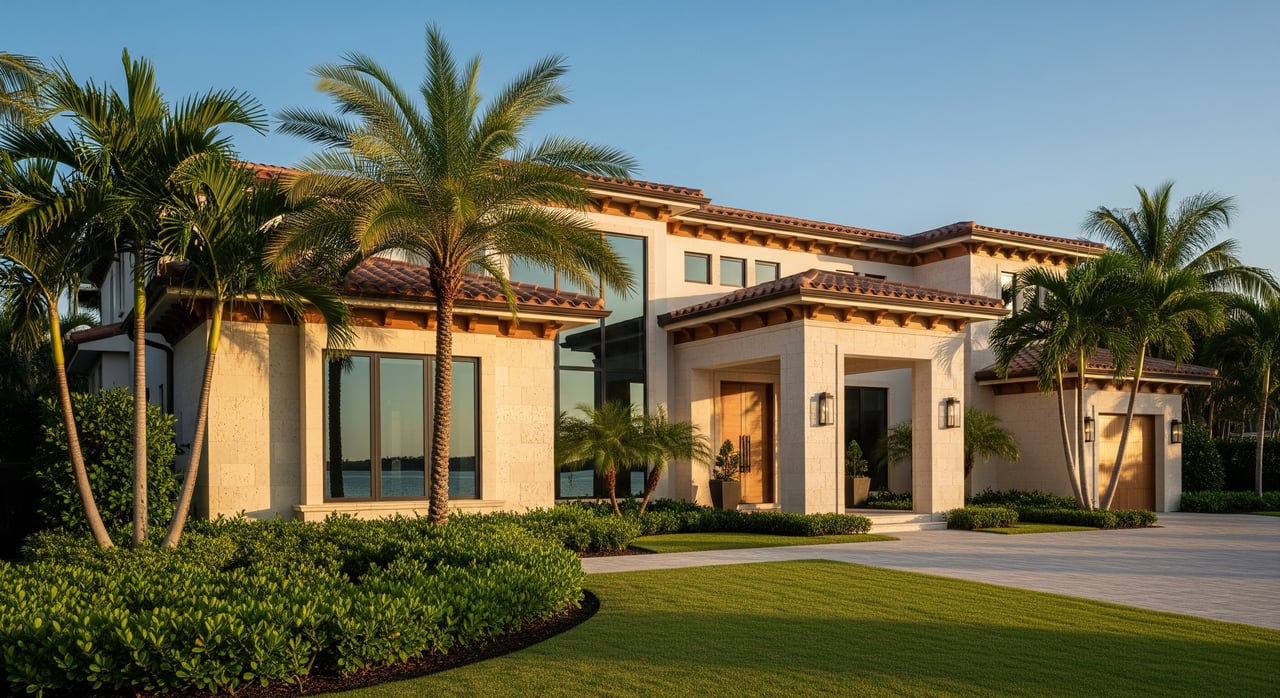
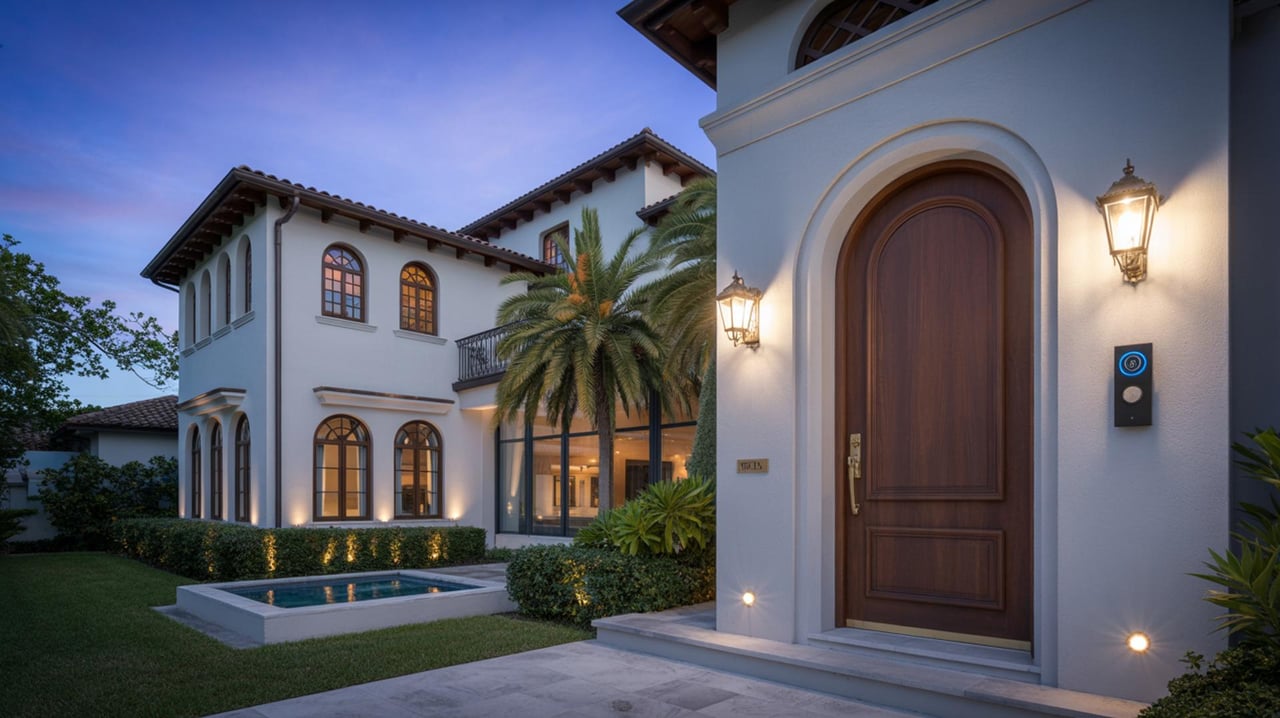
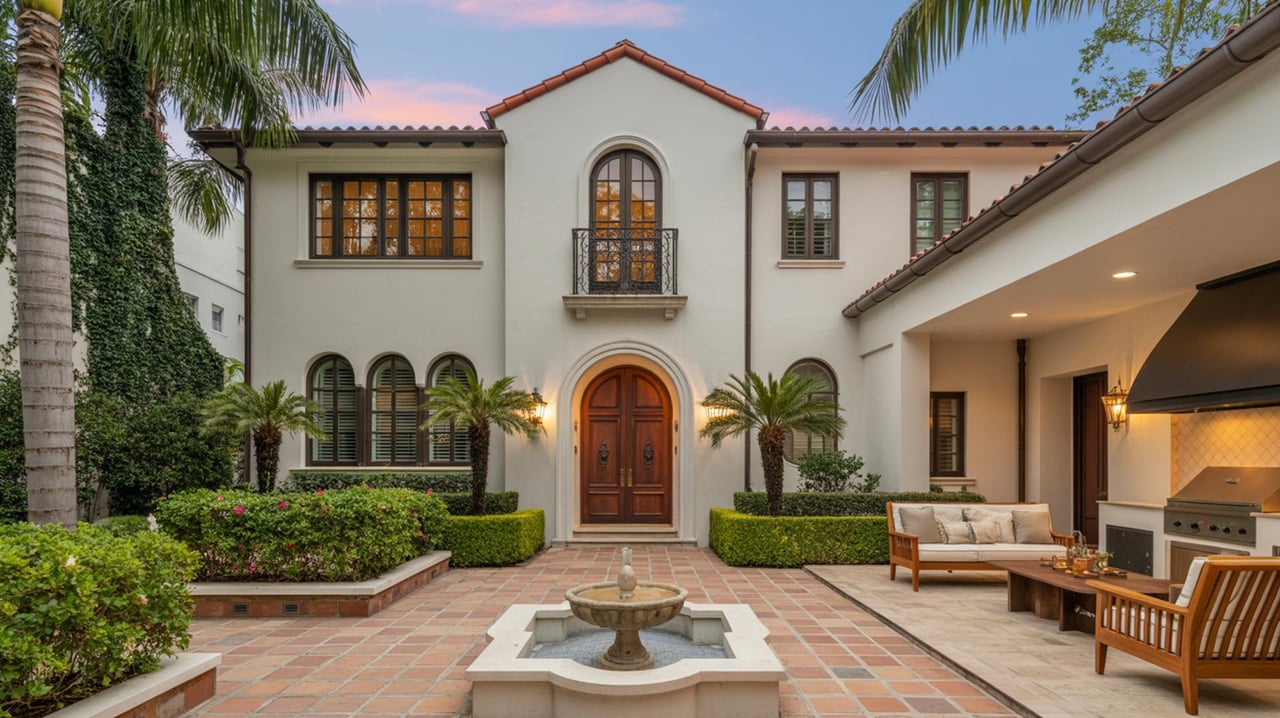
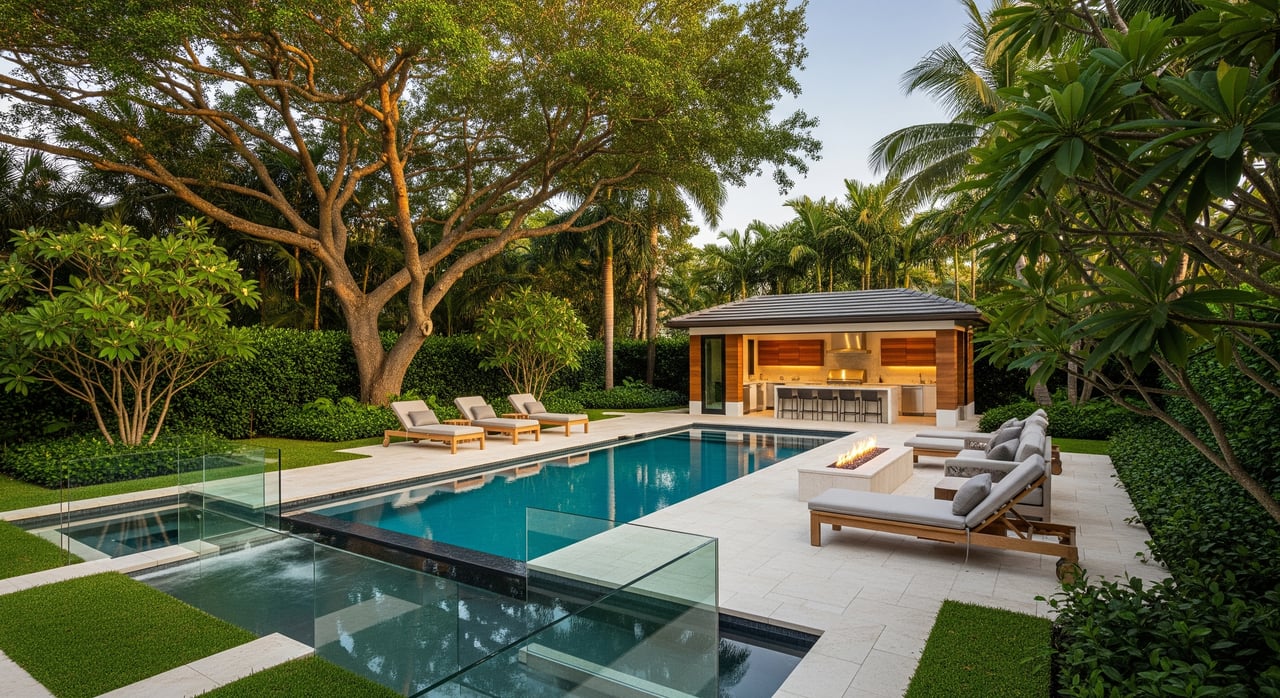
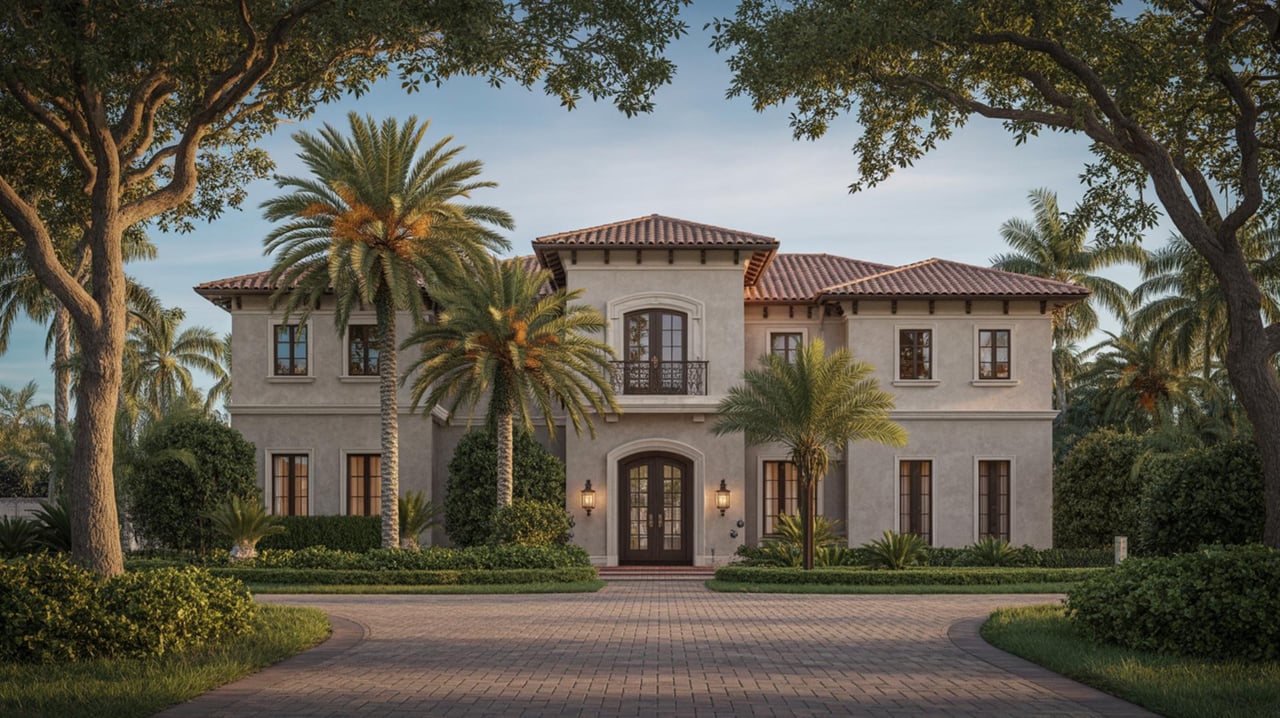
As for what you're actually buying, Pinecrest is overwhelmingly a single-family market. The crown jewel is the one-acre custom estate — often gated, frequently featuring tennis courts, pools, and guest houses, with architecture leaning either contemporary or Neo-Mediterranean. The other major category is the mid-century ranch from the 1960s and 1970s, valued either as a renovation project or, increasingly, as a teardown opportunity for buyers who want the land and intend to build new.
There are a handful of Pinecrest-specific realities that catch out-of-town buyers off guard, and understanding them before you write an offer can save you serious money and frustration.
The first is the HOA situation, which is more nuanced than it appears. Most of Pinecrest does not have a formal HOA — you own your land outright, with no monthly dues or board approvals to navigate. But the Village of Pinecrest itself functions like a strict, well-funded HOA. Code enforcement is highly proactive: visible trash cans, unkempt lawns, commercial vehicles parked overnight, and unpermitted modifications all draw attention quickly. The absence of an HOA does not mean an absence of rules.
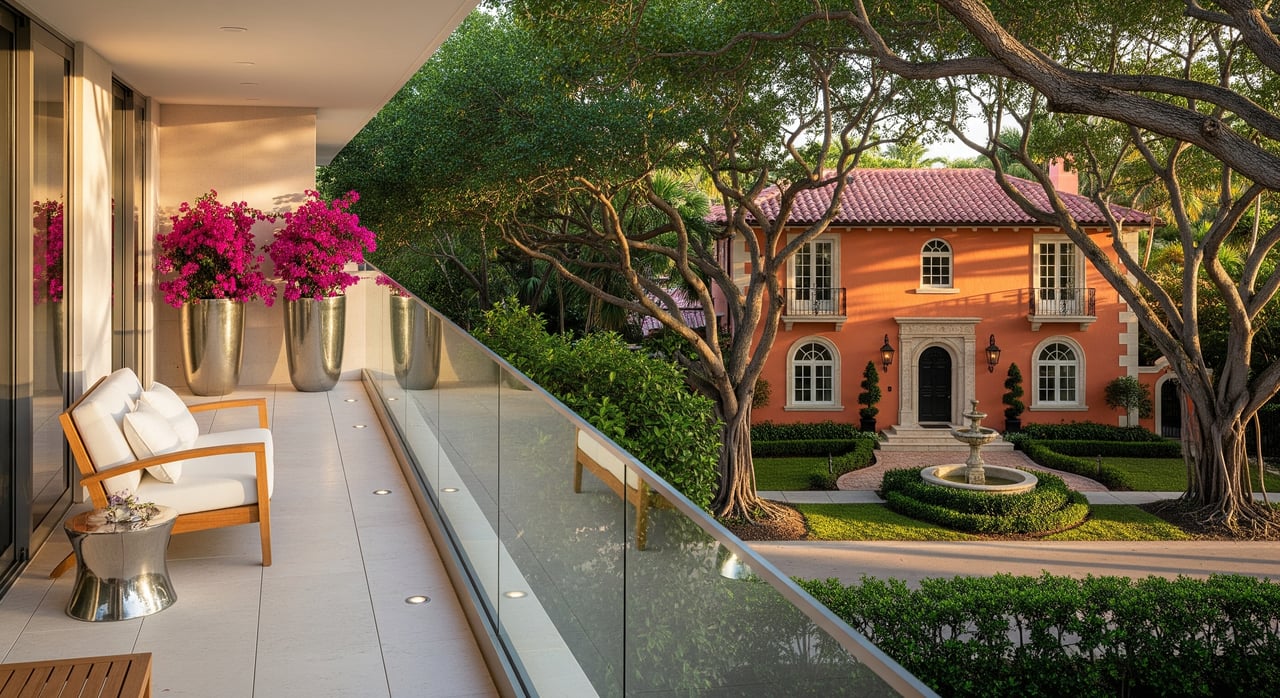
The second is the tree canopy law. Pinecrest's protected tropical canopy is one of its defining features, and the village protects it aggressively. You cannot simply remove or heavily prune a mature oak, banyan, or other significant tree on your property. Doing so requires a village permit, and in many cases the village will require mitigation plantings as a condition of approval. If your plan involves clearing land for a new build or major landscape redesign, this needs to be priced in.
The third is buildable envelope. Lot coverage rules in Pinecrest govern how much impervious surface — including the home, pool, and hardscape — you can place on a given parcel. Buyers who purchase older homes intending to build something dramatically larger sometimes discover that the buildable envelope doesn't support their vision. A certified survey and a conversation with a local architect before closing is the right move.
The fourth is flood zones. Pinecrest sits inland, but flood risk varies block by block. Many pockets fall within FEMA Special Flood Hazard Areas like Zone AE, which triggers mandatory flood insurance for any mortgaged property. There's also a substantial improvement rule to be aware of: if you renovate a flood-zone home and your costs exceed 50% of the structure's market value within a five-year window, the village may require the entire home to be elevated to current Base Flood Elevation standards. Always request the Elevation Certificate during due diligence.
The fifth, and one of the most consistently overlooked, is utility infrastructure. A surprising number of multi-million-dollar Pinecrest estates still operate on private well water and septic systems rather than public utilities. The village has been actively expanding public water lines, but coverage isn't universal. Verify the exact setup before closing — septic systems on heavily landscaped acreage carry maintenance costs and dictate where future pools or additions can go.
The most valuable advice for Pinecrest buyers is school-zone driven: verify the school boundary before you fall in love with the house. The single largest value premium in the village attaches to homes zoned for Pinecrest Elementary School, which runs a Cambridge International program and consistently ranks among the top public elementaries in Florida. Boundaries don't always follow neighborhood logic, and real estate listing descriptions are not authoritative. Pull the official Miami-Dade County Public Schools boundary map for any specific address.
Budget separately for what I call the "big three" insurance factors: roof age, wind mitigation features, and elevation certification. A roof older than 15 years makes standard insurance increasingly difficult to write in South Florida. Homes without full impact windows or hurricane shutters face significant premium penalties. And your flood insurance tier is dictated entirely by your elevation certificate. Each of these is a legitimate negotiation lever — if a seller hasn't addressed them, that's leverage in your offer.
On well-and-septic properties, don't rely on a standard home inspection. Hire a septic specialist to perform a dye test and camera-scope the drain field. A failed septic system on a one-acre lot can easily become a $30,000 to $50,000 problem that no general inspector will catch.
Finally, pay attention to days-on-market fatigue. With active median asking prices in the $3.5 million to $3.9 million range and a balanced inventory environment, mispriced or dated homes tend to sit. Properties past the 70-day mark are often willing to negotiate not just on price but on seller concessions — rate buydowns, closing cost credits, and repair allowances are all on the table.
For buyers moving from out of town, the simplest way to orient yourself is geographically. Pinecrest is bounded by Kendall Drive to the north, SW 136th Street to the south, U.S. 1 to the west, and Red Road to the east. The village is informally divided by SW 112th Street into a northern half and a southern half, each with its own character.
North Pinecrest, above SW 112th, is the higher-priced tier. This is where you'll find the densest concentration of new luxury builds, the largest estate lots, and the closest proximity to elite private academies. South Pinecrest, below SW 112th, has a slightly more relaxed feel — lots are consistently expansive, and the housing stock blends classic mid-century ranches with newer custom builds. Pricing here tends to be more attainable, though "attainable" in Pinecrest is relative.
If you're relocating with school-aged children, understand the timing. Pinecrest's public schools — Pinecrest Elementary, Palmetto Elementary, Howard Drive Elementary, Palmetto Middle, and Miami Palmetto Senior High — are all consistently A-rated and enrollment-based on residence. The private schools operate on a different timeline entirely: most major independent school applications close in early to mid-January for the following school year. Out-of-state families planning a late-summer move are frequently surprised to find their first-choice private schools have already closed admissions. Plan ahead, or be prepared to rely on the public system, which is genuinely excellent.
For commuting, Pinecrest sits roughly 30 to 50 minutes from Brickell and Downtown Miami during morning rush hour via U.S. 1 or the Palmetto Expressway. The Metrorail stations along U.S. 1 — Dadeland South and South Miami — offer a traffic-free alternative for residents who work in the urban core. Miami International Airport is roughly 25 to 30 minutes via the Palmetto.
The village's social and civic life centers on Pinecrest Gardens, a 14-acre historic botanical garden that hosts a renowned Sunday farmers market, live jazz concerts, and seasonal festivals. The Falls outdoor shopping center anchors the southern end of the village, and the U.S. 1 corridor handles essentially all of the village's commercial activity, leaving the residential interior quiet.
Pinecrest doesn't try to compete with Miami's high-energy neighborhoods, and that's the point. The personality here is affluent but understated, suburban without being sterile, and overwhelmingly oriented around family and home life.
Mornings belong to joggers, cyclists, and dog walkers moving through wide, canopy-shaded streets. The school rush gives way to a deep midday quiet that's rare in Miami. Because most properties sit on half-acre to full-acre lots, social life tends to happen at home — long weekend afternoons by the pool, family barbecues, and casual gatherings in private backyards shielded by ficus and clusia hedges. Privacy is a core value here, and the architecture reflects it.
The civic heart of the village is Pinecrest Gardens, where the community converges most weekends for the farmers market, art festivals, and live music at the Banyan Bowl, a 530-seat geodesic-domed amphitheater. Active recreation is structured rather than spontaneous — residents play organized league sports at Evelyn Greer Park, tennis and pickleball at Coral Pine Park, and cycle the Old Cutler Road bike path on weekend mornings.
This is not a walkable, nightlife-driven neighborhood, and prospective buyers should be honest with themselves about whether that's a feature or a drawback. For families and professionals who want a calm home base with easy access to Miami's energy when they want it, Pinecrest is close to ideal.
For most family buyers, the school system is the reason to buy in Pinecrest, full stop. Miami-Dade County Public Schools serves the village, and the schools zoned within Pinecrest consistently earn A ratings and rank among the top public schools in Florida.
Pinecrest Elementary is the headliner — routinely ranked among the top 25 public elementaries in the state by U.S. News & World Report, and home to a coveted Cambridge International program. Living within its zone carries a measurable price premium on home values. Palmetto Elementary and Howard Drive Elementary serve as excellent alternative public tracks, both with strong test scores, high parental involvement, and favorable student-to-teacher ratios. Palmetto Middle School feeds into Miami Palmetto Senior High, which is widely regarded as one of the strongest public high schools in South Florida — known for its International Baccalaureate diploma program, championship athletics, and a distinguished alumni network that includes Jeff Bezos.
On the private school side, Pinecrest is geographically central to some of the most prestigious independent academies in the Southeast. Gulliver Preparatory operates a PK-12 campus inside the village with notable engineering and arts programs. Just outside the village borders sit Palmer Trinity (Episcopal, 6-12) to the south, and Ransom Everglades (6-12) and Carrollton School of the Sacred Heart (Catholic, all-girls PK-12) to the north in Coconut Grove. Bet Shira and St. Louis Covenant offer well-regarded parochial options for younger students.
Whether you go public or private, the educational depth here is genuinely difficult to replicate elsewhere in Miami-Dade.
Pinecrest's identity is built around its green spaces, and the municipal parks system effectively functions as an extension of residents' backyards.
Pinecrest Gardens is the centerpiece — a 14-acre historic botanical garden built on the original Parrot Jungle site, featuring native cypress slough, winding paths, a petting zoo, splash pad, and the Banyan Bowl amphitheater. Evelyn Greer Park and Suniland Park are the athletic hubs, with baseball fields, soccer pitches, basketball courts, and batting cages that anchor youth sports leagues throughout the week. Suniland also houses Pawcrest Park, the village's dedicated off-leash dog park. Coral Pine Park, recently renovated, offers a serene nine acres of pineland preserve alongside heavily used tennis and pickleball courts and lighted walking paths.
For cyclists and joggers, the Red Road Linear Park runs along the eastern edge of the village, and the historic Old Cutler Road bike path provides miles of scenic riding under banyan canopy stretching south into Cutler Bay.
Pinecrest's dining scene mirrors its residential character — upscale, family-friendly, and decidedly low-key. This is not a nightlife destination, and residents who want late-night energy make the easy 15-minute drive into Coral Gables or Coconut Grove.
What Pinecrest does well is elevated everyday dining. Café culture is strong, with spots like La Boulangerie Boul'Mich serving as gathering points for post-school-drop-off coffee and conversation. The Sunday Pinecrest Gardens Farmers Market doubles as a social event, with organic produce, artisan coffee, and international street food drawing residents from across the village.
The U.S. 1 corridor and The Falls shopping center anchor the rest of the food scene — modern Peruvian-inflected steakhouses like Platea, Spanish tapas at Bulla Gastrobar, Japanese barbecue at Gyu-Kaku, and a rotating cast of boutique neighborhood bistros serving European and Latin comfort food. "Nightlife" here looks like a bottle of wine at a date-night spot, a family movie at Pinecrest Gardens Cinema, or happy hour at a neighborhood cantina. If that sounds appealing, you'll love it. If it doesn't, you should know that going in.
The village handles commercial activity gracefully by concentrating nearly all retail along its western border on U.S. Route 1, which keeps the residential interior quiet while putting essentials within a quick drive of every home.
Grocery shopping here is a notably upscale experience. Whole Foods, Trader Joe's, and multiple high-end Publix locations serve the village, alongside specialty markets, boutique wine shops, and organic juice bars scattered along the corridor. The Falls anchors the southern end of the village — a 55-acre open-air destination with covered walkways, tropical landscaping, and signature waterfalls, housing tenants like Apple, Macy's, Lululemon, and Sephora, plus a three-story Life Time fitness resort.
For everyday needs, remodeled neighborhood centers like Pinecrest Shoppes and Pinecrest Village Plaza handle medical offices, salons, dry cleaners, and pet boutiques. For designer fashion, residents drive 5 to 10 minutes north to Dadeland Mall (anchored by Saks Fifth Avenue and Nordstrom) or into the luxury boutiques of Coral Gables.
Pinecrest is car-dependent — there's no getting around that — but the driving experience here is genuinely pleasant. The grid is straightforward, traffic within the village is light and almost entirely residential, and parking is abundant and free at every park, school, and shopping center. After living in dense urban Miami, residents often describe Pinecrest driving as a relief.
The main commuter arteries are U.S. 1 heading north toward Brickell and downtown (30 to 50 minutes in rush hour) and the Palmetto Expressway on the western edge, which is the fastest route to Miami International Airport. One of the village's underappreciated perks is the Pinecrest People Mover, a free municipal bus service that loops through northern, central, and southern routes, connecting residents to local parks, shopping centers, and schools. It's particularly popular with middle and high school families as a safe alternative to standard transit.
For traffic-free commuting into the urban core, the Metrorail stations at Dadeland South and South Miami sit along the village borders on U.S. 1, offering direct rail access to Brickell and downtown. Recreational cycling is excellent — the Red Road Linear Park and the historic Old Cutler Road bike path together offer miles of paved, shaded riding.
Whether you're relocating from out of state, considering a move within Miami-Dade, or weighing whether to sell your current Pinecrest home, the right agent makes the difference between a smooth transaction and a frustrating one.
Noel Barrientos brings over 14 years of sales and client service experience to Miami-Dade real estate, with a portfolio spanning luxury Coral Gables estates, Pinecrest-area family homes, and Brickell penthouse leases. His clients consistently describe him as responsive, honest, and deeply committed to getting the details right — the kind of agent who answers messages on weekends and pushes deals across the finish line on meaningful dates. As a family man himself, he understands what families look for in a neighborhood like Pinecrest, and he brings that perspective to every conversation.
If you'd like to discuss the Pinecrest market, tour homes, or get a valuation on a property you currently own, reach out directly:
Noel Barrientos Phone: (786) 757-2838 Email: [email protected] License #: 3521348
There's no obligation, and the first conversation is always about understanding what you're looking for — not selling you anything.
There's plenty to do around Pinecrest, including shopping, dining, nightlife, parks, and more. Data provided by Walk Score and Yelp.
Explore popular things to do in the area, including Atego Food & Services, Wahler & Sons Quality Foods, and Polynesian At Islands At Doral.
| Name | Category | Distance | Reviews |
Ratings by
Yelp
|
|---|---|---|---|---|
| Dining | 0.49 miles | 0 reviews | 0/5 stars | |
| Dining | 1.13 miles | 4 reviews | 2.8/5 stars | |
| Active | 0.75 miles | 0 reviews | 0/5 stars | |
| Active | 1.02 miles | 0 reviews | 0/5 stars | |
| Active | 1.6 miles | 0 reviews | 0/5 stars | |
| Active | 1.81 miles | 0 reviews | 0/5 stars | |
| Beauty | 0.65 miles | 0 reviews | 0/5 stars | |
| Beauty | 1.09 miles | 2 reviews | 1/5 stars | |
| Beauty | 1.32 miles | 1 review | 5/5 stars | |
| Beauty | 1.4 miles | 1 review | 1/5 stars | |
| Beauty | 1.4 miles | 0 reviews | 0/5 stars | |
| Beauty | 1.5 miles | 7 reviews | 5/5 stars | |
| Beauty | 1.66 miles | 0 reviews | 0/5 stars | |
| Beauty | 1.81 miles | 0 reviews | 0/5 stars | |
|
|
||||
|
|
||||
|
|
||||
|
|
||||
|
|
||||
|
|
Pinecrest has 5,999 households, with an average household size of 3.02. Data provided by the U.S. Census Bureau. Here’s what the people living in Pinecrest do for work — and how long it takes them to get there. Data provided by the U.S. Census Bureau. 18,138 people call Pinecrest home. The population density is 2,434 and the largest age group is Data provided by the U.S. Census Bureau.
Total Population
Population Density Population Density This is the number of people per square mile in a neighborhood.
Median Age
Men vs Women
Population by Age Group
0-9 Years
10-17 Years
18-24 Years
25-64 Years
65-74 Years
75+ Years
Education Level
Total Households
Average Household Size
Average individual Income
Households with Children
With Children:
Without Children:
Blue vs White Collar Workers
Blue Collar:
White Collar:
Miami FL
Miami FL