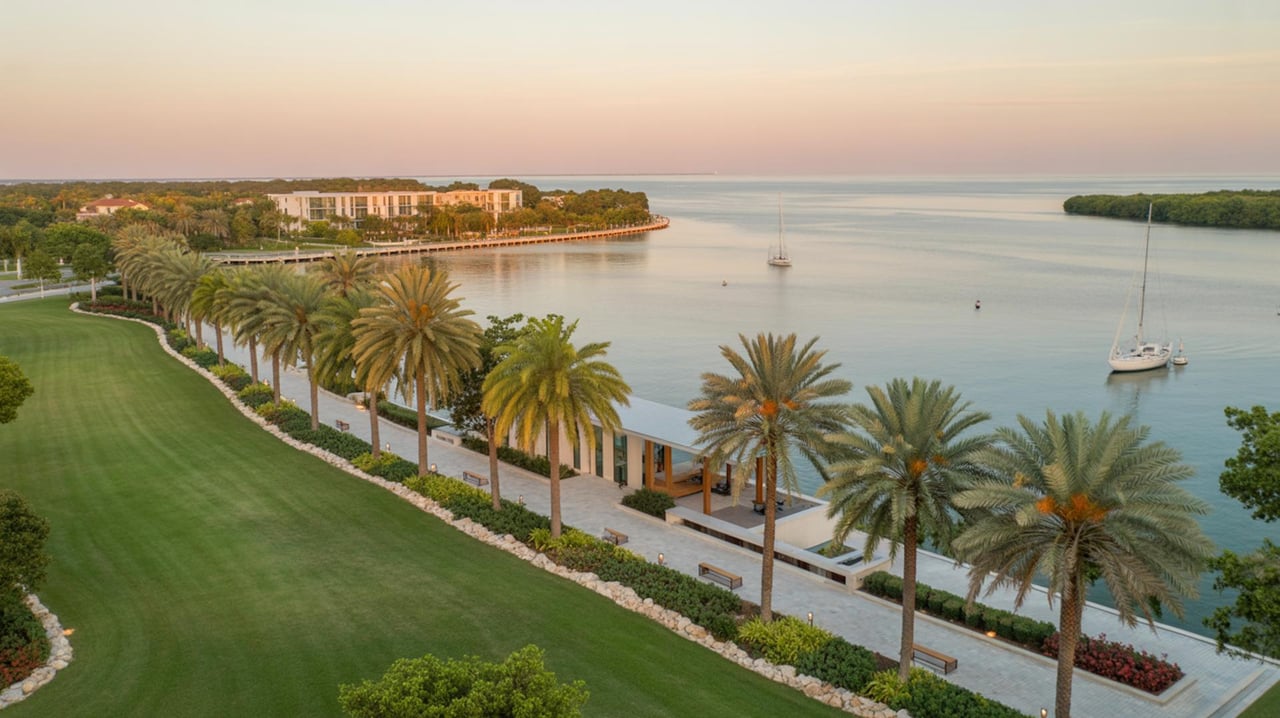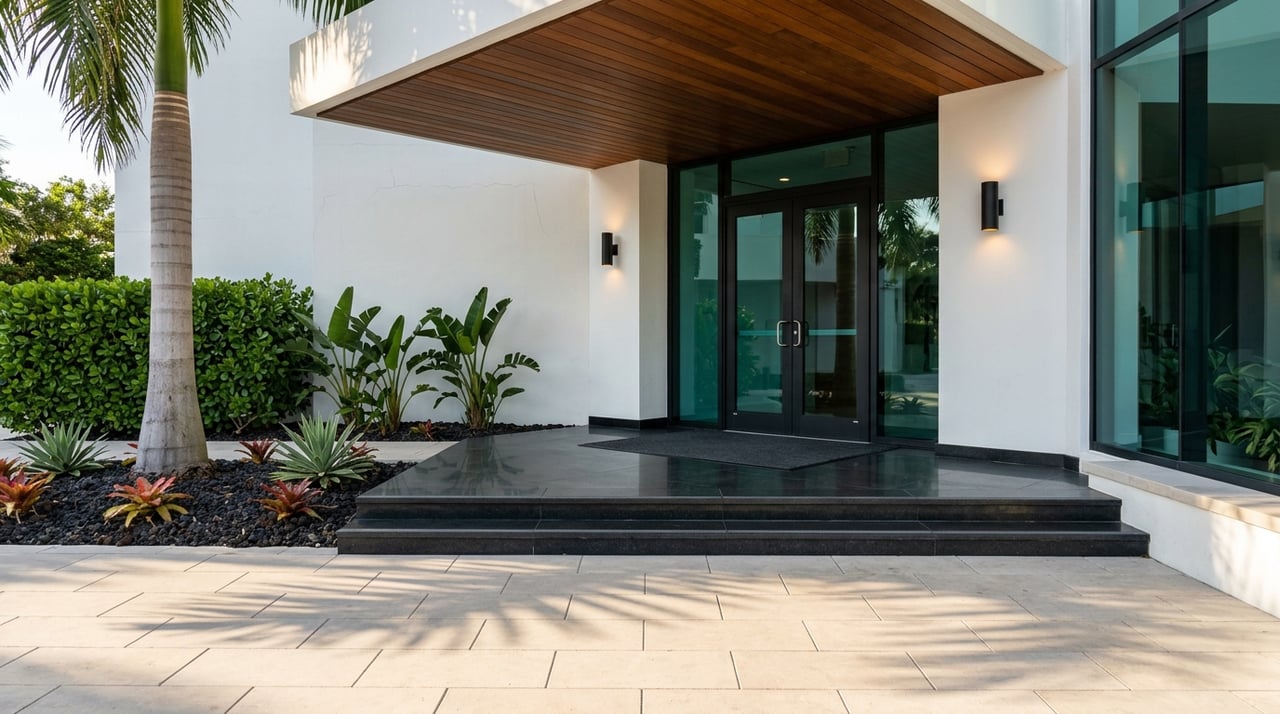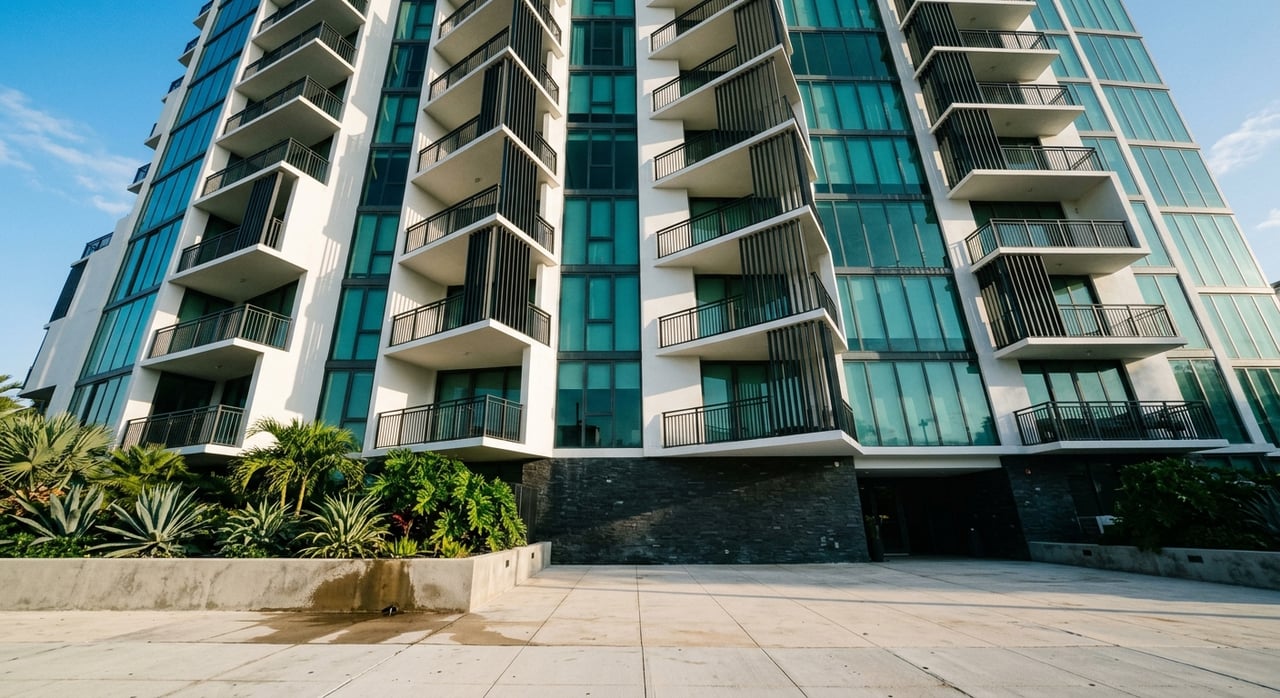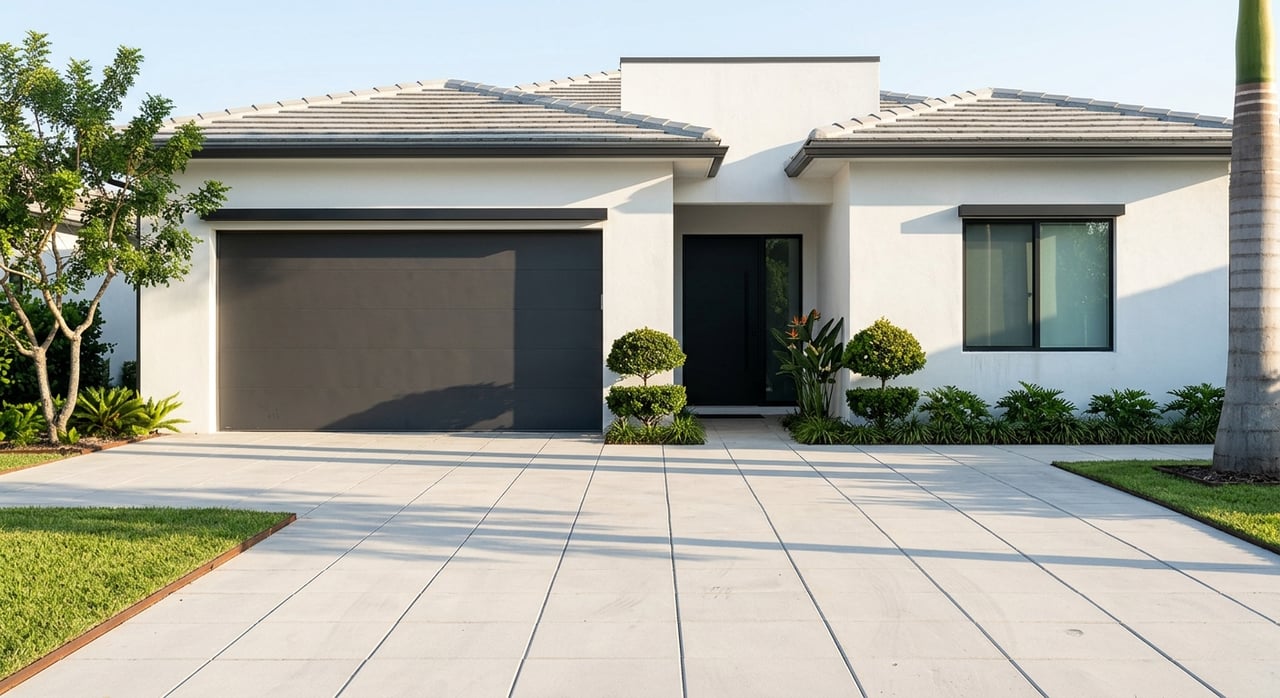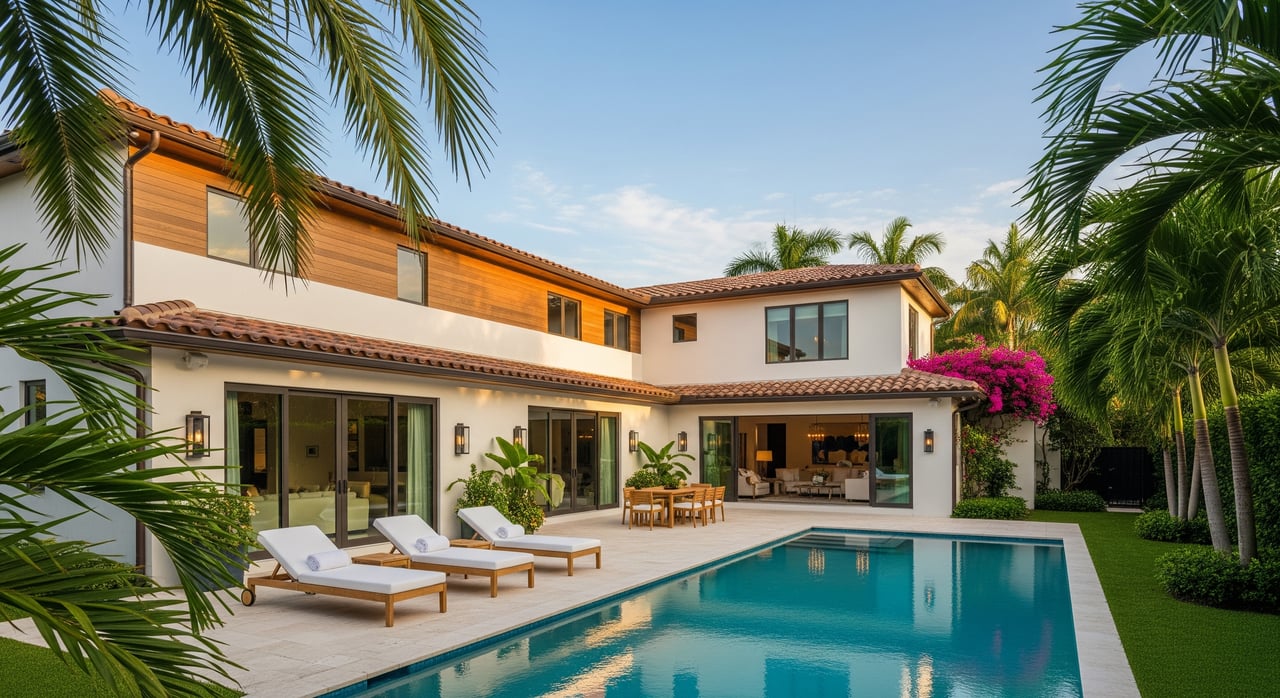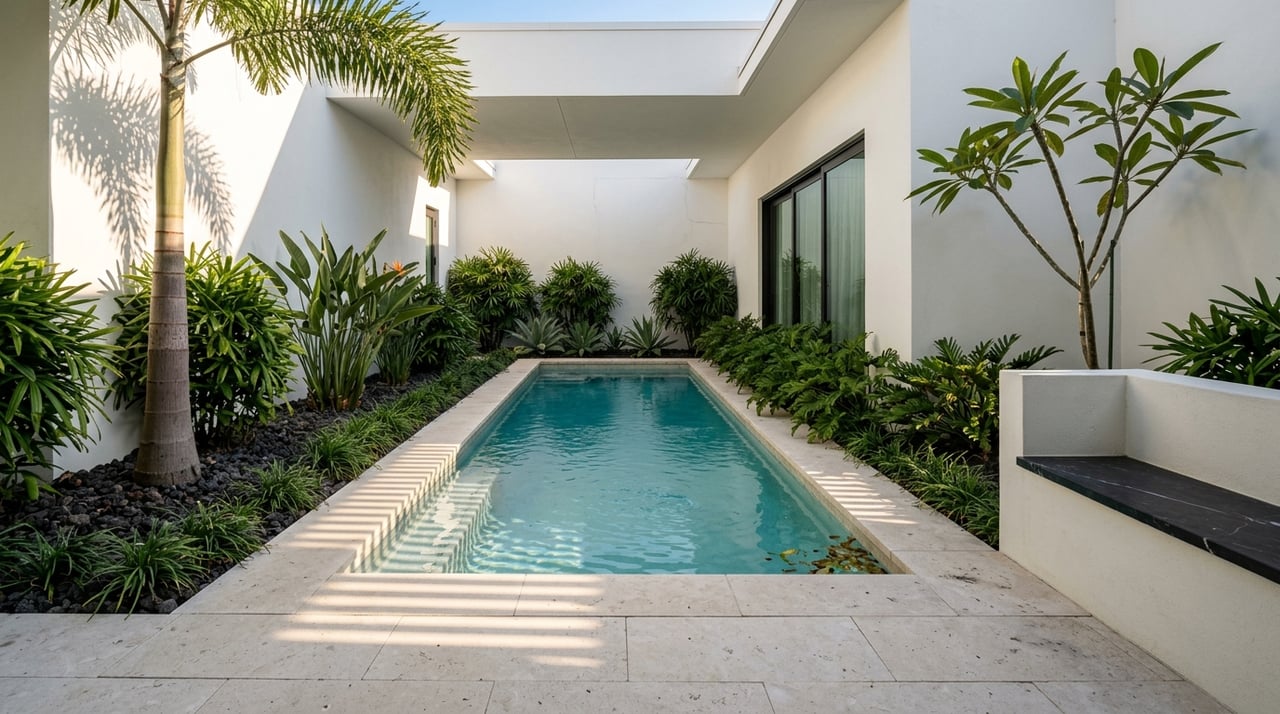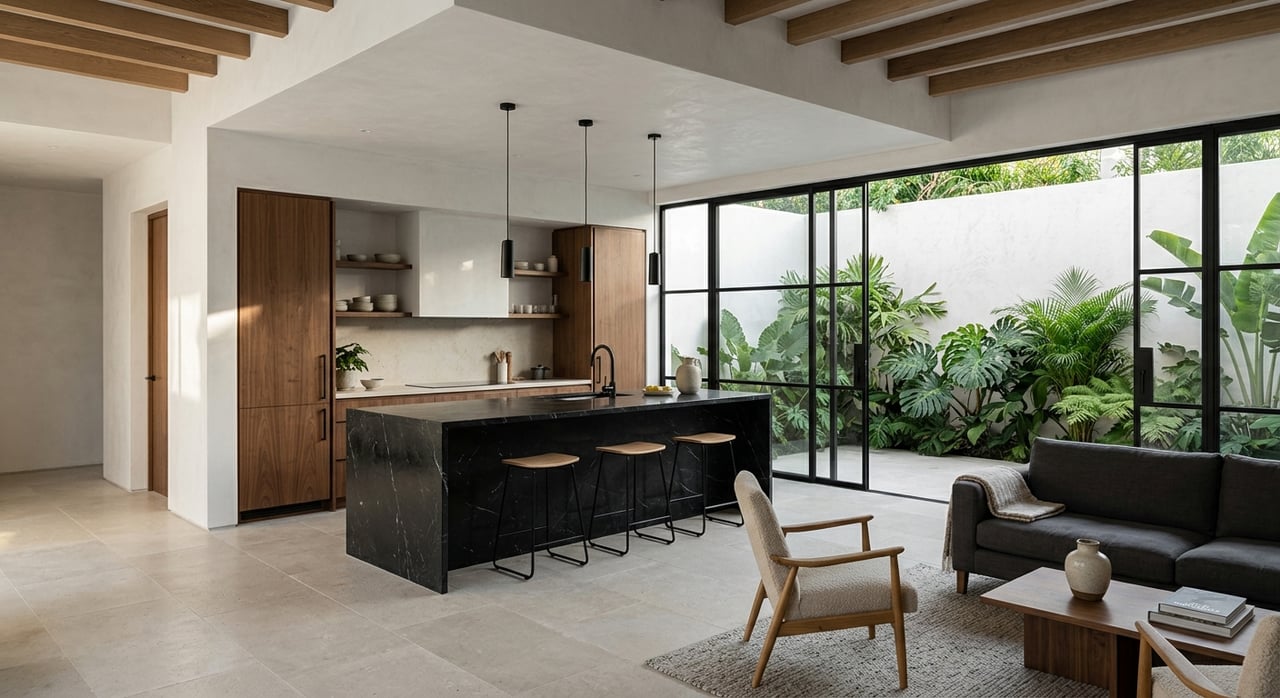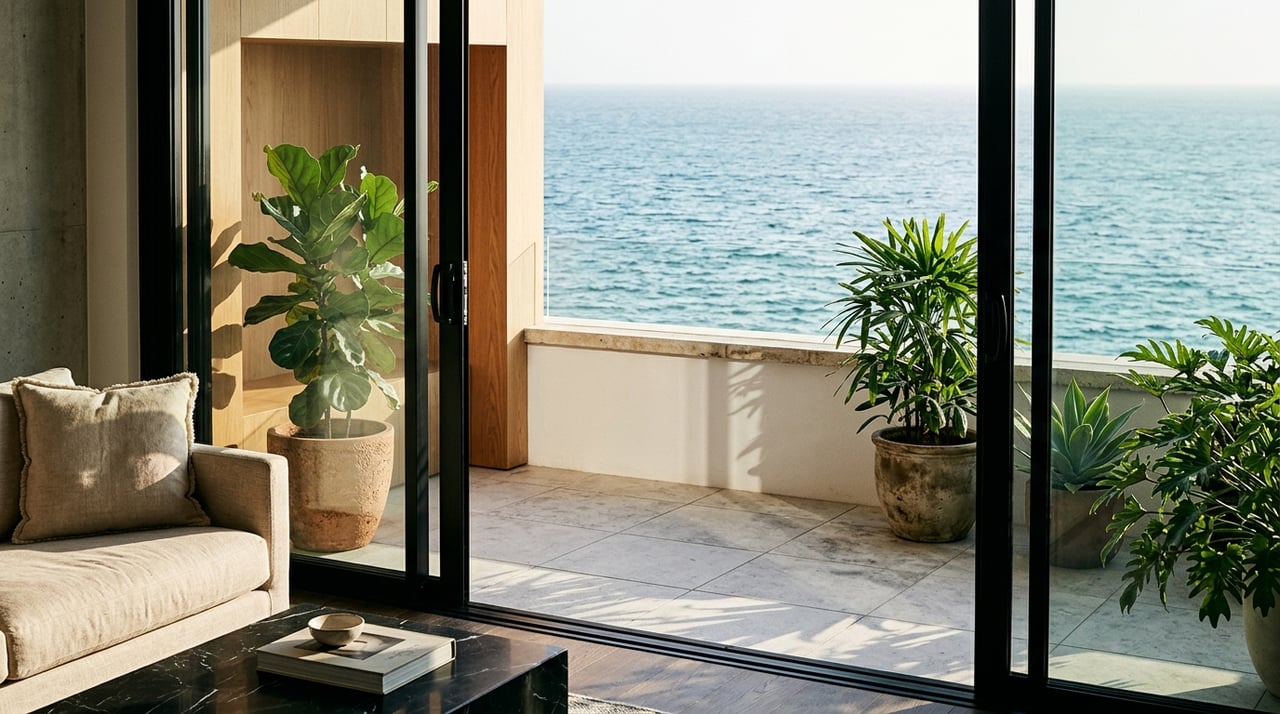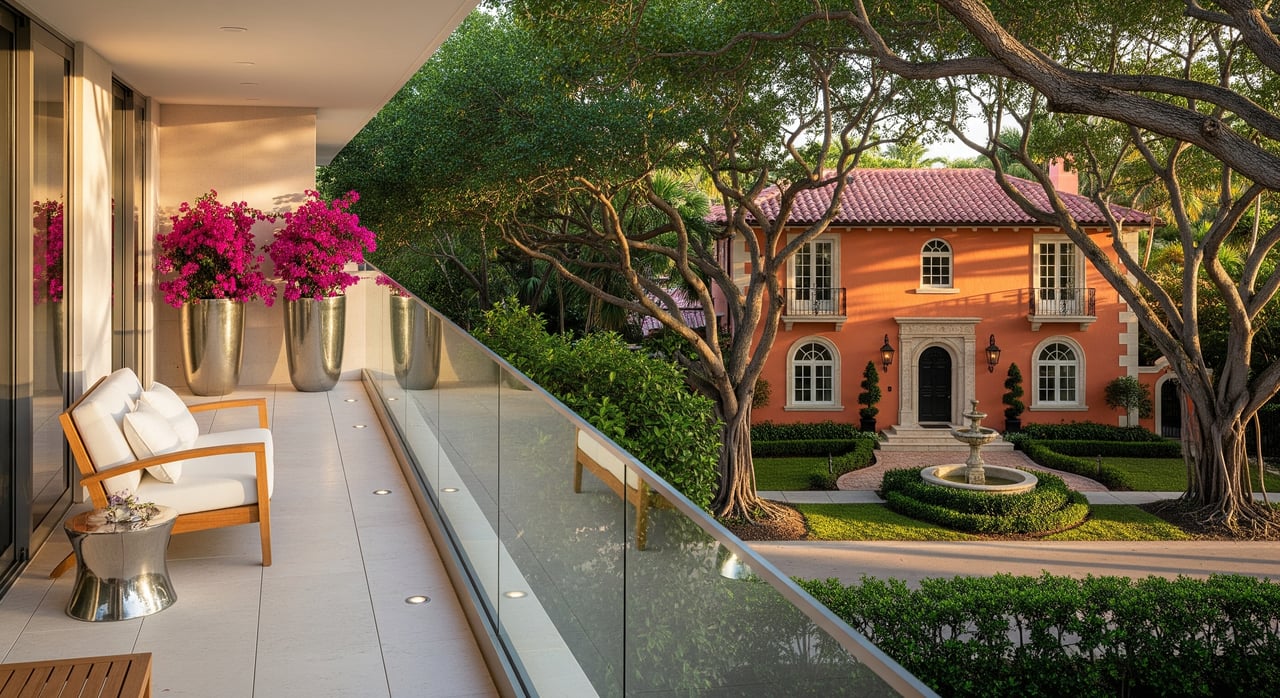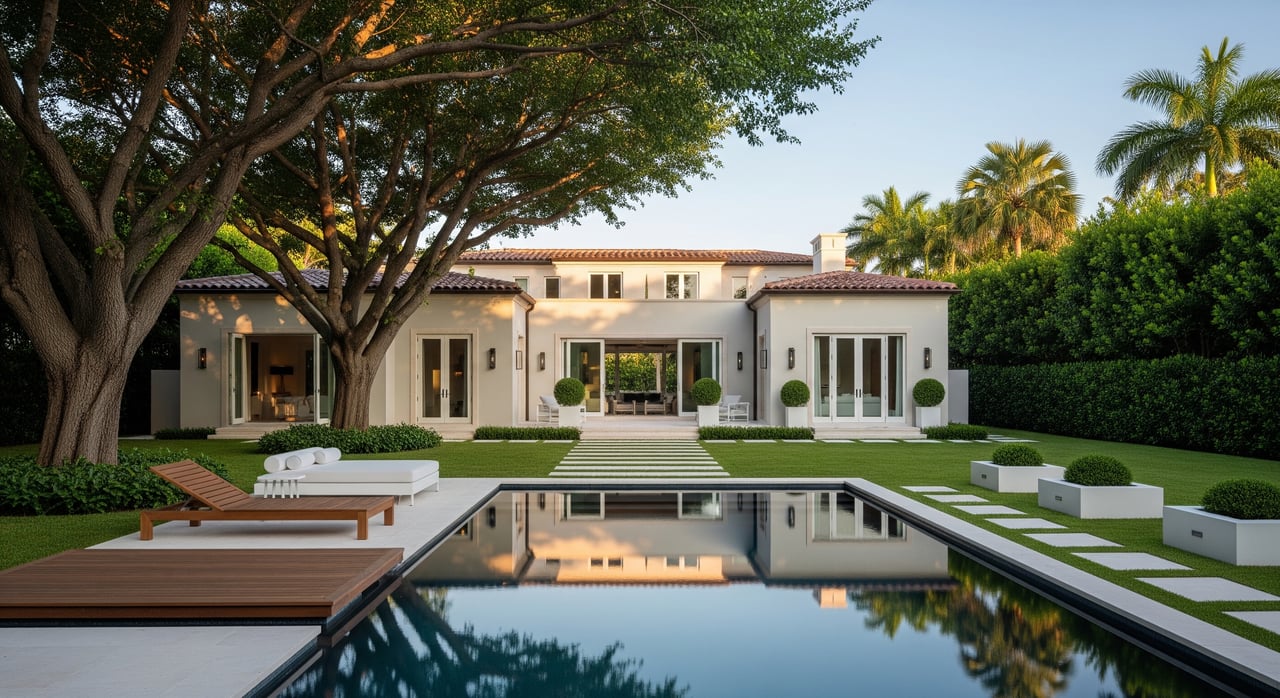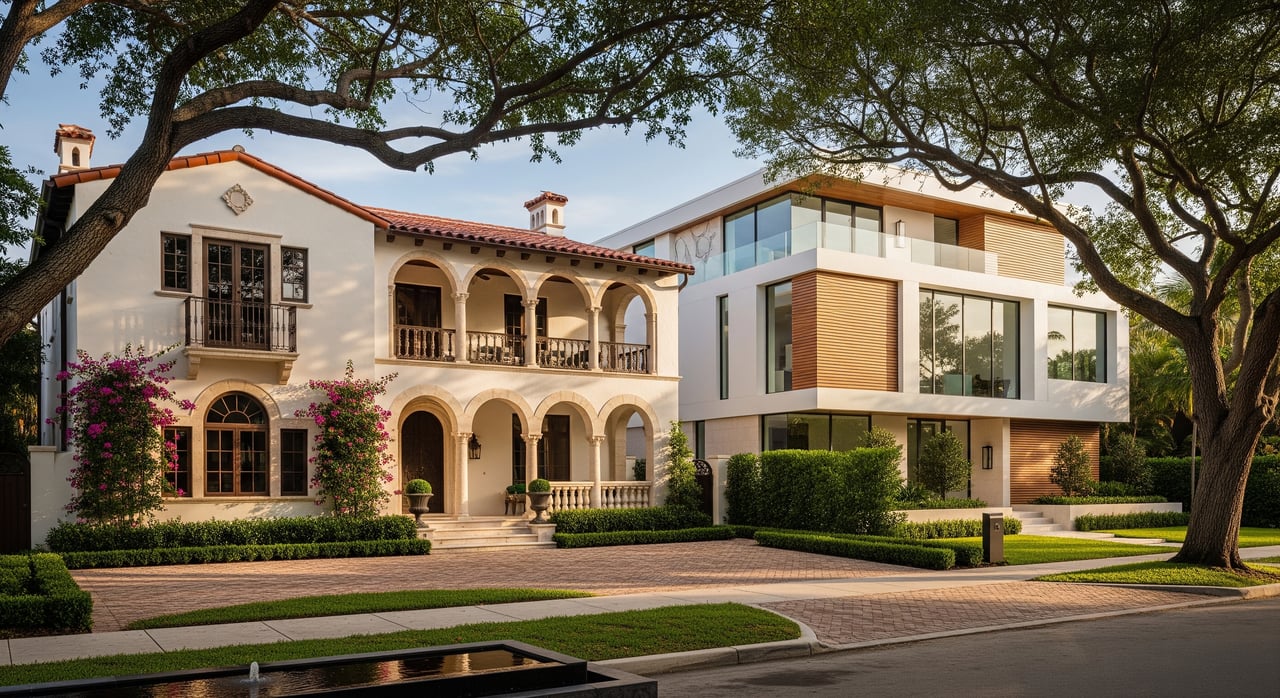
Welcome to
105,205 people live in Miami Beach, where the median age is 42.8 and the average individual income is $71,928. Data provided by the U.S. Census Bureau.
Total Population
Median Age
Population Density
Average individual Income
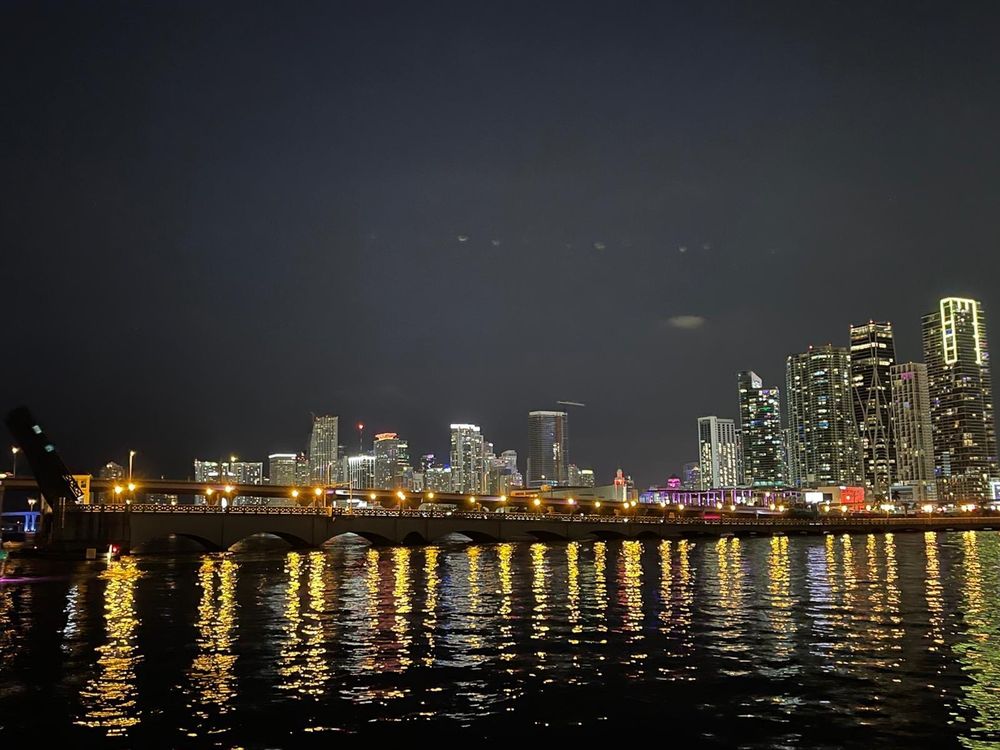
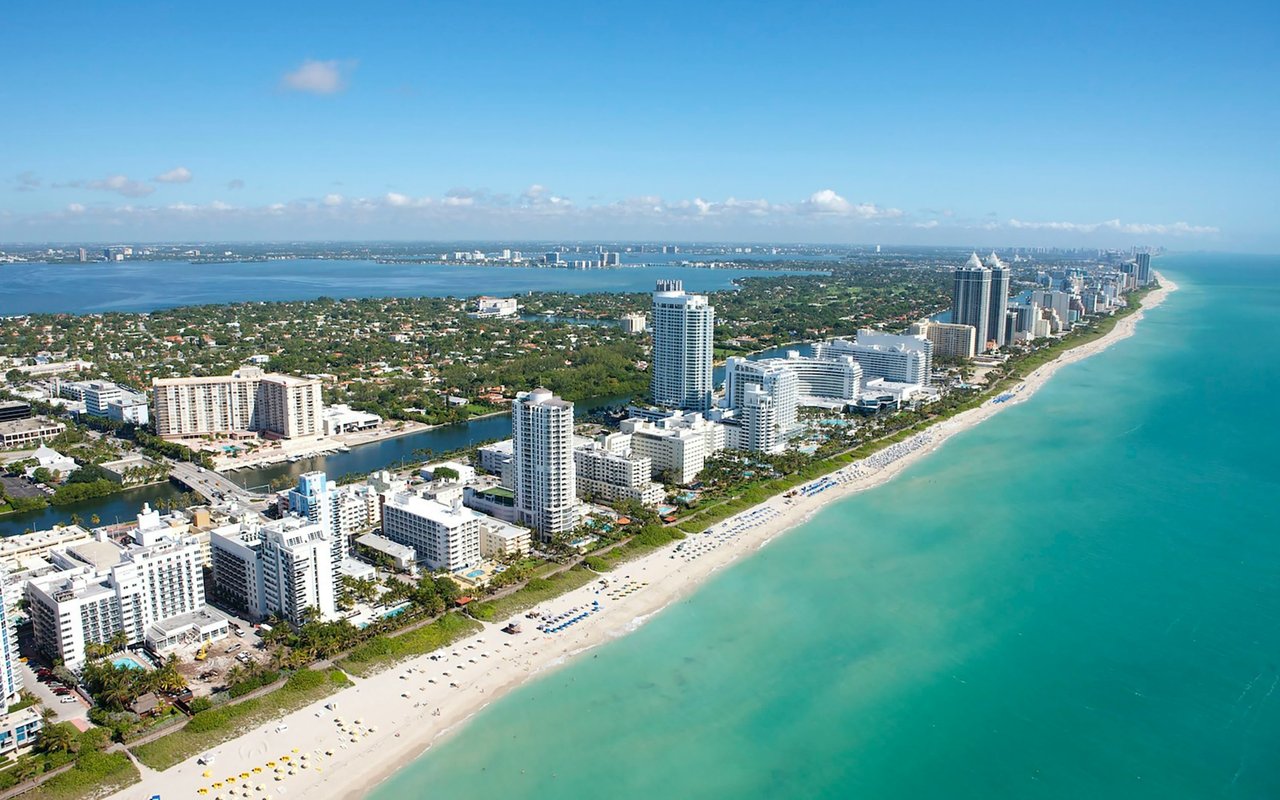
Miami Beach is not just a beach town tacked onto Miami — it's a fully self-governing barrier island city, sitting across Biscayne Bay from mainland Miami and connected by a handful of causeways. The island stretches roughly seven miles from South Pointe up to the northern tip, and within that compact footprint sits one of the most internationally recognized lifestyle destinations in the country.
What makes Miami Beach genuinely different from anywhere else in South Florida is the layered identity packed into a small geography. South Beach delivers world-famous Art Deco architecture, walkable streets, and a 24-hour energy. Mid-Beach offers grand oceanfront towers and quiet residential islands. North Beach holds onto a quieter, family-driven, almost small-town rhythm. You can live a fully walkable urban life or a gated, island-suburb life within the same zip code — that flexibility is what keeps demand resilient even as the broader market shifts.
The current Miami Beach market has firmly settled into buyer's market territory. After several frenzied post-pandemic years, things have cooled into something far more sustainable — and far more negotiable.
Properties now sit on the market for an average of 110 to 130 days, giving buyers genuine room to think, tour repeatedly, and compare. Competition is light: only about 4% to 5% of homes sell above the asking price, and on average, homes close for roughly 6% below list. Bidding wars are rare unless you're chasing something genuinely rare — a waterfront single-family home on an exclusive island, for example.
Pricing breaks down sharply by property type. Condos and townhomes, which make up the bulk of available inventory, carry a median sale price between $525,000 and $550,000. Single-family homes are an entirely different conversation — median pricing sits around $3,100,000 to $3,500,000, reflecting how scarce they are on the island. When all property types are blended together, the broader median list price lands around $630,000 to $675,000.
The defining story in Miami Beach right now is divergence. The market has split into two clearly different ecosystems, and understanding that split is essential before making any decision here.
On one side, the condo segment has softened noticeably. Inventory has climbed past a 9-month supply, and median condo prices have plateaued or dipped slightly, down roughly 1% to 3% year over year. On the other side, single-family homes and ultra-luxury towers — especially in elite pockets like South of Fifth — have remained remarkably insulated. That segment is largely driven by wealthy out-of-state and international buyers paying cash, which means mortgage rate movements barely register.
A major force shaping the condo softening is regulatory. Following legislation like HB 913 (passed after the Surfside collapse), older condo buildings now face mandatory structural reserve studies, milestone inspections, and stricter insurance requirements. That's pushed a wave of older inventory onto the market as some owners look to exit before special assessments hit. Buyers, in turn, have shifted toward newer construction and buildings with strong financial reserves.
Looking forward, the market appears headed toward stabilization rather than any kind of correction. Modest growth of 2% to 4% is the consensus expectation, supported by easing mortgage rates and continued migration from high-tax states like New York, California, and Illinois.
Buying in Miami Beach today looks nothing like the bidding-war chaos of three years ago. The cooled market has handed buyers real leverage, but how you use that leverage depends heavily on what kind of property you're chasing.
For standard condos, the negotiation environment is unusually friendly. With inventory stretching past 9 to 13 months in many buildings, offers 6% to 10% below list are routinely accepted, and sellers frequently cover closing costs to get deals done. The exception is the ultra-luxury single-family tier, particularly on islands like Star or Hibiscus — those properties still command premium pricing because supply is functionally fixed.
Contingencies have made a full comeback. The waiver-everything era is over. A standard 10-to-15-day inspection contingency is essential here because of the coastal environment — saltwater intrusion, concrete spalling, and HVAC corrosion are real, not theoretical. Financing and appraisal contingencies are generally accepted without pushback unless you're competing in the cash-heavy luxury tier. One Florida-specific protection worth knowing: when buying a resale condo, you have a 3-day right of rescission from the moment you receive the condo documents, allowing you to back out with your deposit fully protected if anything in those documents raises a red flag.
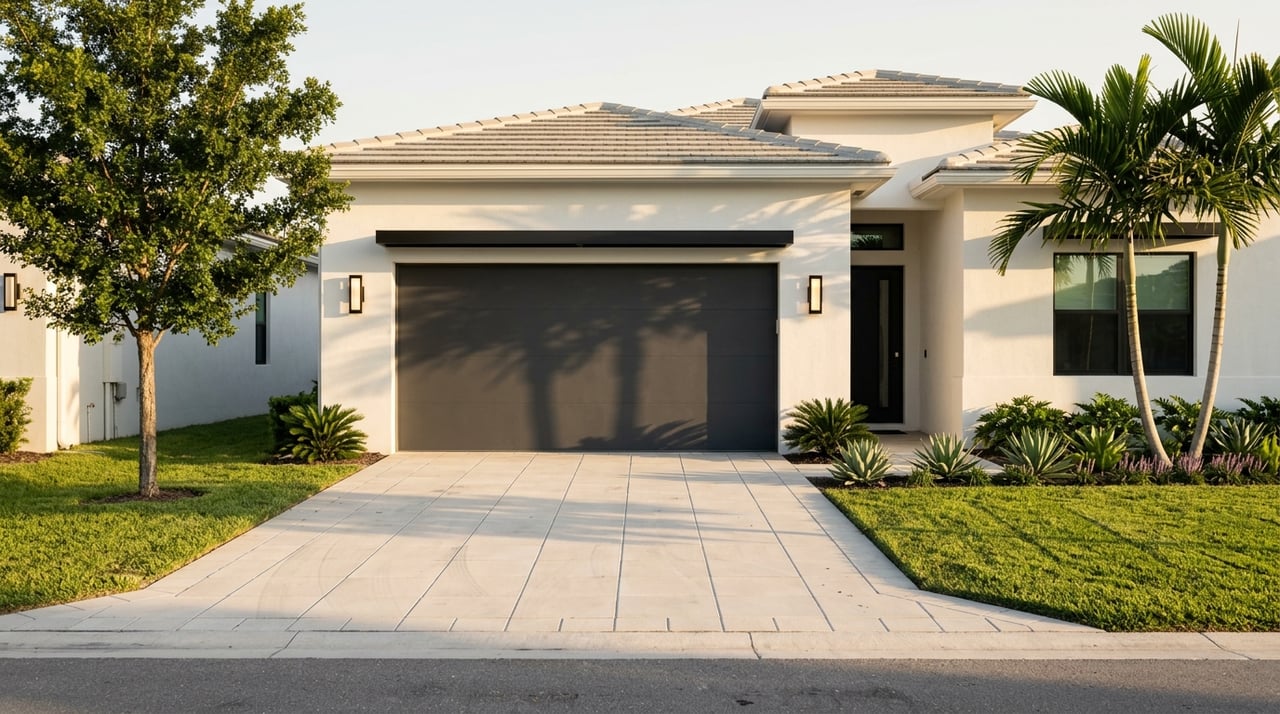
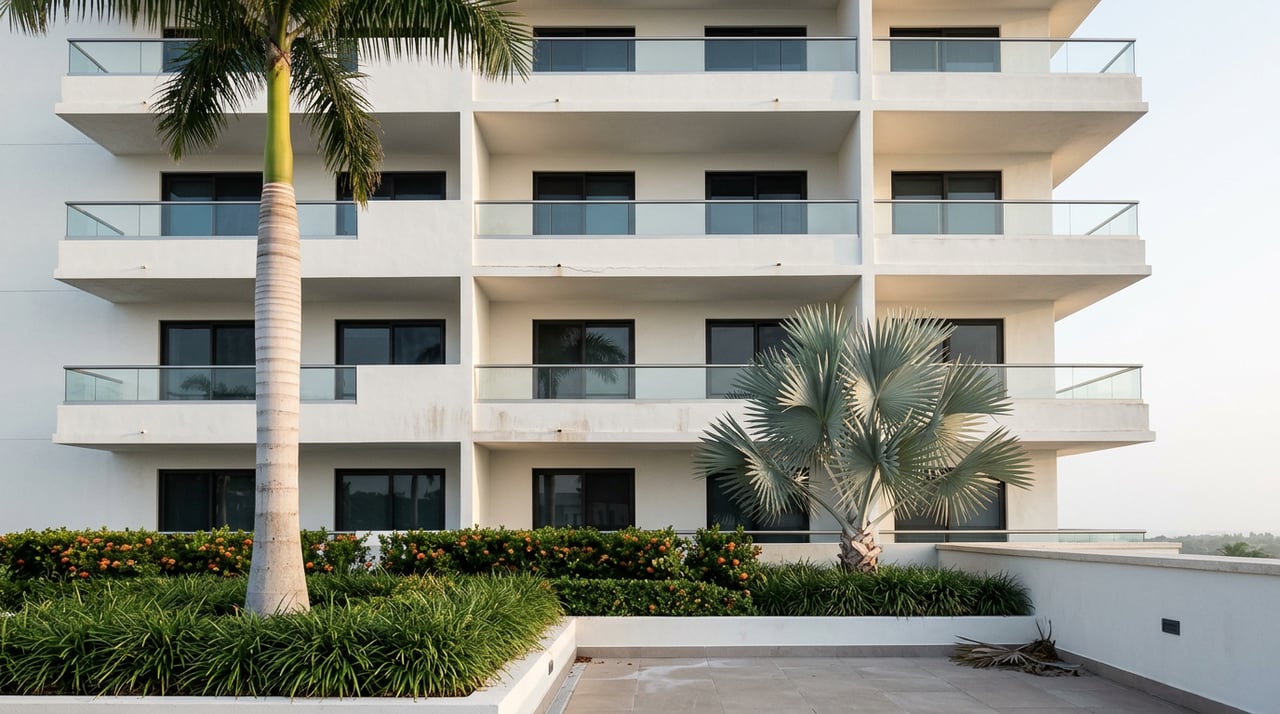
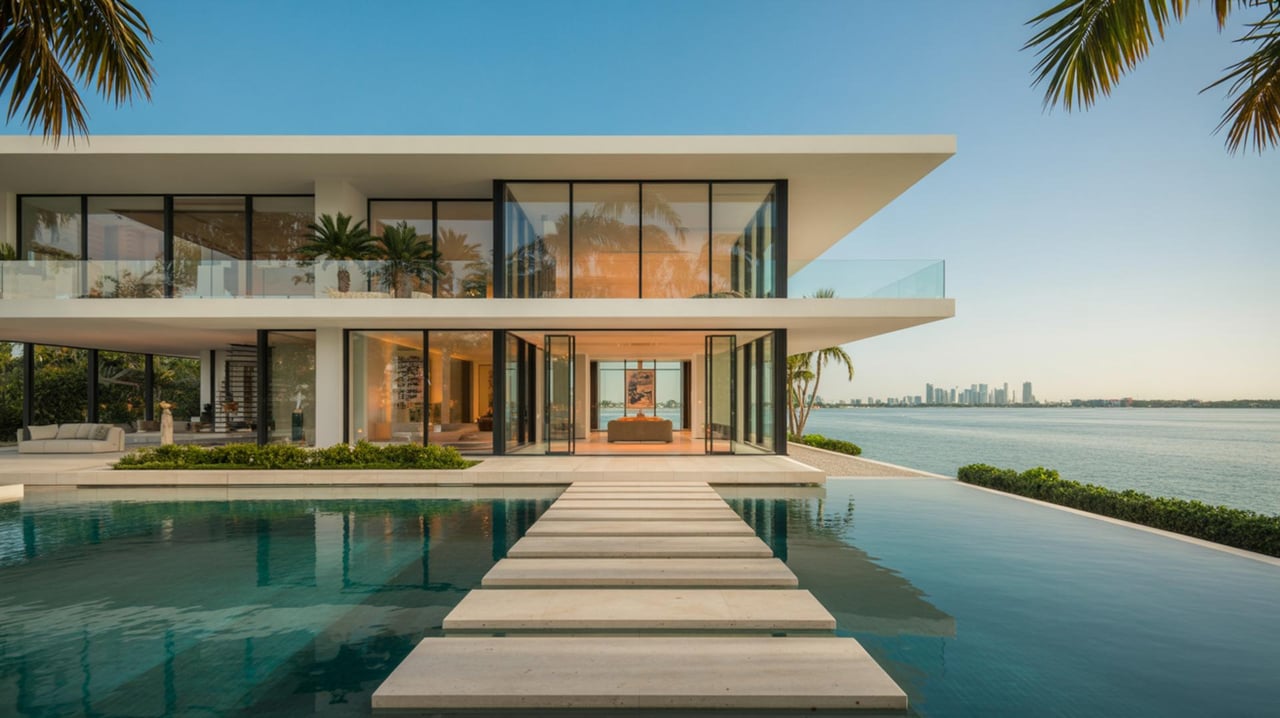
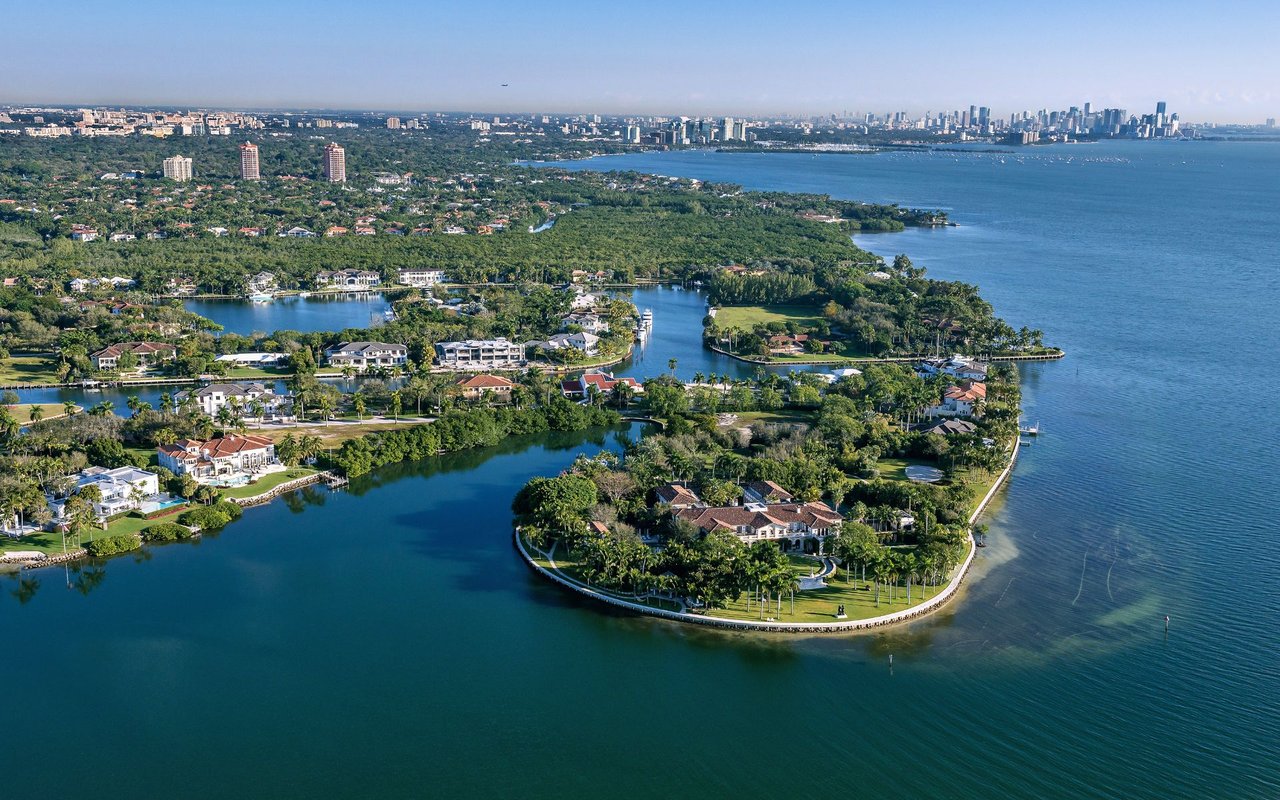
The property types you'll encounter fall into three rough buckets. Art Deco and mid-rise resale condos dominate South Beach and North Beach, offering character and lower entry prices but demanding serious financial due diligence. Luxury high-rise condos line Collins Avenue and concentrate heavily in South of Fifth, behaving almost like their own asset class. And single-family waterfront and island estates — scattered across the Venetian Islands, Sunset Islands, La Gorce, and Normandy Isles — remain scarce, mostly cash-driven, and largely insulated from broader market movements.
Miami Beach is a barrier island with structural, legal, and environmental realities that don't exist in most other markets. Skipping due diligence here is how buyers end up with six-figure surprises.
The post-Surfside condo regulations are the single biggest risk. Florida law now forbids condo associations from waiving structural reserves, and older buildings must complete Structural Integrity Reserve Studies (SIRS) and milestone inspections at the 25 or 30-year mark. Many older buildings underfunded their reserves for decades, and the bill is coming due — special assessments ranging from $10,000 to well over $100,000 per unit have become common. Never make an offer on a condo without auditing the reserve fund, reviewing the SIRS report, and reading the last several rounds of board meeting minutes.
Carrying costs are higher than newcomers expect. Monthly HOA fees in mid-to-high-rise buildings routinely exceed $1,000 to $1,900, driven by mandatory reserve funding and rising master insurance premiums. For single-family homes, windstorm and hazard insurance can run into the thousands annually — Florida's insurance market is genuinely difficult, and premiums vary significantly block to block based on roof age, elevation, and proximity to the water.
Flood zones matter, and elevation matters more. The city has invested hundreds of millions in resilience — stormwater pumps, raised roads in places like West Avenue and Sunset Isles, backflow preventers — but you still need to know which FEMA flood zone a property sits in (AE or AH are common), since that determines whether federal flood insurance is mandatory. For single-family homes, check the elevation of the street, driveway, and finished first floor. Properties built or substantially renovated under newer code revisions sit higher and insure for far less.
Short-term rentals are heavily restricted. If you're hoping to subsidize a purchase with Airbnb income, tread carefully. The City of Miami Beach has some of the strictest short-term rental rules in the country. In most residential single-family neighborhoods and standard condo buildings, rentals under 6 months are flatly illegal — fines start at $20,000 per violation. The exceptions are narrow: specific legally zoned districts (mostly in parts of South Beach and certain beachfront condo-hotels), and only when the condo association's bylaws explicitly permit it.
A few targeted moves separate successful buyers here from frustrated ones.
Audit the condo's financial health before submitting any offer — not after. Have your agent request the SIRS, the reserve budget, and the latest meeting minutes. Treat healthy reserves as your baseline filter, not a nice-to-have.
Use the inspection report as a negotiation tool, not just a checklist. Hire an inspector who specializes in coastal properties and knows what concrete spalling, rebar corrosion, and window seal failure actually look like. A strong report gives you leverage for credits or price reductions at closing.
Ask for the hyper-local absorption rate of the specific building you're targeting. The island-wide numbers tell one story, but a building with 14 months of inventory tells a much more specific one — and that's where the deepest discounts live.
For single-family homes, request the CLUE (Comprehensive Loss Underwriting Exchange) report and current insurance declarations page from the seller before your escrow deposit goes non-refundable. Insurance premiums vary wildly across South Florida, and the true cost of ownership only becomes clear once you see real numbers.
If you're moving here from out of town, the first thing to understand is that Miami Beach is a distinct city — not a neighborhood of Miami. It has its own government, its own police, its own school feeders, and its own personality, separated from the mainland by Biscayne Bay and connected only by causeways.
The island breaks into three broad regions, each with a different lifestyle. South Beach — particularly the residential pockets of West Avenue and South of Fifth (SoFi) — is high-energy, walkable, and dense with Art Deco architecture, dining, and beach access. SoFi is widely regarded as the crown jewel for luxury buyers who want walkability without tourist chaos. Mid-Beach runs from roughly 23rd to 63rd Street, anchored by the historic "Condo Canyon" along Collins Avenue and exclusive single-family enclaves like La Gorce Island. It's also home to Mount Sinai Medical Center, the island's primary hospital. North Beach is the quieter, more family-oriented end, with neighborhoods like Normandy Isles and Biscayne Point — most accessible price points on the island, more local than tourist, and a distinctly community-driven feel.
The financial advantages of relocating here are substantial. Florida has no state income tax, no local inheritance tax, and the Save Our Homes act caps annual property tax assessment increases at 3% for primary homeowners.
A few practical realities to plan for: if you'll be commuting to Brickell, Downtown Miami, or Wynwood, your daily life will involve the MacArthur, Venetian, or Julia Tuttle causeways — and during rush hour or weather events, those become bottlenecks. On the upside, the city operates a free trolley system covering the entire island, and the seven-mile paved Beachwalk makes biking and walking genuinely viable for daily errands. Spanish is spoken as widely as English here, reflecting a deeply international community.
Miami Beach manages to be several things at once. In South Beach, West Avenue, and SoFi, the rhythm is highly urban and walkable — locals run errands on foot, grab cafecitos at sidewalk cafés, and bike along the Beachwalk to dinner. Cross over into the interior residential islands like the Venetians or Sunset Islands, or head north toward Normandy Shores, and the energy resets entirely: quiet, gated, suburban, palm-lined streets where neighbors get around on golf carts.
The thread tying it all together is an outdoor, water-centric lifestyle. Sunrise yoga, paddleboarding through Biscayne Bay, running across the Venetian Causeway, weekend boating — wellness and water are core to daily life, not weekend events.
Culturally, the island punches far above its size. Art Basel Miami Beach turns the city into a global art destination each December, and the New World Center (home to the New World Symphony) sits as one of the most architecturally significant performance venues in the country. The crowd is genuinely international — European, Latin American, and northeastern U.S. transplants share the island in roughly equal measure, and that mix shows up in everything from dining to nightlife to language.
For family buyers, Miami Beach is part of the Miami-Dade County Public Schools district — one of the largest in the country — but the schools physically located on the island operate with a noticeably tight-knit, community-centered feel and use the International Baccalaureate curriculum across multiple campuses.
North Beach Elementary is consistently ranked an "A" school by the state and is one of the most sought-after public elementaries in South Florida. South Pointe Elementary, in the South of Fifth area, is another top-tier "A"-rated IB World School. Nautilus Middle School serves the island's middle school students with strong academy programs in music, arts, and IB Middle Years. Miami Beach Senior High — "Beach High" to locals — is an A/B-rated institution offering competitive magnet programs including the IB Diploma, an Academy of Hospitality and Tourism, and dual-enrollment partnerships with local universities.
Roughly 30% of students on the island attend private schools, which speaks to how dense the independent options are within city limits. Hebrew Academy (RASG) offers a rigorous PK-12 dual curriculum. Lehrman Community Day School serves toddlers through grade 5 on the north end of the island with small class sizes. St. Patrick School is a long-standing K-8 Catholic school with strong athletics. And just off the southern tip of the island, accessible only by ferry, Fisher Island Day School serves PK-8 students from one of the most exclusive enclaves in the country.
The crown jewel of the island's outdoor infrastructure is the Beachwalk — a paved, uninterrupted seven-mile pedestrian and bike path running from South Pointe all the way to North Beach. It's the spine of daily outdoor life here. On the western side, the Baywalk network offers waterfront paths with skyline views over Biscayne Bay.
South Pointe Park sits at the southern tip, 17 acres with a pier, walking paths, an off-leash dog area, and dramatic views of cruise ships exiting Government Cut. Lummus Park borders the Art Deco district and acts as the social hub for volleyball, beach runs, and outdoor fitness. Inland, Canopy Park on Alton Road offers a botanical grove and a Monstrum playground on three acres, and Bayshore Park combines tennis courts, a central lake, and walking trails that double as stormwater infrastructure — a small but telling example of how the city has woven climate resilience into everyday amenity.
Dining in Miami Beach functions less like an occasional luxury and more like a core piece of daily life. The island is a major focal point for the MICHELIN Guide in Florida, with a concentration of chef-driven concepts in South of Fifth — legendary institutions sitting alongside modern supper clubs. The cuisine skews international: high-end Mediterranean, contemporary Japanese, and Latin American flavors dominate the scene.
Away from the marquee restaurants, locals gravitate toward neighborhood spots on Purdy Avenue in Sunset Harbour or hidden corridors throughout South Beach — open-air cafés, bistros, and sushi bars where morning espressos transition into long al fresco lunches.
Nightlife has evolved well past the mega-club era. Those clubs still exist for the tourist crowd, but resident nightlife now centers on speakeasies, members-only clubs, high-end hotel bars at properties like the Faena and Miami Beach Edition, and intimate cocktail lounges that prioritize privacy and mixology over volume.
Daily shopping is genuinely well covered. The island has multiple Publix locations, a flagship Whole Foods in South Beach, and a busy Trader Joe's on West Avenue, plus boutique markets, gourmet delis, and wine shops scattered through nearly every residential corner.
Lincoln Road Mall is the island's primary retail spine — a mile-long open-air pedestrian promenade designed by Art Deco architect Morris Lapidus, mixing mainstream anchors like Apple, Zara, and Lululemon with art galleries and sidewalk cafés. For more curated shopping, Sunset Harbour has built a strong identity around high-end fitness boutiques, independent fashion, and specialty beauty. And when ultra-luxury designer shopping is needed, residents typically make the 15-to-20-minute drive north to Bal Harbour Shops or cross the bay to the Miami Design District.
Transportation here is genuinely different from the rest of South Florida — the island is compact and hyper-connected, which makes a low-car or even car-free life entirely realistic depending on where you live.
Walking and biking are the default. The Citi Bike sharing program is deeply integrated across the island, and the Beachwalk and dedicated bike lanes make most local errands easy on two wheels. If you live in South Beach or Sunset Harbour, your own two feet will likely handle most of your daily movement.
The free Miami Beach Trolley is the under-appreciated piece of the system — four overlapping loops covering South, Middle, and North Beach, running every 15 to 20 minutes, fully air-conditioned, and used heavily by locals.
If you do own a car, parking is the friction point. Street parking is metered, heavily monitored, and competitive. Residents need to apply for a Residential Parking Permit through the city for discounted access in their zone, and when buying a home, a deeded garage spot is a significant value-add — not a luxury. For commuting to the mainland, the MacArthur, Venetian (which carries a commuter toll), and Julia Tuttle causeways are your only options, and all three become bottlenecks at rush hour and during heavy weather.
Miami Beach rewards buyers who have local guidance. Between condo financial audits, flood zone realities, insurance quirks, short-term rental restrictions, and the wide gap between asking and selling prices in today's market, this is not a place to navigate alone.
Noel Barrientos brings over 14 years of sales and customer service experience to clients buying, selling, and renting across Miami and Miami Beach. His clients consistently describe him as honest, responsive, and deeply hands-on — the kind of agent who answers messages every day of the week and stays in the trenches with you through inspections, negotiations, and closing. Whether you're relocating from out of state, looking for an island condo, or eyeing a single-family waterfront home, Noel can help you avoid the surprises that catch unprepared buyers off guard.
Reach out directly at (786) 757-2838 or [email protected] to start a conversation about what you're looking for.
There's plenty to do around Miami Beach, including shopping, dining, nightlife, parks, and more. Data provided by Walk Score and Yelp.
Explore popular things to do in the area, including Cote D'azur Sport, Art Against All By Eurydice, and Training Your Body Fitness.
| Name | Category | Distance | Reviews |
Ratings by
Yelp
|
|---|---|---|---|---|
| Shopping | 1.31 miles | 0 reviews | 0/5 stars | |
| Shopping | 1.46 miles | 0 reviews | 0/5 stars | |
| Active | 0.8 miles | 19 reviews | 5/5 stars | |
| Active | 0.8 miles | 3 reviews | 1/5 stars | |
| Active | 0.8 miles | 0 reviews | 0/5 stars | |
| Active | 0.91 miles | 0 reviews | 0/5 stars | |
| Active | 0.91 miles | 0 reviews | 0/5 stars | |
| Active | 0.91 miles | 0 reviews | 0/5 stars | |
| Active | 1.09 miles | 0 reviews | 0/5 stars | |
| Active | 1.09 miles | 2 reviews | 1/5 stars | |
| Active | 1.09 miles | 0 reviews | 0/5 stars | |
| Active | 1.12 miles | 0 reviews | 0/5 stars | |
| Active | 1.13 miles | 0 reviews | 0/5 stars | |
| Active | 1.23 miles | 0 reviews | 0/5 stars | |
| Active | 1.35 miles | 0 reviews | 0/5 stars | |
| Active | 1.42 miles | 1 review | 5/5 stars | |
| Beauty | 0.8 miles | 0 reviews | 0/5 stars | |
| Beauty | 1.1 miles | 0 reviews | 0/5 stars | |
| Beauty | 1.1 miles | 2 reviews | 5/5 stars | |
| Beauty | 1.15 miles | 0 reviews | 0/5 stars | |
| Beauty | 1.17 miles | 0 reviews | 0/5 stars | |
| Beauty | 1.23 miles | 1 review | 1/5 stars | |
| Beauty | 1.35 miles | 0 reviews | 0/5 stars | |
| Beauty | 1.35 miles | 0 reviews | 0/5 stars | |
|
|
||||
|
|
||||
|
|
||||
|
|
||||
|
|
||||
|
|
Miami Beach has 50,541 households, with an average household size of 2.238. Data provided by the U.S. Census Bureau. Here’s what the people living in Miami Beach do for work — and how long it takes them to get there. Data provided by the U.S. Census Bureau. 105,205 people call Miami Beach home. The population density is 11,592 and the largest age group is Data provided by the U.S. Census Bureau.
Total Population
Population Density Population Density This is the number of people per square mile in a neighborhood.
Median Age
Men vs Women
Population by Age Group
0-9 Years
10-17 Years
18-24 Years
25-64 Years
65-74 Years
75+ Years
Education Level
Total Households
Average Household Size
Average individual Income
Households with Children
With Children:
Without Children:
Blue vs White Collar Workers
Blue Collar:
White Collar:
Miami FL
Miami FL