Welcome to
11,926 people live in South Miami, where the median age is 39.9 and the average individual income is $57,267. Data provided by the U.S. Census Bureau.
Total Population
Median Age
Population Density
Average individual Income
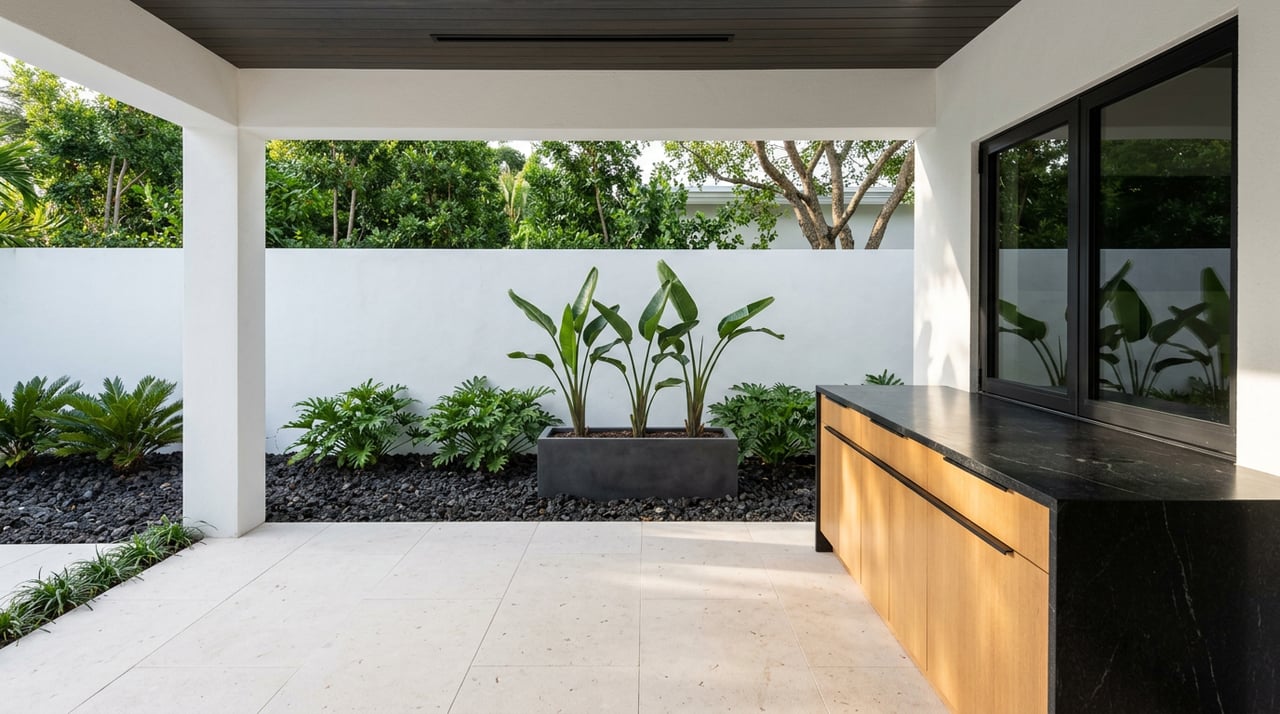
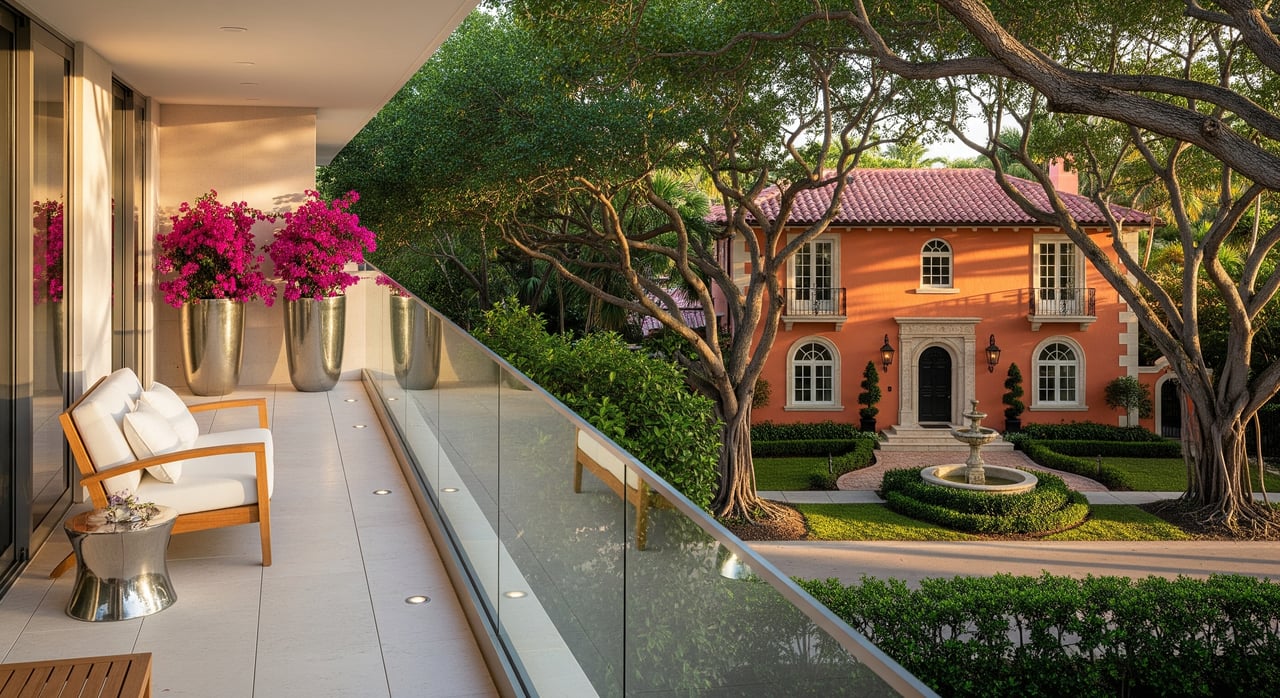
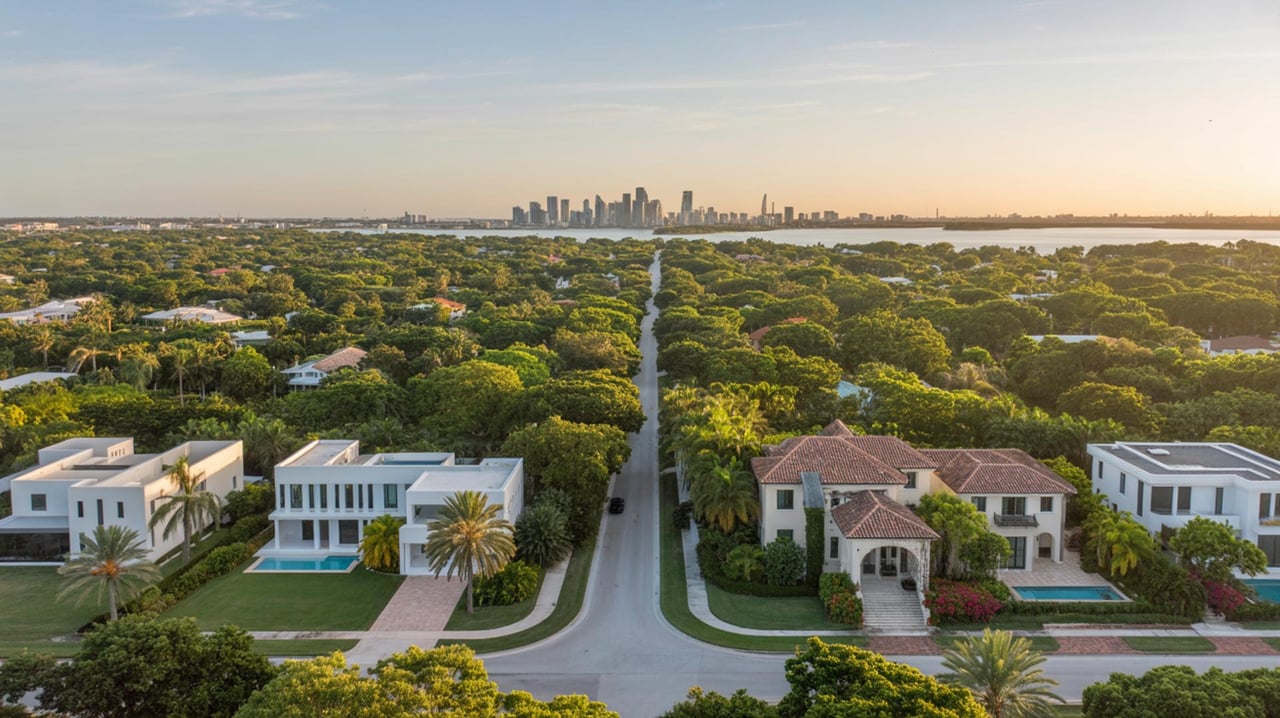
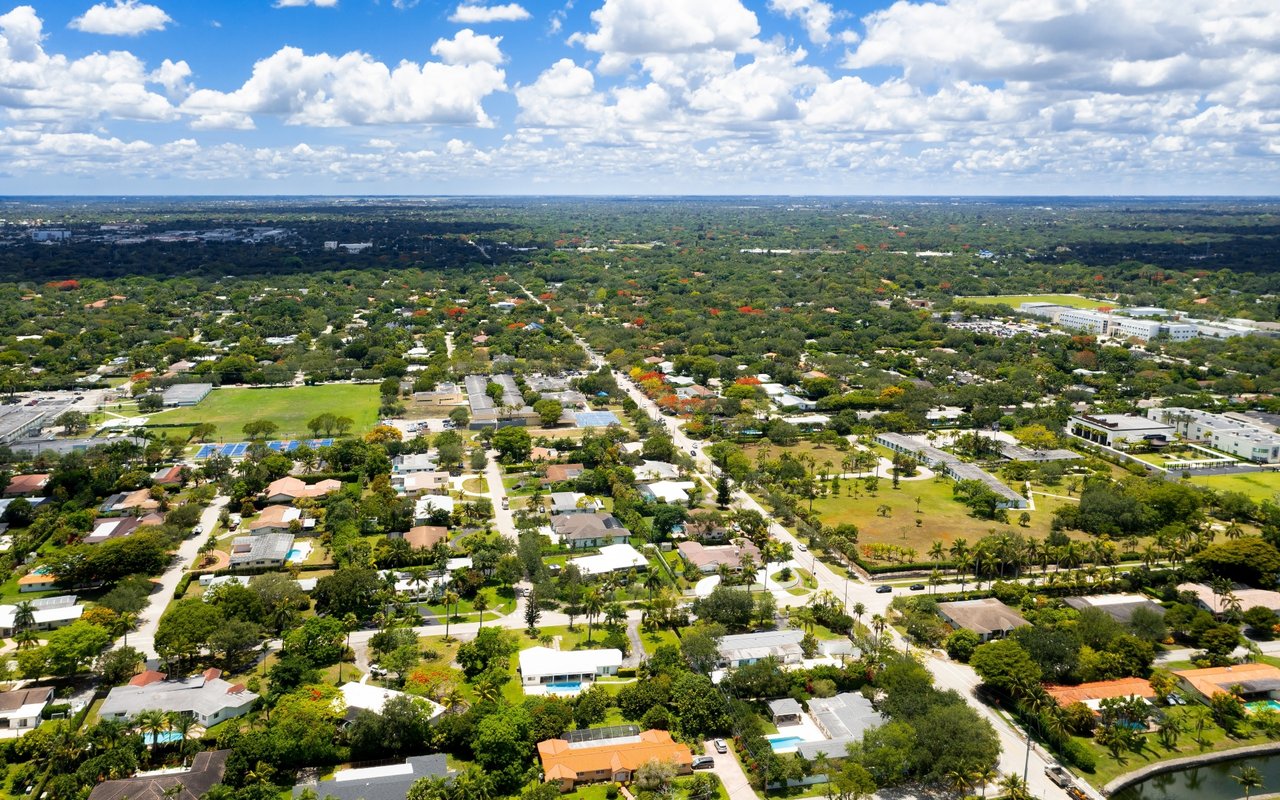
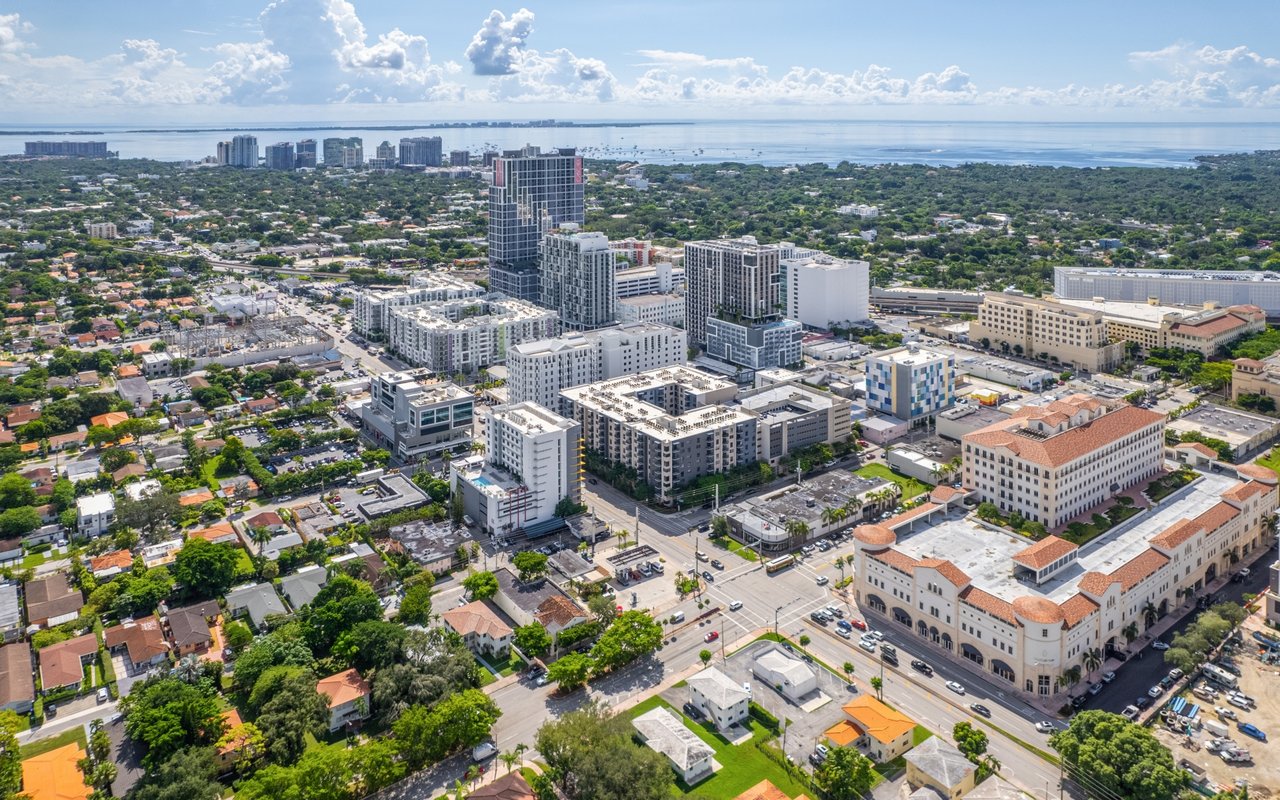
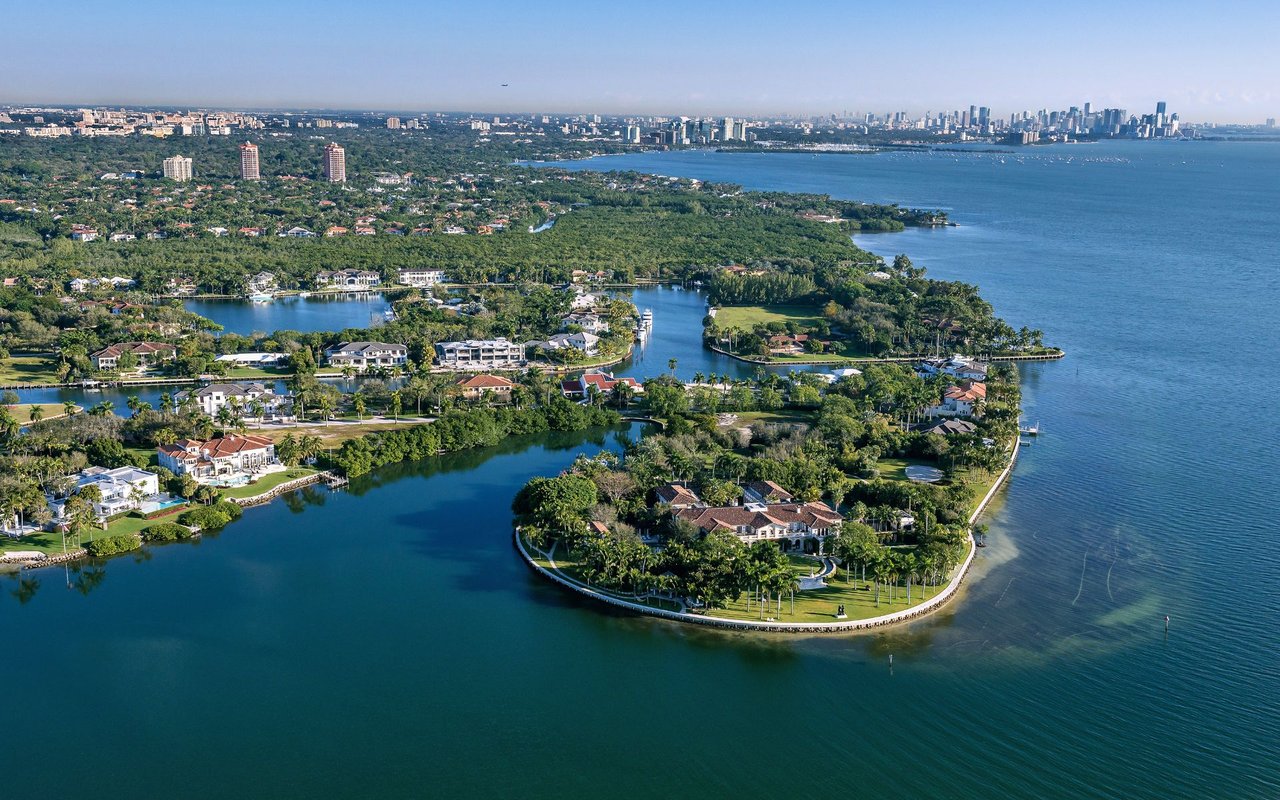
South Miami is a small, tree-lined municipality tucked between the University of Miami and Coral Gables, often called the "City of Pleasant Trees" for its sweeping canopies of live oaks and banyans. Unlike the high-rise density of Brickell or the resort energy of Miami Beach, South Miami operates as a self-contained hometown — walkable downtown streets, multi-generational families, professors, and physicians all coexisting within a few square miles. It's the rare pocket of Miami-Dade where you can walk to dinner, hop on the Metrorail, and still come home to a quiet street with a yard.
The South Miami market today is best described as somewhat competitive but balanced — a meaningful shift from the frenzied seller's market of recent years. Homes are sitting on the market for a median of 93 to 104 days, which gives buyers something they haven't had in a long time: room to think, inspect, and negotiate.
Most homes are selling 3% to 7% below list price, and roughly a third of active listings have taken a price reduction at some point. That said, well-renovated, turnkey single-family homes still move quickly and occasionally close above asking. The median home value sits around $1.05M to $1.1M, which is significantly above the broader Miami-Dade median of roughly $685K–$700K. That premium reflects the school districts, the canopy, the proximity to UM, and the simple fact that there isn't much land left to build on.
South Miami's real estate story right now is one of normalization, not decline. Median sale prices have come down roughly 24% from their pandemic-era peak and have stabilized near the $1.05M mark — a correction that brings the market back toward a sustainable floor rather than a crash.
The more interesting trend is the two-speed market emerging across South Florida, and South Miami is a clean example of it. Single-family homes remain resilient thanks to tight inventory and strong demand, while condos and townhomes have flipped into a clear buyer's market as inventory has flooded the segment. Sellers of attached homes are negotiating aggressively on price, closing credits, and terms.
Macroeconomic forces shape the rest of the picture. Mortgage rates hovering in the low-to-mid 6% range have made financed buyers more cautious, but South Miami has an unusually high concentration of cash buyers — affluent transplants and international buyers who are largely indifferent to rate movement. Looking ahead, most analysts project a modest 2% to 4% annual price growth as the market settles. Pending state-level conversations around property tax relief and condo HOA reform could add further stability heading into next year.
The home-buying process here depends almost entirely on what type of property you're after. For single-family homes, expect a moderately competitive environment — inventory is tight, and well-priced updated homes still move fast, but you're unlikely to face the dozen-offer bidding wars of the boom years. For condos and townhomes, the dynamic flips completely. You'll have leverage to negotiate price, closing costs, and concessions in ways that would have been unthinkable two years ago.
With days on market extending past 90, buyers have successfully reintroduced the protective contingencies that briefly disappeared during the boom. The standard Florida FAR/BAR "As-Is" contract is back to functioning as it was designed to — the 7-to-10-day inspection window has become a real negotiation tool, and sellers are far more willing to provide credits or make repairs. Financing and appraisal contingencies are once again standard, though cash offers remain a notable share of transactions here.
One contingency unique to South Florida deserves real attention: the insurability contingency. Buyers routinely make the sale contingent on securing a homeowner's policy — particularly windstorm and flood coverage — at a reasonable cost. Skipping this clause is one of the most expensive mistakes a buyer can make in this market.
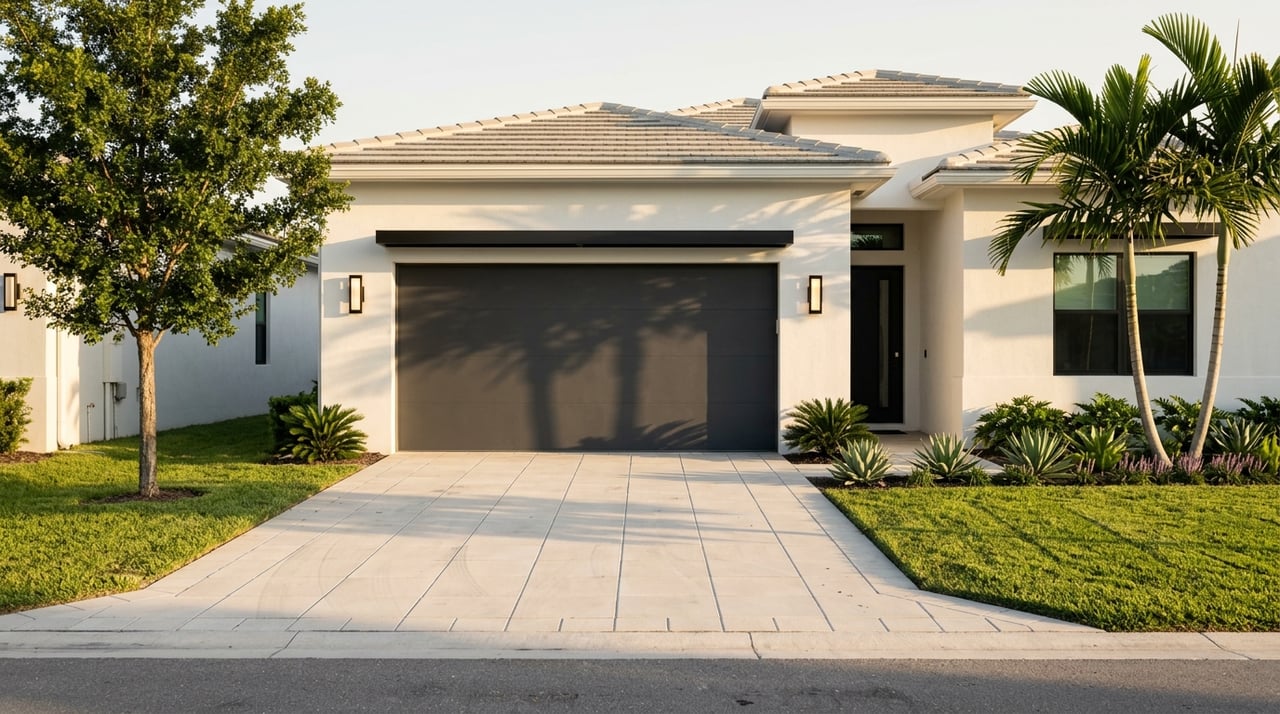
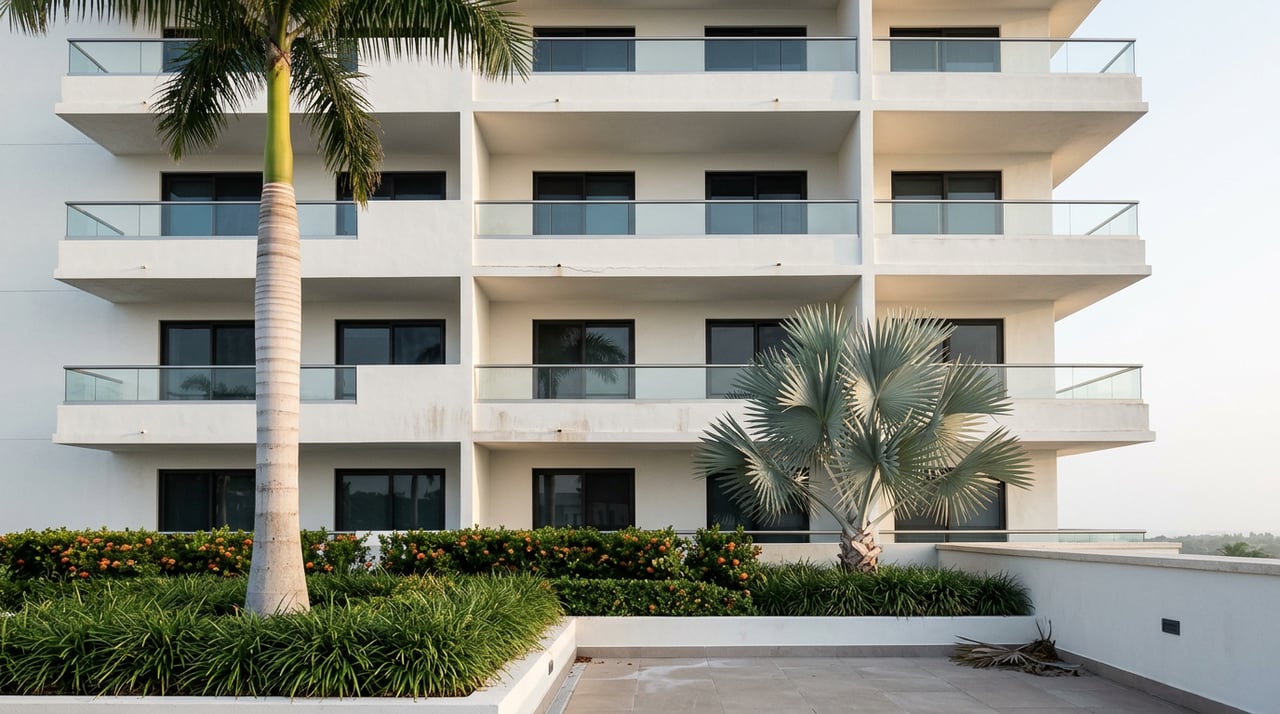
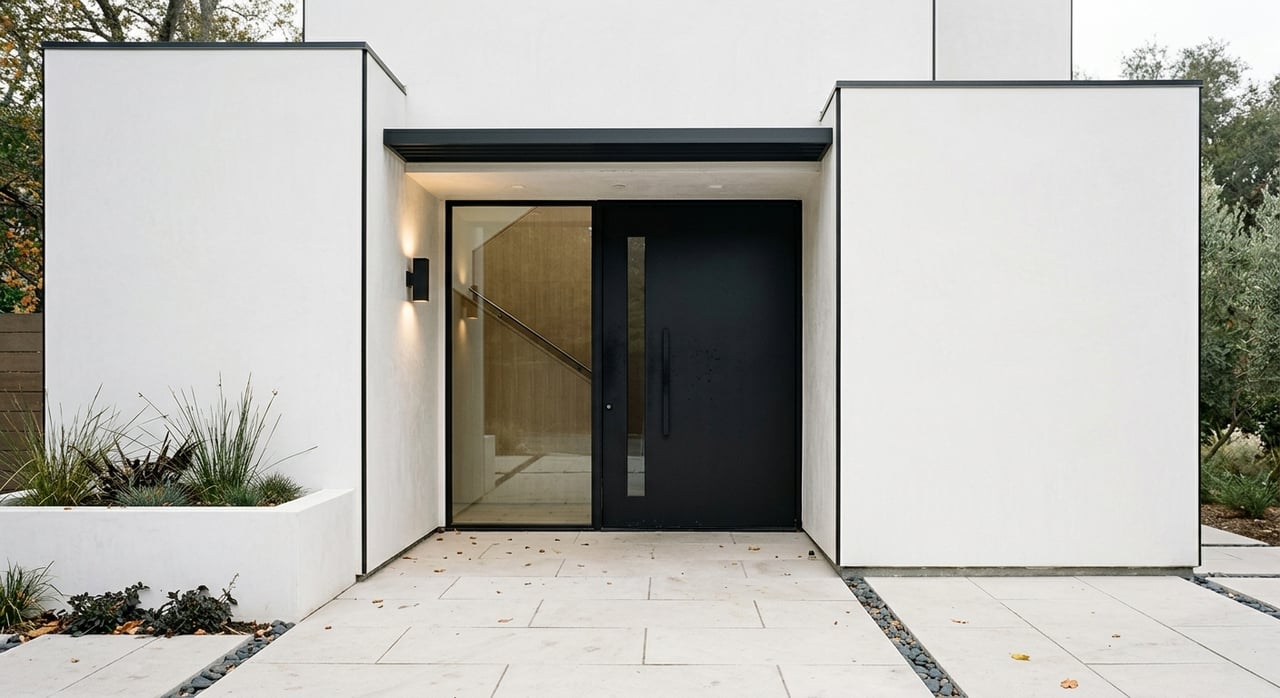
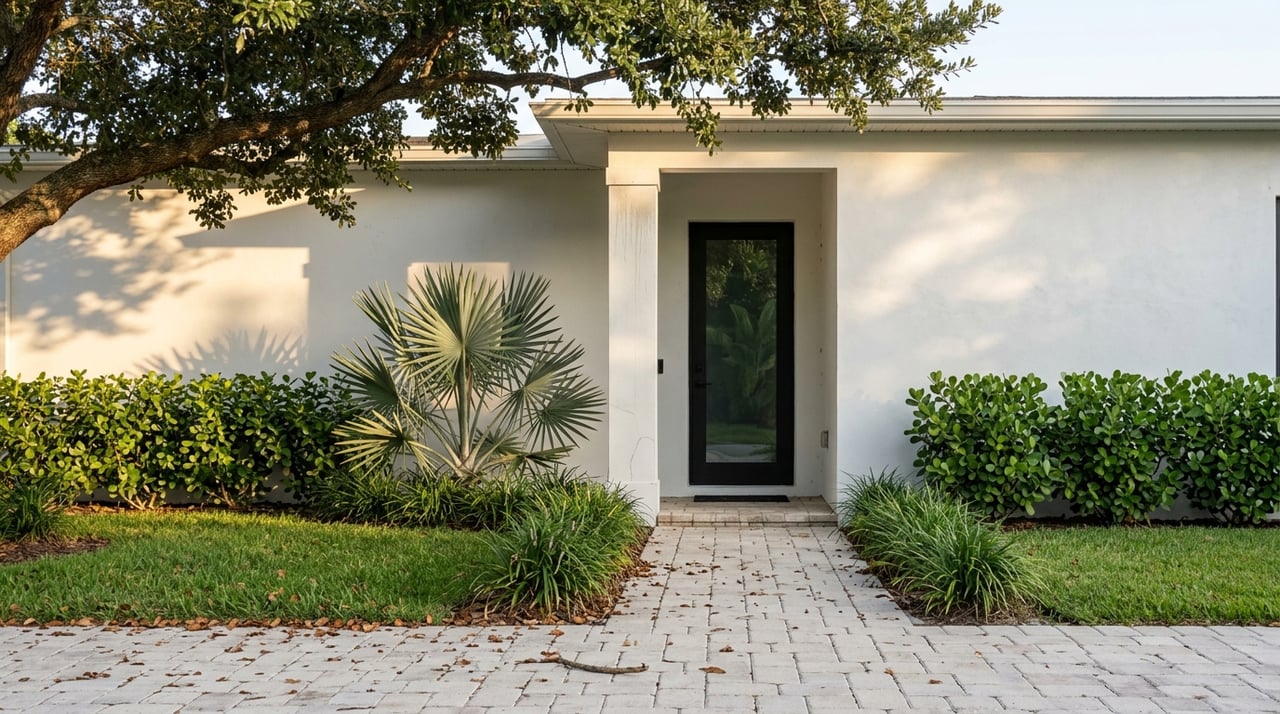
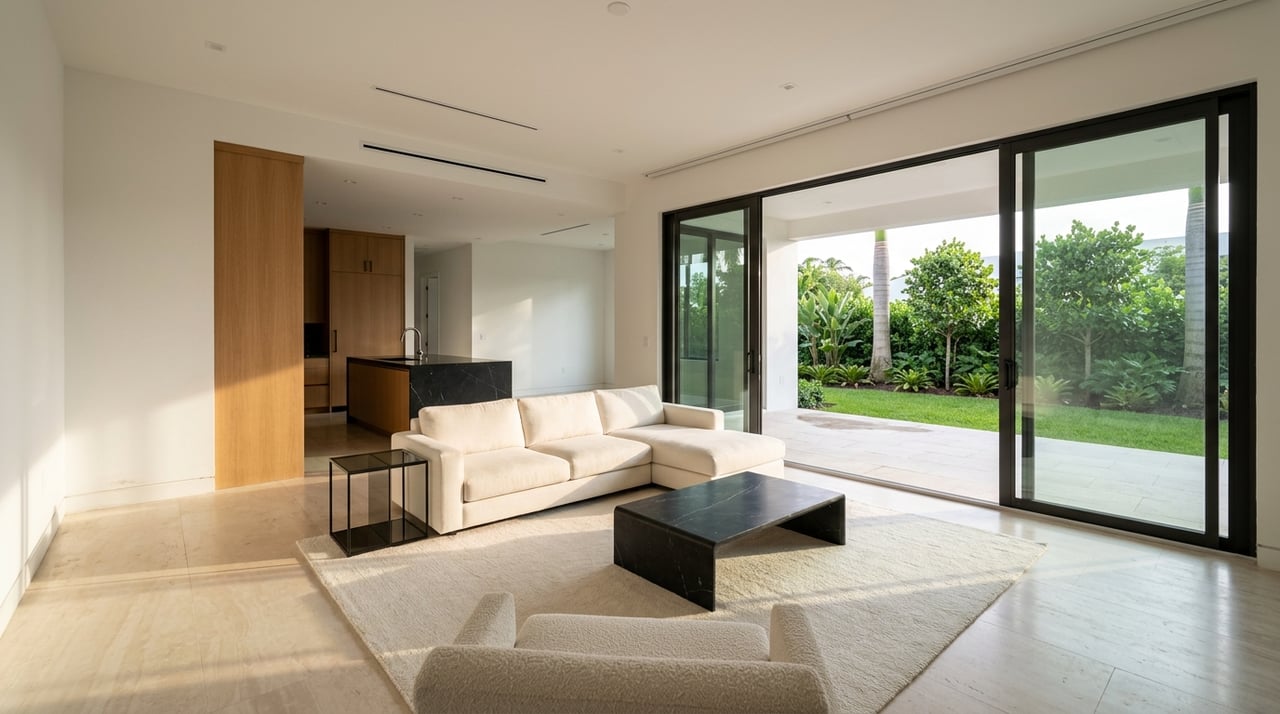
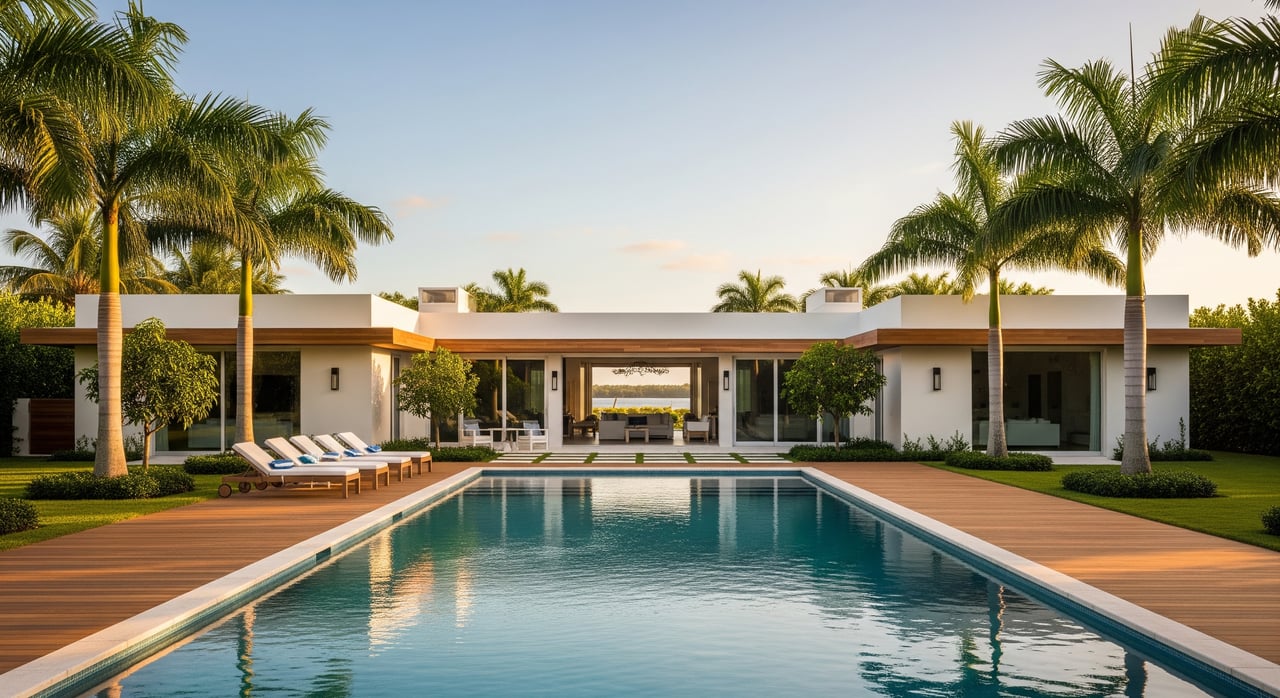
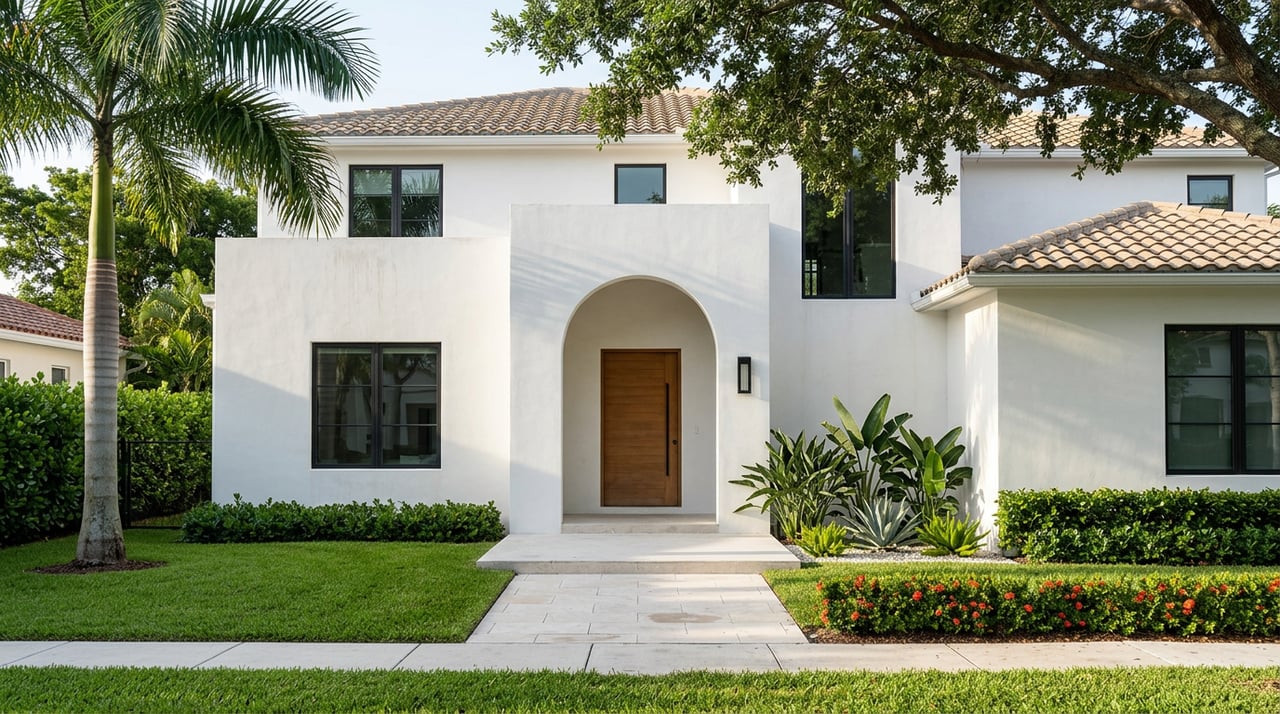
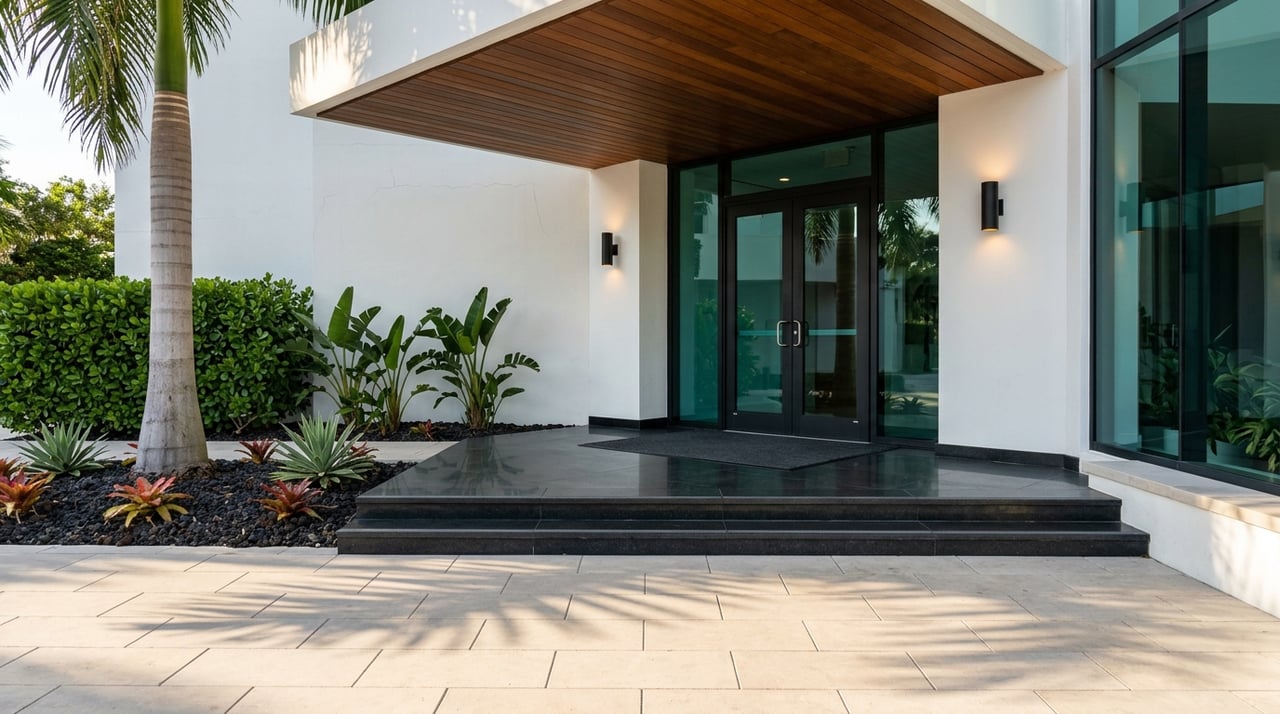
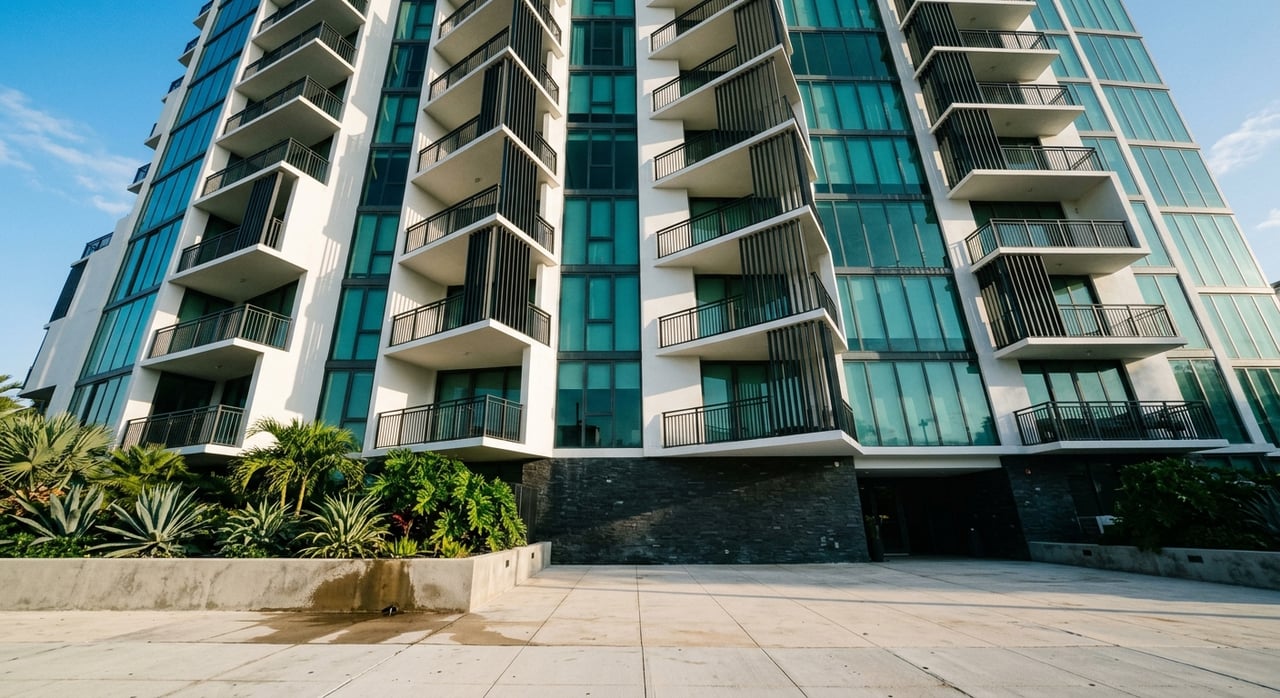
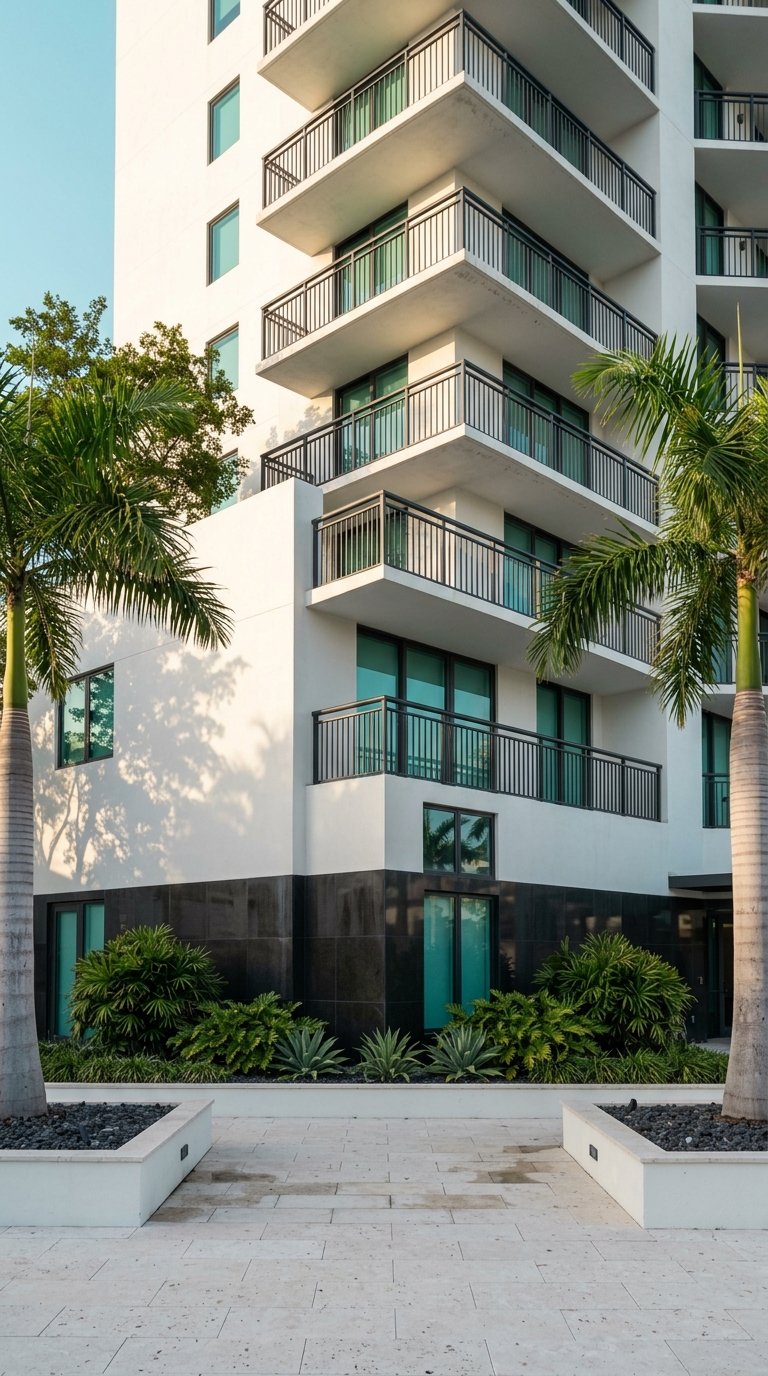
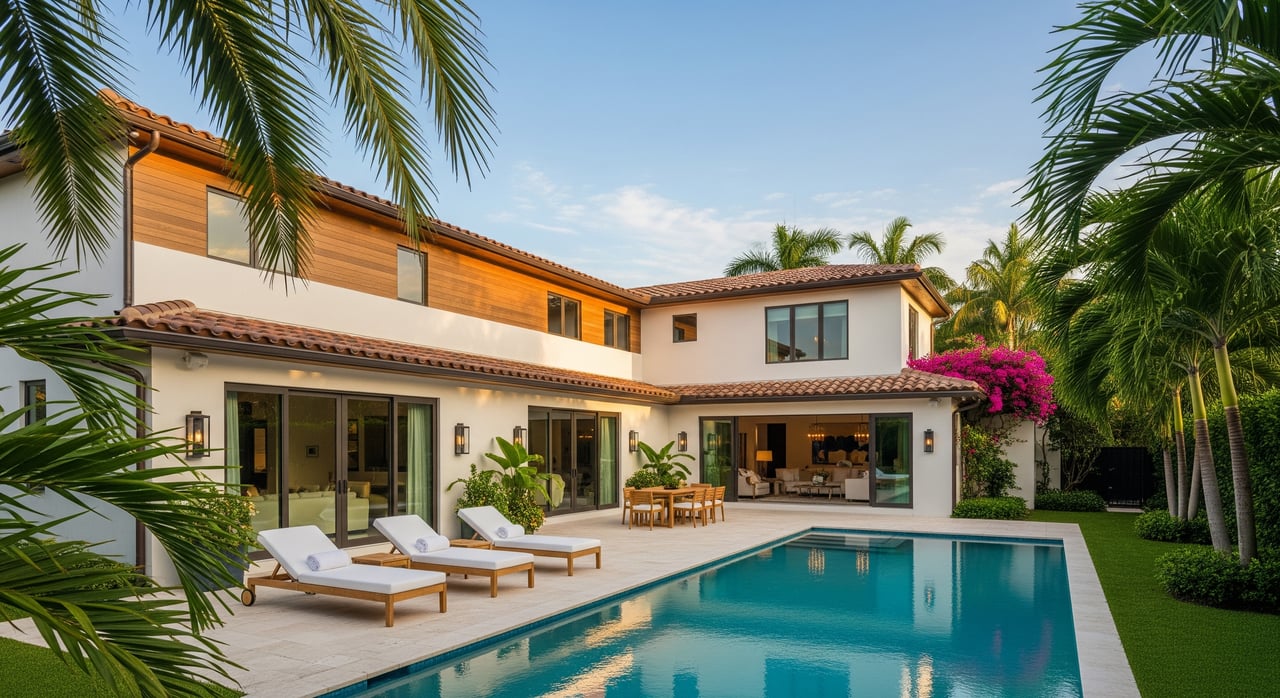
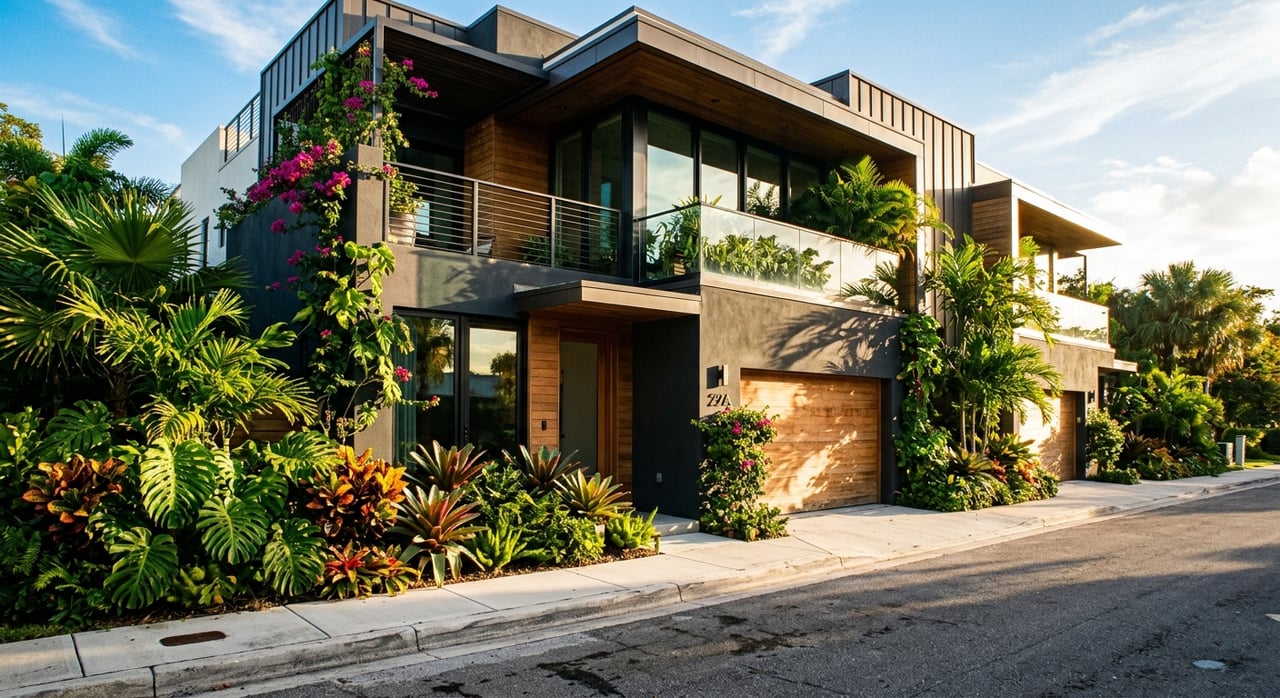
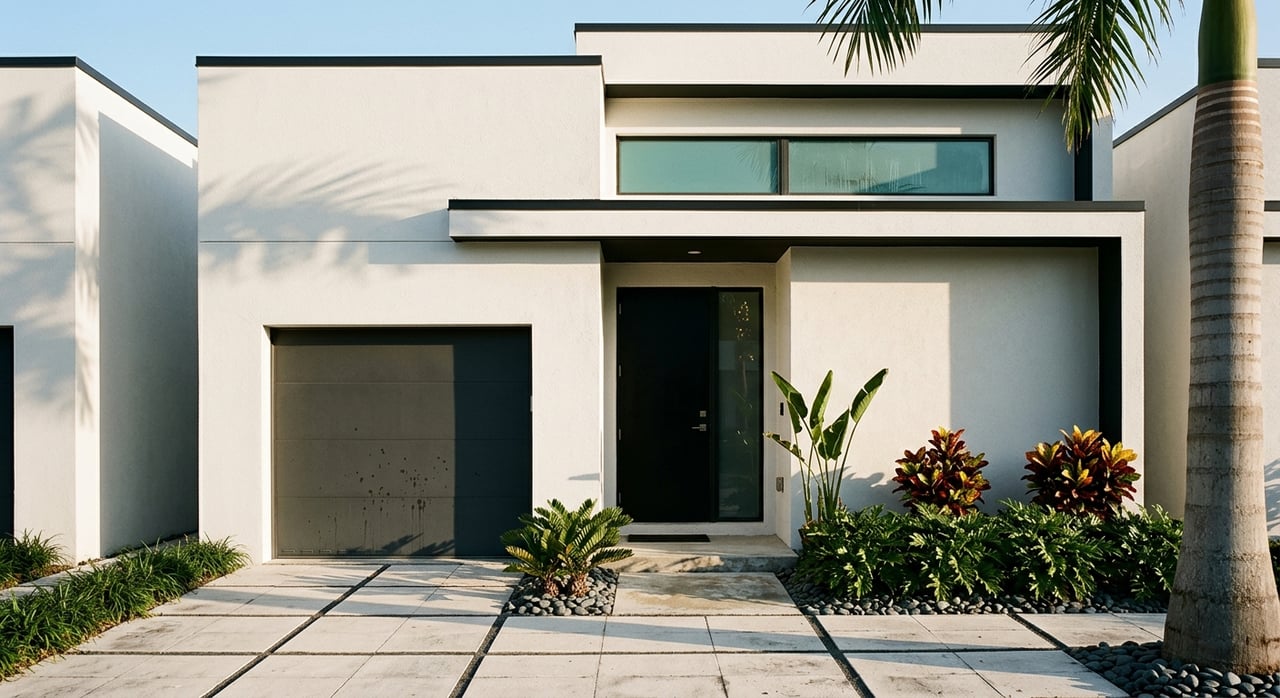
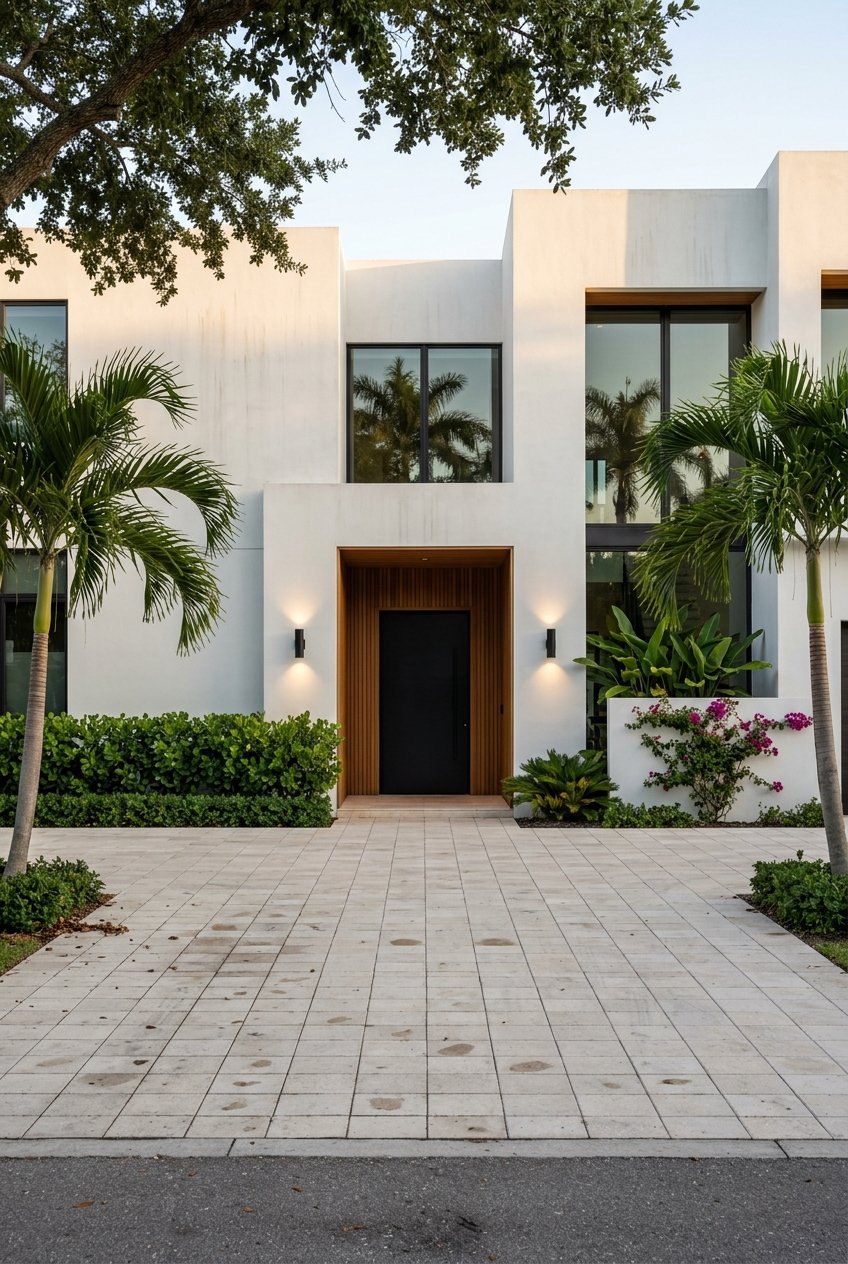
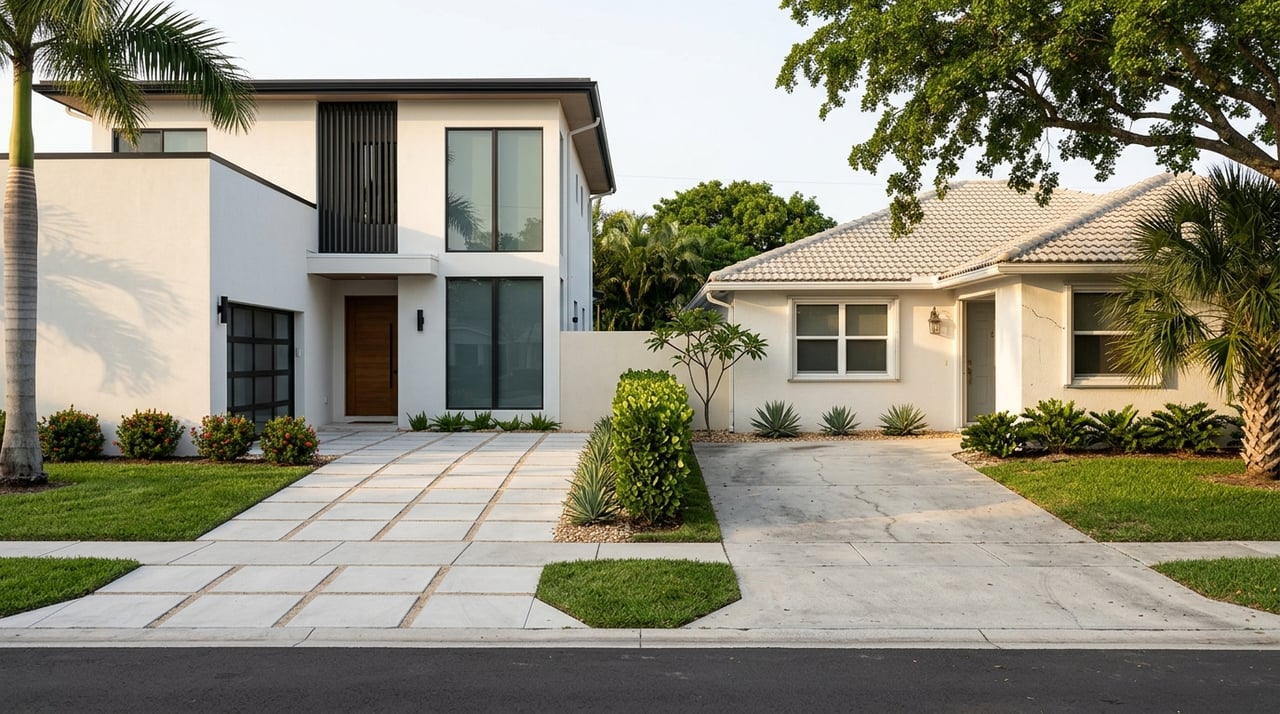
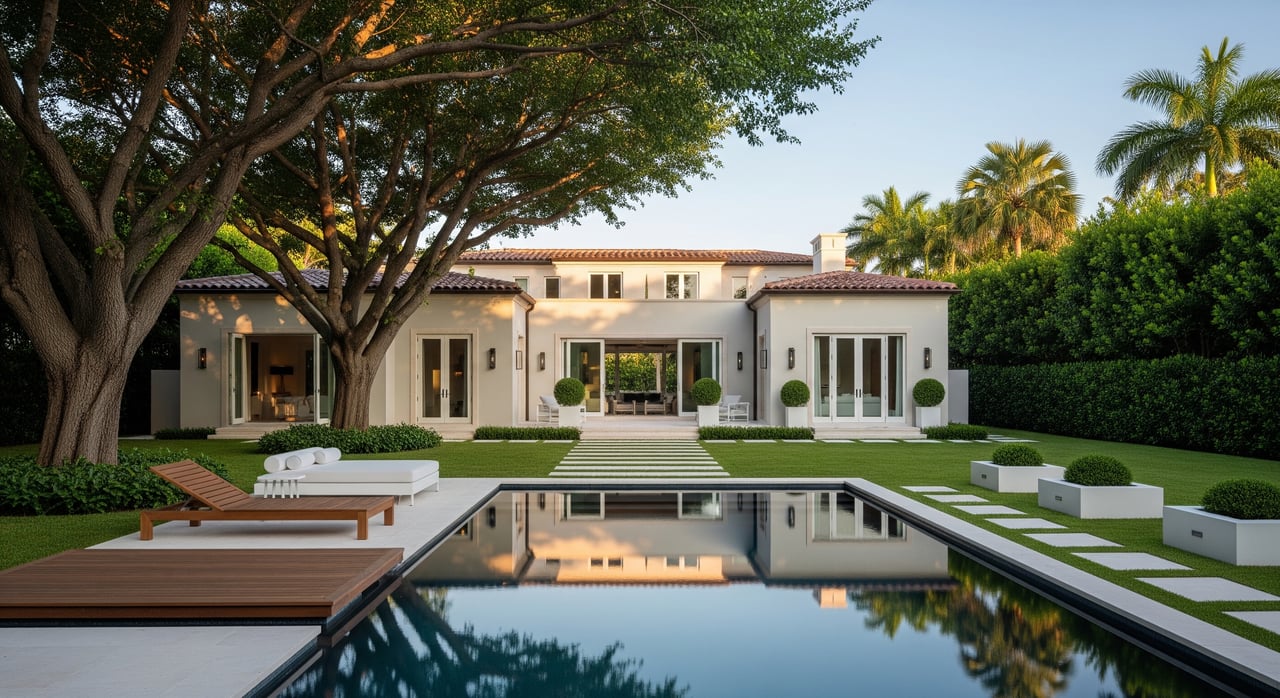
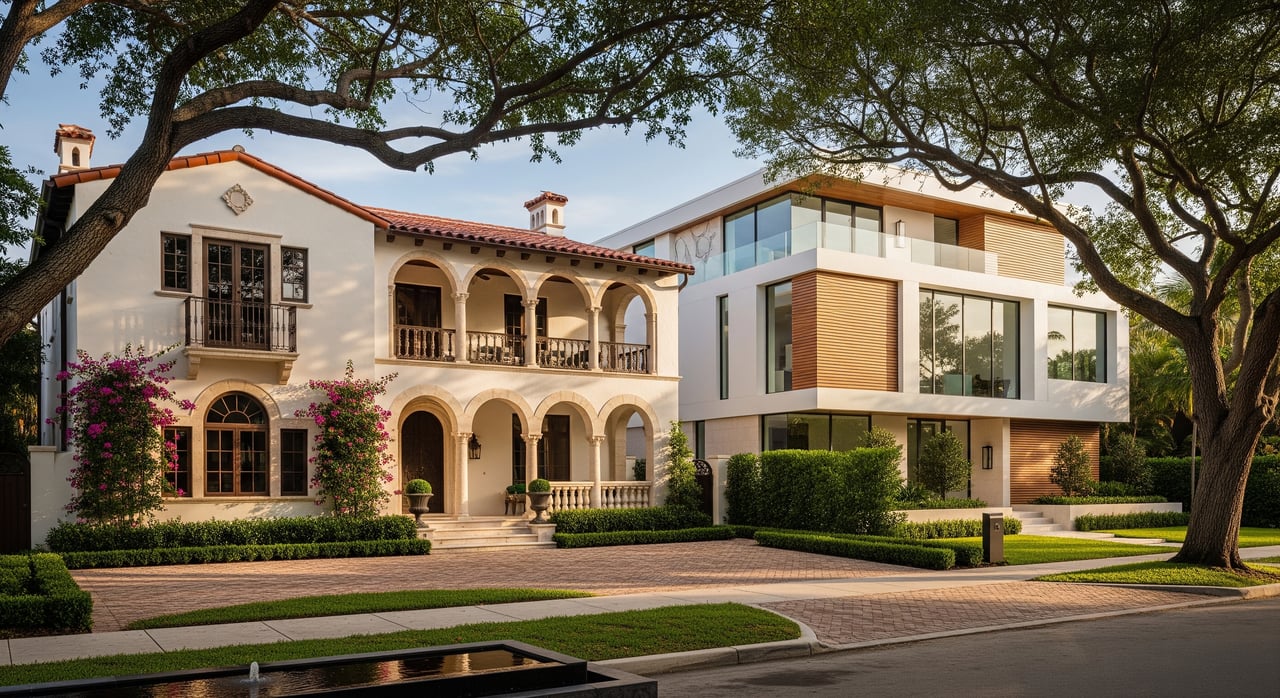
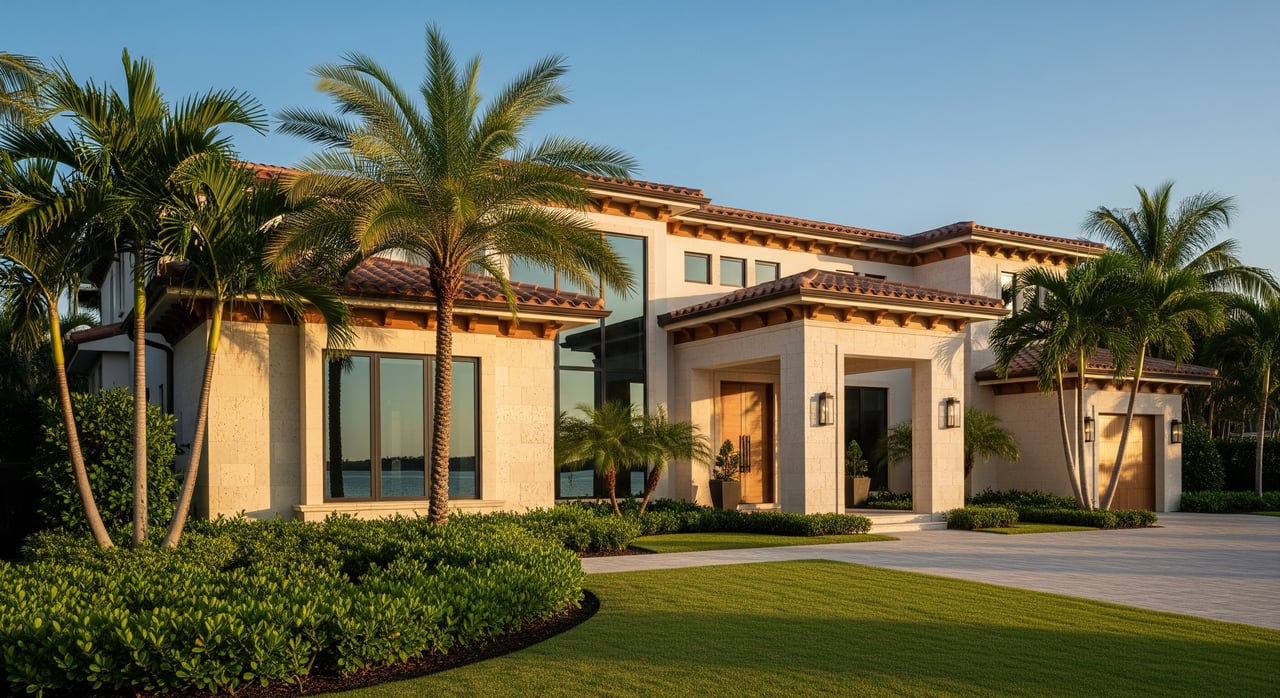
In terms of what you'll actually be touring, South Miami offers a distinctive architectural mix. Mid-century ranch homes from the 1950s and 60s dominate the residential streets, often sitting on large lots shaded by mature oaks. Many have been gut-renovated; others are sold as tear-down or major-renovation candidates. Alongside these, you'll find modern new-construction estates featuring concrete architecture and impact glass, typically built on lots where older homes were demolished. Closer to the downtown core and the Metrorail station, townhomes and boutique low-rise condos cater to young professionals and university staff who want walkability.
There are a handful of South Miami–specific realities that catch out-of-town buyers off guard, and getting ahead of them changes the entire purchase experience.
The insurance and condo regulation landscape is the most pressing. Florida's homeowners insurance market remains volatile, and windstorm premiums alone can be a meaningful line item. If you're buying a condo or townhouse, the financial due diligence goes deeper. After the structural safety legislation passed in recent years, older buildings are required to complete structural integrity reserve studies — and the resulting special assessments or maintenance hikes can be substantial. Always scrutinize the HOA's financial statements, upcoming assessments, and reserve study results before going under contract on attached property.
Flood zones vary dramatically block by block. South Miami sits at a higher elevation than coastal areas, and many neighborhoods fall in FEMA Zone X, where flood insurance isn't federally required but is still strongly recommended. Other pockets near canals or low-lying basins fall into Zones AE or AH, where flood insurance becomes mandatory with a mortgage. Request an elevation certificate during due diligence — it's the only way to get an accurate insurance quote.
Tree protection ordinances are real and strictly enforced. South Miami's "City of Pleasant Trees" nickname isn't just marketing — it's codified. If you're planning to expand a home's footprint, build a pool, or clear a lot, you can't simply remove mature oaks or native canopy. Removal or aggressive pruning of protected trees requires arborist reviews, permits, and often mandatory mitigation through replanting or payment into the city's tree trust fund.
Historic designations and septic systems are two more easy-to-miss issues. Certain homes and pockets carry historic designations that restrict exterior modifications, which matters enormously if you're planning a remodel. And while most of South Miami is on municipal sewer, septic tanks still exist in scattered pockets. Budget for a dedicated septic inspection and stay aware of Miami-Dade's ongoing septic-to-sewer conversion initiatives, which can carry future connection costs for homeowners.
A few practical strategies make a real difference in this market:
If you're moving from out of town, South Miami offers the kind of "urban-suburban compromise" that's surprisingly rare in Miami-Dade. The lifestyle is casual but upscale — neighbors pushing strollers, joggers under the canopy, families gathering at the historic Whip 'n Dip ice cream shop on weekend afternoons.
The neighborhood draws a specific kind of buyer: families, academics, and medical professionals. Its borders touch the main campus of the University of Miami and sit directly adjacent to South Miami Hospital and other major healthcare hubs, making it a natural fit for people working in higher education or medicine. It also appeals to professionals who work downtown but don't want to live there — the kind of buyer who wants a quiet yard at the end of the day but easy access to Brickell during the week.
School quality drives a significant portion of South Miami's premium pricing. Sunset Elementary is nationally known for its dual-language immersion programs in French, German, and Spanish. David Fairchild Elementary and South Miami K-8 Center round out the strong public options, while private institutions like Epiphany Catholic School, The Mandelstam School, and Our Lady of Lourdes Academy cover the private-school market.
Connectivity is South Miami's unexpected secret weapon. The South Miami Metrorail Station sits at the edge of downtown and provides a 15-minute, traffic-free ride straight into Brickell, Downtown, and the health district — a genuine commute hack in a region known for gridlock. For drivers, US-1 and the nearby Palmetto Expressway (SR 826) put Miami International Airport about 20 to 25 minutes away outside of rush hour.
South Miami feels like a hometown that happens to sit inside a major metropolitan area. The center of gravity is downtown Sunset Drive — brick-paved sidewalks, sidewalk cafés, independent boutiques, and a quiet, European pace. It's the kind of district where shop owners know their customers' names and weekends start with a walk to coffee rather than a drive to a mall.
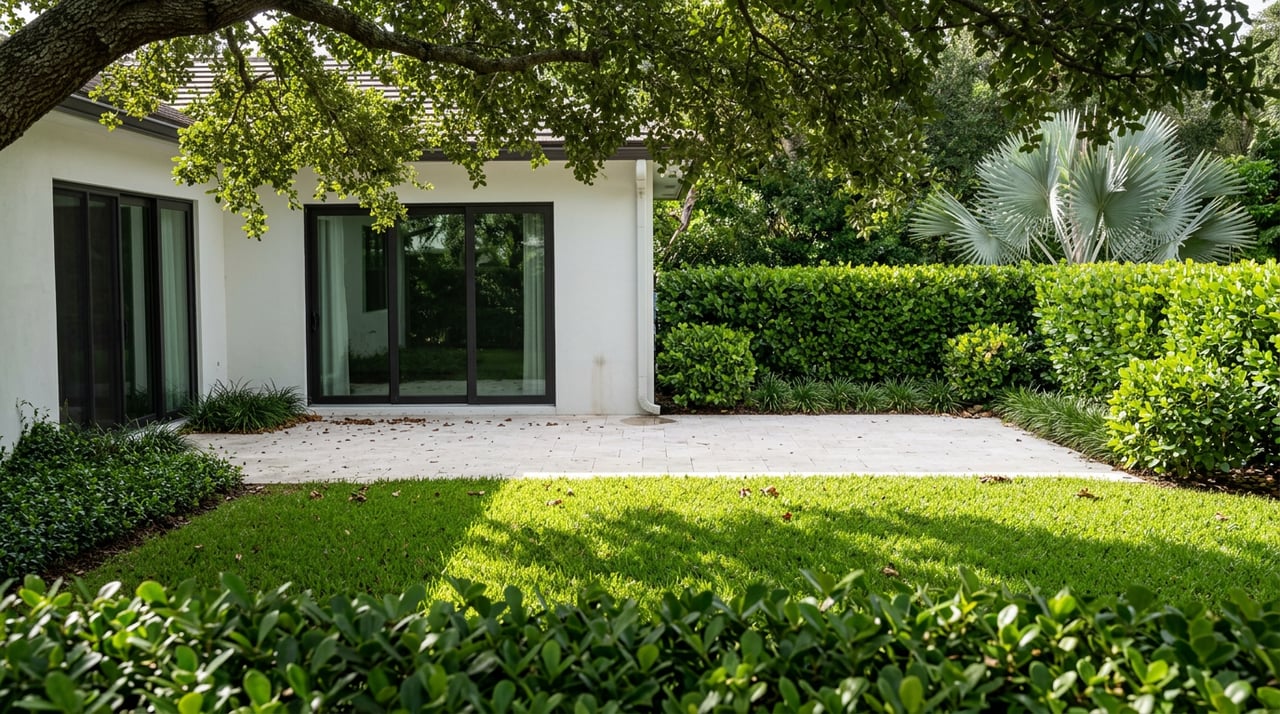
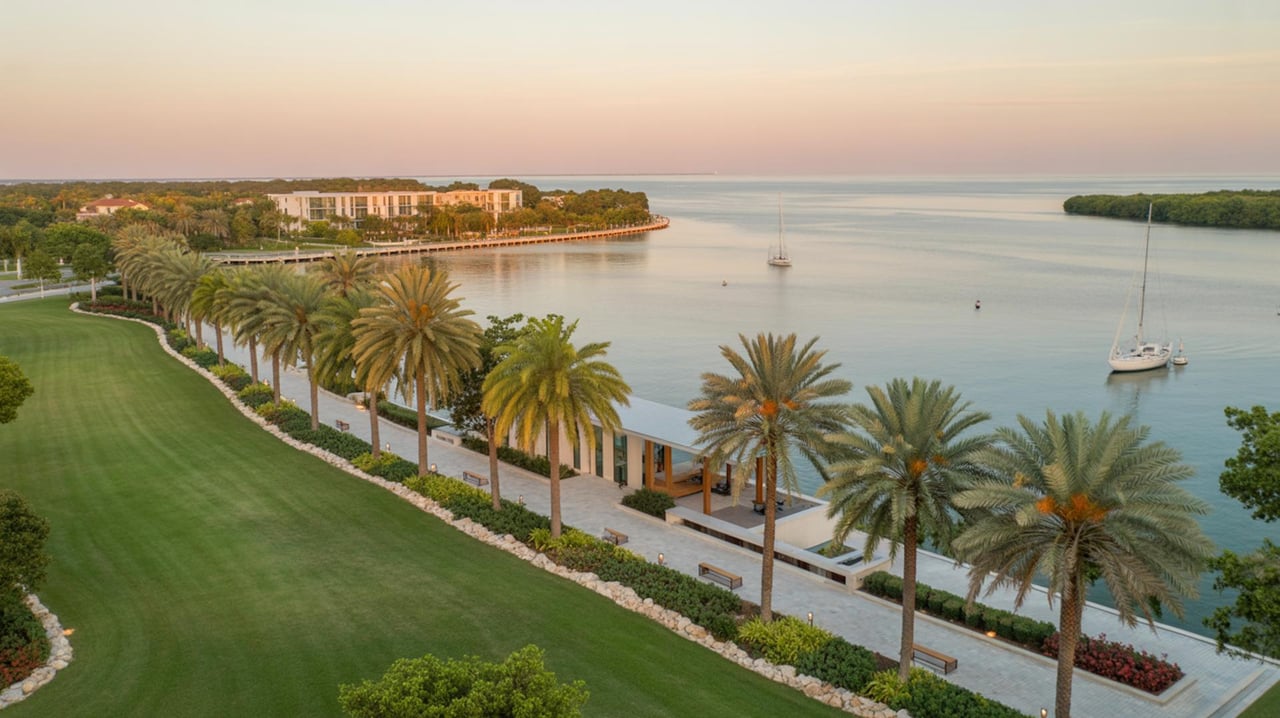
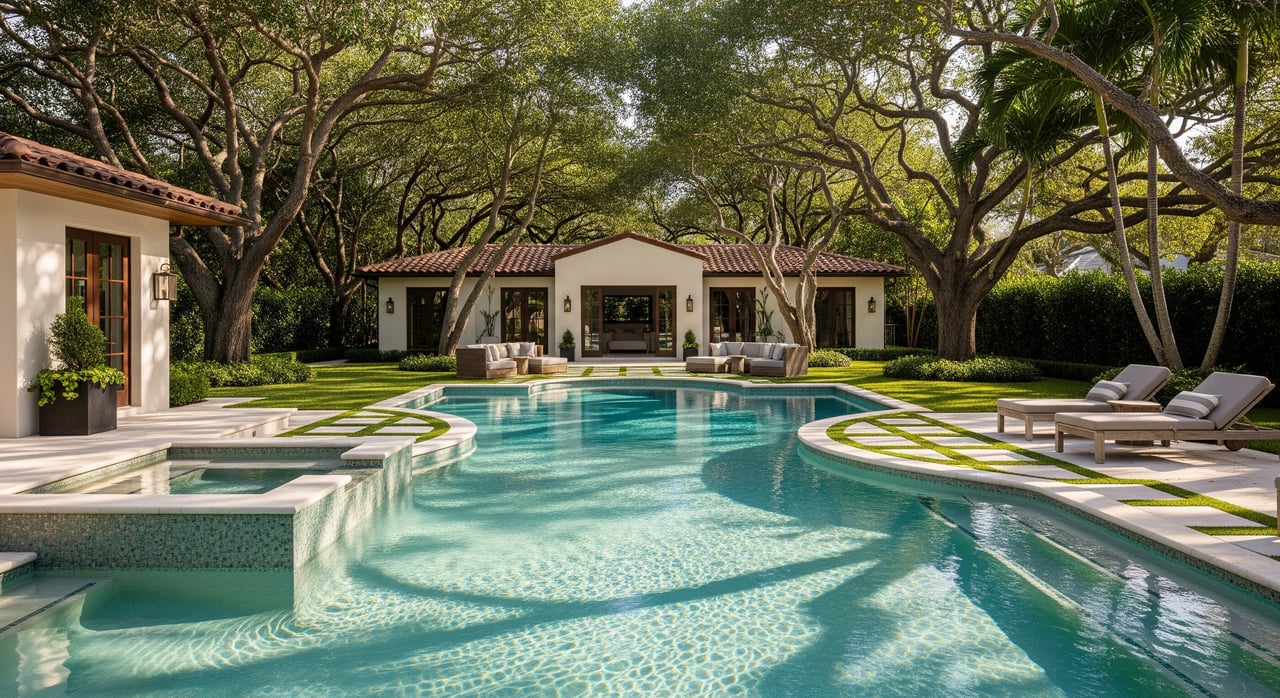
The residential streets reinforce the lush, outdoorsy character of the city. Massive live oaks, banyans, and palms shade nearly every block, and the local culture revolves around being outside. Dante Fascell Park serves as a community anchor, with its outdoor sculpture garden, tennis courts, and shaded walking paths. The proximity to the University of Miami injects a quiet intellectual undercurrent into the neighborhood — professors, medical professionals, and long-term residents give the area a grounded, multi-generational feel that's worlds away from Miami's club-and-cocktail energy.
For family buyers, schools are often the single most important driver of the decision to buy here. South Miami is served by Miami-Dade County Public Schools, but it hosts a concentration of magnet, charter, and private programs that consistently rank among the best in the state.
On the public side, Sunset Elementary School is the headliner — an A-rated magnet school with internationally recognized dual-language immersion programs in French, German, and Spanish. David Fairchild Elementary is another A-rated neighborhood option with strong community involvement and high standardized test scores. George Washington Carver Middle School, just over the border in Coral Gables, is a statewide-recognized magnet with rigorous international and language tracks. Somerset Academy's South Miami Campus offers a top-performing K–8 charter alternative.
Private and parochial options are equally strong. Epiphany Catholic School is a long-established neighborhood parochial school, The Mandelstam School combines academics with a notable gymnastics program, and nearby Gulliver Preparatory School and Our Lady of Lourdes Academy serve as elite secondary options that regularly place students at top-tier universities.
South Miami packs roughly 48 acres of municipal parkland into a small footprint, and the parks function as direct extensions of the neighborhood's outdoor lifestyle. Dante Fascell Park is the centerpiece — clay tennis courts, an outdoor sculpture garden, shaded jogging paths, and large playgrounds. Fuchs Park offers a quieter retreat centered on a natural pond, ideal for picnics and morning walks. Palmer Park anchors youth baseball and softball leagues, while the Murray Park Aquatic Center provides a public pool and splash pad that become lifelines in peak summer. The city has also kept pace with modern recreational demand, adding pickleball courts and outdoor fitness zones across its 14 neighborhood parks.
The food scene here is best described as upscale casual — high-quality experiences without the velvet ropes of South Beach or the corporate energy of Brickell. Downtown Sunset Drive runs on sidewalk café culture: craft coffee shops, artisan bakeries, and lunch spots where locals, physicians, and UM faculty cross paths daily.
Neighborhood institutions anchor the culinary identity. The historic Whip 'n Dip ice cream shop has been a generational staple, and long-running bistros and sports grills give the area a sense of continuity that's rare in Miami. Nightlife trends toward intimate wine bars, upscale gastropubs, and craft cocktail lounges rather than mega-clubs. Evenings here typically start with a great meal — Thai, Italian, or local seafood — and stretch into a bottle of wine on a breezy patio.
Retail in South Miami centers on the open-air SOMI district along Sunset Drive and Red Road — upscale boutiques, independent jewelers, specialty stores, and artisan gift shops, all walkable and locally owned. The largest retail footprint, The Shops at Sunset Place, is in the middle of a major multi-year redevelopment that will replace the outdated indoor mall with a mixed-use complex of open-air luxury retail, restaurants, residential towers, and a new theater. For buyers, that ongoing investment is one of the most significant long-term tailwinds for property values in the area.
Daily essentials are easy. Whole Foods sits right off US-1, with Publix, Milam's Market, and several organic specialty grocers filling out the everyday options.
South Miami is one of the most transit-connected residential areas in Miami-Dade, which genuinely sets it apart from the rest of the region. The South Miami Metrorail Station sits at the edge of downtown and provides a direct 15-minute ride into Brickell, Downtown, and the medical district — bypassing the highway entirely.
Biking is woven into the local lifestyle. The Underline — a linear park and urban trail running beneath the Metrorail tracks — passes directly through South Miami and connects all the way to Brickell. It's become a primary route for both recreational riders and daily commuters.
For drivers, US-1 (South Dixie Highway) bisects the neighborhood, and the Palmetto Expressway is minutes away, putting Miami International Airport about 20 minutes out. Parking, mercifully, is one area where South Miami doesn't share Miami's pain points — municipal garages, metered street parking, and driveways make running errands by car genuinely easy.
If you're considering a move to South Miami — whether you're relocating from out of state, upgrading from a condo to a single-family home, or selling a property you've owned for decades — having someone who knows this market block by block makes a meaningful difference.
Noel Barrientos brings over 14 years of sales and customer service experience to South Miami real estate, with a reputation built on responsiveness, honesty, and genuine client care. His clients consistently describe him the same way: available at all hours, deeply knowledgeable about the area, and committed to going beyond what's expected. As a family man himself, he understands what it means to find the right home for the next chapter of your life — and he treats every client's search with that same level of personal investment.
You can reach Noel directly at (786) 757-2838 or [email protected]. Whether you're ready to start touring or just want to talk through what the South Miami market might look like for your specific situation, the conversation is the first step.
There's plenty to do around South Miami, including shopping, dining, nightlife, parks, and more. Data provided by Walk Score and Yelp.
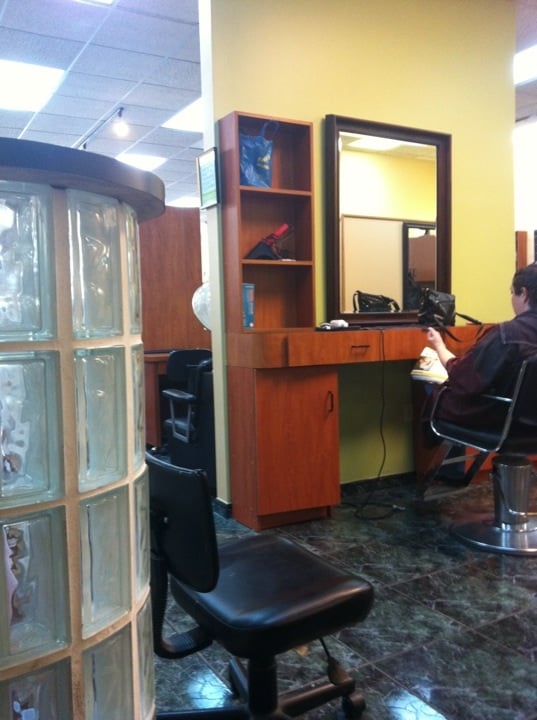
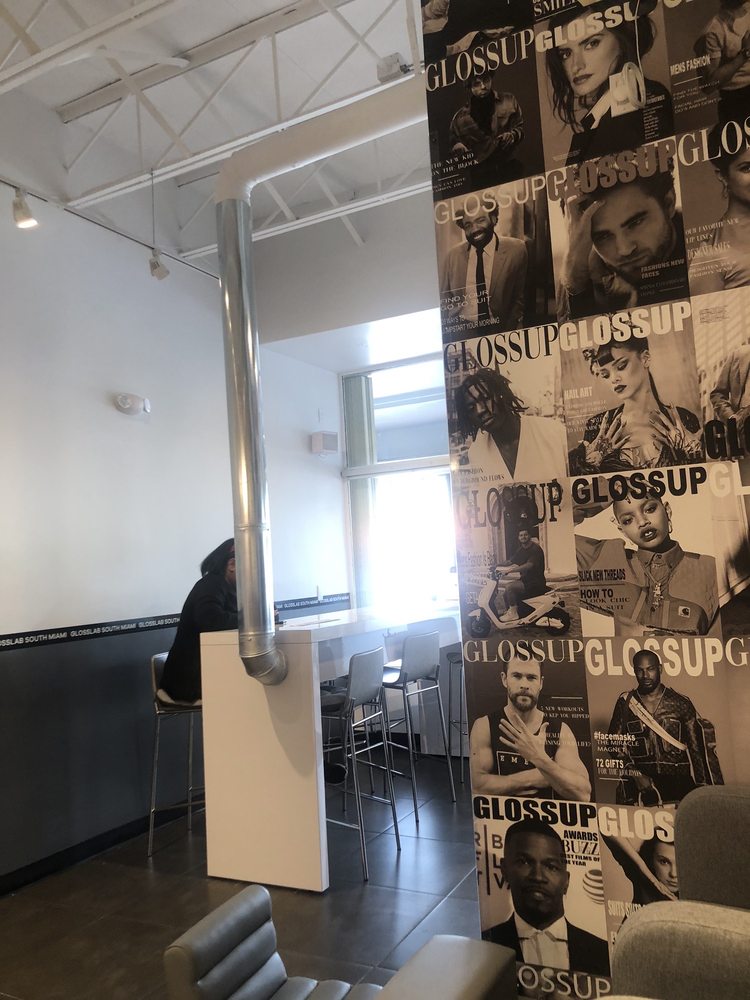
Explore popular things to do in the area, including American Eagle Outfitters, Gyrotonic Coral Gables, and Within Wellness Center.
| Name | Category | Distance | Reviews |
Ratings by
Yelp
|
|---|---|---|---|---|
| Shopping | 0.56 miles | 1 review | 2/5 stars | |
| Active | 0.88 miles | 0 reviews | 0/5 stars | |
| Active | 0.89 miles | 0 reviews | 0/5 stars | |
| Beauty | 0 miles | 0 reviews | 0/5 stars | |
| Beauty | 0.19 miles | 0 reviews | 0/5 stars | |
| Beauty | 0.31 miles | 0 reviews | 0/5 stars | |
| Beauty | 0.57 miles | 0 reviews | 0/5 stars | |
| Beauty | 0.58 miles | 1 review | 5/5 stars | |
| Beauty | 0.59 miles | 2 reviews | 1/5 stars | |
| Beauty | 0.6 miles | 0 reviews | 0/5 stars | |
| Beauty | 0.64 miles | 0 reviews | 0/5 stars | |
| Beauty | 0.64 miles | 0 reviews | 0/5 stars | |
| Beauty | 0.64 miles | 0 reviews | 0/5 stars | |
| Beauty | 0.68 miles | 8 reviews | 3/5 stars | |
|
|
||||
|
|
||||
|
|
||||
|
|
||||
|
|
||||
|
|
South Miami has 4,728 households, with an average household size of 2.5. Data provided by the U.S. Census Bureau. Here’s what the people living in South Miami do for work — and how long it takes them to get there. Data provided by the U.S. Census Bureau. 11,926 people call South Miami home. The population density is 5,260 and the largest age group is Data provided by the U.S. Census Bureau.
Total Population
Population Density Population Density This is the number of people per square mile in a neighborhood.
Median Age
Men vs Women
Population by Age Group
0-9 Years
10-17 Years
18-24 Years
25-64 Years
65-74 Years
75+ Years
Education Level
Total Households
Average Household Size
Average individual Income
Households with Children
With Children:
Without Children:
Blue vs White Collar Workers
Blue Collar:
White Collar:
Miami FL
Miami FL