Condos for Sale in Coral Gables, FL
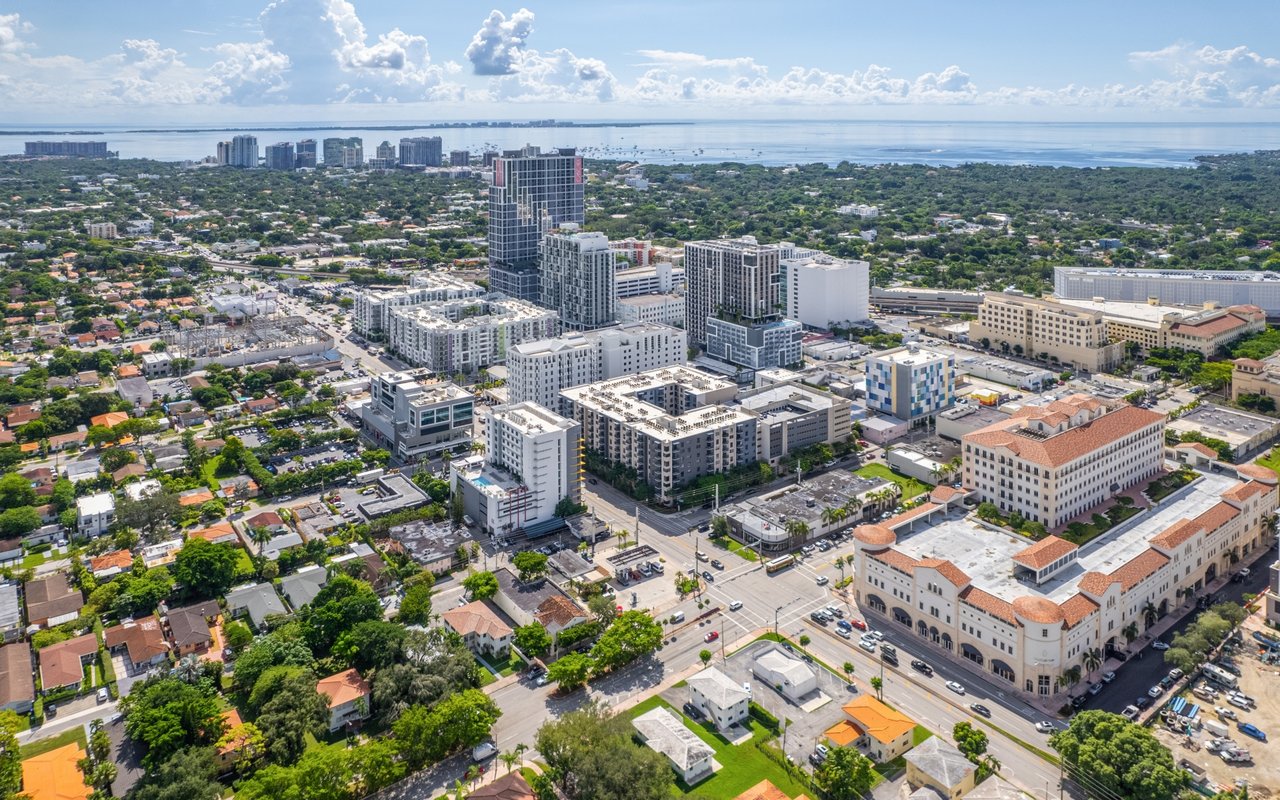
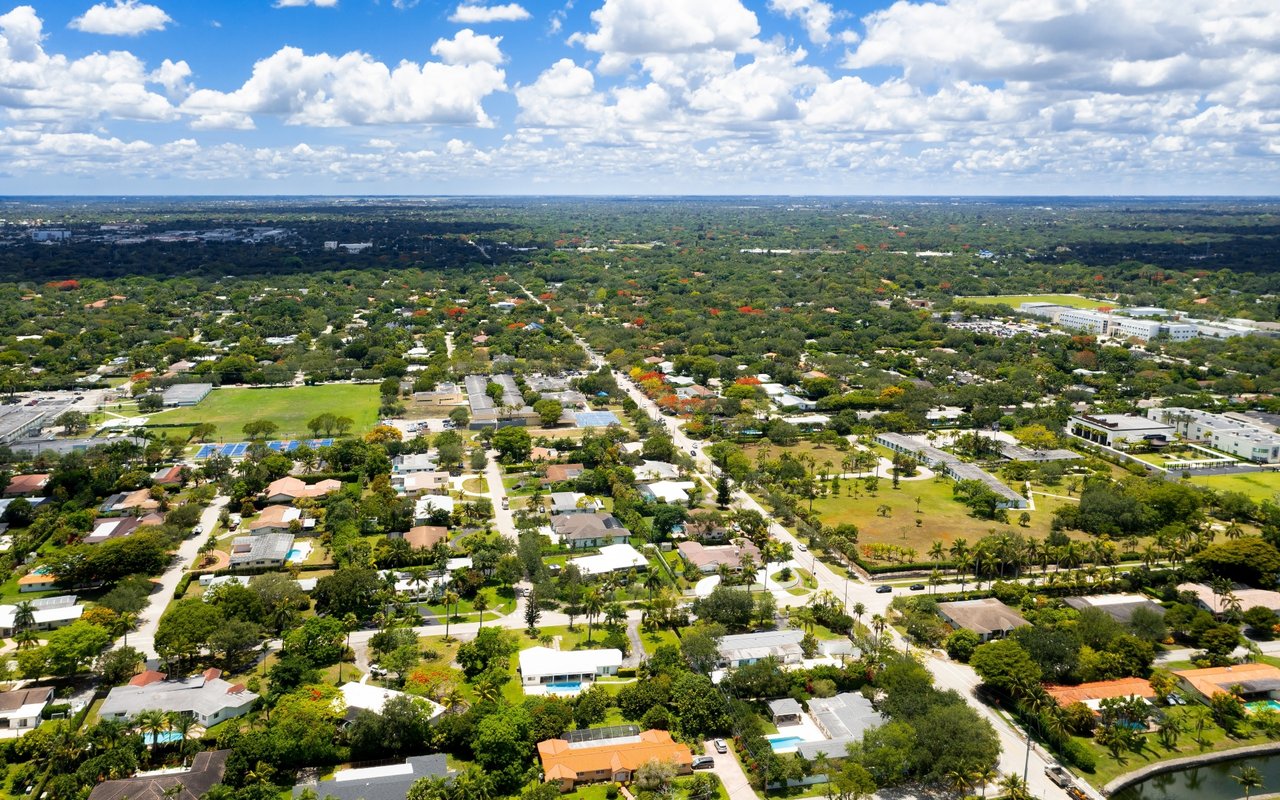
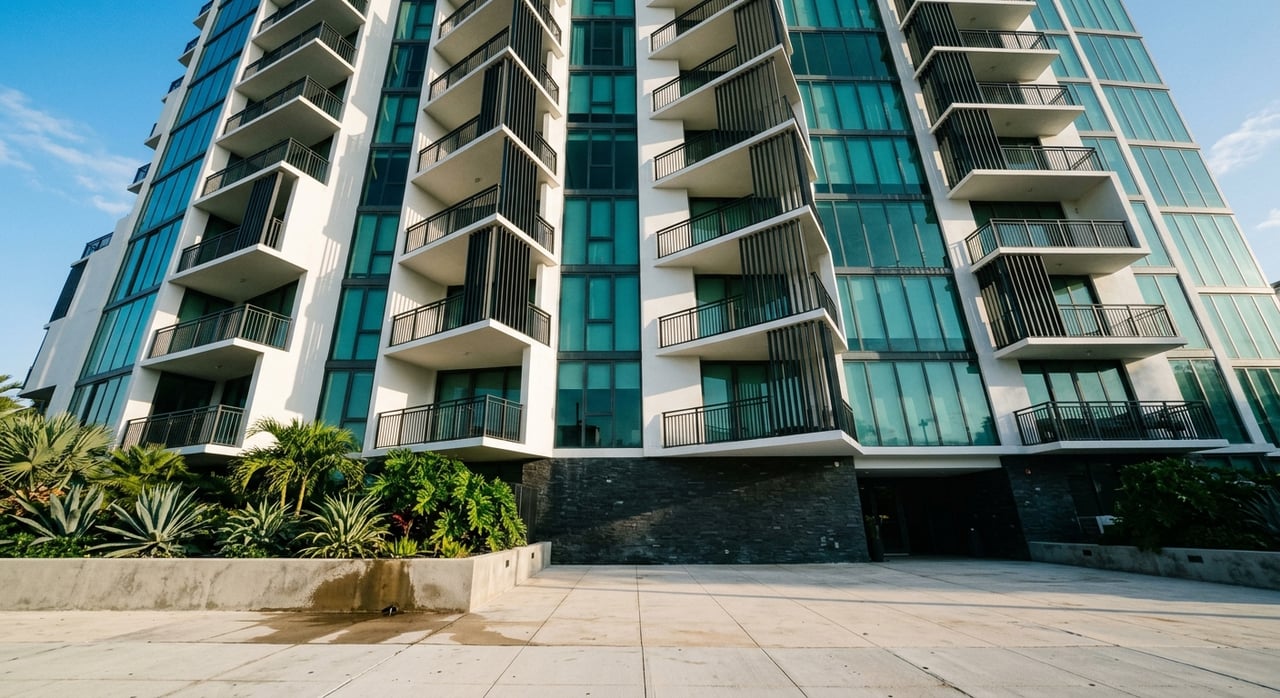
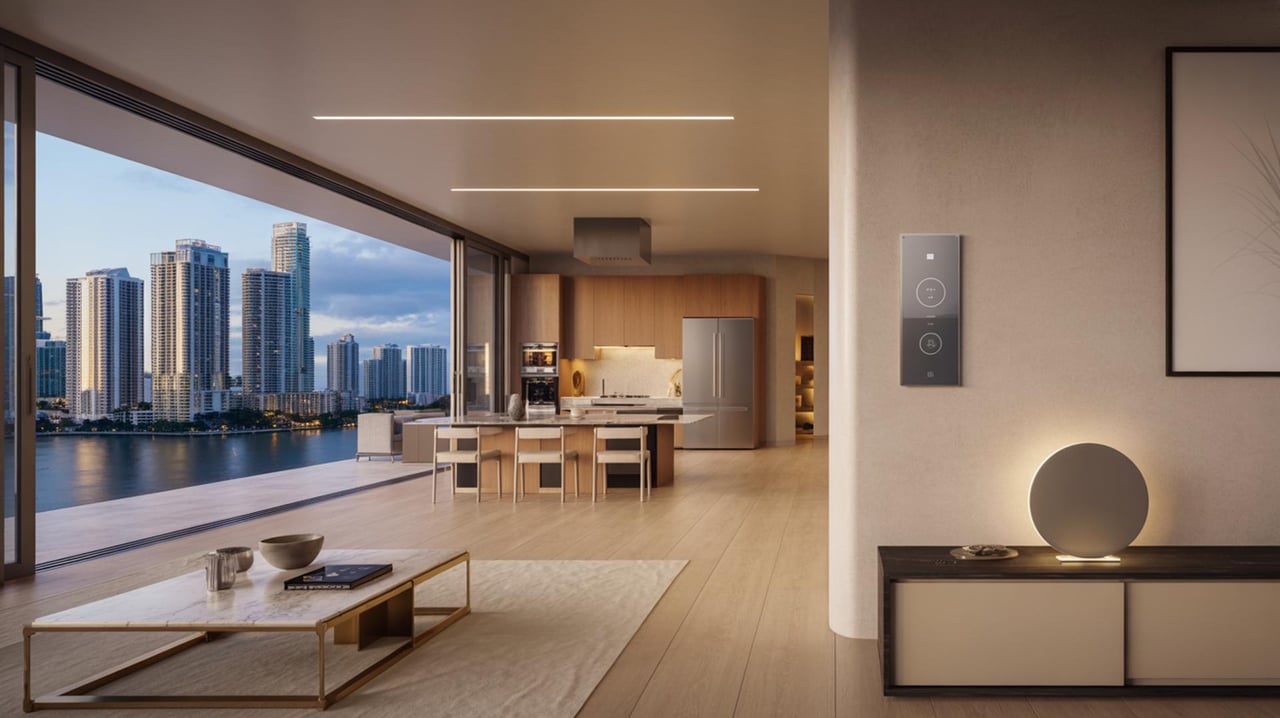
Owning a condo in Coral Gables means low-maintenance living in one of Miami's most architecturally distinguished, walkable, and amenity-rich communities — with tree-lined streets, world-class dining on Miracle Mile, and easy access to top schools, golf, and the bay.
Available Condos in Coral Gables, FL
By the Numbers
Coral Gables, FL Housing Market
The Coral Gables housing market is operating with a balanced, slightly uncompetitive pace where buyers are exercising caution and negotiating power, even as luxury demand keeps baseline valuations exceptionally high. While total transaction volume has remained steady, overall home prices have leveled out with a marginal year-over-year dip of just 0.06%, highlighting a flattening trend after years of aggressive growth. Properties are moving at a relatively measured pace, spending a median of 83 days on the market, while the average home ultimately closes at roughly 5% below its original list price. This environment creates a clear micro-market dynamic: while ultra-exclusive waterfront enclaves like Gables Estates continue to see high-ticket cash transactions, the citywide average reflects a stabilizing landscape where sellers must rely on precise, turnkey pricing to attract disciplined, value-conscious buyers.

$1,698,983
Median Sale Price
$807
Median Sale Price per Sq. Ft.
196
Total Homes Sold
83
Median Days on Market
Why Get Condos in Coral Gables, FL
-
Built-in Scarcity Driven by Strict Historical and Zoning Protections
Unlike neighboring Miami districts or booming cities nationwide that consistently build massive high-rise corridors, Coral Gables enforces rigid Mediterranean-style zoning laws, height restrictions, and historic preservation rules. This municipal restraint severely limits the development of new, soaring high-rise projects, meaning the local condo inventory remains tightly constrained. For a buyer, this structural bottleneck transforms a condo purchase into an asset insulated by supply-side scarcity. Because the city protects its low-density, tree-canopied character, condo owners are uniquely shielded from the market dilution and inventory gluts that frequently trigger price volatility in other overdeveloped Florida coastal markets.
-
A True Pedestrian-First Luxury Urban Experience
While much of Florida is notoriously car-dependent, buying a condo in Coral Gables unlocks an elite, European-style walking culture centered around Miracle Mile and the Shops at Merrick Park. Selecting a condo here provides immediate foot access to world-class dining, upscale boutiques, and major corporate headquarters without sacrificing the tranquil ambiance of a quiet residential neighborhood. This balanced lifestyle contrasts sharply with the frantic, traffic-heavy urban core of Downtown Miami or the suburban isolation found in other luxury enclaves across the country. Condo living in Coral Gables bridges the gap between high-end urban convenience and a peaceful, deeply manicured community aesthetic.
-
Mitigated Risk Exposure in a Volatile Climate Landscape
South Florida real estate requires careful navigation of intensifying building regulations and rising insurance costs, particularly regarding structural integrity mandates for coastal high-rises. Coral Gables offers a distinct geographical advantage: much of its downtown condo district sits further inland and at a higher elevation compared to barrier islands like Miami Beach or low-lying coastal strips. By investing in a mainland Coral Gables condo, buyers enjoy the perks of the South Florida lifestyle while mitigating the extreme wind, flood, and corrosive saltwater exposure that plagues waterfront buildings elsewhere. This inland positioning can result in more predictable long-term maintenance costs, lower structural insurance burdens, and a more resilient investment over time.
What to Consider When Getting Condos in Coral Gables, FL
When acquiring a condominium in Coral Gables, Florida, you are navigating a highly specialized legal, architectural, and geographic landscape. Known as "The City Beautiful," Coral Gables enforces strict localized regulations that dramatically affect condo ownership, property values, and daily operations in ways completely distinct from the rest of Miami-Dade County or other luxury markets nationally.
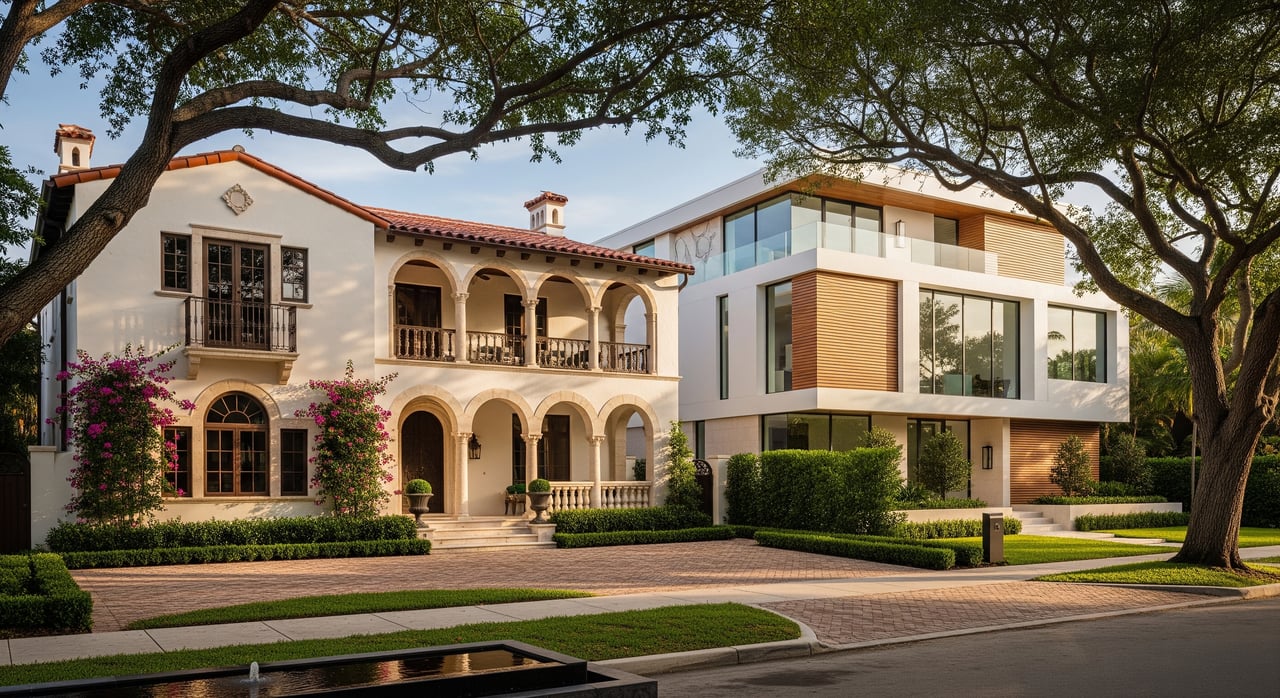
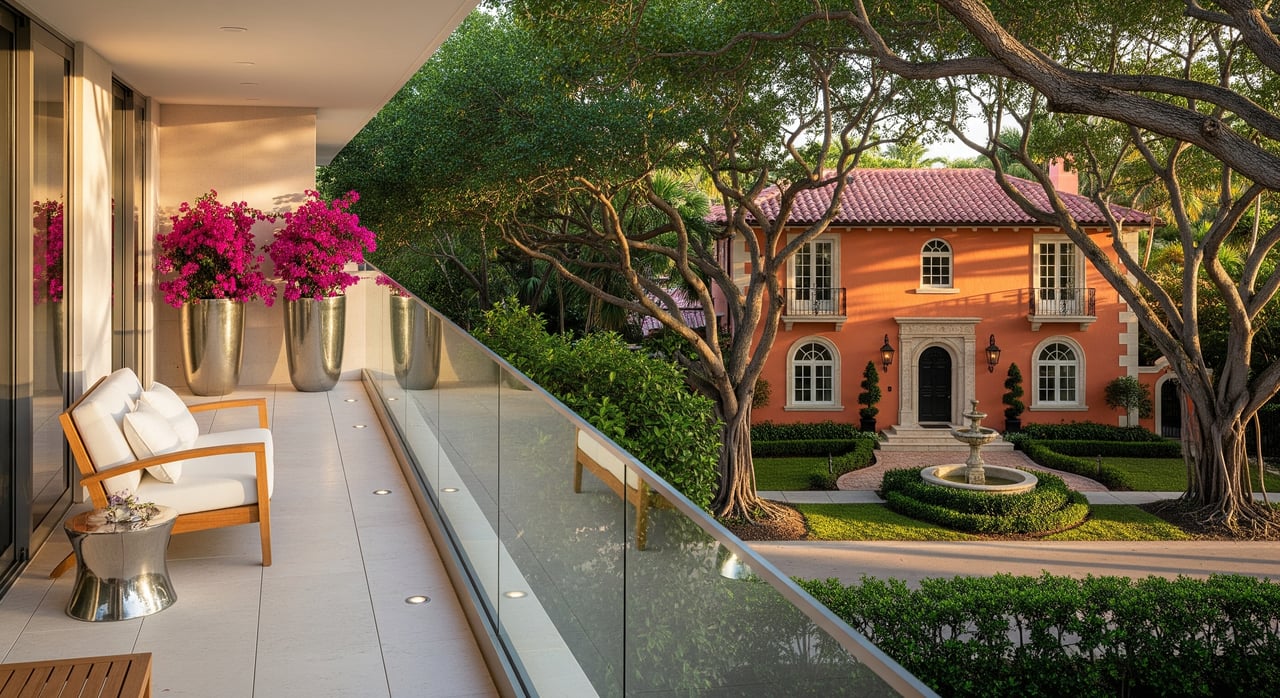
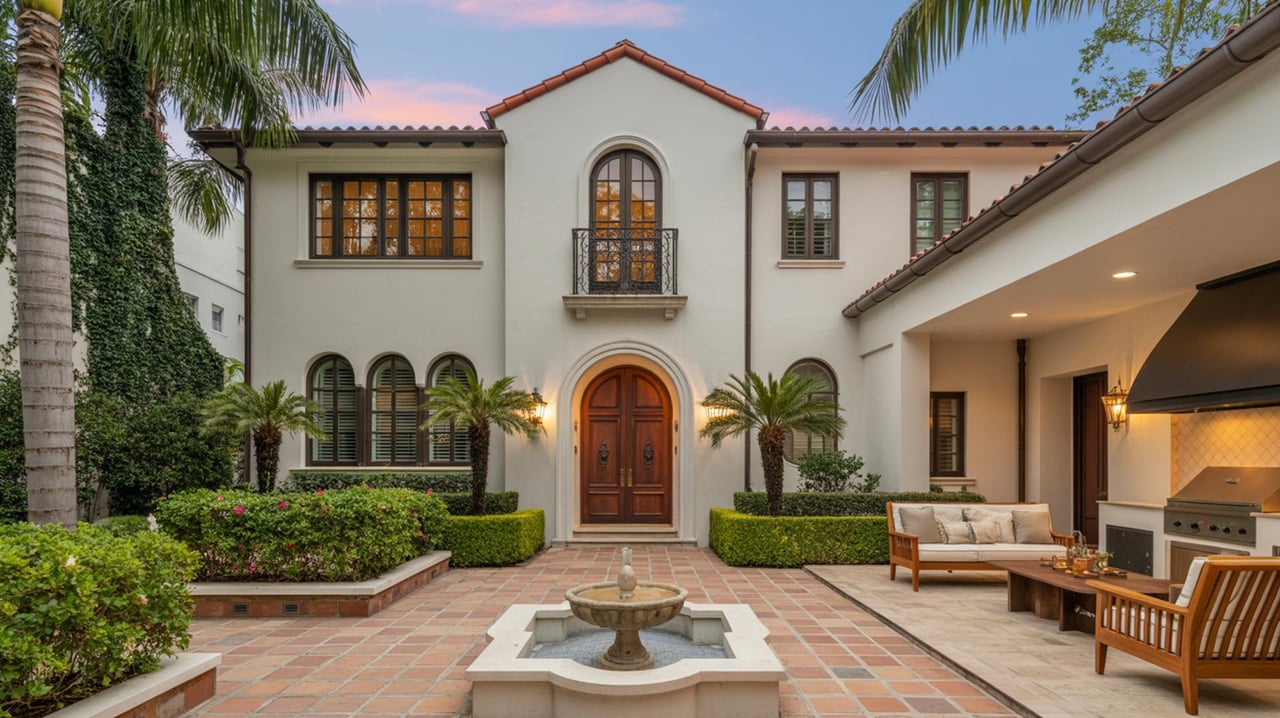
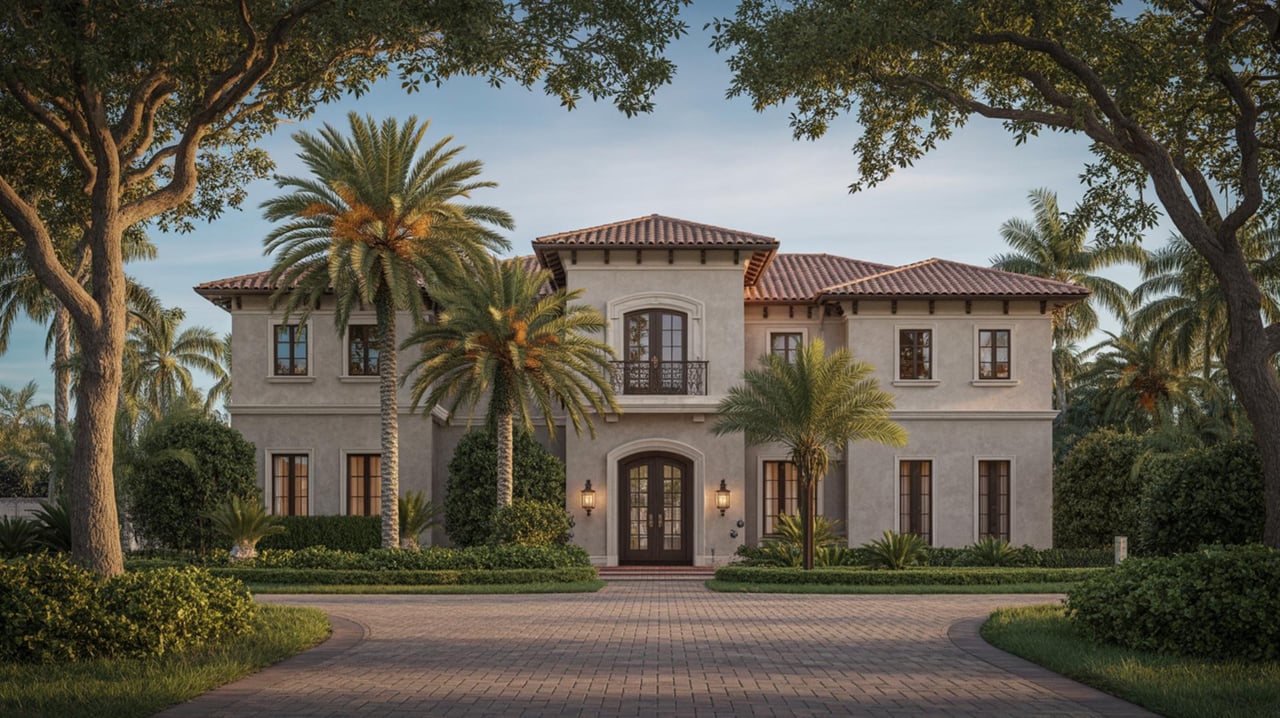
Coral Gables does not look like Brickell or Sunny Isles because of its legendary strictness regarding aesthetics. Under Section 5-200 of the city's zoning code, developers are granted a "Mediterranean Bonus" (Med Bonus), which allows them to build additional stories or density only if they integrate specific architectural components that create a visual link to founder George Merrick’s 1920s Spanish/Mediterranean revival vision. When buying a newer condo, you must look closely at how these design standards impact the building's physical footprint, open-air courtyards, and communal colonnades. These design requirements create massive long-term value via visual continuity, but they also mean exterior modifications to your balconies, window treatments, or structural facades face strict municipal restrictions.
One of the most shock-inducing rules for buyers migrating from other states or cities is Coral Gables’ strict municipal ban on overnight street parking. From 8:00 PM to 6:00 AM, vehicles without highly restrictive, localized residential permits are strictly prohibited from parking on public streets. When looking at a condo, you cannot simply assume your multi-car household or visiting guests can use street parking. You must evaluate the exact number of deeded, assigned garage spaces attached to the unit's title and investigate the building’s internal valet and guest parking infrastructure. If a condo unit only provides one space and you own two vehicles, sourcing alternative parking within the city is a logistical and financial hurdle unique to the Gables.
While many buyers associate historic preservation with single-family estates, Coral Gables features a vast array of mid-century modern and early 20th-century boutique condo buildings that hold official local historic designations. Buying in a historically designated building subjects you to the oversight of the Coral Gables Historic Preservation Board. This means that seemingly routine interior upgrades—such as replacing original jalousie windows, altering floor plan configurations, or modifying historical entry doors—require specialized permitting and materials that precisely match the building's historic fabric.
The long-term lifestyle and resale value of a Coral Gables condo is deeply tied to its proximity to the city's unique, zero-cost transit infrastructure. The city operates a highly successful, completely free Coral Gables Trolley system running along major corridors like Ponce de Leon Boulevard, which connects directly to the Douglas Road Metrorail Station. Furthermore, the city heavily funds "Freebee"—a hyper-local fleet of on-demand electric vehicles (including premium Tesla Model X fleets) that pick up and drop off residents at their condo doors for free within designated downtown zones. Assessing where a building falls within these municipal transit boundaries is crucial; choosing a building directly serviced by these loops heavily decreases your reliance on personal vehicles and adds a massive selling point for future buyers.
While coastal Florida condo buyers are grappling with severe structural insurance spikes due to low elevations and saltwater erosion, Coral Gables offers a distinct geological profile. Much of the downtown condo core sits on the Miami Limestone Ridge at a significantly higher elevation than neighboring barrier islands. When buying a condo here, you must analyze the building's specific elevation map and its distance from coastal flood zones. Because these buildings are anchored into sturdy limestone and shielded from severe storm surges, their long-term structural maintenance fees (and the risk of sudden, catastrophic special assessments driven by the state's post-2024 condo safety mandates) are historically more manageable than oceanfront properties.
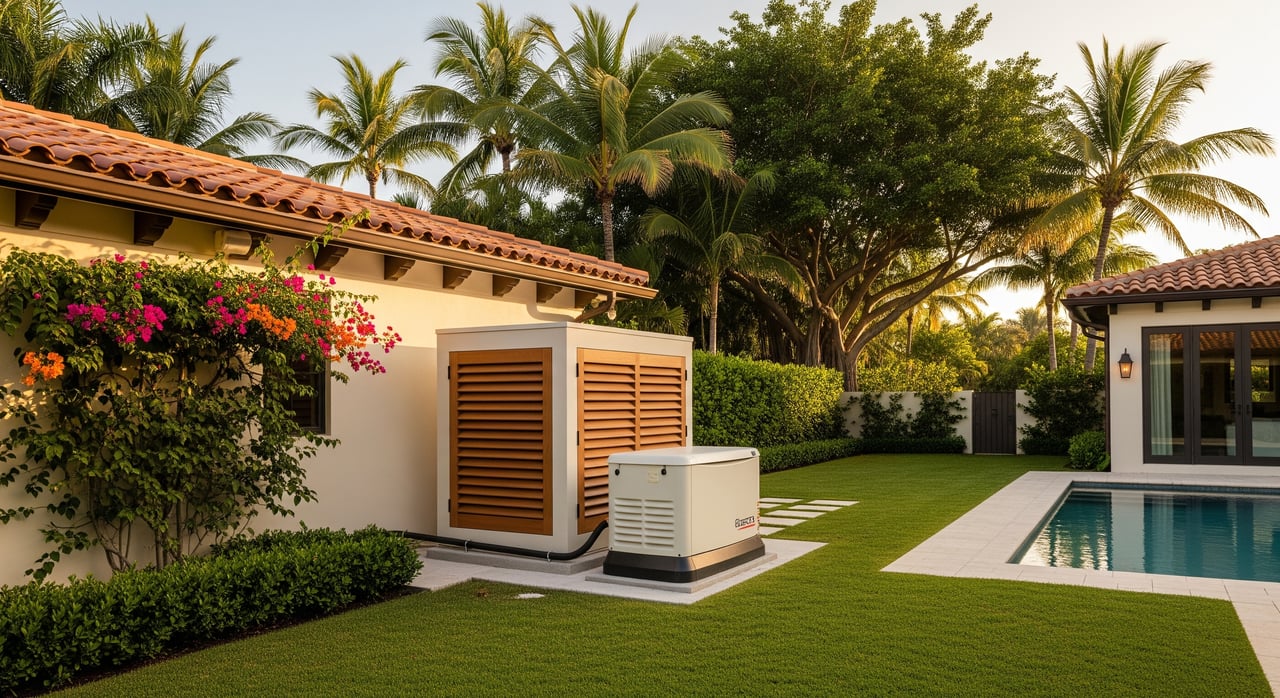
Coral Gables is famous for its dense, strictly protected oak and banyan tree canopies that line nearly every residential avenue. While this foliage creates a beautiful urban landscape, it poses a very specific risk to local infrastructure during South Florida's hurricane season. High winds can cause heavy branches to disrupt above-ground power grids, sometimes causing prolonged utility outages in specific older pockets of the city. When evaluating a condo building, you must ask about the localized utility setup: Is the building’s power grid buried underground? Does the condominium association possess an industrial-grade, fully integrated backup generator capable of powering individual unit air conditioning and appliances, or does it only support emergency hallway lighting and a single elevator?
We Are Here to Guide Your Search
Navigating the nuances of the Coral Gables condominium market requires hyper-local real estate expertise to protect your investment and ensure your lifestyle needs are met. If you have questions about specific buildings, local reserves, or upcoming assessments, or if you would like to schedule a private showing for active listings in the area, please reach out to us.

Get in Touch
Miami FL
Get in Touch
Get in Touch
Miami FL