Lands for Sale in Coral Gables, FL
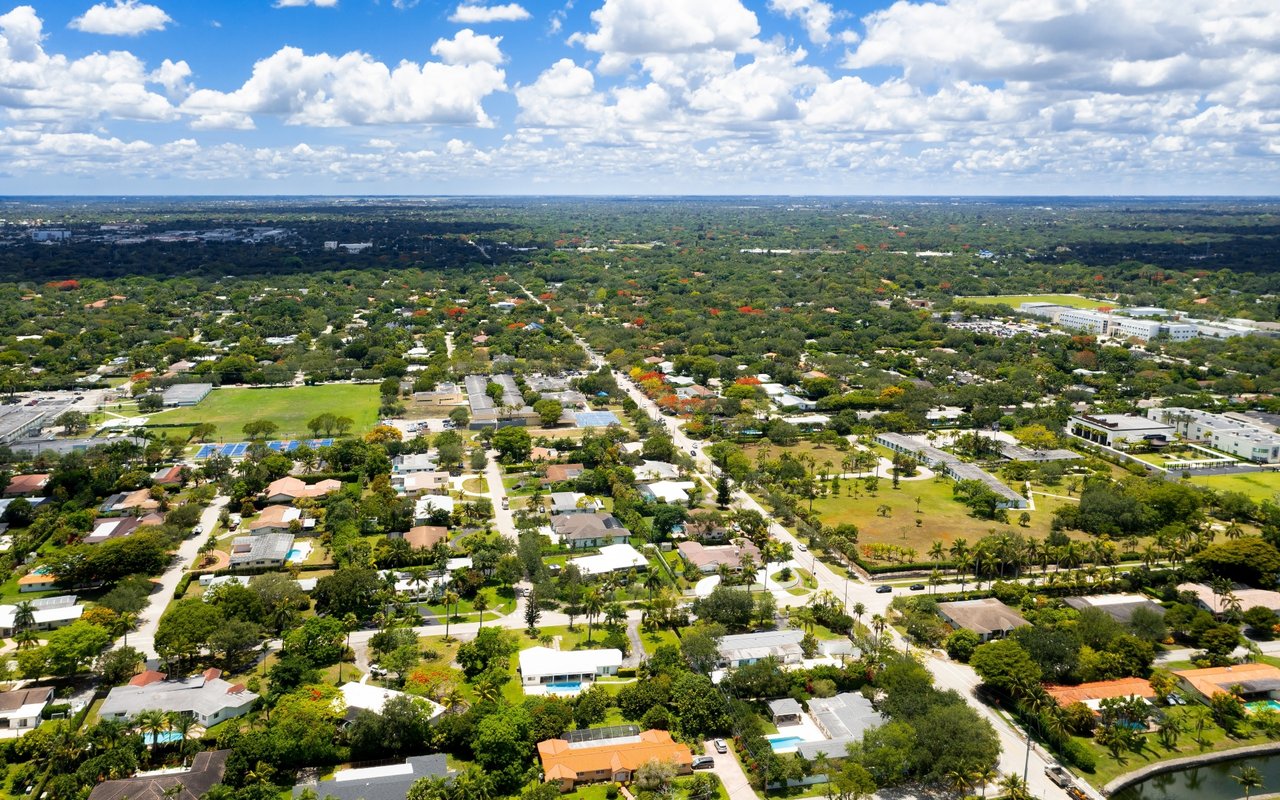
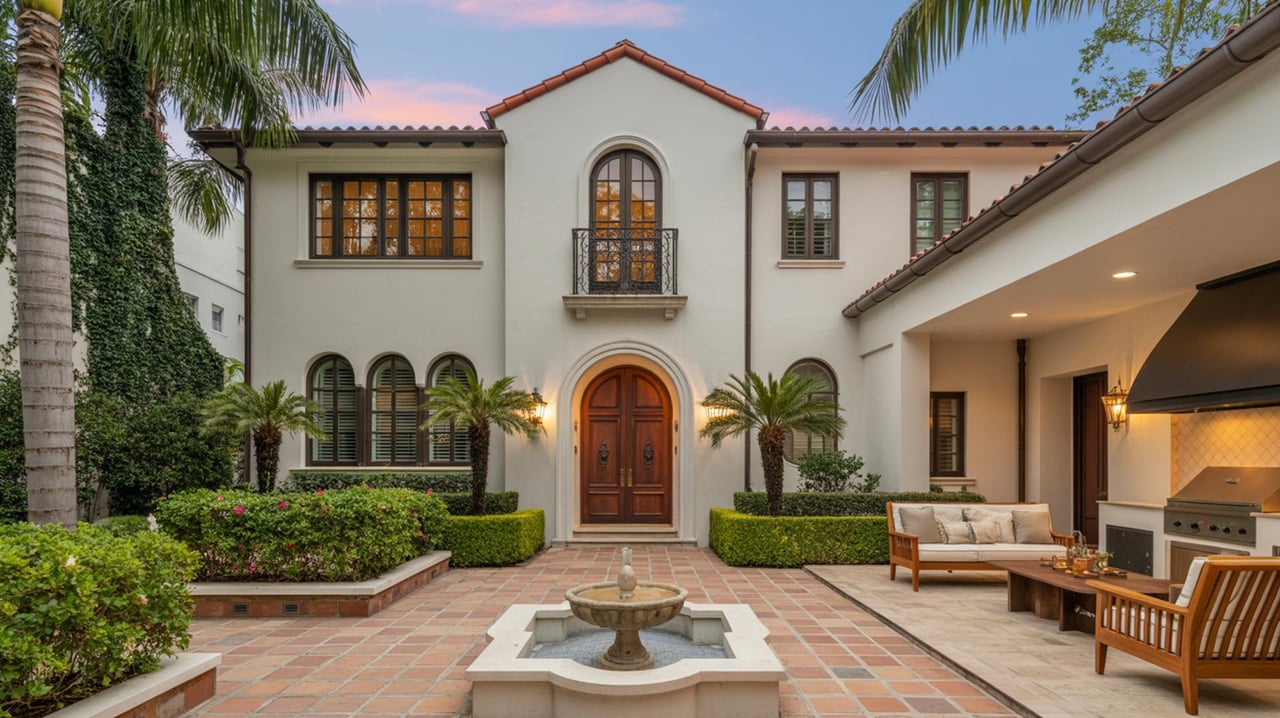
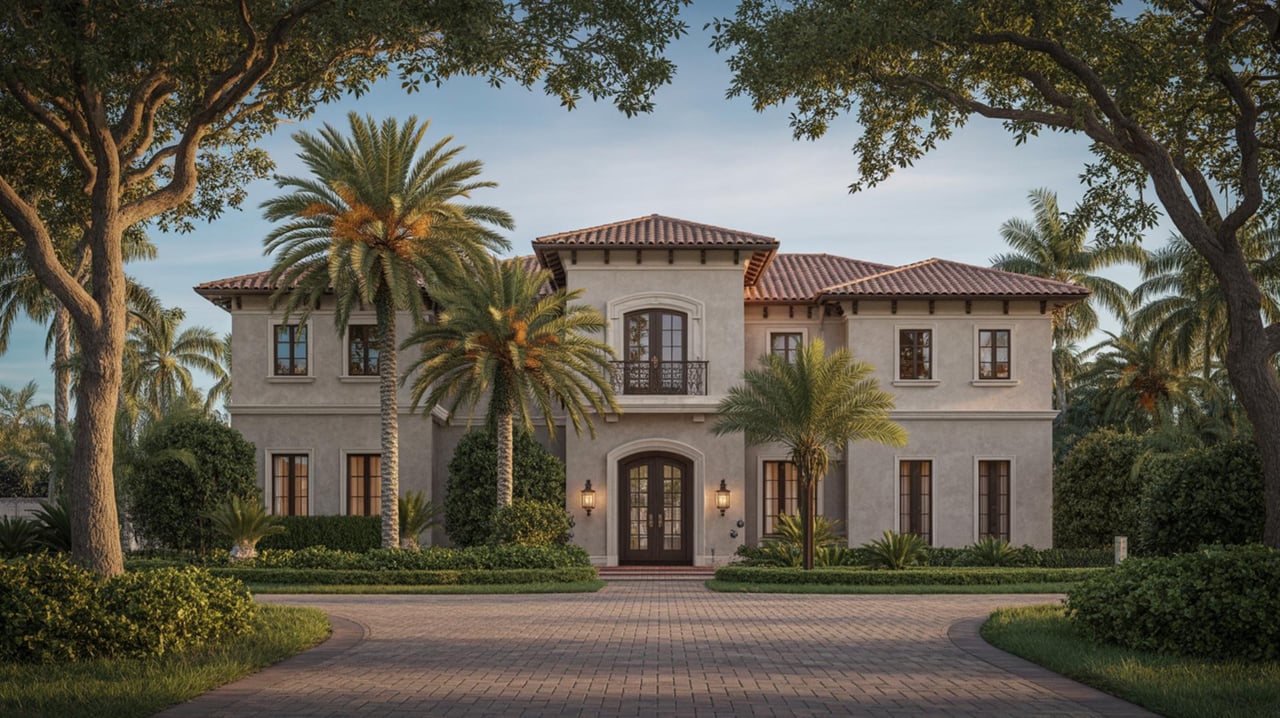
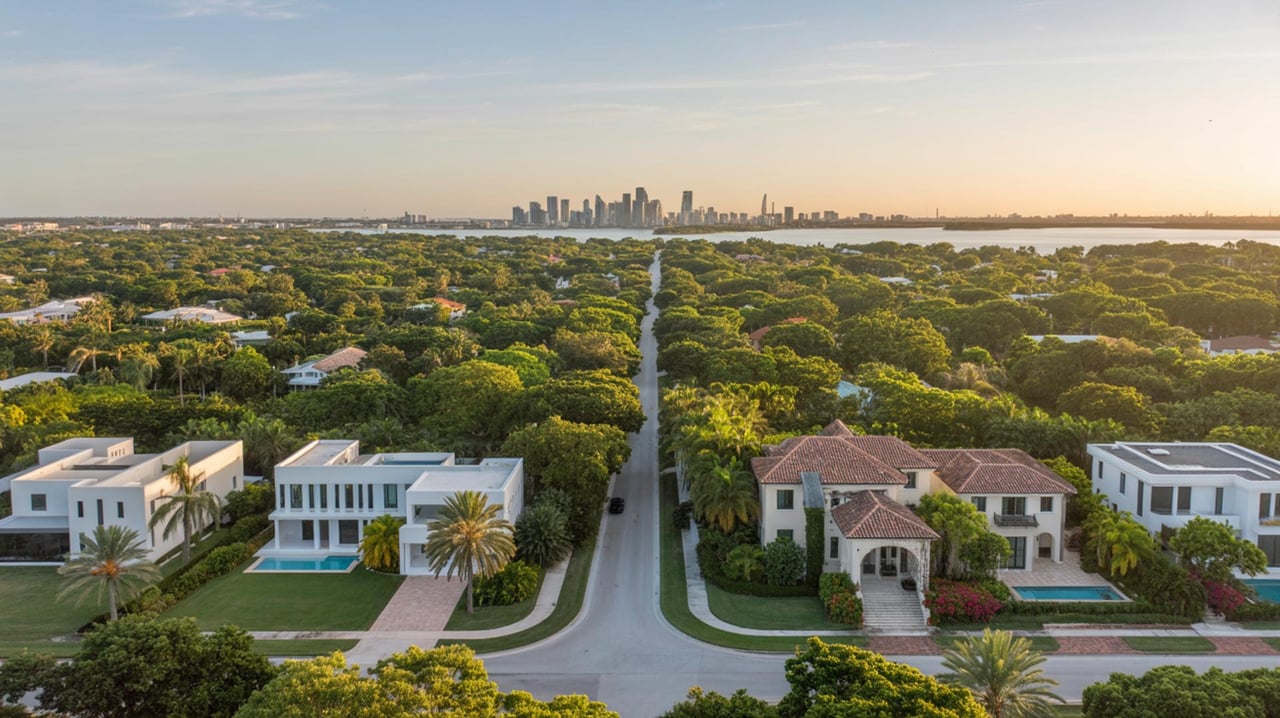
Buying land in Coral Gables is a rare opportunity to build a fully custom estate within one of South Florida's most architecturally protected and prestigious cities, where strict design standards preserve long-term property values and ensure your home fits seamlessly into the Mediterranean character of The City Beautiful.
Available Lands in Coral Gables, FL
By the Numbers
Coral Gables, FL Housing Market
The Coral Gables housing market is operating with a balanced, slightly uncompetitive pace where buyers are exercising caution and negotiating power, even as luxury demand keeps baseline valuations exceptionally high. While total transaction volume has remained steady, overall home prices have leveled out with a marginal year-over-year dip of just 0.06%, highlighting a flattening trend after years of aggressive growth. Properties are moving at a relatively measured pace, spending a median of 83 days on the market, while the average home ultimately closes at roughly 5% below its original list price. This environment creates a clear micro-market dynamic: while ultra-exclusive waterfront enclaves like Gables Estates continue to see high-ticket cash transactions, the citywide average reflects a stabilizing landscape where sellers must rely on precise, turnkey pricing to attract disciplined, value-conscious buyers.

$1,698,983
Median Sale Price
$807
Median Sale Price per Sq. Ft.
196
Total Homes Sold
83
Median Days on Market
Why Get Lands in Coral Gables, FL
-
Capital Preservation Built on Absolute, Irreplicable Land Scarcity
Unlike expanding luxury markets nationwide where developers can continuously purchase outer farmland or push urban boundaries further out to create new inventory, Coral Gables is completely geographically land-locked and fully built out. Acquiring a vacant lot or a "scrapeable" parcel here means buying into a strictly finite pool of earth. Under Section 4-101 of the city’s zoning code, building sites are protected against aggressive subdivision, ensuring that the historic, estate-sized scale of single-family parcels remains permanently intact. Because you are buying a resource with an absolute supply cap, your investment is structurally insulated from the sudden inventory gluts, oversupply cycles, and subsequent price corrections that regularly impact newer, un-zoned luxury land developments across the state.
-
Immediate Speculative Value Premium Driven by an Extreme Deficit of Turnkey Inventory
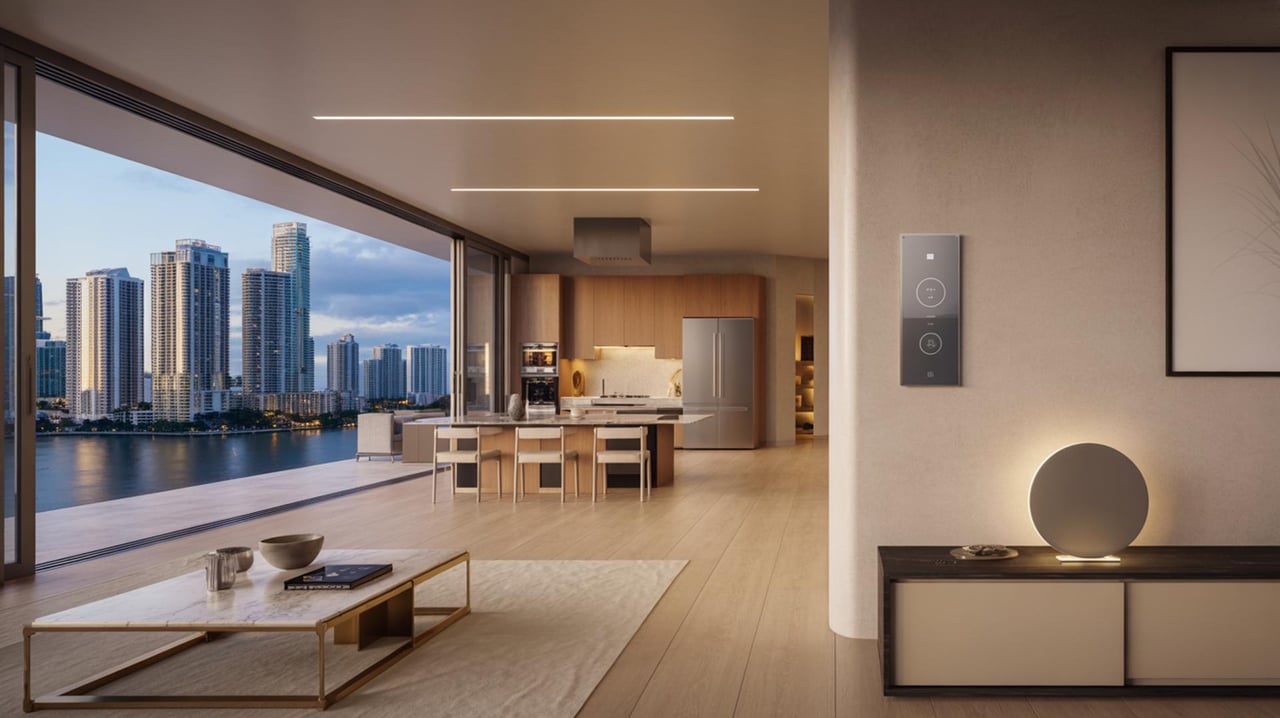
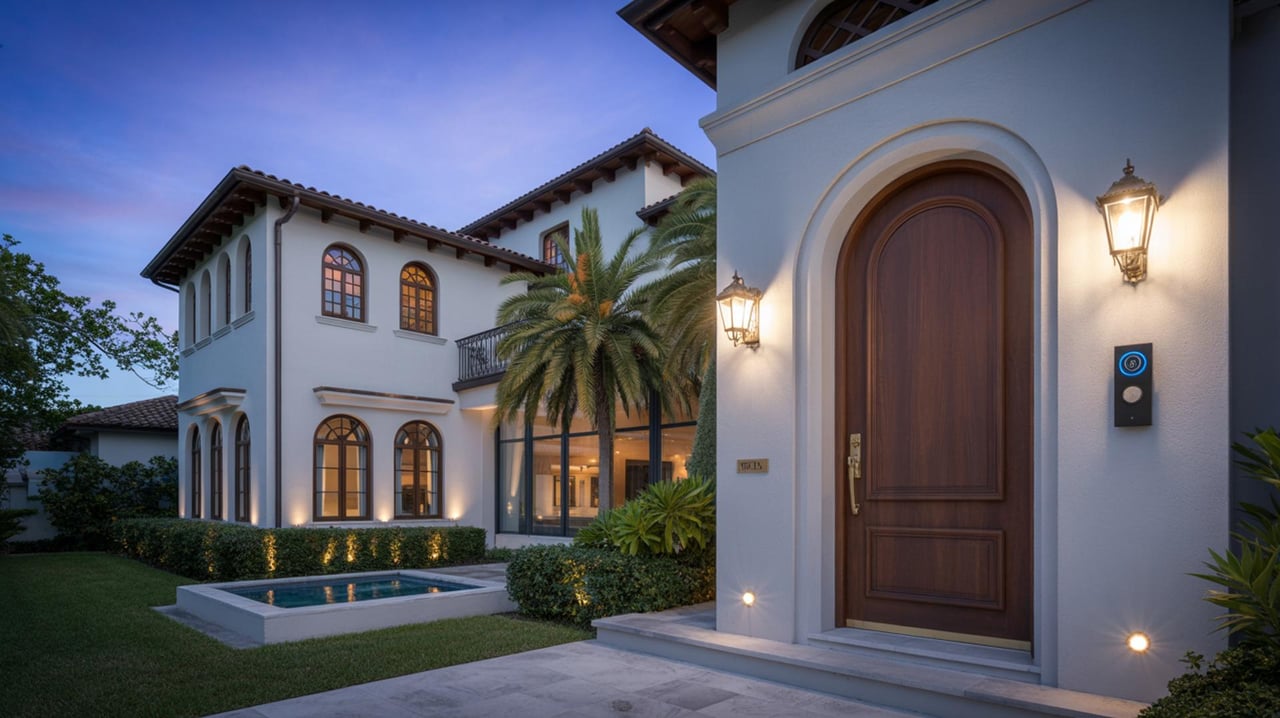
The modern luxury consumer in the upper tiers of the real estate market is heavily focused on acquiring fully polished, turnkey estates with modern floor plans, high ceilings, and advanced smart-home infrastructure. However, a significant percentage of standing single-family properties in Coral Gables consists of historic, older homes with rigid layout limitations, smaller room scales, or older mechanical backbones. Because a massive gap exists between what ultra-high-net-worth buyers demand and what the existing housing stock offers, owning a clean, unbuilt lot in the Gables commands a massive premium. It gives you or a future developer the rare canvas to build a highly coveted, modern-spec estate from the ground up, capturing a massive wave of local demand that is willing to pay a premium to bypass the logistical headaches of remodeling an older structure.
-
Maximum Leverage Over Strict Local Architecture and Lot Coverage Protections
When you own the raw dirt in Coral Gables, you gain a massive planning advantage over the city's strict Single-Family Residential (SFR) zoning guidelines. Local codes dictate highly precise limits on building scale, restricting the main house footprint to a maximum of 35% lot coverage (scaling up to 45% only when factoring in accessory structures and swimming pools), while enforcing a strict 48% cap on gross floor area for the first 5,000 square feet of a site. Attempting to force modern amenities onto an existing home within these strict parameters often leads to costly, frustrating design dead-ends. Starting with an open lot allows you to strategically map out your setbacks, perfectly position indoor-outdoor covered terraces (which can be legally excluded from gross floor area calculations if designed under a 13-foot height limit), and optimize your layout to work seamlessly with the Board of Architects from day one, rather than fighting an uphill battle against an outdated structural footprint.
What to Consider When Getting Lands/Lots Homes in Coral Gables, FL
Acquiring a vacant lot or an estate-scale land parcel in Coral Gables, Florida, means stepping into one of the most strictly regulated municipal environments in the United States. Known globally as "The City Beautiful," Coral Gables was built on a precise, master-planned vision from the 1920s that protects its land values through unparalleled layers of architectural zoning, environmental laws, and historic preservation codes. Developing a custom estate from the dirt up here requires navigating complex local constraints that simply do not apply in standard luxury land markets.
Coral Gables enforces rigid mathematical caps on single-family home sizes to permanently prevent the construction of over-scaled "box mansions" that disrupt neighborhood character. Under the city’s Single-Family Residential (SFR) zoning code, your main home’s ground-floor footprint is strictly capped at a maximum of 35% lot coverage, expanding up to 45% only when factoring in open pools, patios, and detached accessory structures. Furthermore, the city applies a complex, sliding-scale Floor Area Ratio (FAR) that restricts your total gross square footage based on your lot size. If you assume a large parcel allows you to build a massive, unlimited mega-mansion, you will hit immediate legal dead-ends; you must meticulously calculate your setbacks and allowed square footage under local building codes during your due diligence period.
The signature element of Coral Gables is its spectacular, sweeping canopy of historic live oak, mahogany, and banyan trees. The city views its urban forest as vital, legally protected infrastructure, which presents a monumental hurdle for land development. Before you can clear an inch of ground or secure a foundation permit, you must submit a comprehensive tree survey to the Coral Gables Greenspace Management Division. Healthy, mature trees cannot simply be cut down to fit your desired floor plan. If a protected tree sits directly within your optimal building envelope, you will be legally required to design around it, pay immense root-pruning oversight fees, or face staggering financial penalties that fund the city’s public tree mitigation reserves.
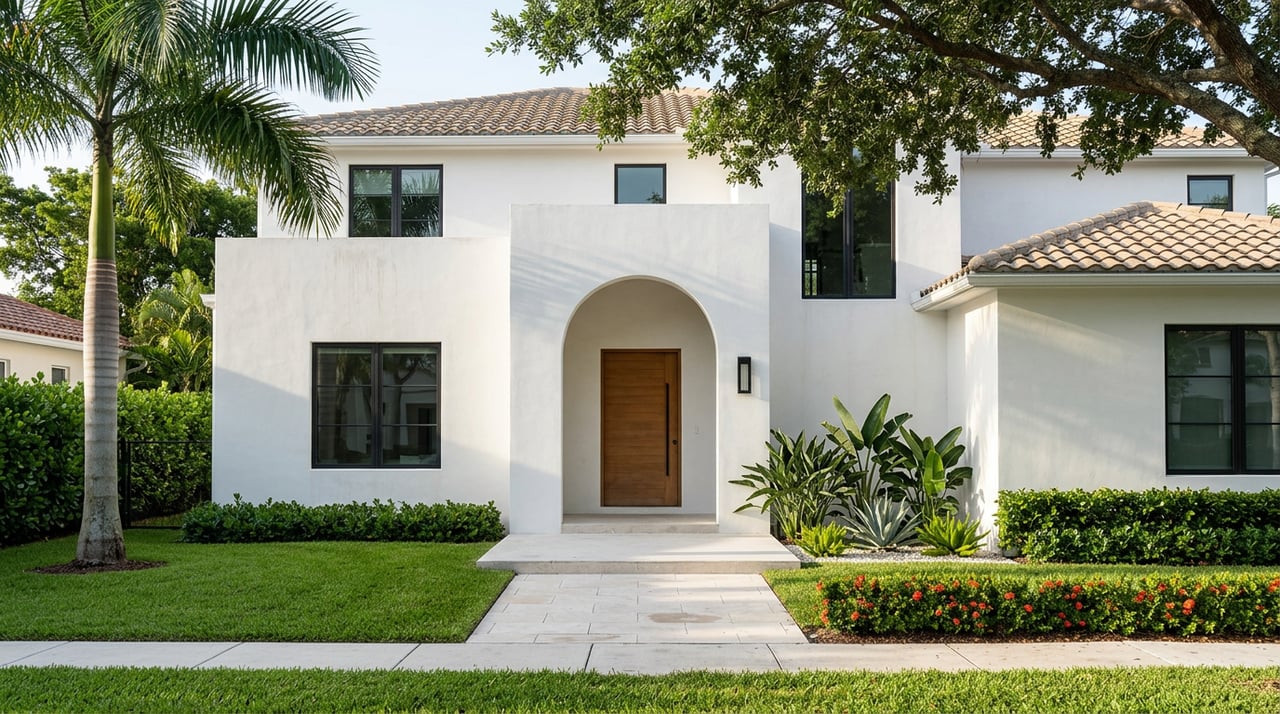
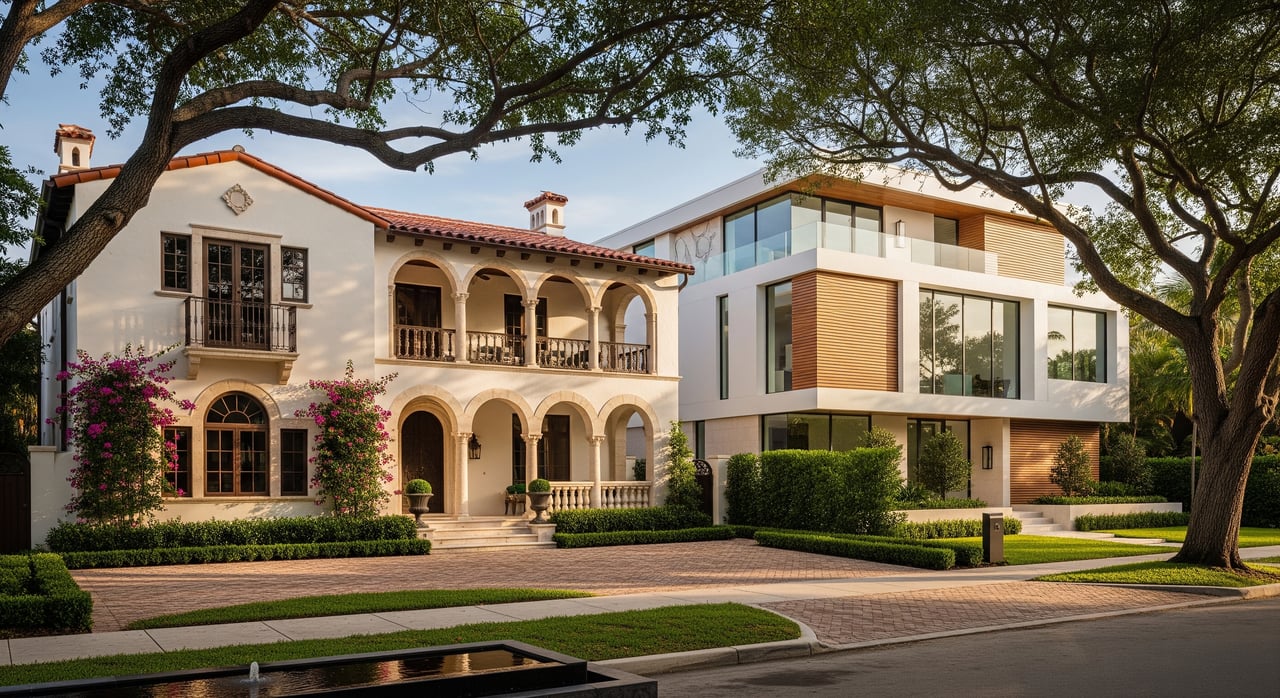
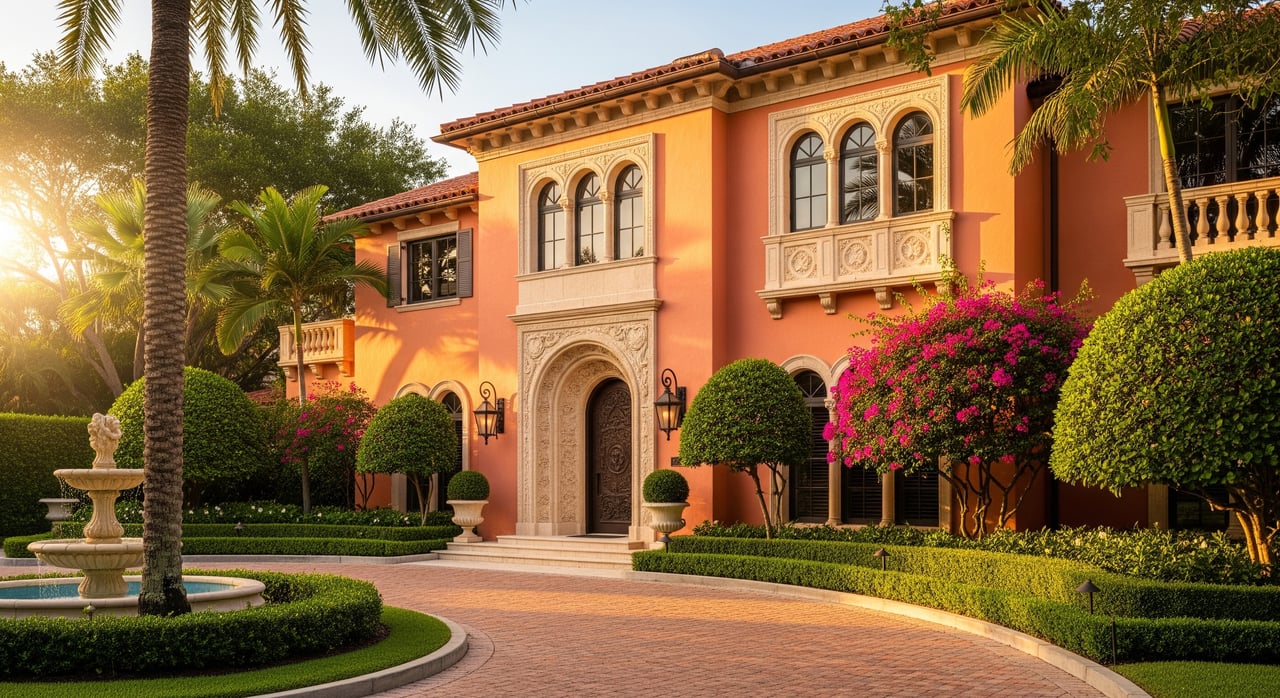
Owning land in Coral Gables does not grant you the freedom to build whatever architectural style you choose. Every single custom home proposal must be formally presented to, and approved by, the Coral Gables Board of Architects, which meets weekly to review every aesthetic detail. The Board strictly enforces design harmony with the immediate neighborhood, examining roof pitch, window-to-wall proportions (fenestration), exterior material quality, and even your color palette. If your dream is to build an ultra-minimalist, industrial glass-and-steel cube in a neighborhood dominated by 1920s Mediterranean Revival or Mid-Century Modern architecture, the Board holds the legal authority to deny your building permits until your design mirrors the historic aesthetic identity of the city.
The physical terrain beneath Coral Gables' soil requires highly specialized engineering and carries unique development costs. The city is structurally anchored on the Miami Limestone Ridge, a dense, solid rock formation that sits close to the surface. While this limestone provides a phenomenally sturdy, structurally resilient foundation that shields against shifting soils, it makes standard excavation exceptionally labor-intensive and costly. Trenching for utility lines, digging out deep luxury swimming pools, or laying complex structural footings requires heavy industrial hydraulic hammering and rock-chipping equipment. A standard soil boring and geotechnical test is a non-negotiable step before purchasing land here, as sub-surface rock density will directly dictate your initial site-preparation budget.
Because Coral Gables encompasses lands historically occupied by indigenous populations and early pioneer settlements, large swaths of the city fall within designated Archaeological Conservation Zones. If the lot you are purchasing is flagged on the city's historic preservation maps, you are legally subject to the oversight of the Historic Preservation Board. This means that during your initial ground-breaking and excavation phases, you may be required to fund a licensed, independent archaeologist to remain on-site to monitor the dirt removal. If historical artifacts, fossils, or indigenous remnants are unearthed, all construction operations must immediately halt for formal mapping and preservation, a unique localized reality that can deeply impact your project's timeline if not anticipated.
Because Coral Gables is a mature, historically built-out municipality rather than a raw development tract, bringing utilities to a vacant or scraped lot involves navigating established city infrastructure systems. You must carefully audit whether the lot is fully tied into the city's centralized sanitary sewer system or if it relies on a local septic tank, which faces increasingly strict environmental regulations and conversion mandates across Miami-Dade County. Furthermore, several premier neighborhoods utilize localized Special Taxing Districts to fund their underground utility conversions or 24/7 security guard gates. You must verify whether the parcel carries outstanding, pre-paid municipal infrastructure assessments or if a portion of these capital improvements will be tacked onto your future annual property tax bills.
Build Your Custom Estate with Local Experts
Acquiring the perfect lot and navigating the design, environmental, and municipal approvals in Coral Gables requires a team with hyper-local real estate expertise. If you have questions about specific zoning codes, want to analyze a tree survey, or are ready to view active and off-market land opportunities:

Get in Touch
Miami FL
Get in Touch
Get in Touch
Miami FL