Waterfront Homes for Sale in Coral Gables, FL
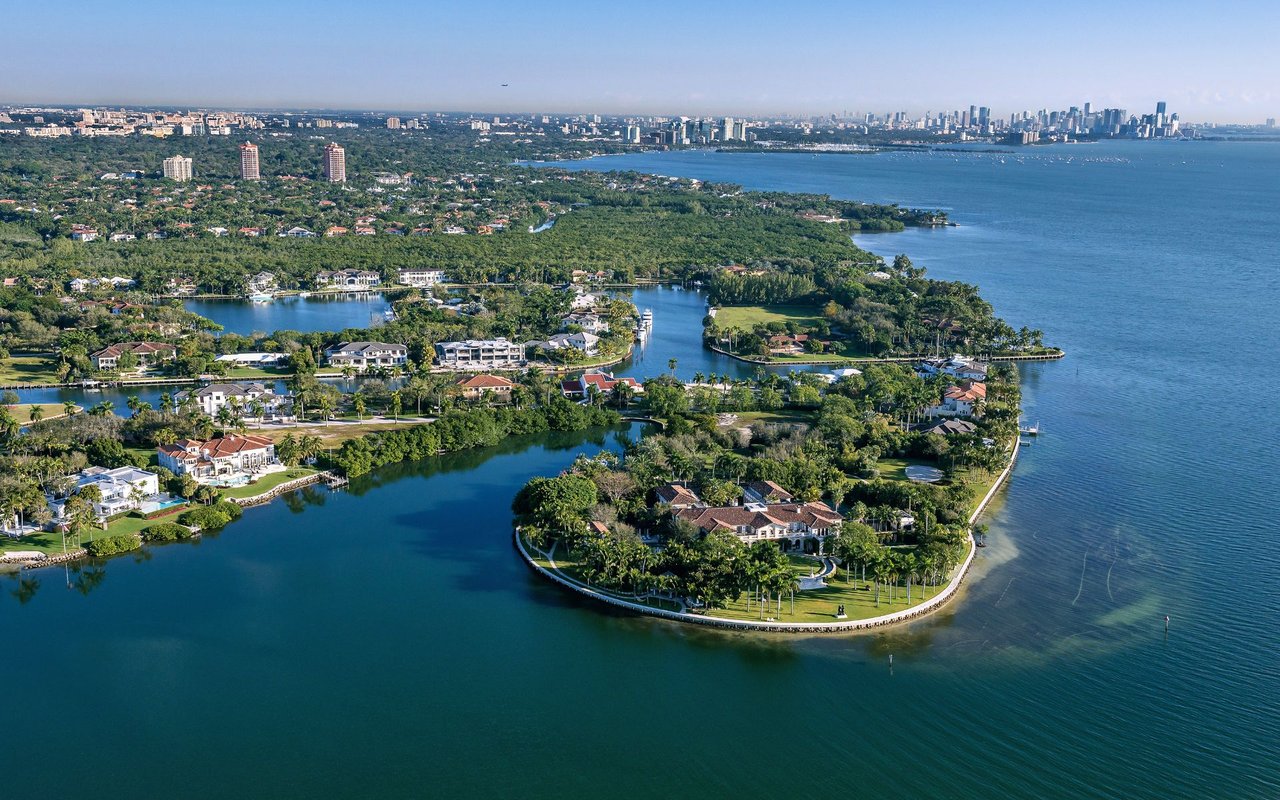
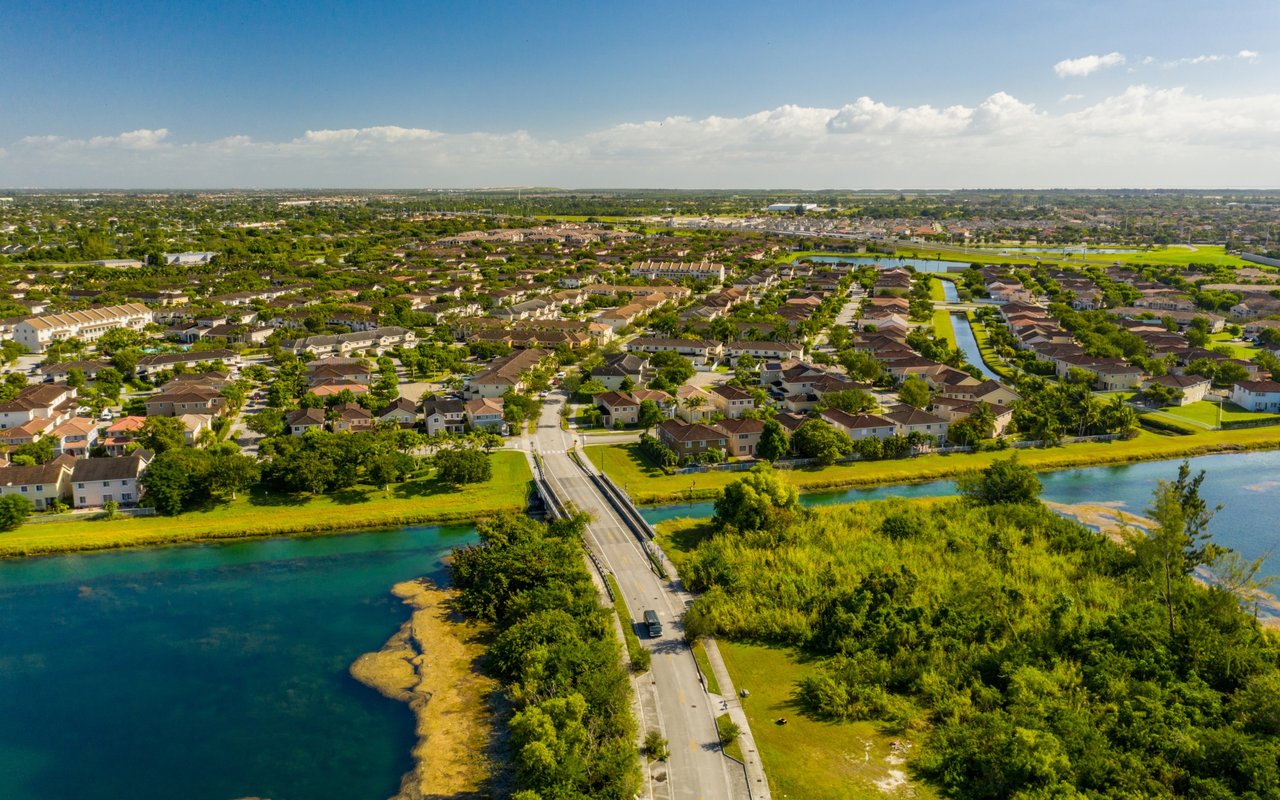
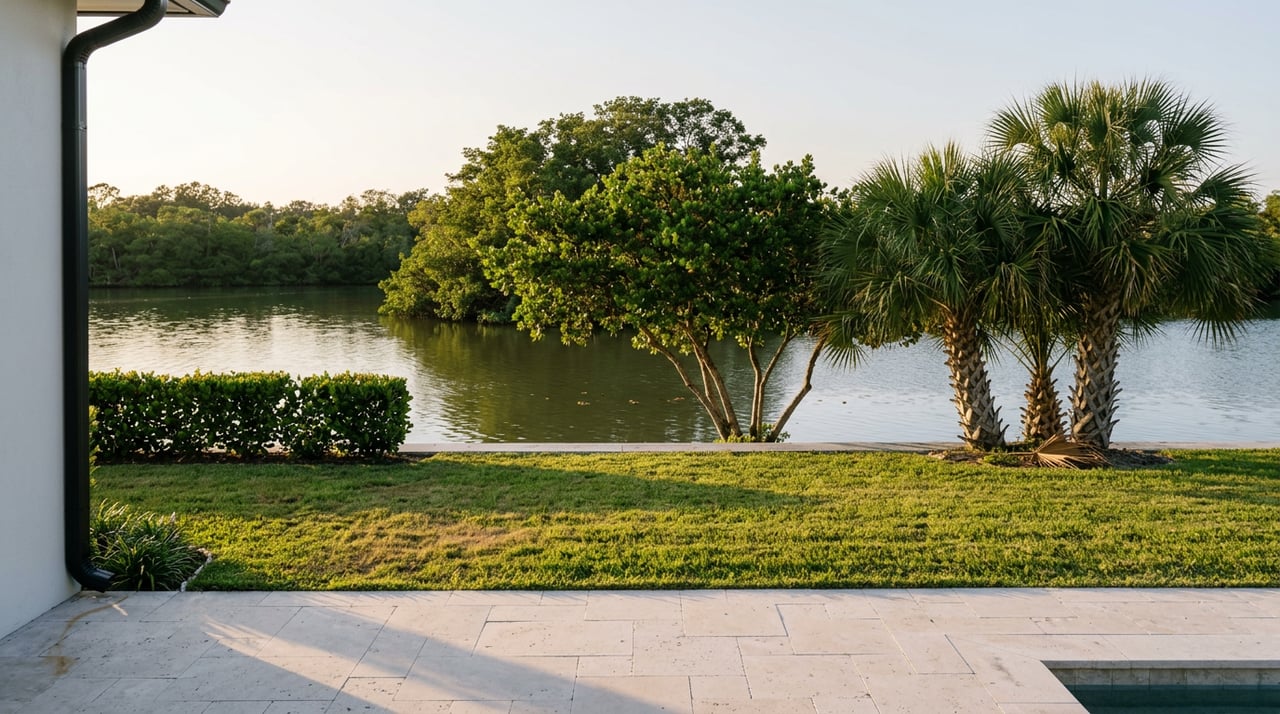
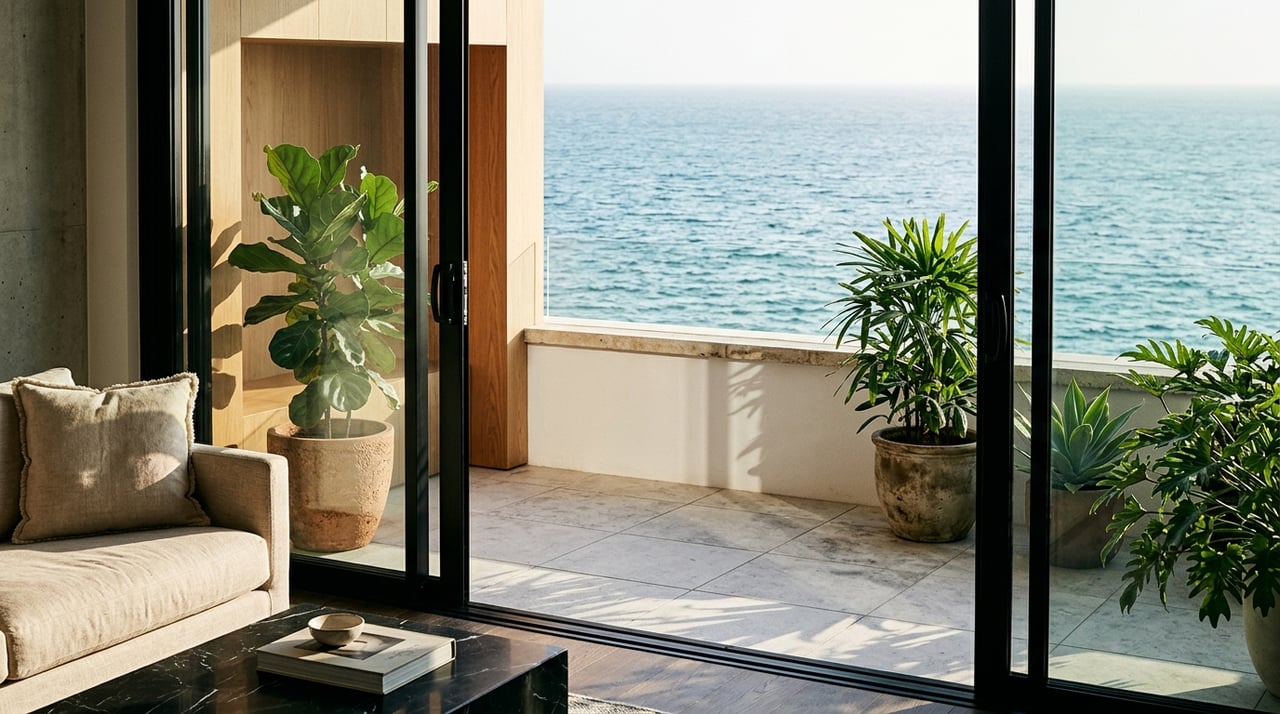
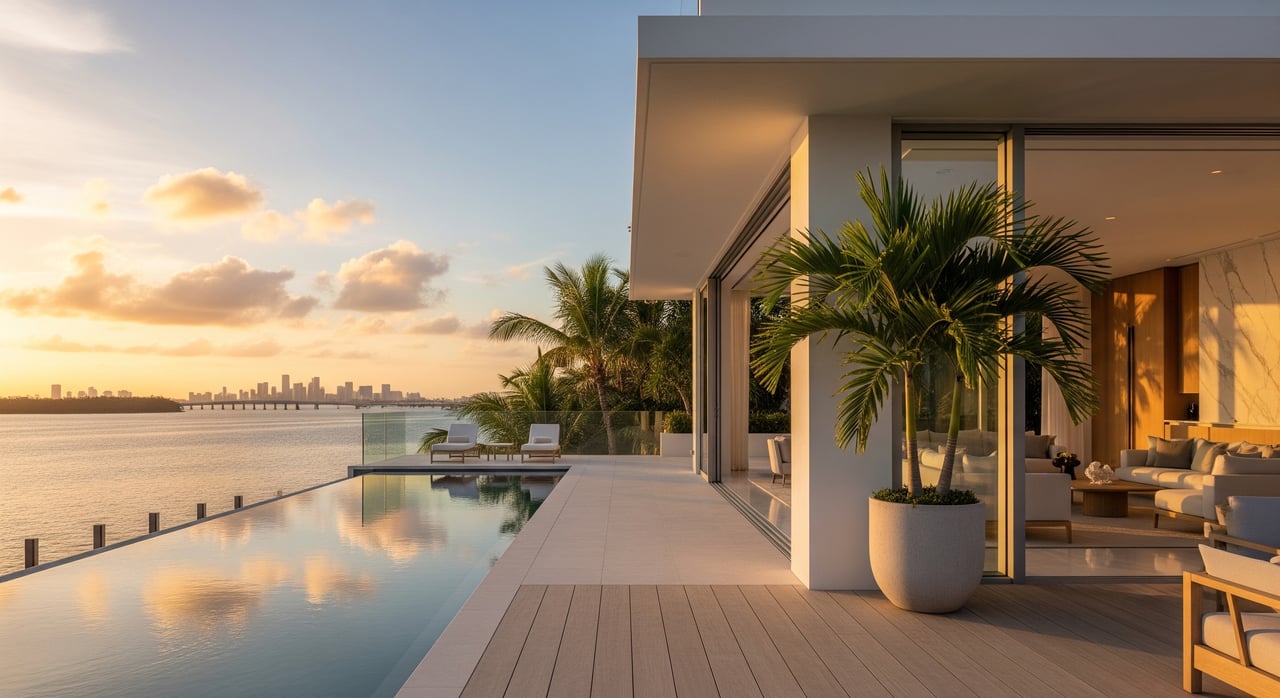
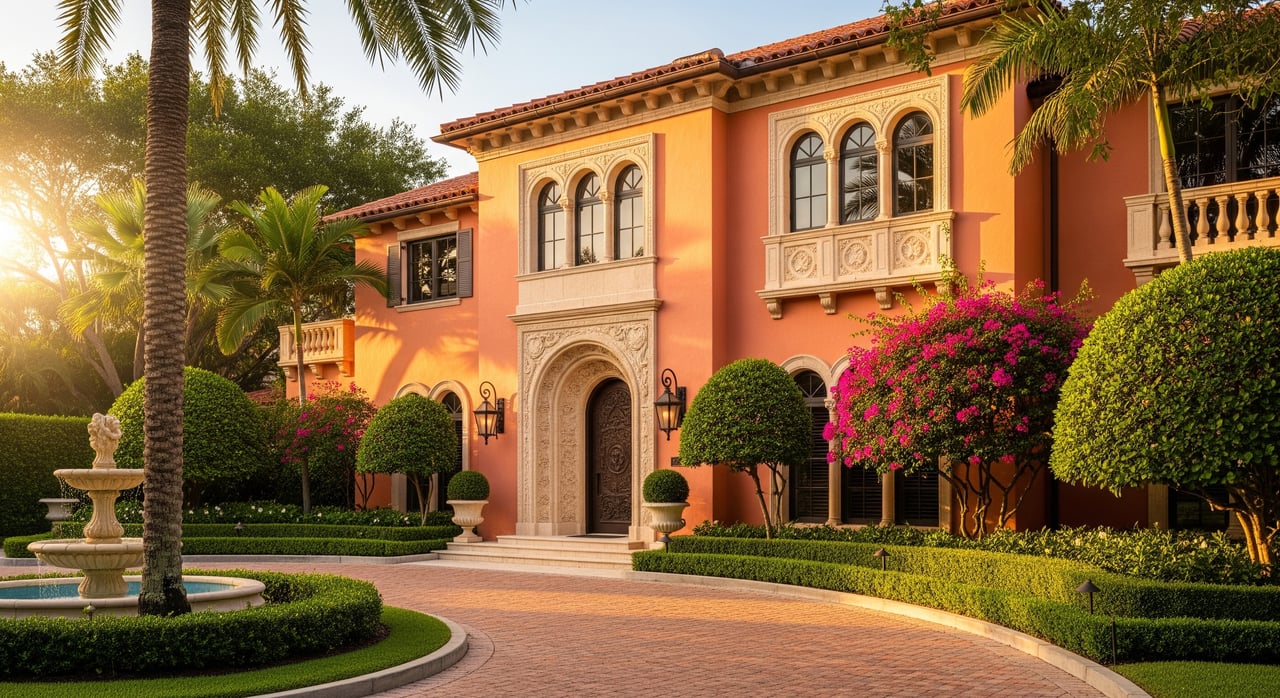
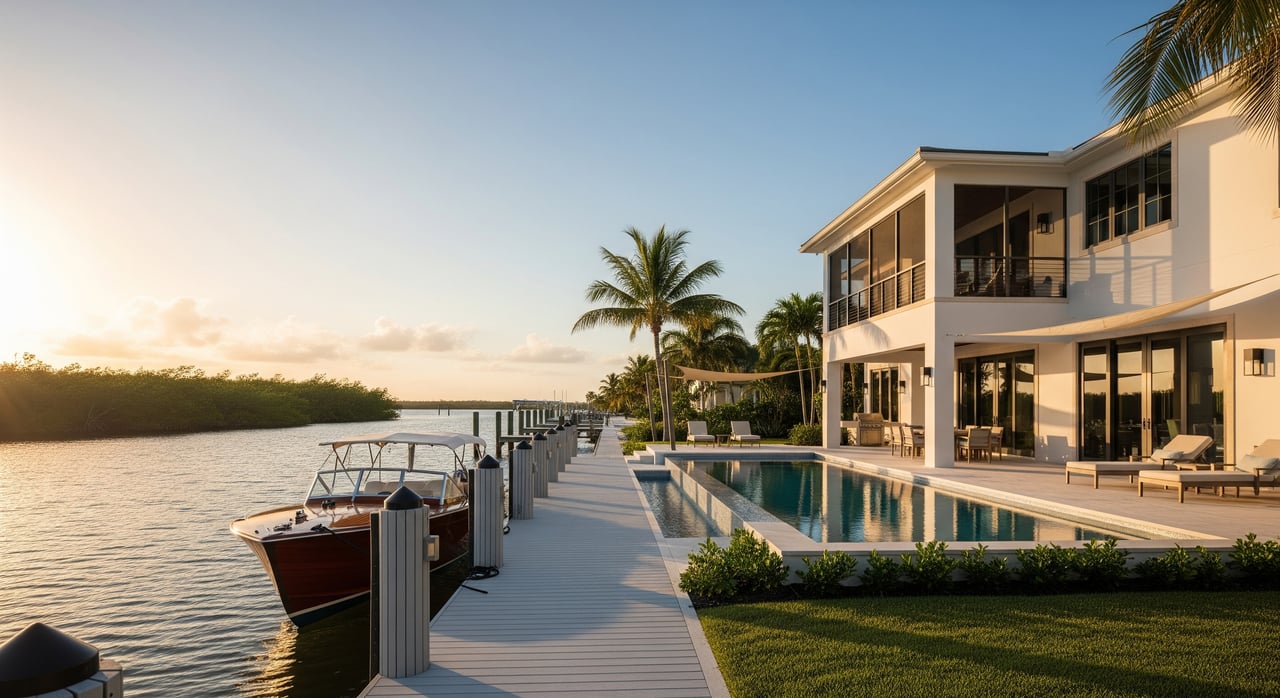
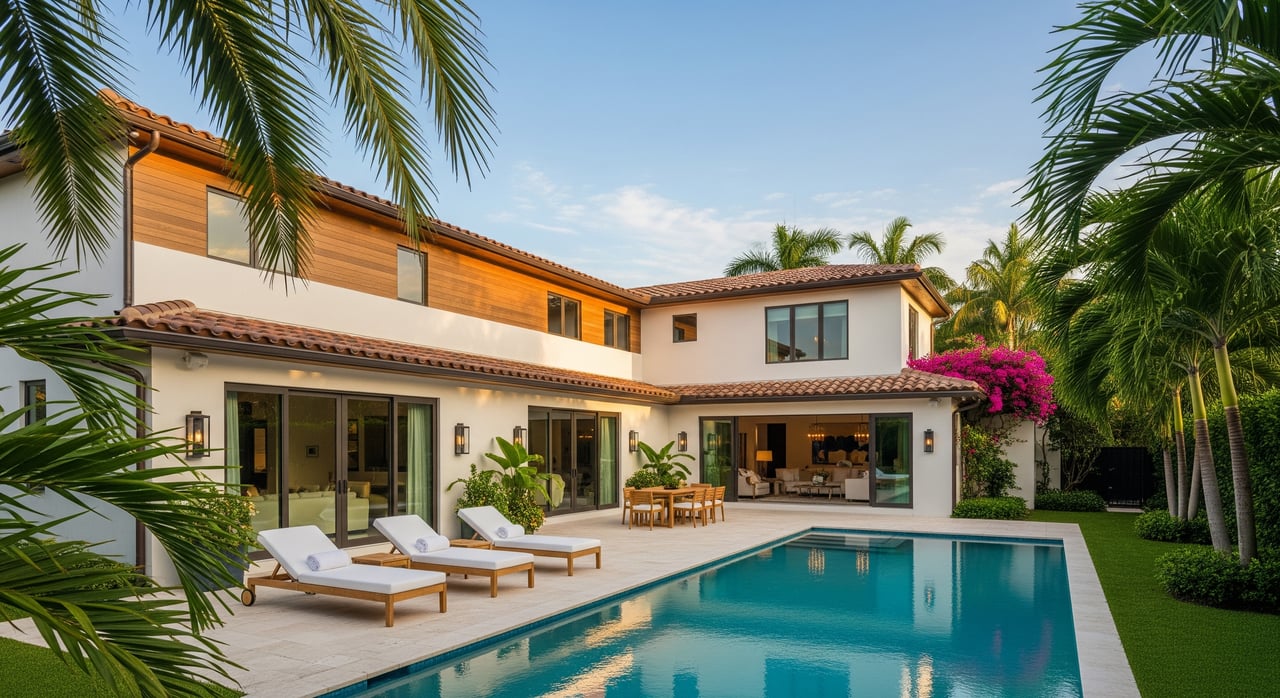
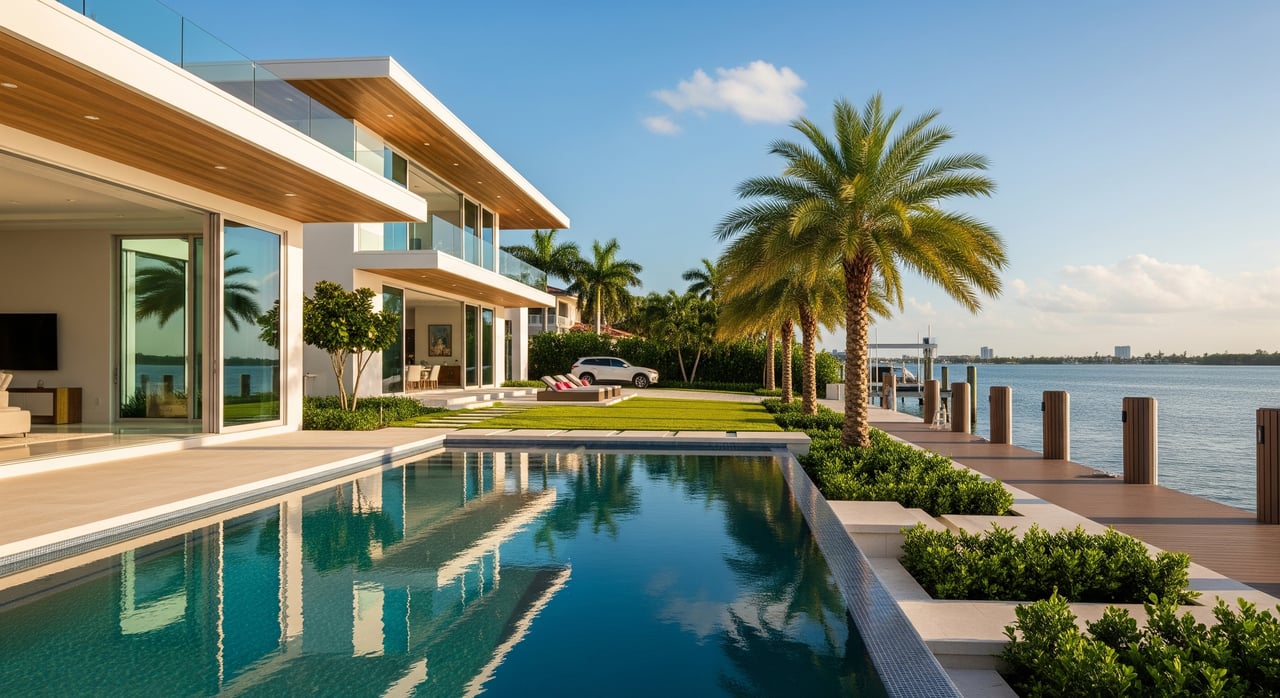
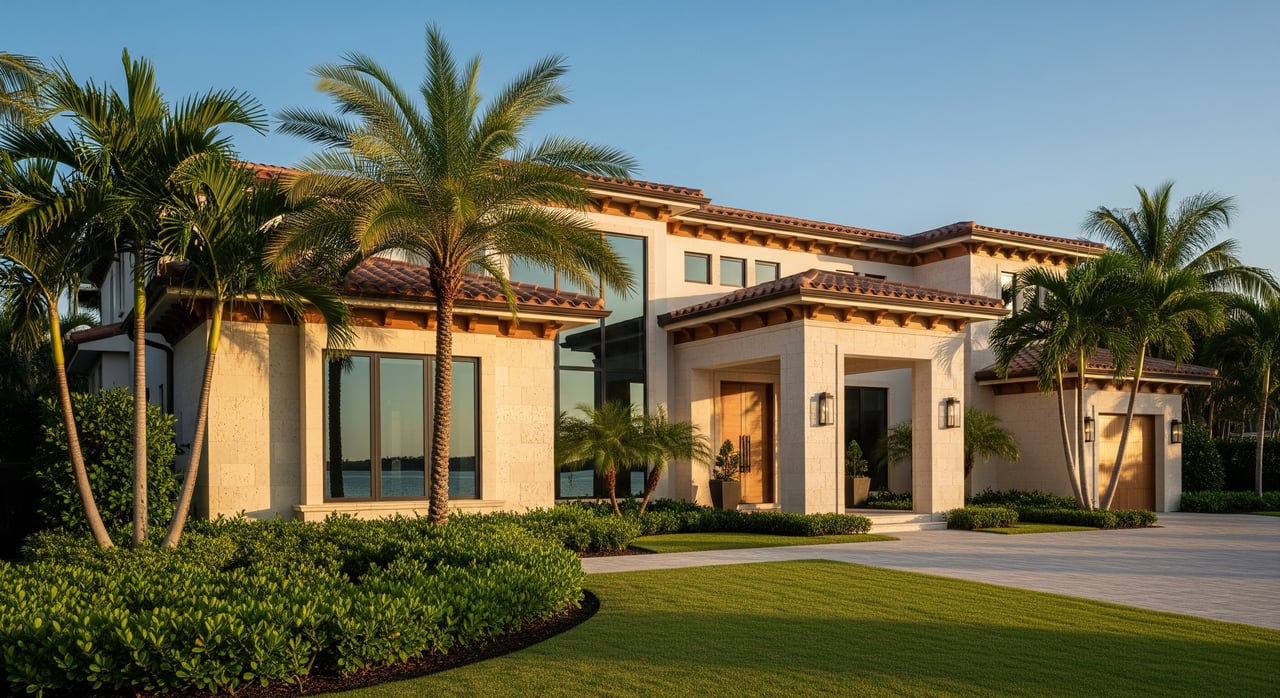
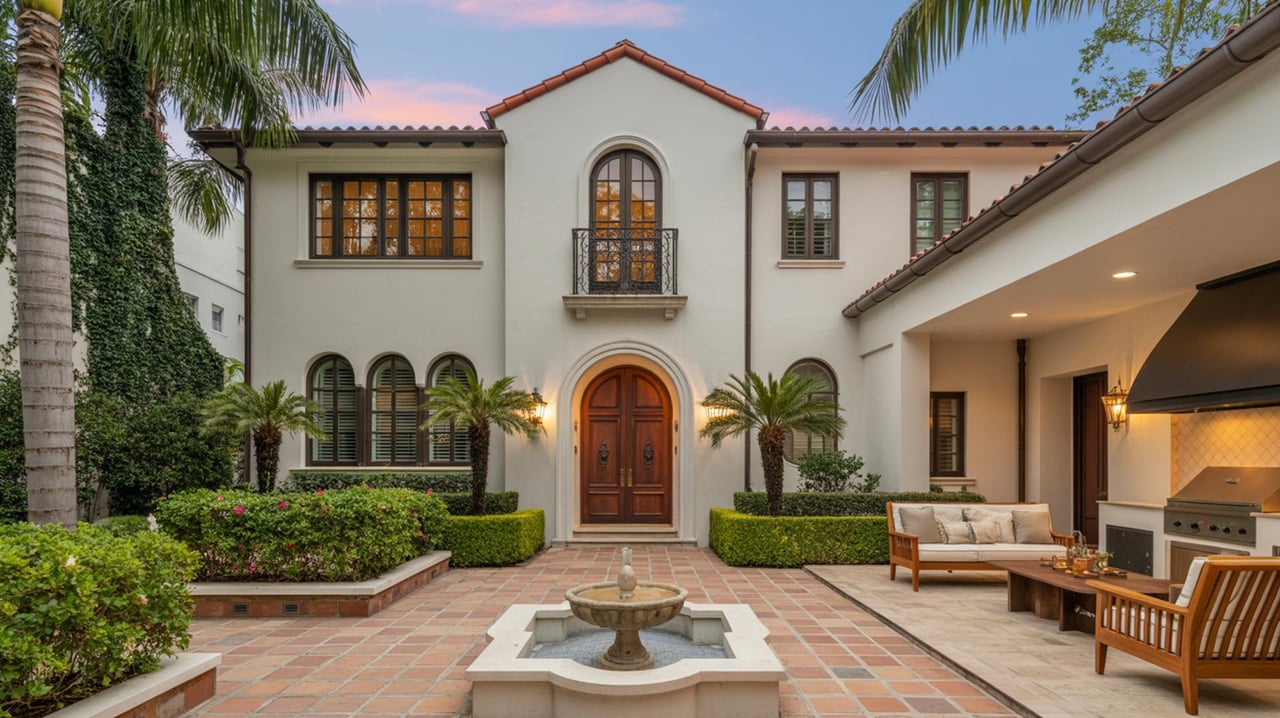
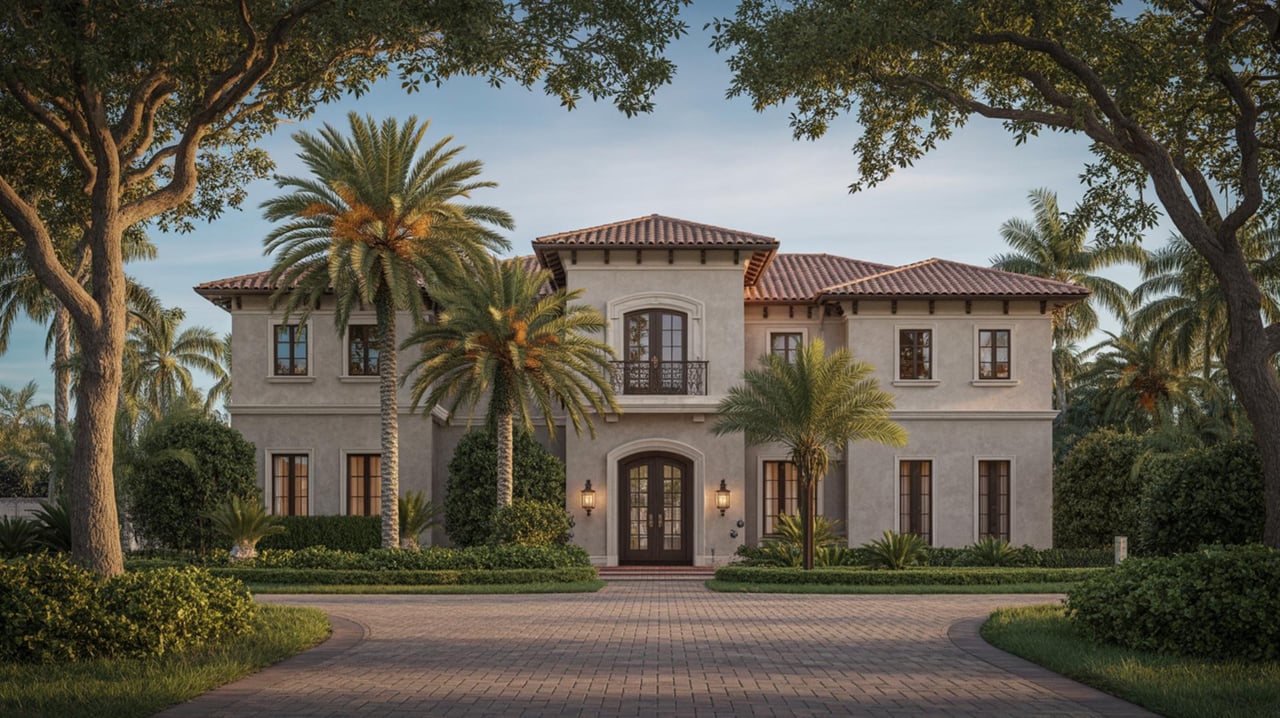
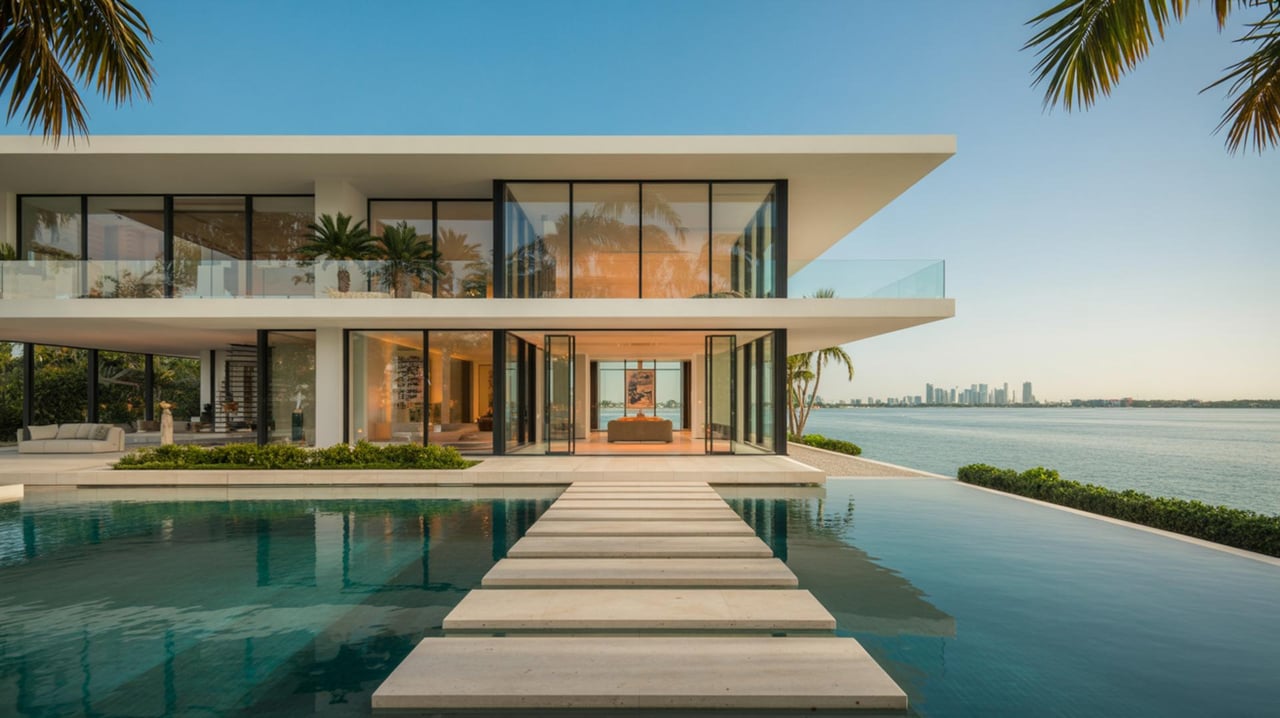
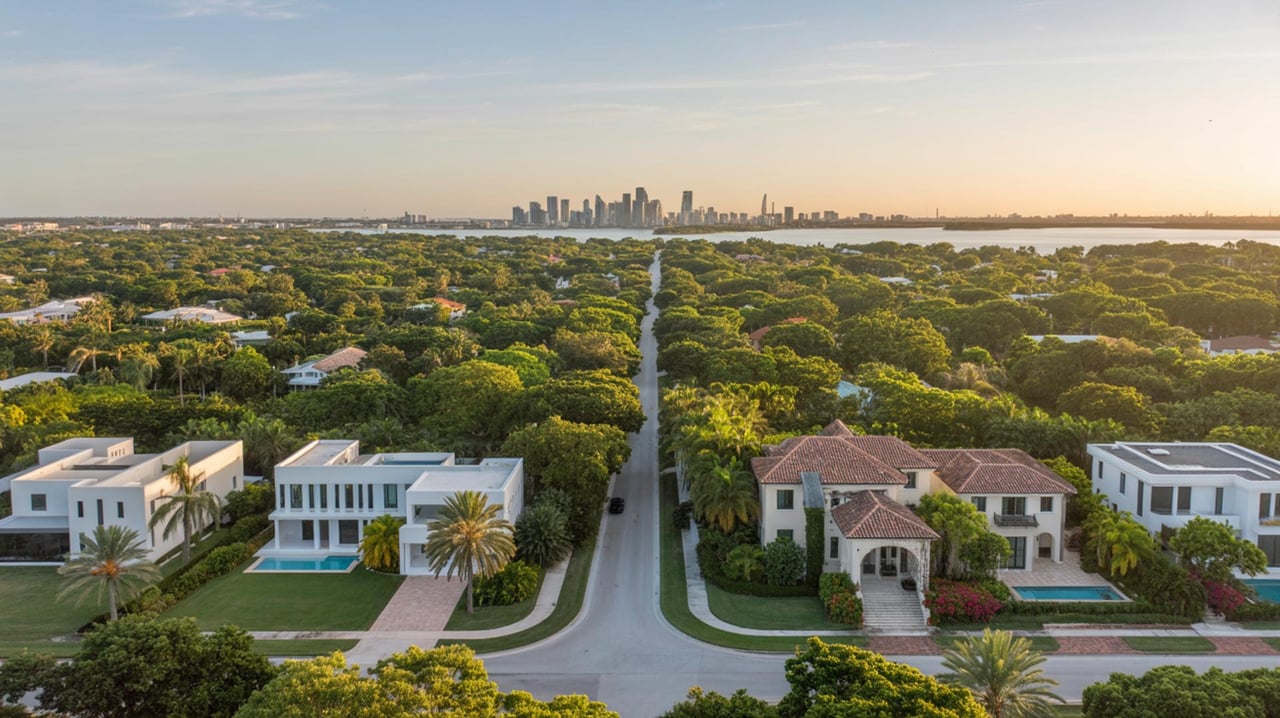
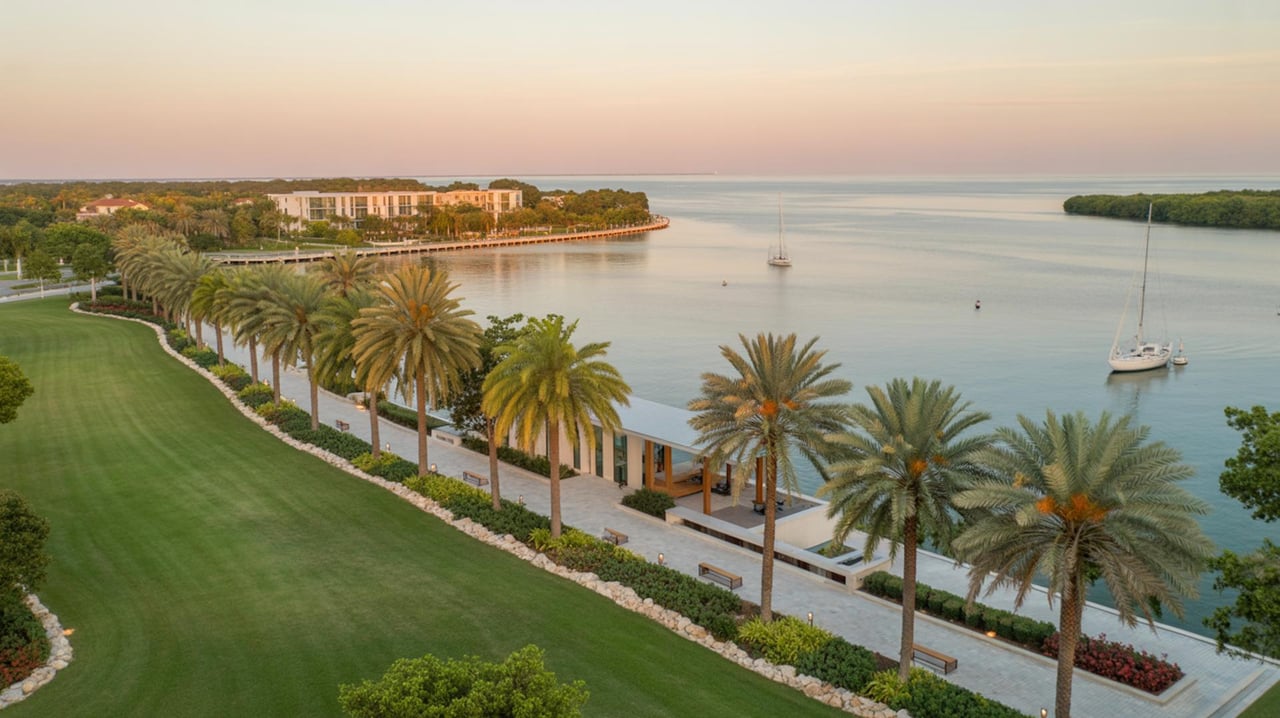
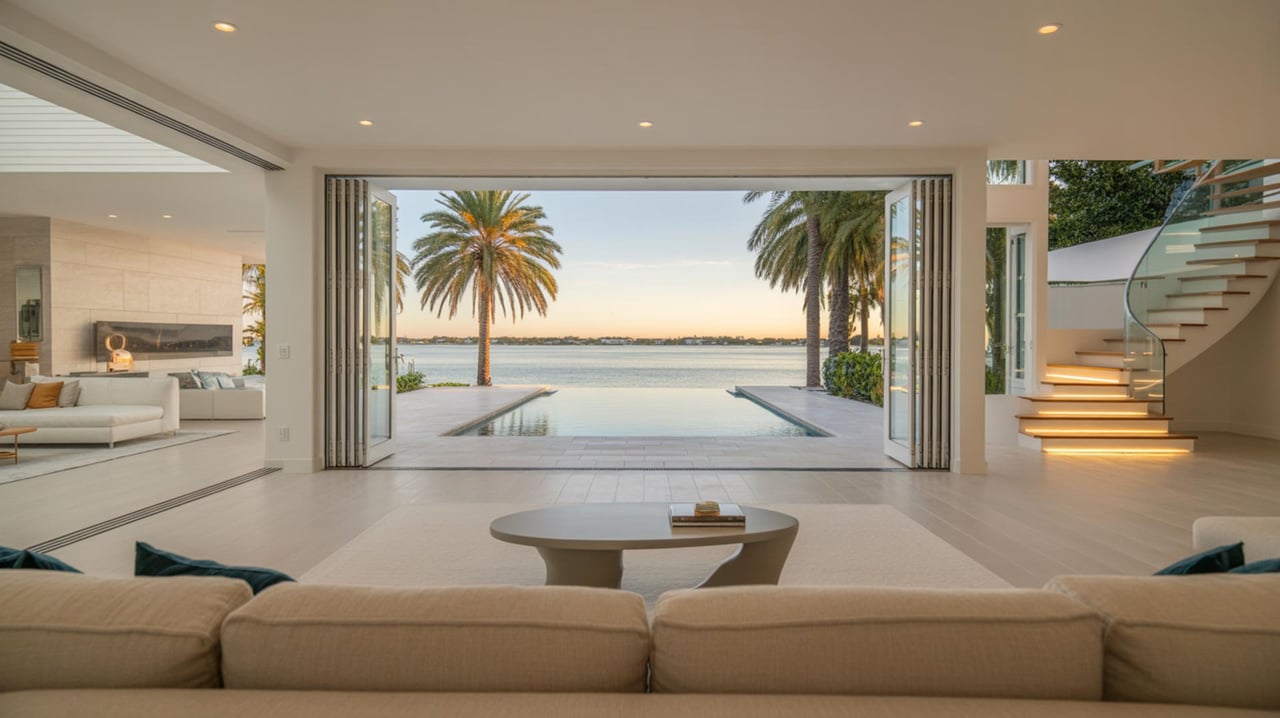
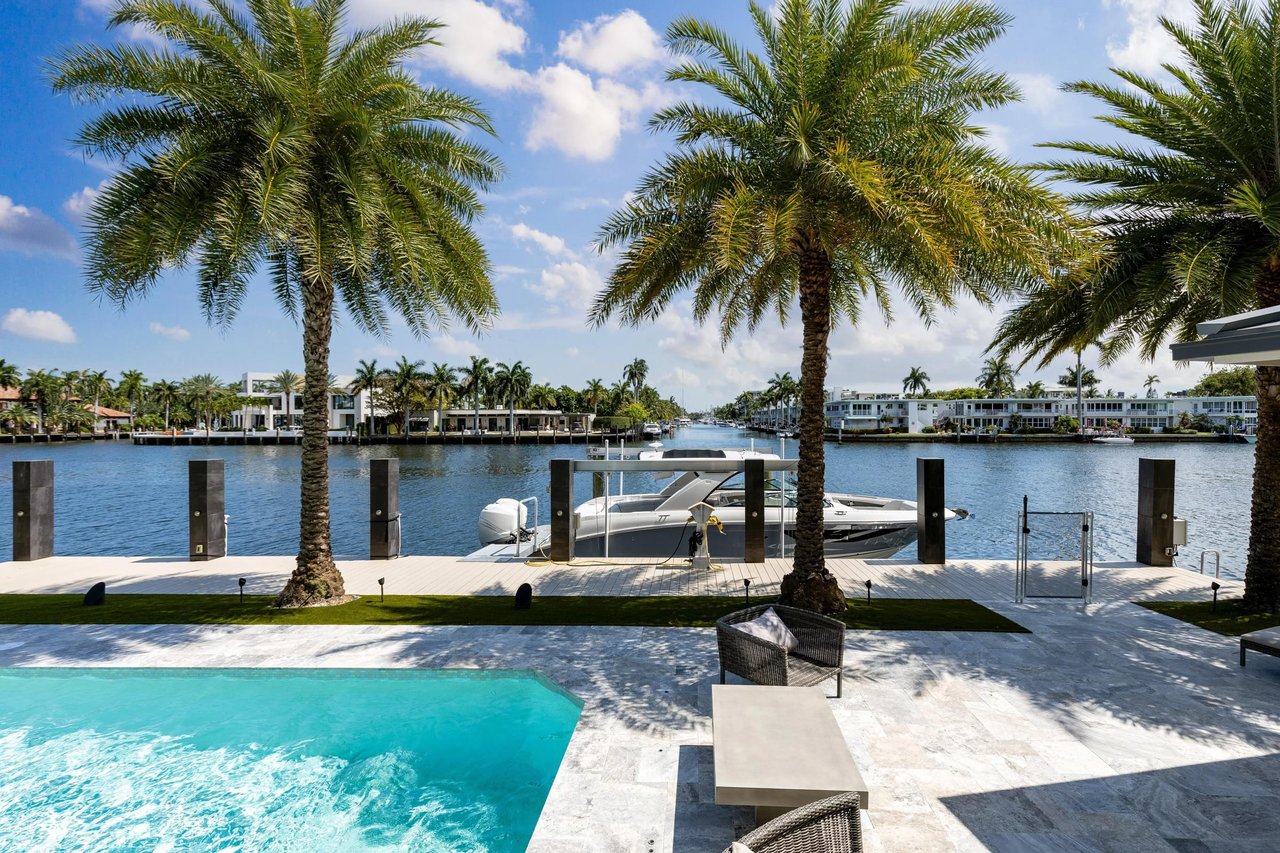
Waterfront homes in Coral Gables offer private dockage on navigable canals with direct Biscayne Bay access, framed by lush tropical landscaping and the timeless Mediterranean architecture that defines one of South Florida's most prestigious addresses.
Available Waterfront Homes in Coral Gables, FL
By the Numbers
Coral Gables, FL Housing Market
The Coral Gables housing market is operating with a balanced, slightly uncompetitive pace where buyers are exercising caution and negotiating power, even as luxury demand keeps baseline valuations exceptionally high. While total transaction volume has remained steady, overall home prices have leveled out with a marginal year-over-year dip of just 0.06%, highlighting a flattening trend after years of aggressive growth. Properties are moving at a relatively measured pace, spending a median of 83 days on the market, while the average home ultimately closes at roughly 5% below its original list price. This environment creates a clear micro-market dynamic: while ultra-exclusive waterfront enclaves like Gables Estates continue to see high-ticket cash transactions, the citywide average reflects a stabilizing landscape where sellers must rely on precise, turnkey pricing to attract disciplined, value-conscious buyers.

$1,698,983
Median Sale Price
$807
Median Sale Price per Sq. Ft.
196
Total Homes Sold
83
Median Days on Market
Why Get waterfront homes in Coral Gables, FL
-
Superior Yachting Utility with Direct, Bridge-Free Bay Access
For serious boaters and yacht owners, Coral Gables offers structural waterways that are increasingly rare in other high-end coastal markets. Elite gated enclaves such as Gables Estates, Cocoplum, and Gables by the Sea are deliberately designed around wide, deep-water, seawalled canals that provide direct access to the open waters of Biscayne Bay with absolutely no fixed bridges. In contrast to waterfront properties in Fort Lauderdale, Palm Beach, or parts of New England—where low-clearance bridges force yacht owners to strictly coordinate voyages with daily tide charts or master complex drawbridge schedules—Coral Gables accommodates massive, multi-story watercraft with deep drafts effortlessly. This seamless, restriction-free path to the ocean fundamentally preserves both the daily utility of your vessel and the long-term appreciation of your real estate asset.
-
High-Security Waterfront Compounds within Ultra-Exclusive, Guard-Gated Clubs
Unlike the public, highly visible coastlines of Miami Beach, Fort Lauderdale, or Malibu, California, the premier waterfront parcels in Coral Gables are situated within private, highly protected residential sanctuaries. Neighborhoods like Gables Estates and Tahiti Beach require mandatory background or club membership approvals before a home purchase can legally close, establishing an unparalleled layer of neighborhood vetting. These communities back up their strict exclusivity with 24/7 armed land gates, roving vehicular patrols, and dedicated maritime water patrols keeping watch over the canals. Buying a waterfront estate here grants you expansive, custom-built acreage with significant shoreline, wrapped in a level of privacy and security that is entirely absent in standard municipal luxury neighborhoods.
-
A Calm, Residential Cadence Stripped of Commercial and Tourist Disruption
Most premium waterfront real estate in the United States requires sacrificing privacy to the surrounding tourism industry; buying on the water in places like South Beach, Naples, or Southern California means sharing your backyard views with busy public boardwalks, luxury hotels, and commercial cruise paths. Coral Gables completely subverts this dynamic by positioning its waterfront properties away from commercial city centers. Tucked neatly off the historic, tree-canopied corridor of Old Cutler Road, these estates enjoy a peaceful, family-forward neighborhood rhythm. You get the immediate luxury of private dockage and coastal sunrises while remaining entirely insulated from the traffic and noise of Miami's core—creating a rare, tranquil ecosystem that pairs premier yachting infrastructure with deep residential calm.
What to Consider When Getting Waterfront Homes in Coral Gables, FL
Purchasing a luxury waterfront estate in Coral Gables, Florida, means entering one of the most strictly regulated, highly exclusive, and structurally unique marine residential markets in the United States. While standard luxury waterfront purchases focus heavily on interior finishes and broad view lines, a waterfront acquisition in "The City Beautiful" requires a deep understanding of hyper-local municipal constraints, club governance, and environmental protections that exist nowhere else.
In world-class waterfront communities like Gables Estates, your purchasing power alone is not enough to secure a property. True to the city's unique legal landscape, buying a home in these enclaves requires mandatory admission into the neighborhood's private club (such as the Gables Estates Club) before you can legally close on the real estate. This process involves an extensive vetting mechanism, including rigorous background checks, mandatory asset verification, and formal letters of recommendation from existing members. Furthermore, these clubs demand substantial, non-refundable initiation fees that can exceed $100,000 to $250,000 just to cross the threshold. Failing to account for this highly structured vetting process can disrupt closing timelines or completely derail a transaction.
Coral Gables proudly maintains over 42 miles of highly protected, scenic shoreline, much of it thick with native mangrove systems that serve as critical ecological buffers. Unlike other coastal jurisdictions across the country where homeowners can clear shoreline foliage to maximize water views, Coral Gables and Miami-Dade County enforce severe penalties for unauthorized mangrove alterations. Any trimming or canopy shaping requires strict permitting and must be executed exclusively by a county-certified and registered Professional Mangrove Trimmer (PMT). When evaluating a waterfront parcel, you must analyze the current state of the shoreline vegetation; assuming you can cut back foliage to clear a view for your terrace or accommodate a wider vessel footprint without deep bureaucratic oversight is a critical misstep.
The legendary aesthetic oversight of the Coral Gables Board of Architects does not stop at the street-facing facade of your home; it extends entirely to your waterfront footprint. Any modification to your property that is visible from the water—including the construction of summer kitchens, elevated pool decks, tiki huts, guest houses, or even the material and color selection of your private dock—must pass a detailed municipal design review. The city enforces strict rules regarding ground area coverage, capping main structures at 35% of the lot size and total coverage (including pools and hardscaping) at 45%. This means expanding a water-facing terrace or building a substantial secondary structure to house marine gear requires navigating precise local setbacks and historic design continuity laws.
For serious yacht owners, navigating Coral Gables' waterways requires precise, localized data. While the city's engineered canals offer spectacular, bridge-free access to Biscayne Bay, the underlying terrain consists of dense Miami Limestone. Canal depths can vary dramatically from one street to the next, and silt accumulation can create shoals that severely limit draft clearance at mean low water. When under contract for a waterfront home, executing a standard home inspection is insufficient. You must engage a specialized marine surveyor to map the controlling depth of the channel leading to the property, evaluate the linear feet of permitted dockage, and verify whether previous dredging permits have been approved or recorded for that specific parcel.
South Florida's evolving climate and structural safety guidelines have placed an intense focus on seawall infrastructure. In Coral Gables, maintaining the concrete seawall or bulkhead on your property is the sole financial responsibility of the homeowner. Due to the age of many local estates, older seawalls may be approaching the end of their useful life, showing signs of spalling (cracking concrete) or rebar exposure caused by decades of saltwater contact. Furthermore, updated local mandates are increasingly requiring higher minimum seawall caps during major renovations to combat tidal fluctuations. Replacing or significantly repairing a concrete seawall can easily scale into a six-figure capital expense and requires a complex multi-agency permitting process involving the city, the Florida Department of Environmental Protection (FDEP), and the U.S. Army Corps of Engineers.
How your neighborhood's security is funded and managed varies substantially across the waterfront pockets of Coral Gables. Some communities, like Gables Estates, operate via entirely private, mandatory HOA governance with private security forces. Conversely, other premier waterfront enclaves—such as Old Cutler Bay, Snapper Creek Lakes, and Cocoplum Phase I—operate through city-administered Security Special Taxing Districts. In these neighborhoods, the 24/7 guard gates and roving patrols are legally funded through a specific assessment tacked directly onto your annual municipal property tax bill. Understanding whether a property falls under a private HOA framework or a municipal taxing district is vital for accurately projecting your recurring carrying costs and understanding how local gate-access protocols are legally enforced.
Partner With Hyper-Local Waterfront Real Estate Experts
Acquiring a luxury waterfront compound in Coral Gables requires a team that understands local sea-wall engineering, neighborhood club board approvals, and specific canal depth metrics. If you want further information about the market, have questions about localized zoning rules, or are ready to schedule a private walkthrough of active waterfront listings.


Get in Touch
Miami FL
Get in Touch
Get in Touch
Miami FL