Luxury Homes for Sale in Coral Gables, FL
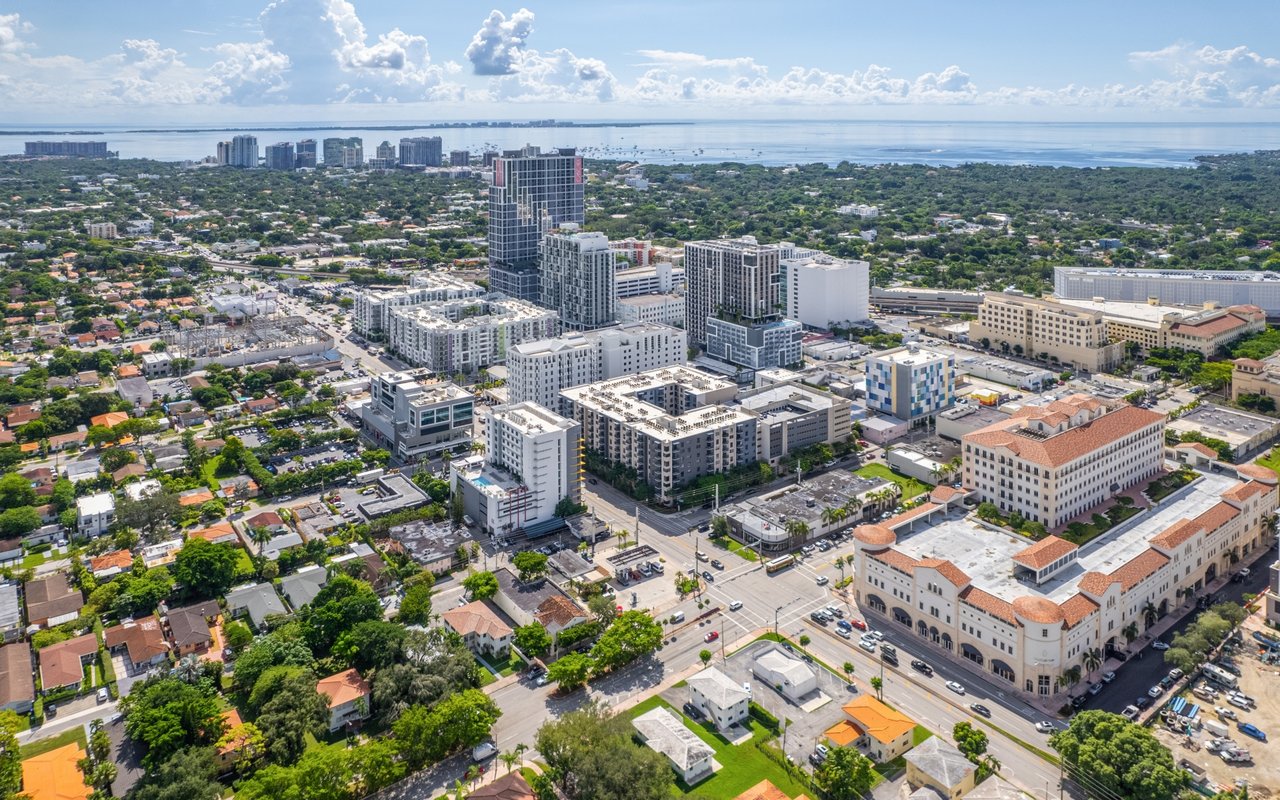
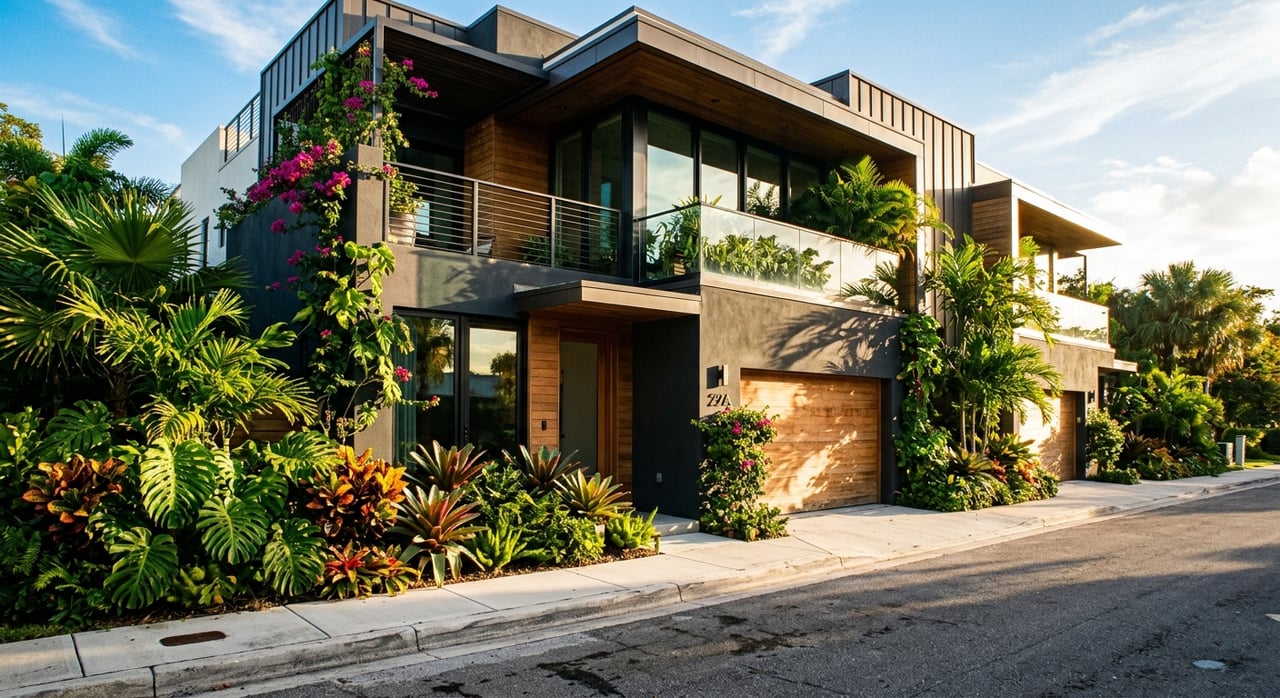
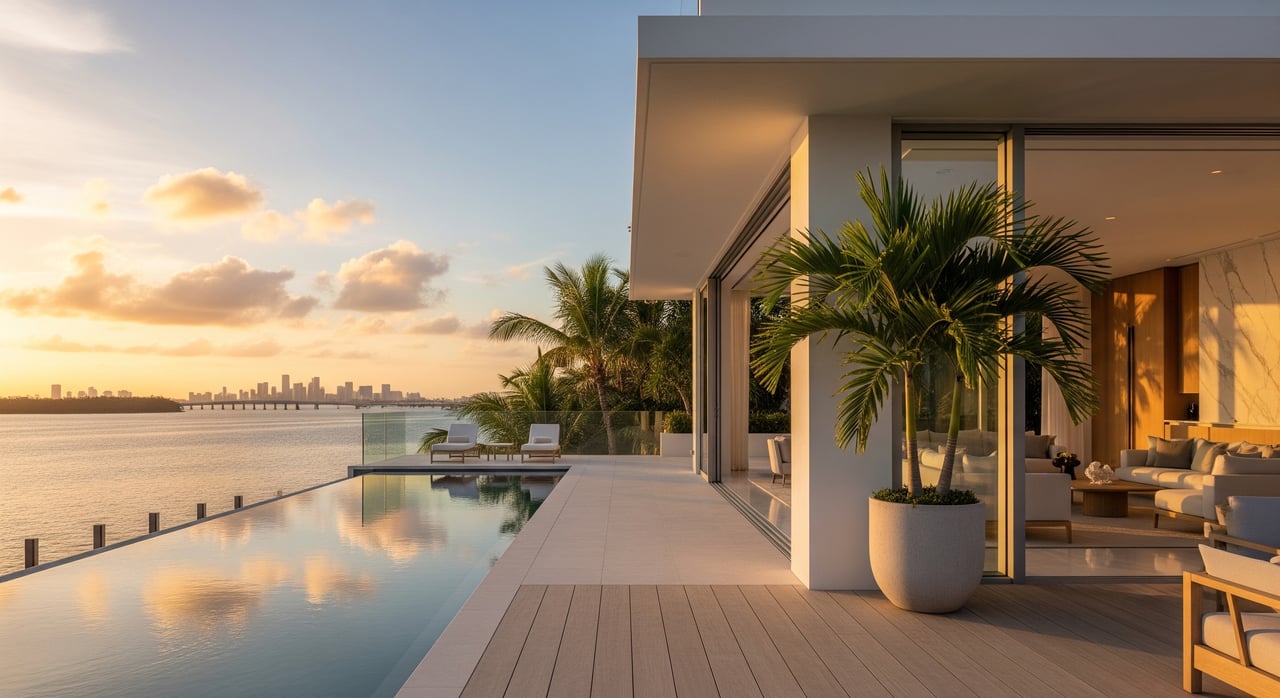
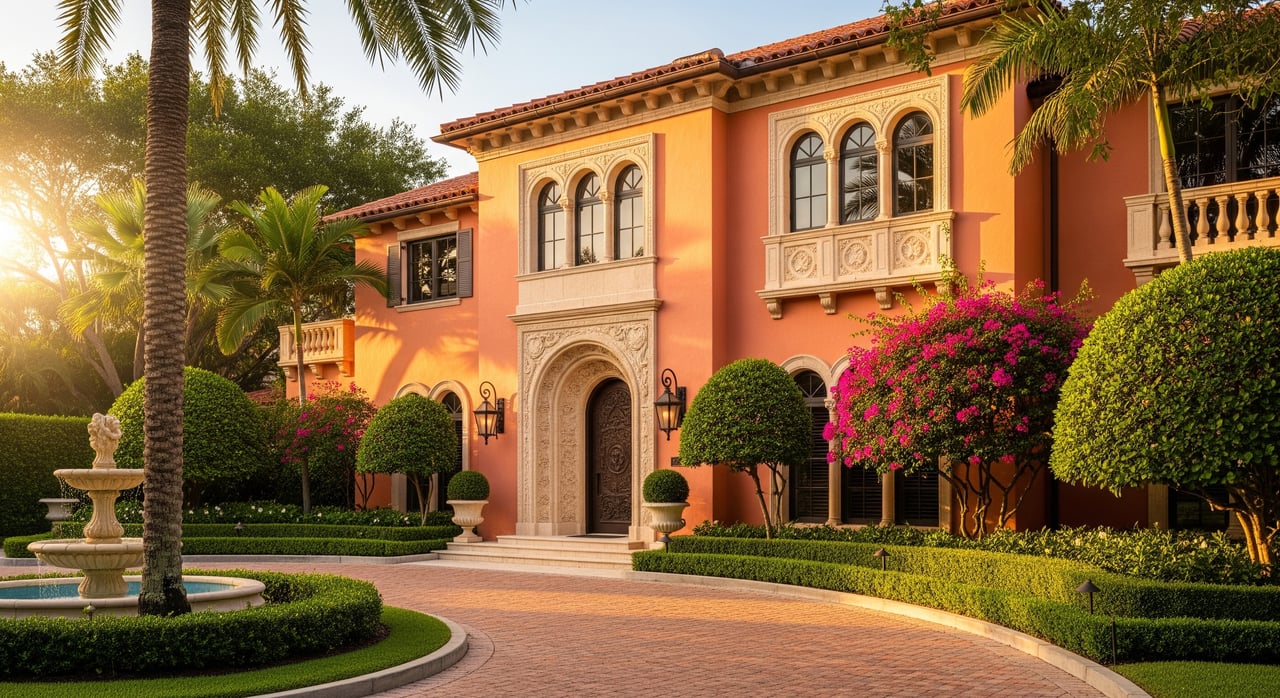
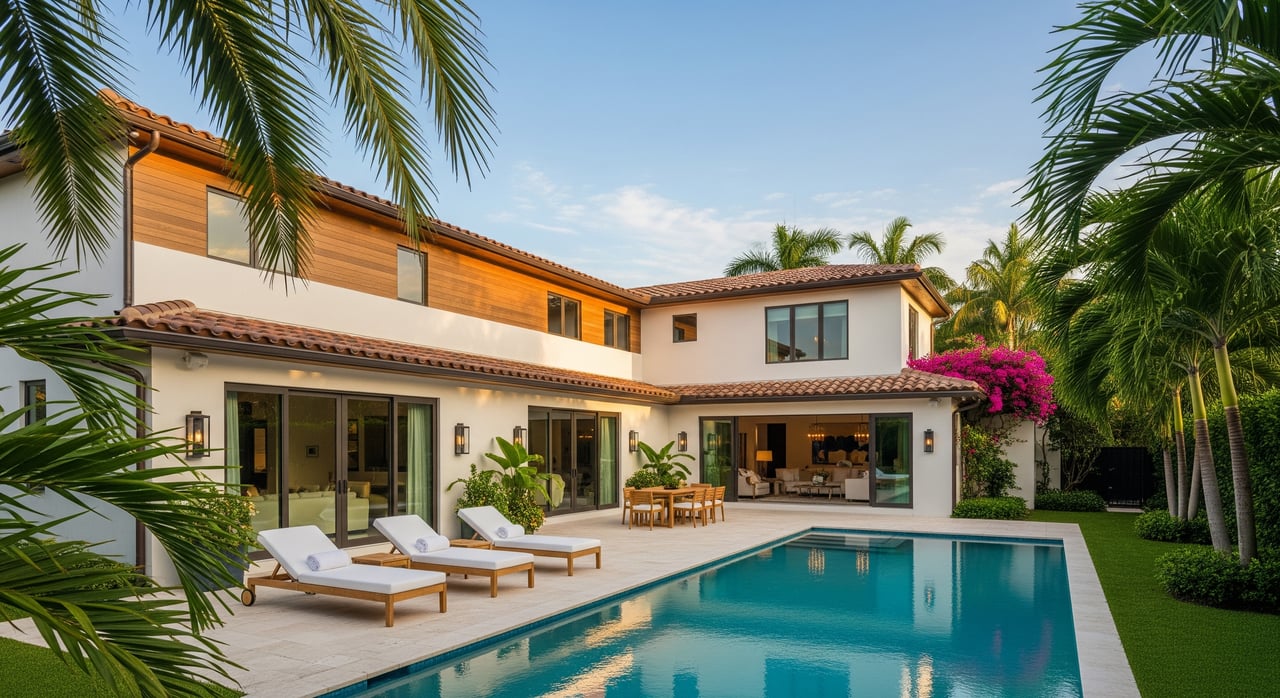
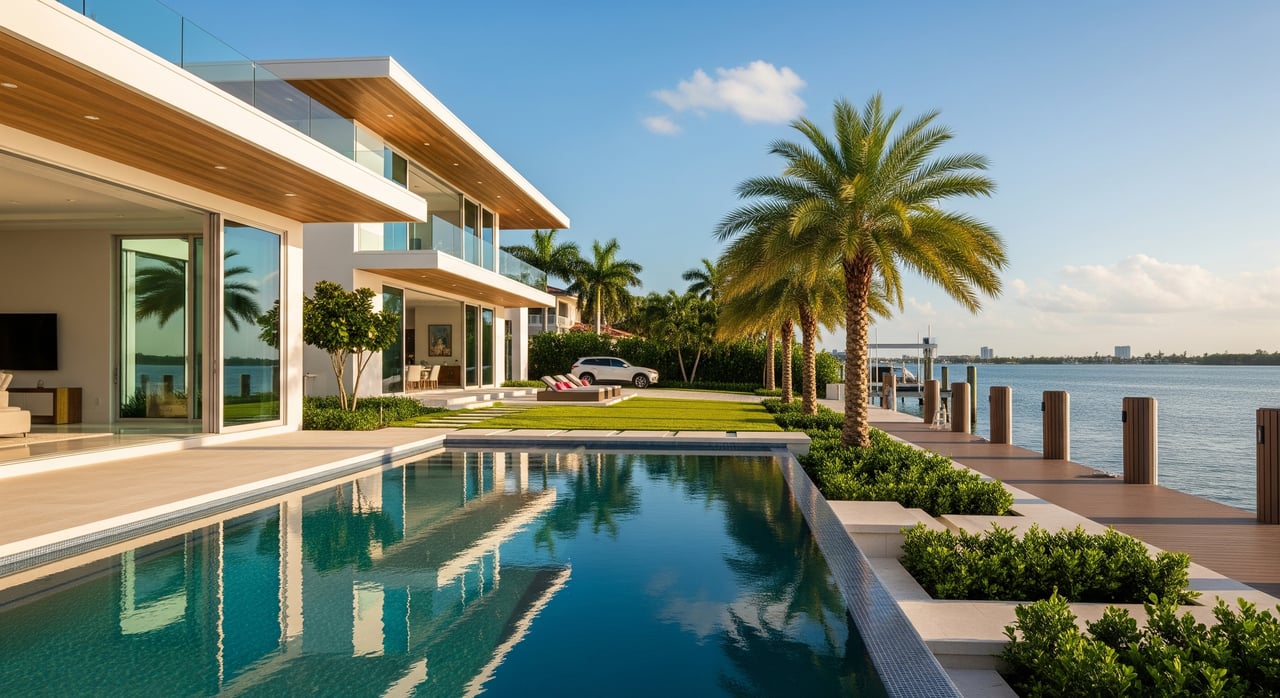
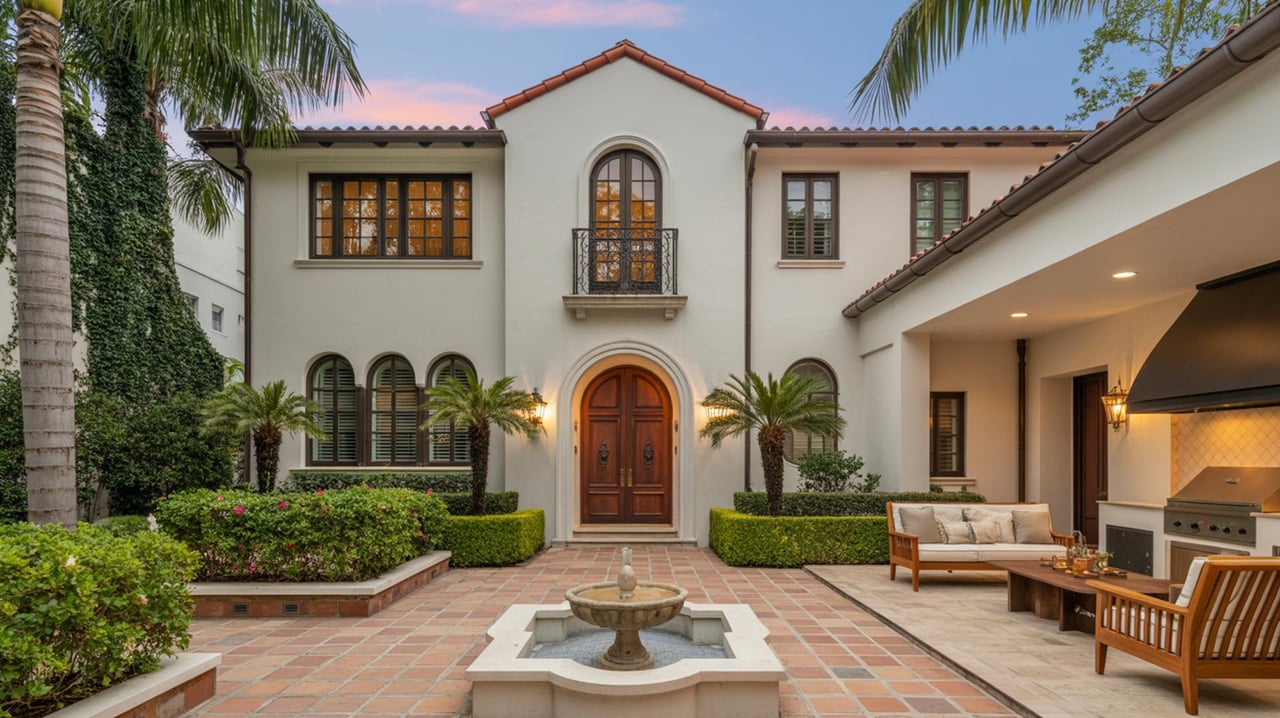
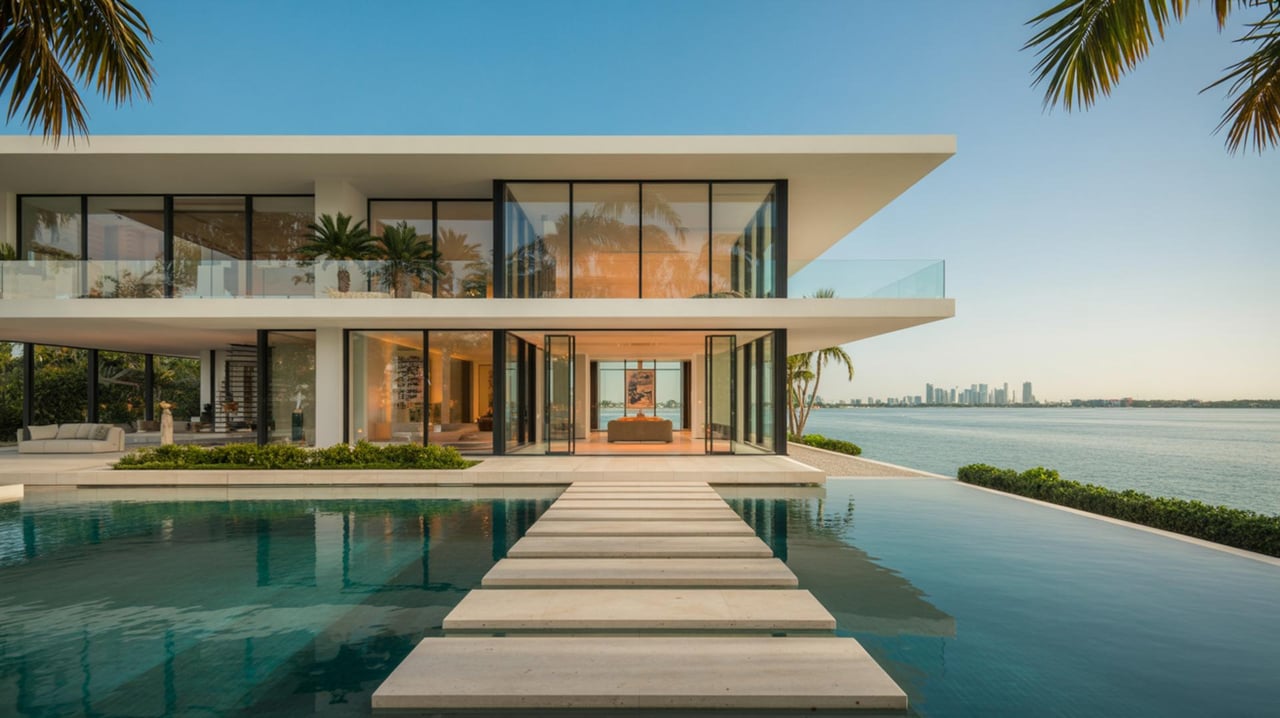
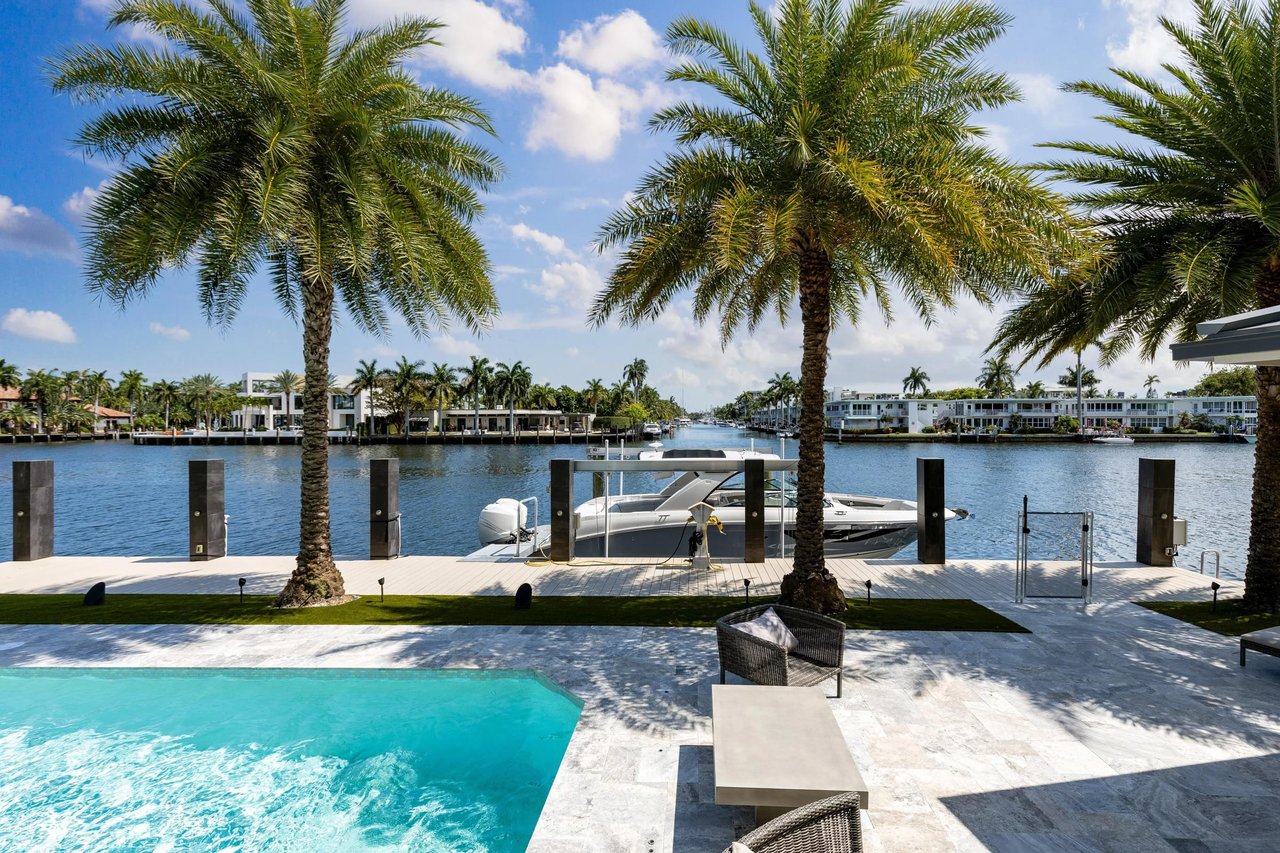
Luxury homes in Coral Gables deliver the rare combination of historic Mediterranean grandeur, gated enclaves like Gables Estates and Cocoplum, and proximity to elite schools, championship golf, and Miracle Mile — all within one of the most meticulously planned and enduringly valuable communities in South Florida.
Available Luxury Homes in Coral Gables, FL
By the Numbers
Coral Gables, FL Housing Market
The Coral Gables housing market is operating with a balanced, slightly uncompetitive pace where buyers are exercising caution and negotiating power, even as luxury demand keeps baseline valuations exceptionally high. While total transaction volume has remained steady, overall home prices have leveled out with a marginal year-over-year dip of just 0.06%, highlighting a flattening trend after years of aggressive growth. Properties are moving at a relatively measured pace, spending a median of 83 days on the market, while the average home ultimately closes at roughly 5% below its original list price. This environment creates a clear micro-market dynamic: while ultra-exclusive waterfront enclaves like Gables Estates continue to see high-ticket cash transactions, the citywide average reflects a stabilizing landscape where sellers must rely on precise, turnkey pricing to attract disciplined, value-conscious buyers.

$1,698,983
Median Sale Price
$807
Median Sale Price per Sq. Ft.
196
Total Homes Sold
83
Median Days on Market
Why Get Luxury homes in Coral Gables, FL
-
Generational Asset Protection via Strict "Garden City" Planning and Scarcity
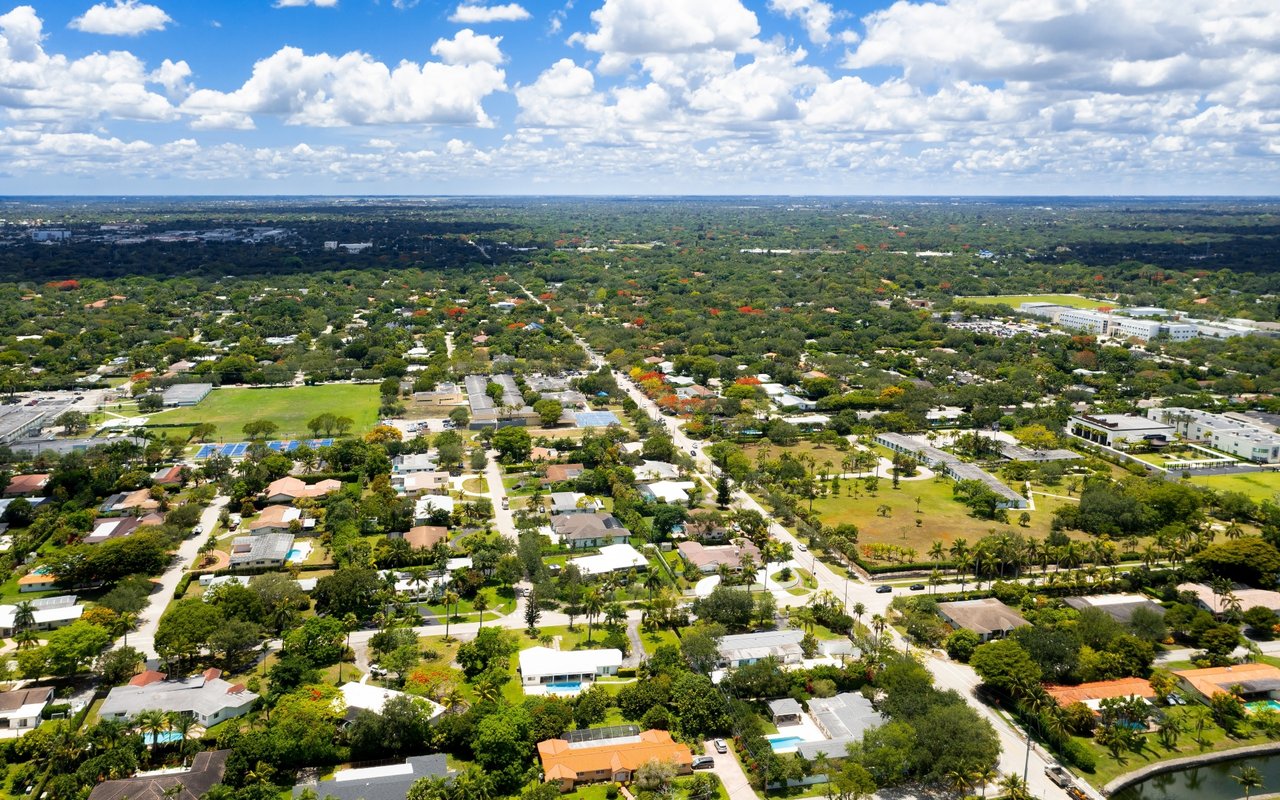
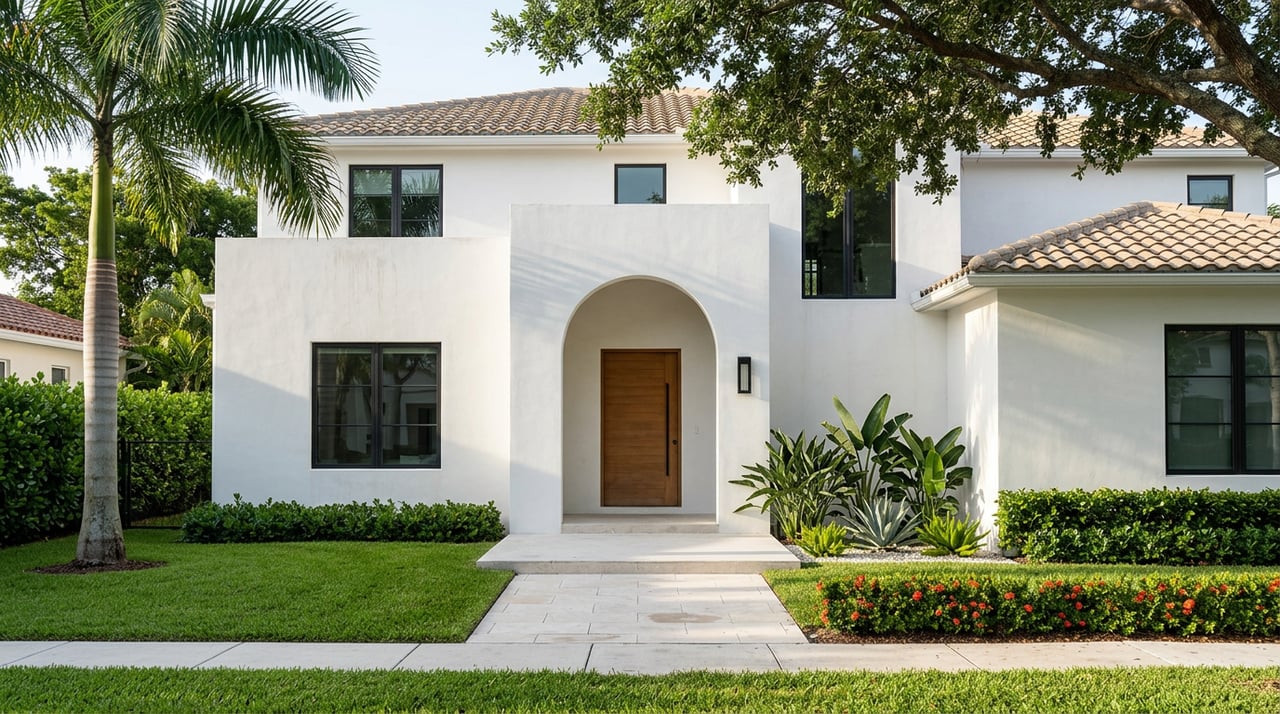
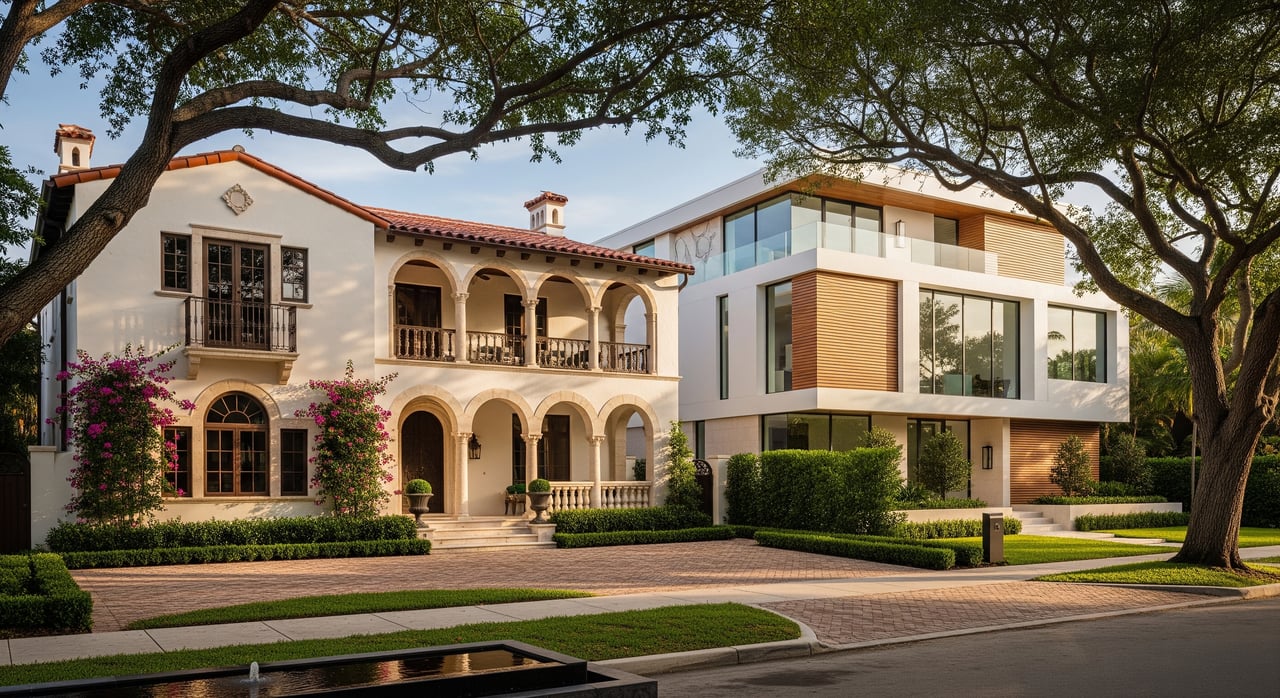
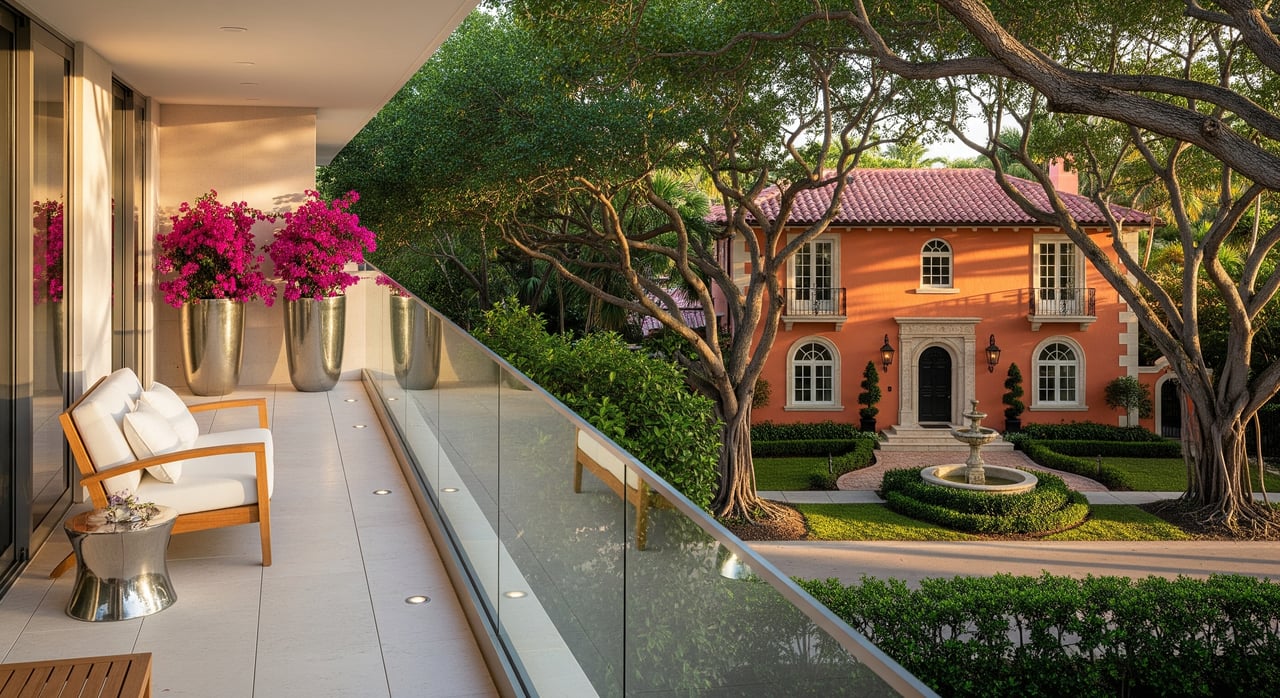
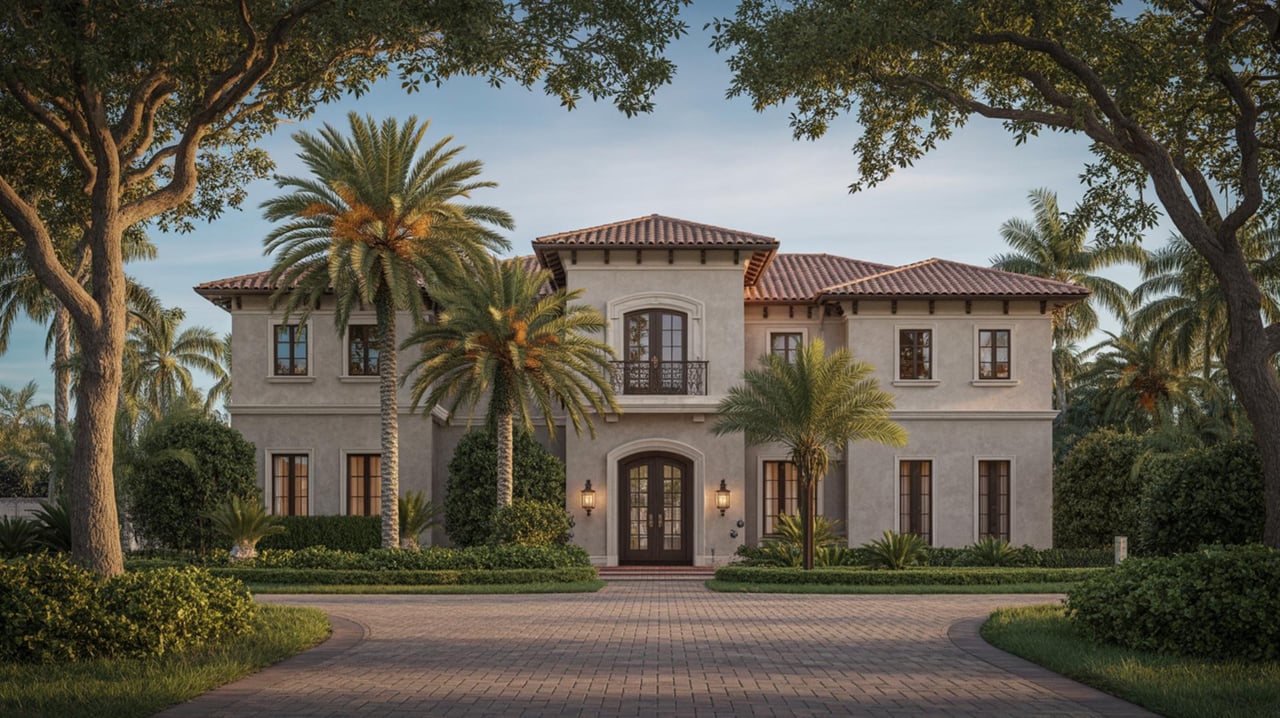
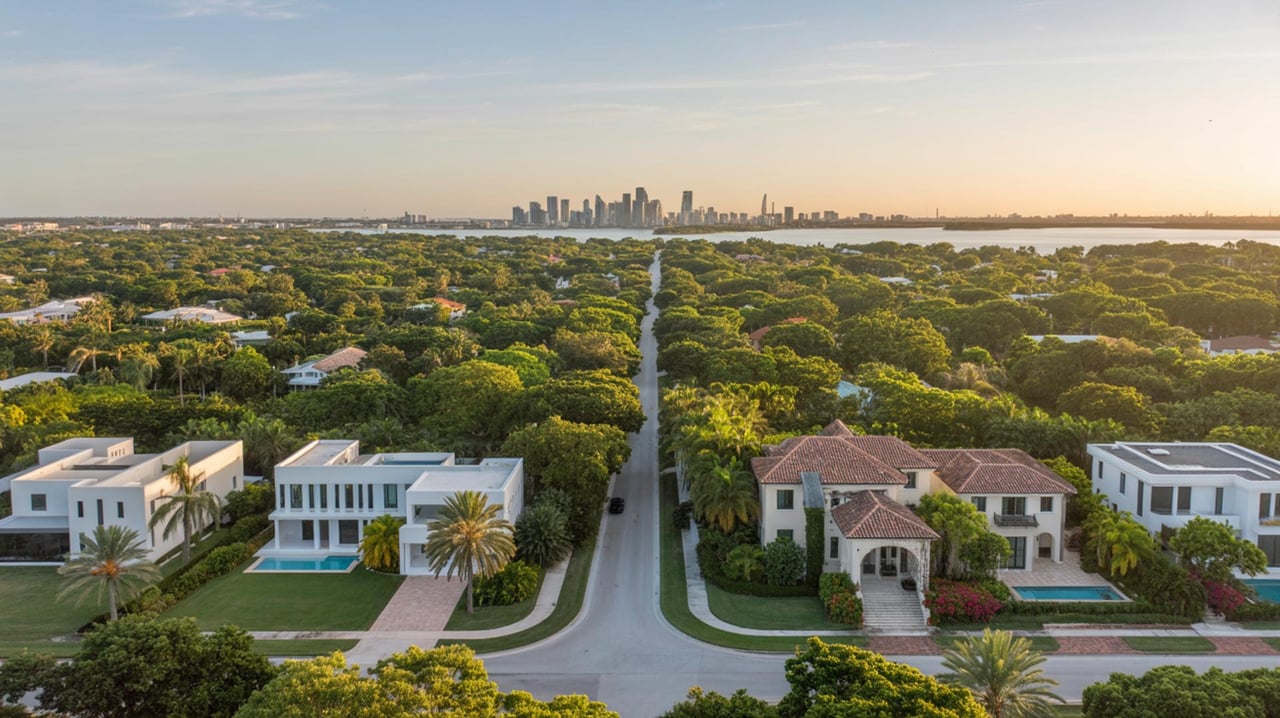
Unlike almost any other luxury market in Florida or the country, Coral Gables was meticulously planned from its inception in the 1920s as a "Garden City" and "City Beautiful." This founding vision is heavily enforced today by the ultra-strict Coral Gables Board of Architects, which legally protects the visual identity, massive tree canopies, and historic Mediterranean Revival character of the city. While luxury buyers in places like modern Miami Beach, Los Angeles, or Austin risk having their home’s character or privacy disrupted by a towering, hyper-modern mega-mansion next door, Coral Gables guarantees architectural continuity and low-density preservation. Furthermore, with nearly 41% of the city blanketed by protected oak and banyan canopies, you are investing in a built-out, land-scarce environment where true single-family estate land is completely finite, insulating your capital against the inventory gluts that plague newer, un-zoned luxury developments.
-
Elite Privacy and Institutional Discretion Within Land-Backed Enclaves
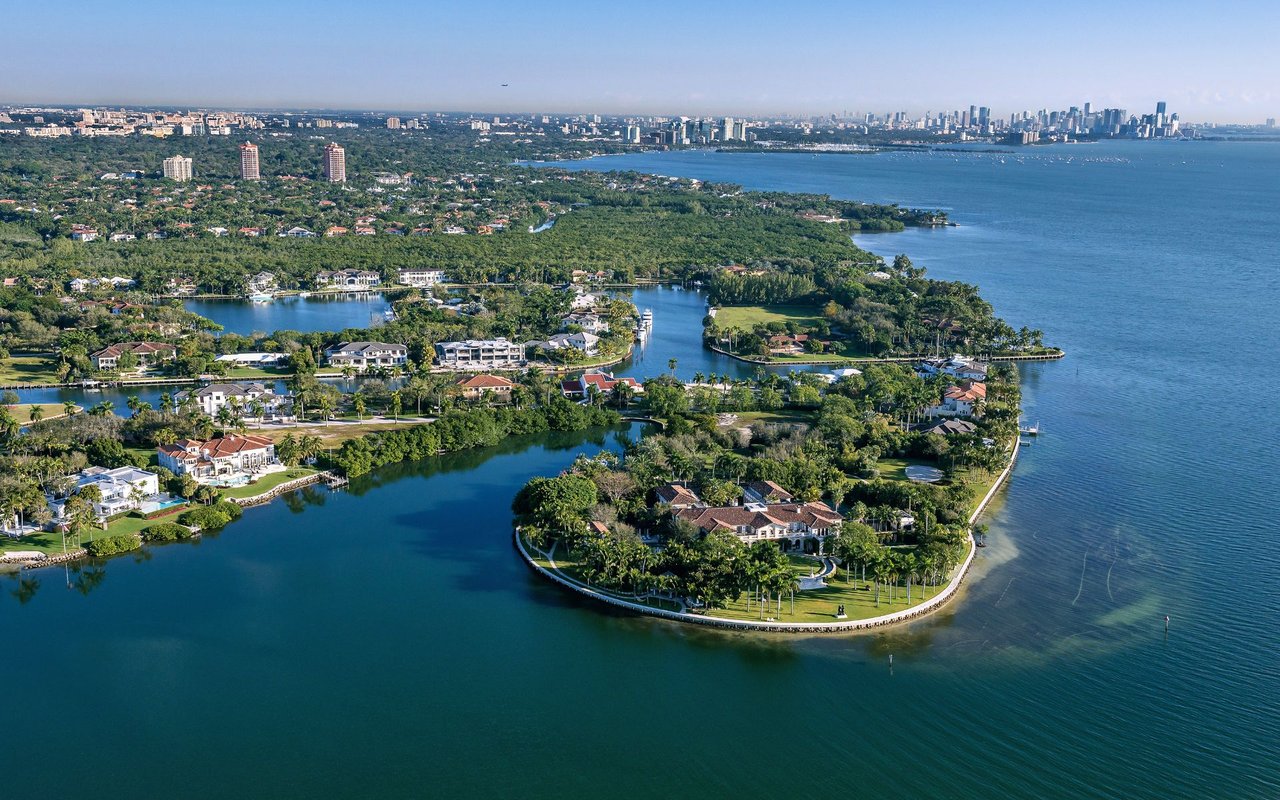
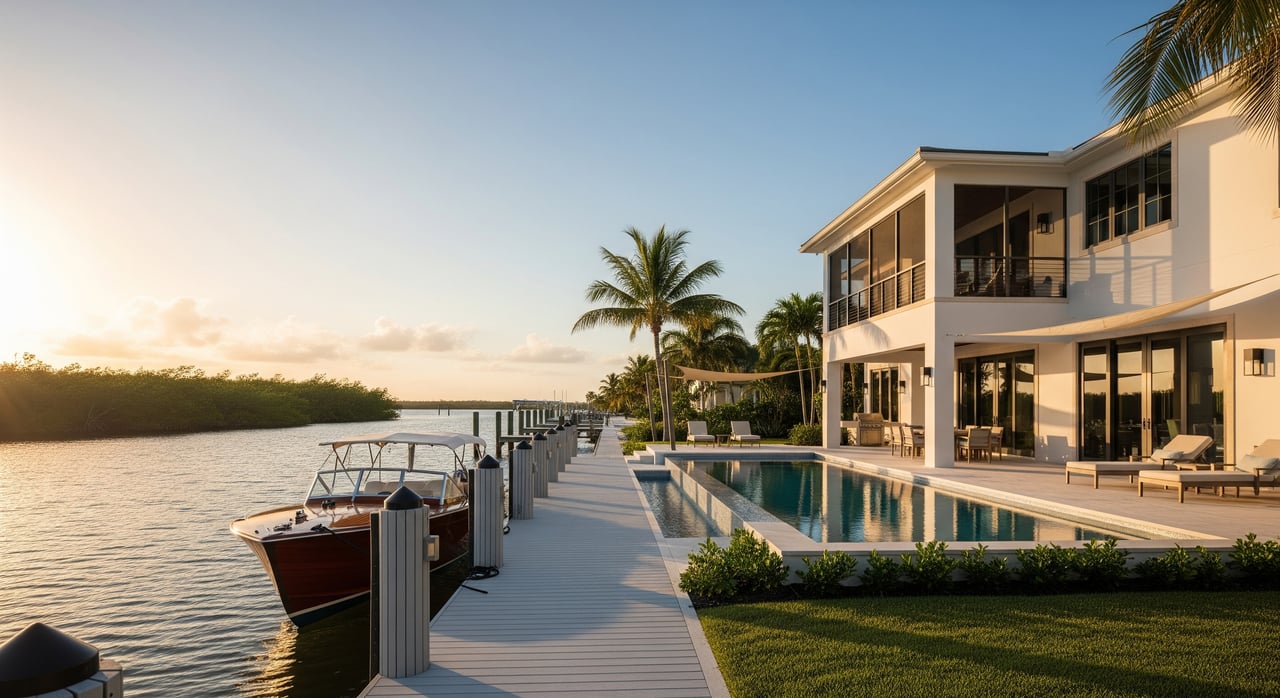
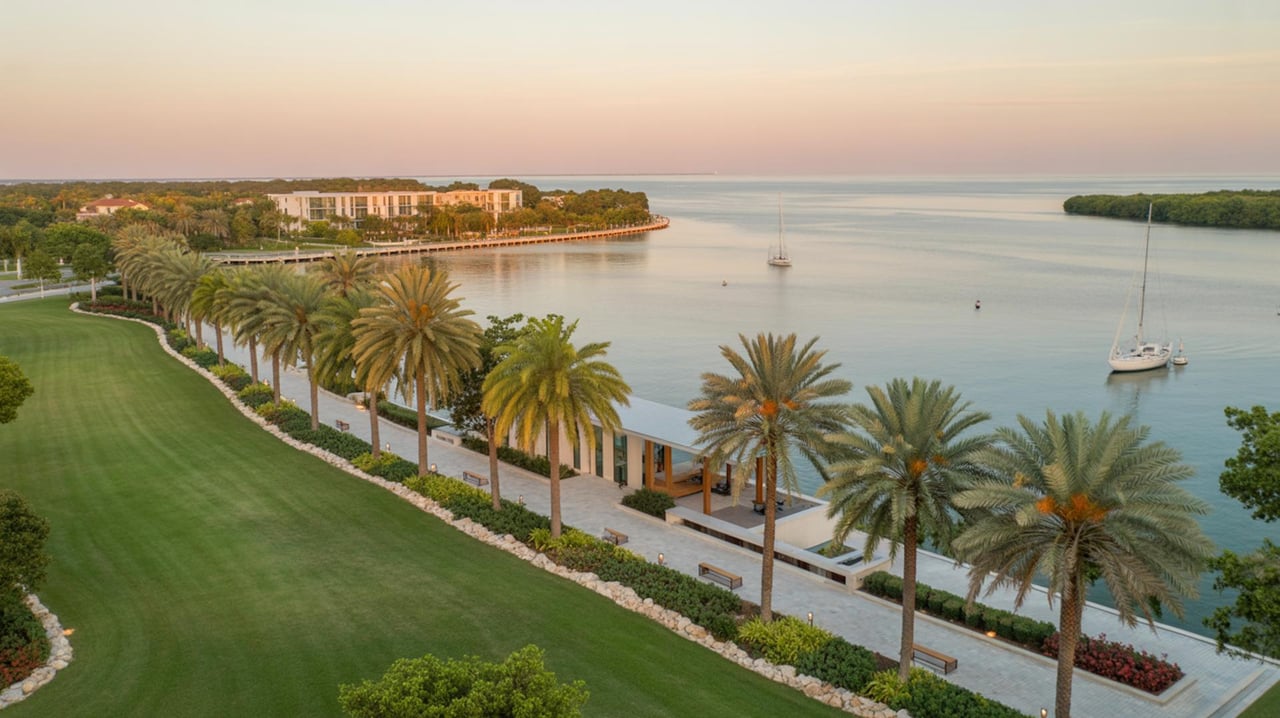
At the pinnacle of the South Florida market, neighborhoods like Gables Estates, Tahiti Beach, and Cocoplum outpace global luxury benchmarks like Beverly Hills or Palm Beach in terms of prestige, privacy, and control. In these ultra-exclusive enclaves, luxury means owning massive, land-backed parcels ranging from 1.5 to over 5 acres—an absolute rarity in built-out coastal cities. This scale is matched by a hyper-rigorous community vetting process, where buying a home often requires mandatory neighborhood club board approvals, asset verification, and background checks before a title can close. Backed by 24/7 armed private guards, roving vehicular security, and dedicated marine canal patrols, these communities offer high-net-worth individuals a highly discreet, secure compound lifestyle that is completely shielded from public tourism and commercial disruption.
-
Seamless Integration with Premier Education and Corporate Infrastructure
A common compromise when buying a luxury estate nationally is choosing between a peaceful residential sanctuary or proximity to elite professional and educational hubs; buyers in the Hamptons, Aspen, or deep suburban enclaves face massive commutes to access top-tier infrastructure. Coral Gables completely eliminates this friction. As a luxury resident, you are positioned within minutes of the region’s most prestigious, nationally ranked private schools (such as Gulliver Prep and Carrollton) and the world-class University of Miami campus. Simultaneously, the city’s thriving downtown commercial core acts as a high-end corporate capital, housing multinational headquarters, elite family offices, and a sophisticated, walkable culinary and arts scene along Miracle Mile. Buying a luxury home here means you do not have to compromise: you get an incredibly quiet, family-forward estate lifestyle that seamlessly interfaces with institutional wealth and world-class education.
What to Consider When Getting Luxury Homes in Coral Gables, FL
Acquiring a luxury estate in Coral Gables, Florida, means investing in a premier global real estate market governed by an intensely protective municipal framework. Known as "The City Beautiful," Coral Gables preserves its high-end property values through strict localized restrictions, elite private neighborhood structures, and specific architectural preservation standards. To protect your capital and find the right estate, you must evaluate factors that simply do not exist in other luxury markets across the state or country.
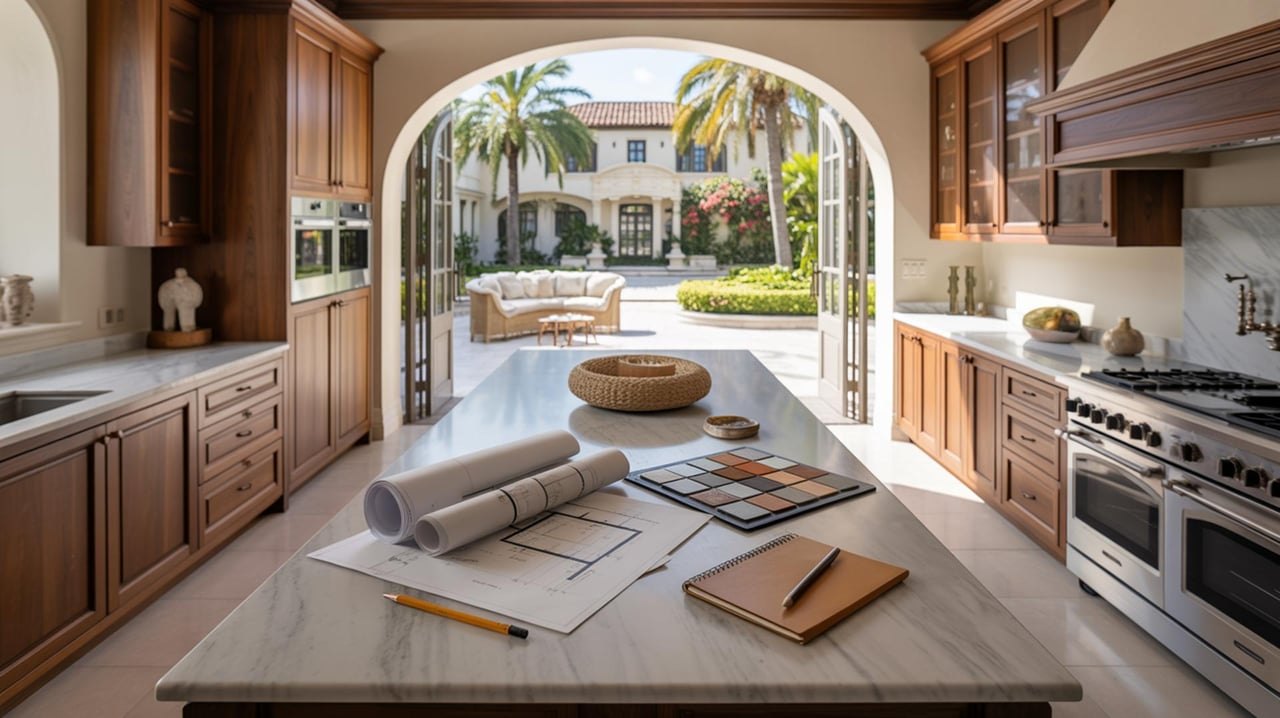
Every single luxury home built, renovated, or painted in Coral Gables falls under the direct legal jurisdiction of the Coral Gables Board of Architects. Unlike typical luxury markets where homeowners have broad creative freedom, this municipal board meets weekly to strictly enforce architectural harmony, massing, window-to-wall proportions (fenestration), and neighborhood continuity. If you buy an estate with the intention of altering its exterior, adding a modern wing, or changing its paint color, you cannot simply hire a contractor and pull standard permits. You must secure formal preliminary and final approvals from the Board. The city even mandates specific, pre-approved historical paint color palettes from select manufacturers—meaning a failure to understand these rigid design guidelines can completely halt your renovation plans before they begin.
The absolute pinnacle of the Coral Gables luxury market is found within private, water-backed communities like Gables Estates and Tahiti Beach. In these ultra-exclusive sanctuaries, buying a home is a multi-step legal process that goes far beyond standard financial capability. Purchase contracts in these neighborhoods are legally contingent upon the buyer securing mandatory admission into the private community club prior to closing. This vetting process includes rigorous personal background checks, asset verification, and formal sponsorship letters from current residents. Additionally, these clubs demand substantial, non-refundable initiation fees that can range from $100,000 to over $250,000. Navigating this elite board approval process requires highly specialized local guidance to ensure a seamless closing.
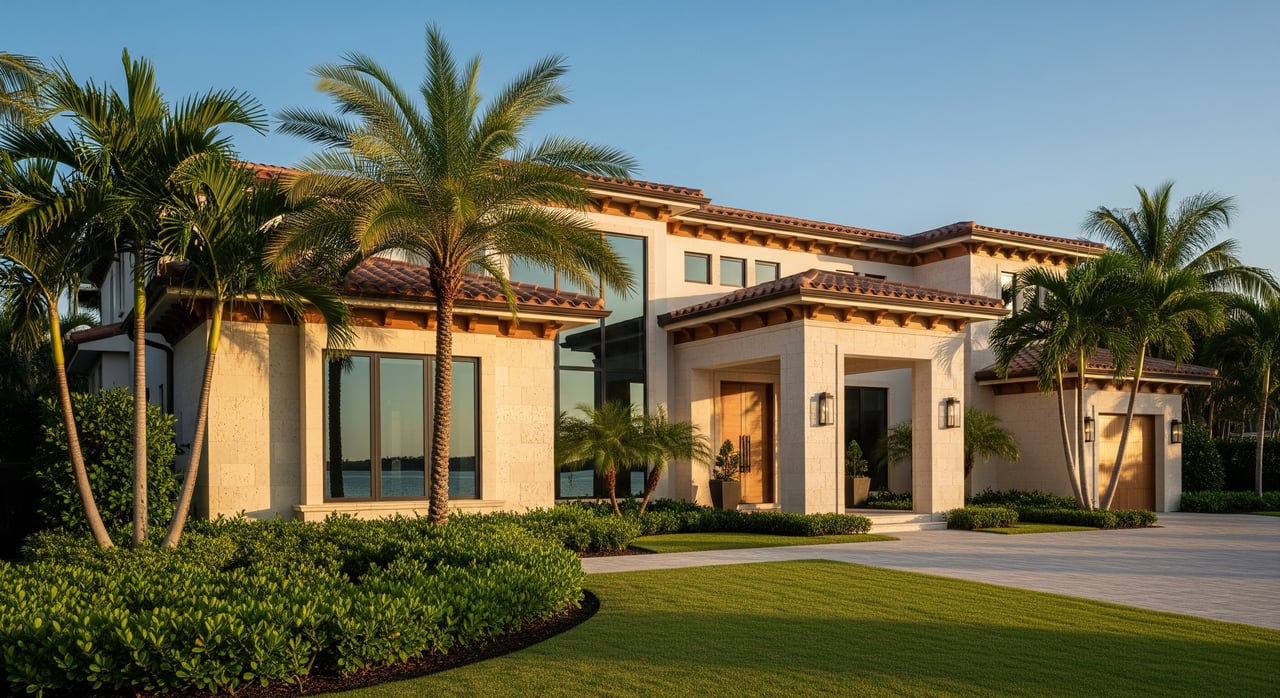
Coral Gables is famous for its collection of 1920s Old Spanish and Mediterranean Revival estates, many of which carry official local historic designations. If a luxury home is locally designated, its entire exterior footprint is permanently protected by the city’s Historic Preservation Board, requiring a specialized Certificate of Appropriateness (COA) for any structural modifications, roof tile replacements, or window alterations. However, this stewardship comes with an extraordinary financial benefit unique to the city: if you execute an approved historical restoration, you may enter into a covenant with the city and Miami-Dade County to secure a 10-year ad valorem tax abatement. This mechanism completely freezes the taxable assessed value of your property improvements for a decade, saving luxury homeowners hundreds of thousands of dollars in property taxes.
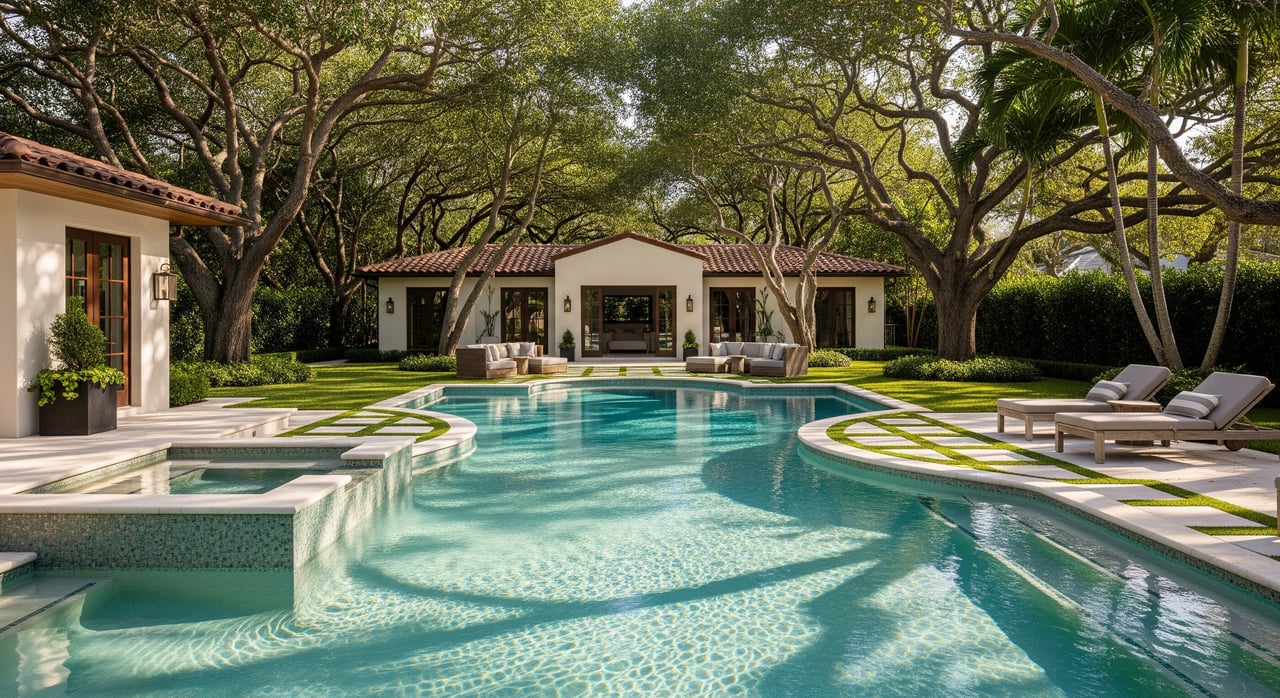
The city’s signature asset—its majestic, sweeping canopy of historic live oaks and banyan trees—is heavily protected by strict municipal ordinances. Coral Gables views its urban forest as vital civic infrastructure, meaning the mature trees on a luxury property’s grounds are legally protected. If you purchase an estate with plans to clear land for a larger pool deck, expand a garage footprint, build a tennis court, or significantly alter a driveway, you must navigate severe tree preservation restrictions. Cutting down, damaging, or even aggressively pruning a protected tree without a specialized permit can result in massive municipal fines and legal mandates to pay into the city's tree mitigation fund, making a comprehensive arborist and land survey a vital step during your due diligence period.
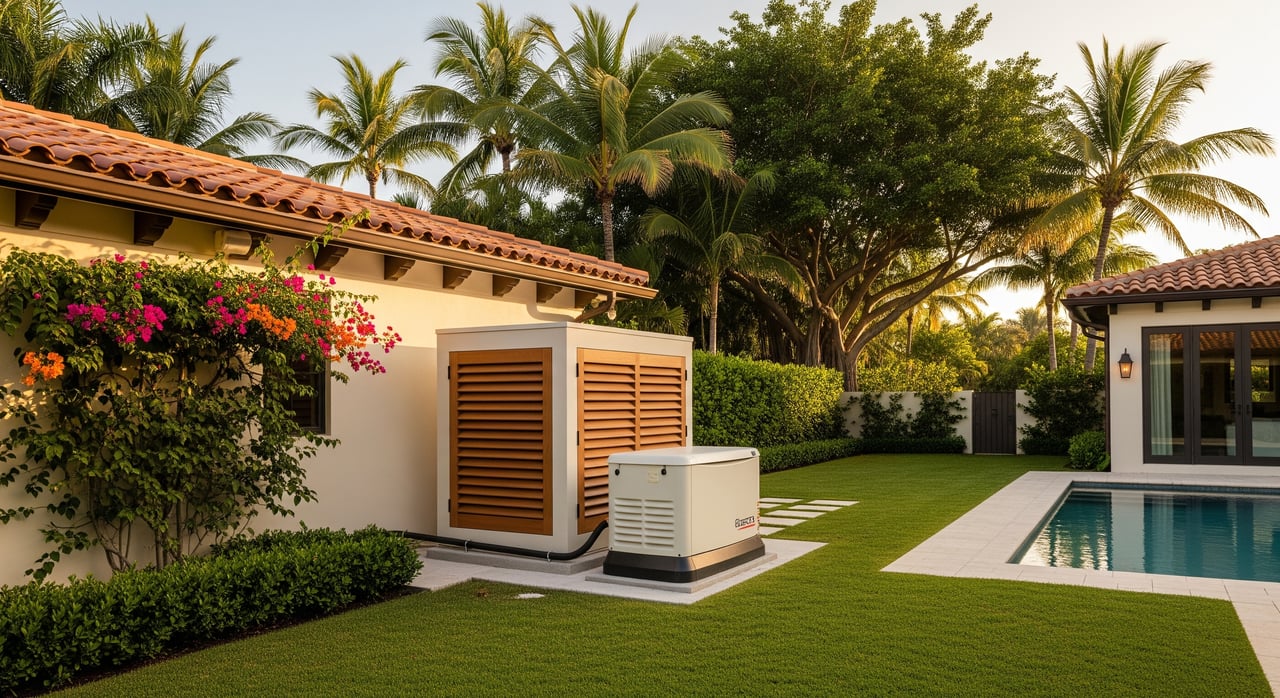
Because Coral Gables deliberately maintains its lush, heavily treed streetscapes, its luxury neighborhoods face a distinct infrastructure challenge during major South Florida weather events. Above-ground power grids in certain older, highly affluent pockets of the city are historically vulnerable to prolonged outages caused by falling tree limbs during severe storms. When investing at the luxury tier in the Gables, analyzing the property's utility infrastructure is paramount. A sophisticated buyer must verify whether the immediate power grid has been buried underground or ensure the estate is equipped with a fully integrated, industrial-grade backup generator system utilizing an oversized, permitted underground propane tank capable of powering the entire estate's multi-zone climate control systems for weeks at a time.
Security infrastructure funding varies significantly across the luxury pockets of Coral Gables, directly impacting your recurring carrying costs and neighborhood logistics. Certain elite neighborhoods operate under traditional, mandatory private HOAs that fund their own armed gate guards and roving patrols through high monthly association dues. Conversely, several premier enclaves—including Old Cutler Bay, Snapper Creek Lakes, and Cocoplum Phase I—utilize city-administered Security Special Taxing Districts. In these areas, the 24/7 guard gates are managed in partnership with local authorities and funded via a specific assessment added directly to your annual municipal property tax bill. Dissecting how a property’s security is legally structured and billed is essential for accurate long-term financial modeling.
Partner With Our Hyper-Local Luxury Experts
Acquiring an elite estate in Coral Gables requires a team that understands local architectural codes, historical tax incentives, and private neighborhood club structures. If you need further information about current off-market opportunities, have questions about localized zoning regulations, or would like to arrange a confidential private walkthrough:

Get in Touch
Miami FL
Get in Touch
Get in Touch
Miami FL